Best Camera for Professional Photography Beginners

As an Amazon Associate we earn from qualifying purchases. Some links in this guide are affiliate links, see our affiliate disclosure for details.
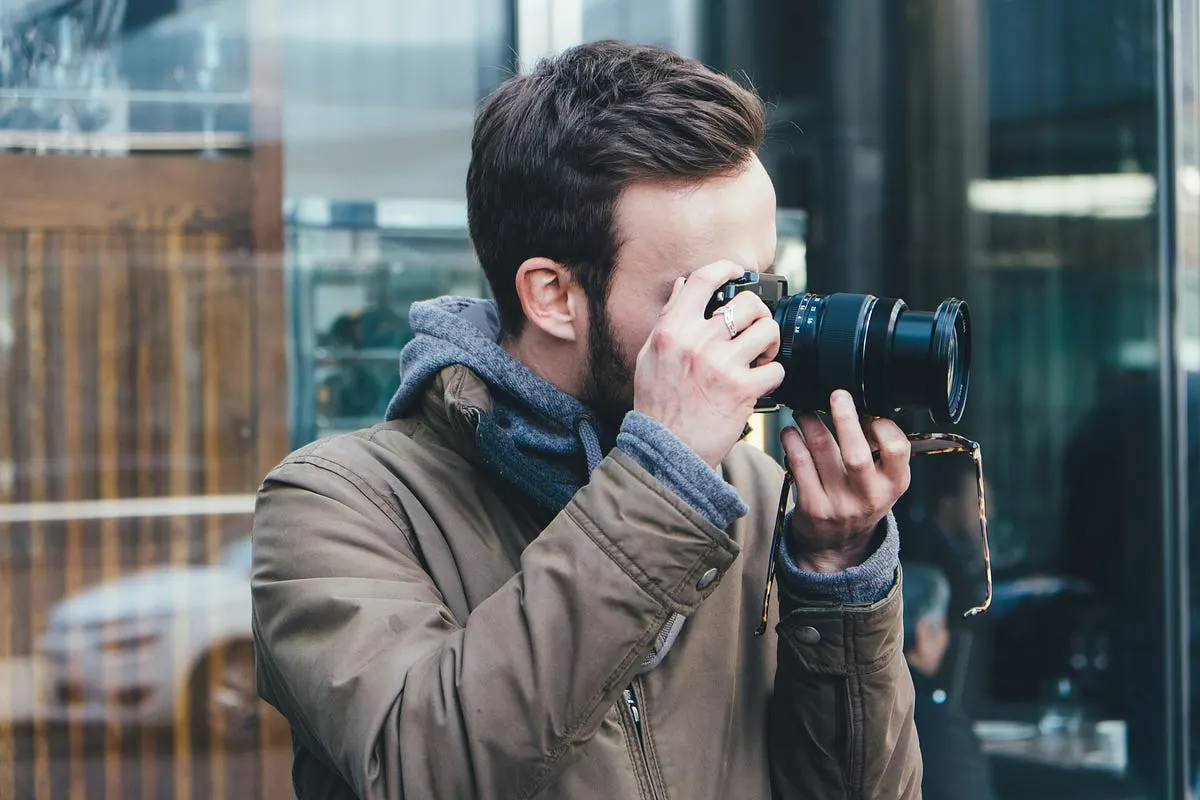
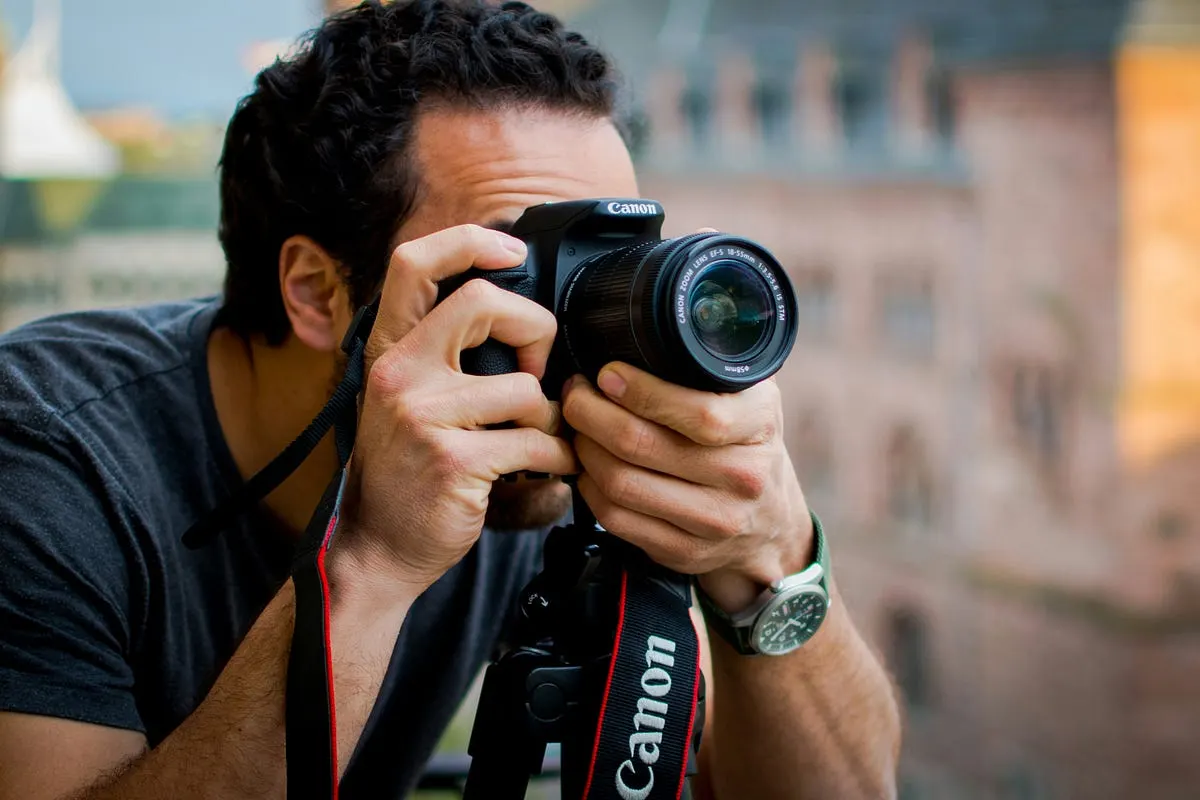
Photo by Austin Distel on Unsplash
Standout Choices for beginners who want to go pro
Top options include the Sony A6000-series (such as the A6400), the Nikon D5600 or Canon Rebel T8i, the Fujifilm X-T30 II and a used full-frame such as the Nikon D750 or Canon 6D Mark II.
Starting out on the road to professional photography can feel heavy: a DSLR, lenses and a battery grip, plus the weight of expectation. The camera is only one part of the journey, and choosing a capable one is the easy part.
What REALLY Matters in Your First “Pro” Camera
It’s about a tool that gets out of your way and lets you learn. Here’s what to prioritize:
- Interchangeable Lenses: This is non-negotiable. The ability to change lenses is what will truly expand your creativity, far more than a camera body upgrade. You can start with a kit lens and grow into primes (like a 50mm f/1.8) and zooms.
- Manual Controls: You need a camera that allows you to shoot in full Manual (M), Aperture Priority (Av/A), and Shutter Priority (Tv/S). Dials and buttons for these should be accessible, not buried in a digital menu.
- A Comfortable Feel: Go to a store and hold them! If a camera feels awkward in your hands, you won’t want to use it. Ergonomics are hugely underrated.
- A Good Viewfinder: An optical (DSLR) or electronic (mirrorless) viewfinder is crucial for stability and composition, especially in bright light.
- Room to Grow: Consider a system with a wide range of lenses and accessories so you can build your kit without switching brands later.
1. The All-Rounder Champion: Sony A6000-series (e.g., A6400)
- Why it’s great: This is the king of the mirrorless beginner-to-pro journey. The Sony A6400 (or even the older, more budget-friendly A6000) packs a phenomenal autofocus system that is lightning-fast and incredibly accurate — perfect for learning portraits or action. It’s compact, light, and has a vast selection of excellent lenses from Sony and third parties like Sigma and Tamron.
- Who it’s for: The learner who values portability, cutting-edge tech (like eye-autofocus), and wants a clear path to full-frame Sony cameras later.
2. The DSLR Workhorse: Nikon D5600 (or Canon Rebel T8i)
- Why it’s great: DSLRs like these offer incredible value. The image quality is still fantastic for the price. They have guided menus that actually help you understand what you’re changing, which is a brilliant learning tool. The battery life is exceptional, and the ecosystem of used lenses is vast and affordable.
- Who it’s for: The hands-on learner who prefers an optical viewfinder and wants the most bang for their buck.
3. The Modern Classic: Fujifilm X-T30 II
- Why it’s great: Fujifilm is beloved for its color science — the JPEGs straight out of the camera look amazing. It has classic, tactile dials for shutter speed and ISO that make learning manual exposure intuitive and fun. It’s a camera that inspires you to shoot because of how it feels and the results it produces.
- Who it’s for: The photographer who is inspired by the craft and aesthetics of photography, not just the tech specs.
4. The Budget-Friendly Powerhouse: Used Full-Frame (Nikon D750, Canon 6D Mark II)
- Why it’s great: If your budget is tight but you’re committed, the used market is your best friend. A used Nikon D750 is a professional workhorse that can be found for a song. You get a robust body, incredible image quality, and professional features that will last you years.
- It can be a steeper learning curve, but also no upgrade will be necessary for a long, long time.
The Final Frame: Your Takeaway
The best camera is the one that you will use consistently to practice your craft. Don’t get paralyzed by the choice.
Skill is built in hours of practice, not in the specs of the gear.
Your assignment isn’t to pick the perfect camera. It’s to pick a capable one and then go out and put a thousand shots on it. Make mistakes. Learn the exposure triangle. Break the “rules.” Find your style.
The camera is your brush. Now go paint.
Pair this guide with How to take professional sports photos, Best Camera for Video and Photography for Beginners, and the room distance simulator.
Camera & Lens Settings by Real-World Use Case
Match your focal length, aperture, shutter speed, and lighting modifier to the exact environment you shoot in.
Tattoo Artists & Micro-Realism Portfolios
- Best Body:
- Sony Alpha a7 III / Fujifilm X-T4
- Ideal Lens:
- 90mm f/2.8 Macro (detail) or 50mm f/1.8 (sleeves & back pieces)
- Aperture & Shutter:
- f/5.6 – f/8 (keeps curved forearms and calves sharp edge-to-edge) · 1/125s – 1/200s handheld (or 1/60s on tripod)
- Room Distance:
- 0.4m – 1.5m (1.5 to 5 ft)
Barbershops, Hairstylists & Color Salons
- Best Body:
- Sony a7 IV / Canon EOS R6 Mark II
- Ideal Lens:
- 50mm f/1.8 (tight stations) or 85mm f/1.8 (spacious salons)
- Aperture & Shutter:
- f/1.8 – f/2.8 (blurs background chairs while keeping the lineup tack-sharp) · 1/160s – 1/250s (freezes subtle head movement in the chair)
- Room Distance:
- 1.5m – 2.4m (5 to 8 ft from the styling chair)
Makeup Artists (MUA) & Beauty Tutorials
- Best Body:
- Sony Alpha a6400 / Canon G7 X Mark III
- Ideal Lens:
- Sigma 56mm f/1.4 DC DN (APS-C) or 50mm–85mm f/1.8 (Full Frame)
- Aperture & Shutter:
- f/2.8 – f/4 for full-face sharpness; f/5.6 for macro eye/lip close-ups · 1/125s for stills; 1/50s (24p) or 1/120s (60p) for video tutorials
- Room Distance:
- 1.2m – 2.2m (4 to 7 ft)

Written by
Marien CartelMarien Cartel runs Marien Cartel Photography, a camera and lens buying-guide site, and photographs the gear shown on it.
Related Guides
Best Cheap Camera for Photography Beginners
Best Cheap Camera for Photography Beginners — Canon EOS R100, Canon EOS Rebel T7 and Nikon D3500 compared, with pros, cons and who should buy which.
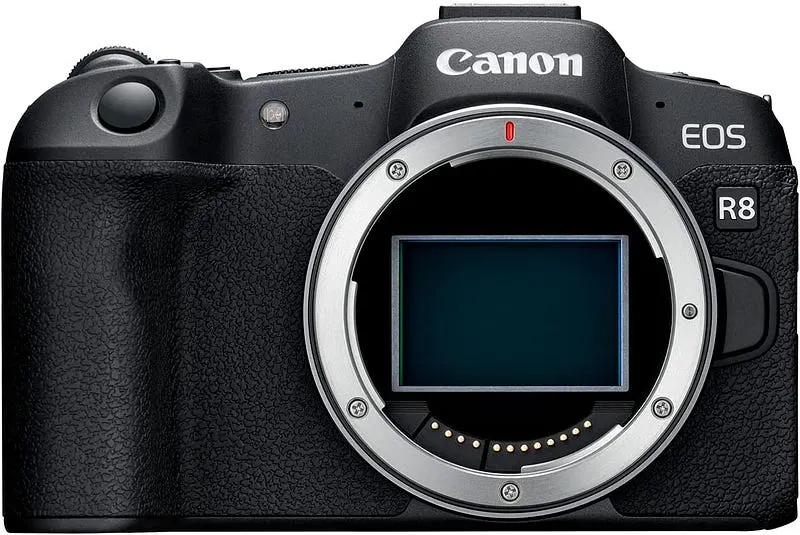
Best Full-Frame Camera for Beginners: Top Picks & Sensor Comparison
Best Full-Frame Camera for Beginners: Canon EOS R8, Nikon Z5 and Sony A7C II compared on features, price and who each one suits.
Best Camera for Sports Photography Beginners (2026)
Canon EOS R10, Sony A6400, Nikon Z50 or Fujifilm X-S20 for a first sports camera? Burst rate, autofocus and price compared, with a quick verdict.
Best Mirrorless Camera for Beginners
Comparing Sony a6000, Canon EOS M50 Mark II and Fujifilm X-T200 for Mirrorless Camera for Beginners — sensor specs, autofocus, pricing.
Best DSLR Cameras for Beginners: (Guide & Reviews)
Best DSLR Cameras for Beginners — Canon EOS Rebel T7, Nikon D3500 and Canon EOS Rebel T8i compared, with pros, cons and who should buy which.
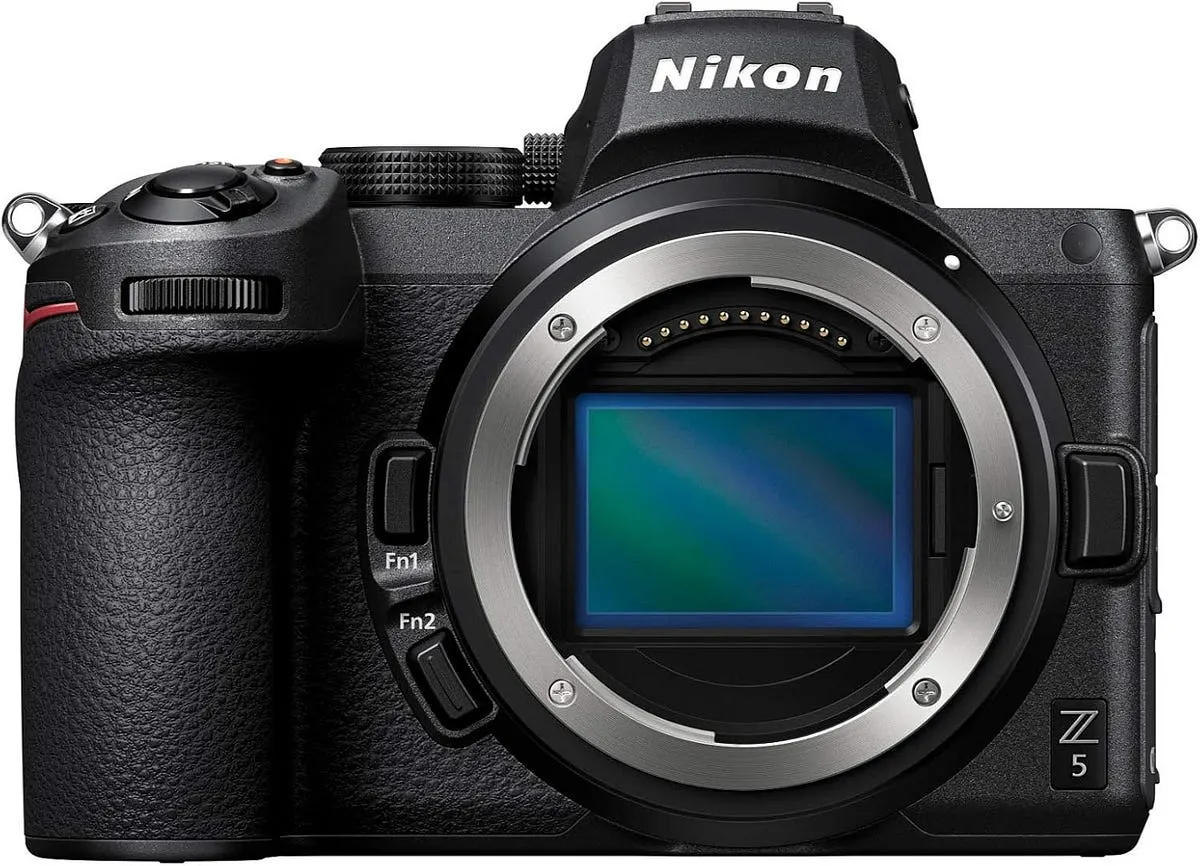
Best Full Frame Mirrorless Camera for Beginners Nikon
Best Full Frame Mirrorless Camera for Beginners Nikon: key features, strengths, drawbacks and who should buy the Nikon Z5.