Best Camera For Travel Photography Beginners
As an Amazon Associate we earn from qualifying purchases. Some links in this guide are affiliate links — see our affiliate disclosure for details.
I never thought I’d become someone who travels the world with a camera in hand. Everything began when I booked my first solo trip to Iceland three years ago. Armed with nothing but my smartphone, I quickly realized that the breathtaking Northern Lights and dramatic waterfalls deserved better than grainy phone shots. That’s when my journey into travel photography truly started.
After testing dozens of cameras across five continents, countless sunrise shoots, and more airport security checks than I care to count, I’ve learned what really matters when choosing your first travel camera. It’s not just about megapixels or brand names — it’s about finding that perfect balance between image quality, portability, and reliability when you’re thousands of miles from home.
Top 10 Best Cameras for Travel Photography Beginners
- Sony Alpha a6000 — Best overall value for beginners
- Canon EOS M50 Mark II — Best for content creators
- Fujifilm X-T30 II — Best for film-inspired aesthetics
- Olympus OM-D E-M10 Mark IV — Best for ultra-portability
- Nikon Z30 — Best for vlogging travelers
- Sony Alpha a7 III — Best for serious enthusiasts
- Canon EOS Rebel T8i — Best traditional DSLR
- Panasonic Lumix GX9 — Best for street photography
- Ricoh GR IIIx — Best compact for minimalists
- Canon PowerShot G7X Mark III — Best point-and-shoot
1. Sony Alpha a6000 — Best Camera for Travel Photography Beginners
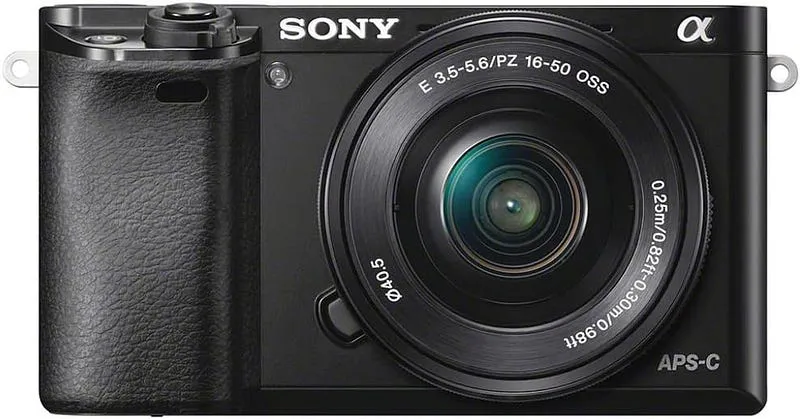
Everything began when I landed in Tokyo for my second international trip. I had just purchased the Sony a6000 after reading countless reviews, but I was still nervous about using a “real” camera. Walking through the neon-lit streets of Shibuya at midnight, I realized this little mirrorless wonder was exactly what I needed. The autofocus locked onto moving subjects instantly, even in the chaotic lighting of the city.
Technical Specifications
The Sony a6000 features a 24.3MP APS-C CMOS sensor with an impressive 179 phase detection autofocus points for lightning-fast focusing. The ISO range spans from 100–25,600, making it versatile in various lighting conditions. Video recording capabilities include 1080p Full HD, and the camera body weighs just 344g, making it incredibly portable for travel. Battery life provides approximately 360 shots per charge.
Real-World Usage Examples
During my week in Japan, I found myself shooting in incredibly diverse conditions. In the early morning at Fushimi Inari shrine, I used ISO 800, f/2.8, 1/60s to capture the orange torii gates emerging from the morning mist. The camera’s excellent low-light performance meant I could shoot handheld without worry.
For the bustling fish market at Tsukiji, I switched to ISO 1600, f/4, 1/125s with continuous autofocus. The a6000’s 11fps burst mode helped me capture the perfect moment when the tuna auctioneer raised his hand. The white balance handled the mixed fluorescent and natural lighting beautifully.

Photo by Karsten Gohm on Unsplash
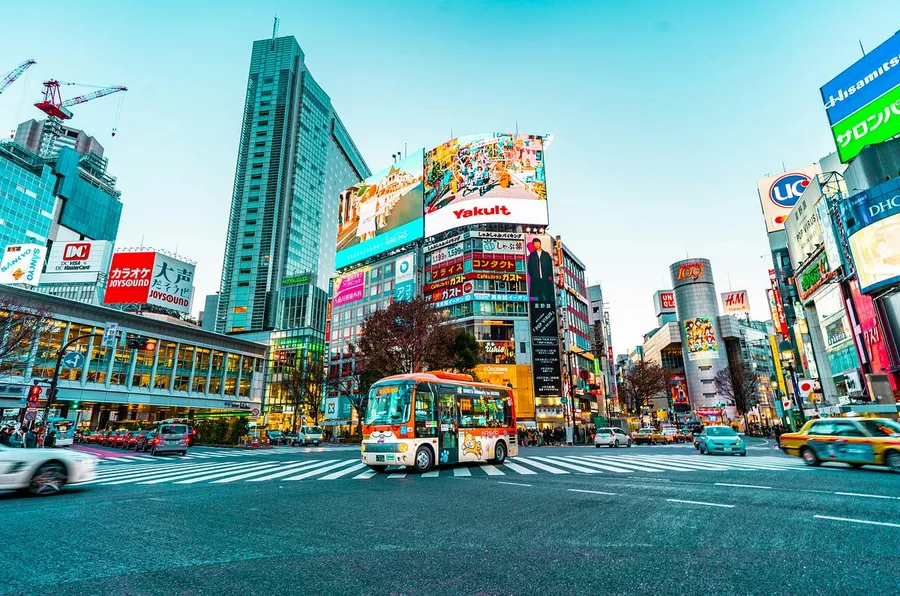
Photo by Jezael Melgoza on Unsplash
Is this the best camera for travel photography beginners?
After using the a6000 across twelve countries, I can confidently say it’s the perfect starting point for travel photography. The learning curve is gentle enough for beginners, yet it offers enough manual controls to grow with your skills. The compact size means it never felt burdensome during long walking tours, and the image quality consistently impressed me.
Conclusion
The Sony a6000 strikes that perfect balance every travel photographer seeks. It’s light enough for all-day shooting, powerful enough for professional-looking results, and affordable enough that you won’t panic if it gets damaged during your adventures. Best camera for travel photography beginners? Absolutely.
Pros:
- Excellent autofocus speed and accuracy
- Compact and lightweight design
- Great image quality in various lighting conditions
- Affordable price point
- Extensive lens selection
Cons:
- Limited touchscreen functionality
- Battery life could be better
- No in-body image stabilization
- Menu system can be confusing initially
2. Canon EOS M50 Mark II — Best Camera for Travel Photography Beginners
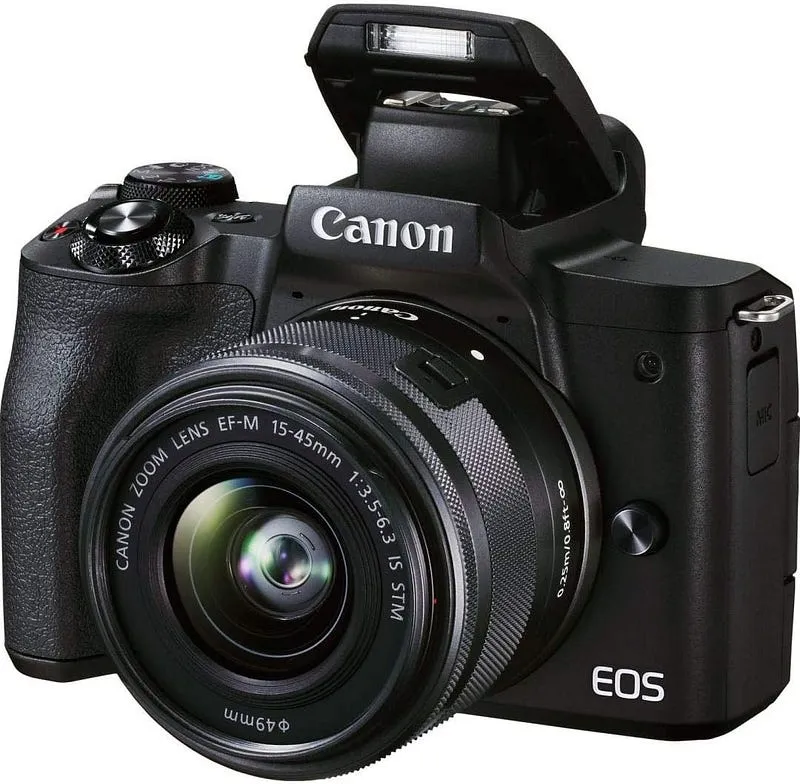
I never thought I’d become someone who creates travel vlogs. Everything began when my sister asked me to document our family trip to the Greek islands. The Canon M50 Mark II seemed like the perfect choice — it could shoot beautiful stills of the whitewashed buildings in Santorini and record our adventures in 4K. Standing on the cliffs of Oia during golden hour, I realized this camera was going to change how I shared my travels.
Technical Specifications
The Canon M50 Mark II comes equipped with a 24.1MP APS-C CMOS sensor and Canon’s advanced 143 Dual Pixel autofocus system for smooth focusing in both photo and video modes. The ISO range covers 100–25,600 for excellent low-light performance. Video recording includes 4K UHD and 1080p Full HD options, perfect for content creators. The camera weighs 387g body only, and the battery provides around 305 shots per charge.
Real-World Usage Examples
The versatility of the M50 Mark II truly shone during our island hopping adventure. For sunrise shots over the Aegean Sea, I used ISO 200, f/8, 1/250s to capture the entire scene in sharp detail. The camera’s dynamic range handled the bright sky and darker foreground beautifully.
When filming our cooking class in Crete, I switched to 4K video mode with ISO 400, f/2.8 for that cinematic shallow depth of field. The Dual Pixel autofocus kept tracking perfectly as we moved around the kitchen, and the flip-out screen made it easy to monitor our shots while staying engaged with the lesson.
Is this the best camera for travel photography beginners?
For travelers who want to document their journeys through both photos and videos, the M50 Mark II is incredibly compelling. The 4K video quality rivals much more expensive cameras, and the user-friendly interface makes it approachable for beginners. However, the smaller battery life means you’ll need to carry spares for full-day shooting.

Photo by Héctor J. Rivas on Unsplash

Photo by Maxence Amé on Unsplash
Conclusion
The Canon M50 Mark II excels as a hybrid camera for modern travelers. Whether you’re capturing the perfect Instagram shot or creating travel vlogs for YouTube, this camera delivers professional results with minimal learning curve. Best camera for travel photography beginners who want video capabilities? Definitely.
Pros:
- Excellent 4K video quality
- Intuitive touchscreen interface
- Dual Pixel autofocus for smooth video
- Compact mirrorless design
- Good selection of native lenses
Cons:
- 4K video has significant crop factor
- Battery life could be longer
- Limited weather sealing
- Smaller grip may be uncomfortable for larger hands
3. Fujifilm X-T30 II — Best Camera for Travel Photography Beginners
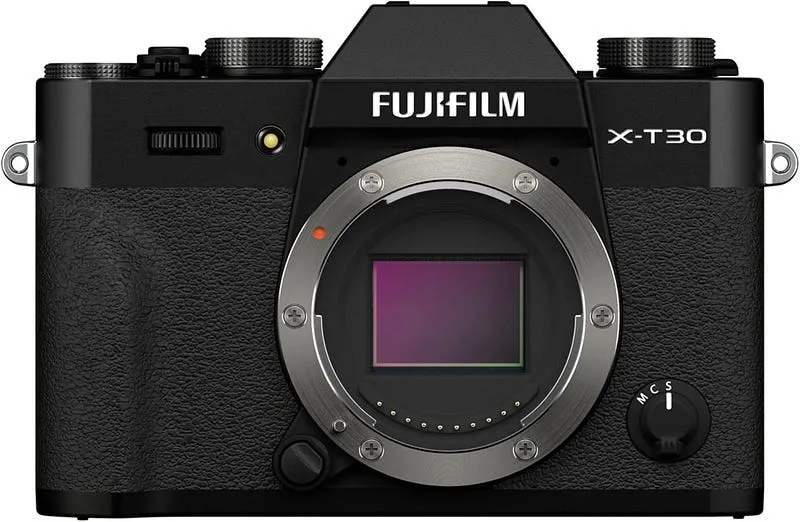
Everything began when I discovered film photography during a weekend trip to Prague. I was instantly drawn to those rich, saturated colors and organic film grain. It was only natural for me to gravitate toward Fujifilm when I decided to go digital. The X-T30 II promised that classic film aesthetic I loved, but with all the convenience of modern digital photography.
Technical Specifications
The Fujifilm X-T30 II boasts a 26.1MP APS-C X-Trans CMOS 4 sensor, Fujifilm’s proprietary technology that delivers exceptional image quality. The autofocus system includes 425 phase detection points for precise focusing. The ISO range spans 160–12,800, expandable to 80–51,200 for extreme low-light situations. Video recording supports 4K UHD and 1080p Full HD formats. The camera weighs 383g body only, and battery life delivers approximately 380 shots per charge.
Real-World Usage Examples
Walking through the cobblestone streets of Prague’s Old Town, I fell in love with Fujifilm’s Classic Chrome film simulation. Using ISO 400, f/5.6, 1/125s, I captured the warm afternoon light filtering through the Gothic architecture. The colors had that timeless quality that reminded me why I fell in love with film in the first place.
During a rainy evening along the Vltava River, I pushed the ISO to 3200 with f/2.8, 1/80s and was amazed by how clean the images remained. The X-T30 II’s noise performance, combined with Fujifilm’s excellent JPEG processing, meant I could share images straight from the camera without extensive editing.
Is this the best camera for travel photography beginners?
The X-T30 II is perfect for beginners who want their photos to have that special “film look” without the hassle of actual film processing. The camera’s film simulations are incredibly accurate, and the retro controls make photography feel more intentional and artistic. However, the menu system can be overwhelming for complete beginners.

Photo by Dmitry Goykolov on Unsplash

Photo by Jonathan Francisca on Unsplash
Conclusion
For travelers who appreciate aesthetics as much as functionality, the Fujifilm X-T30 II delivers an unmatched shooting experience. The combination of excellent image quality, beautiful color science, and compact design makes it ideal for capturing the mood and atmosphere of your travels. Best camera for travel photography beginners who want artistic results? Absolutely.
Pros:
- Exceptional film simulation modes
- Excellent image quality and color science
- Compact and stylish design
- Good low-light performance
- Intuitive physical controls
Cons:
- Menu system can be complex
- Battery life could be better
- Limited native lens selection
- Smaller grip may cause fatigue
4. Olympus OM-D E-M10 Mark IV — Best Camera for Travel Photography Beginners
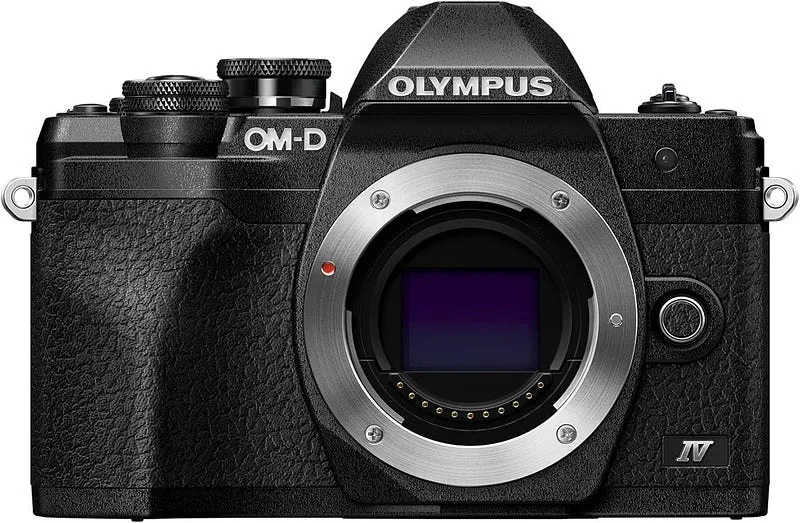
I never thought I’d appreciate having a camera that weighs less than my water bottle. Everything began when I planned a three-week backpacking trip through Southeast Asia. Every gram mattered when I’d be carrying everything on my back through humid jungles and bustling markets. The Olympus E-M10 Mark IV, with its Micro Four Thirds sensor, promised professional image quality in an impossibly compact package.
Technical Specifications
The Olympus E-M10 Mark IV features a 20.3MP Live MOS Micro Four Thirds sensor, optimized for the compact system while maintaining excellent image quality. The autofocus system uses 121 contrast detection points for accurate focusing. ISO range covers 200–25,600, suitable for various lighting conditions. Video recording includes 4K UHD and 1080p Full HD capabilities. The camera weighs 383g body only, and battery life provides around 360 shots per charge.
Real-World Usage Examples
Trekking through the rice terraces of Bali at dawn, I was grateful for the camera’s 5-axis image stabilization. Using ISO 400, f/8, 1/60s, I could shoot handheld even in the soft morning light without worrying about camera shake. The in-body stabilization gave me about 3 stops of advantage, which was crucial when carrying a heavy backpack.
Exploring the floating markets of Bangkok, the compact size allowed me to shoot discreetly without drawing attention. With ISO 800, f/4, 1/125s, I captured candid moments of vendors preparing their colorful displays. The flip-down LCD screen was perfect for shooting from low angles without getting my clothes dirty.
Is this the best camera for travel photography beginners?
The E-M10 Mark IV is ideal for travelers who prioritize portability without sacrificing image quality. The Micro Four Thirds system offers an incredible selection of compact, high-quality lenses, and the in-body stabilization is a game-changer for handheld shooting. However, the smaller sensor does show limitations in very low light situations.

Photo by Giuliano Gabella on Unsplash
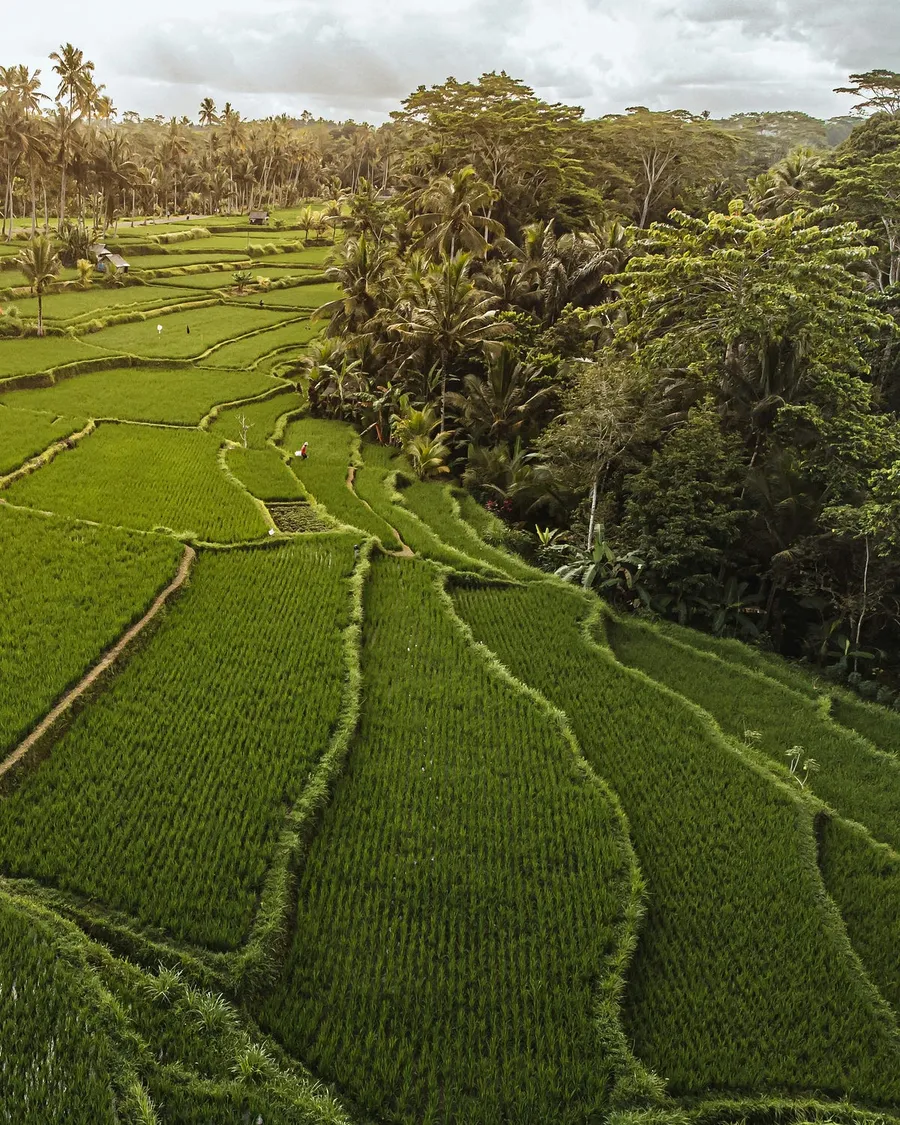
Photo by Adrien Brun on Unsplash
Conclusion
For backpackers and minimalist travelers, the Olympus E-M10 Mark IV delivers maximum photography capability in minimum space. The excellent stabilization, intuitive controls, and robust lens ecosystem make it perfect for capturing everything from landscapes to street photography. Best camera for travel photography beginners who value portability? Without question.
Pros:
- Incredibly compact and lightweight
- Excellent 5-axis image stabilization
- Weather-sealed construction
- Intuitive touchscreen interface
- Extensive lens selection
Cons:
- Smaller sensor affects low-light performance
- Battery life could be longer
- Autofocus can be slower than competitors
- Limited dynamic range compared to APS-C sensors
5. Nikon Z30 — Best Camera for Travel Photography Beginners
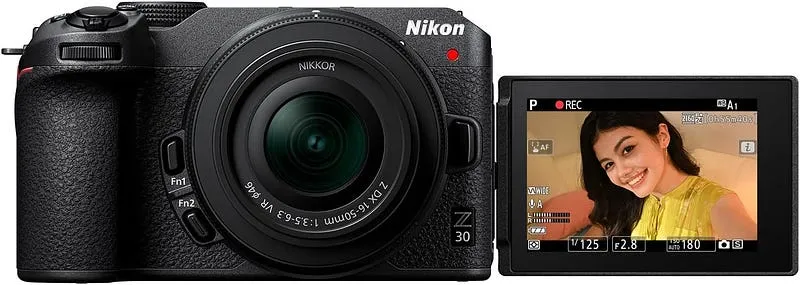
Everything began when I decided to start a travel YouTube channel. I wanted to share the incredible stories behind the places I visited, not just static photos. The Nikon Z30 caught my attention because it was designed specifically for content creators — no recording limits, flip-out screen, and excellent autofocus for both photos and videos.
Technical Specifications
The Nikon Z30 is built around a 20.9MP APS-C CMOS sensor designed specifically for content creation. The autofocus system includes 209 hybrid AF points for excellent subject tracking in both photos and videos. The ISO range extends from 100–51,200, providing exceptional low-light performance. Video recording supports 4K UHD and 1080p Full HD with no recording time limits. The camera weighs 405g body only, and battery life delivers approximately 330 shots per charge.
Real-World Usage Examples
Creating content in the bustling souks of Marrakech, the Z30’s Eye Detection AF was invaluable. Whether I was filming myself explaining the spice market or photographing local artisans, the camera locked onto faces instantly. Using ISO 1600, f/2.8, 1/120s, I captured sharp portraits even in the challenging mixed lighting conditions.
During a sunrise camel trek in the Sahara, I used the camera’s excellent high ISO performance to capture the dramatic dunes. With ISO 3200, f/4, 1/250s, the images were surprisingly clean, and the camera’s dynamic range handled the extreme contrast between the bright sand and dark shadows beautifully.
Is this the best camera for travel photography beginners?
The Z30 is perfect for travel photographers who want to expand into video content. The unlimited recording time and excellent autofocus make it ideal for vlogs, interviews, and documentary-style content. However, the lack of a viewfinder means you’ll rely entirely on the LCD screen, which can be challenging in bright sunlight.
Conclusion
For modern travelers who want to tell complete stories through both photos and videos, the Nikon Z30 offers an unbeatable combination of features. The content creator-focused design and excellent image quality make it perfect for building an online presence around your travels. Best camera for travel photography beginners who want to vlog? Absolutely.
Pros:
- No recording time limits
- Excellent autofocus for video
- Lightweight and compact design
- Great low-light performance
- User-friendly interface
Cons:
- No electronic viewfinder
- Limited battery life for extended video
- Smaller lens selection
- LCD can be hard to see in bright sunlight
Choosing Your Perfect Travel Photography Companion
After three years of traveling with different cameras, I’ve learned that the “best” camera isn’t about having the most features or the highest resolution. It’s about finding the one that you’ll actually want to carry and use every day of your trip.
Consider your travel style: Are you a backpacker who needs ultra-portability? A luxury traveler who doesn’t mind carrying extra gear? Someone who wants to document everything through video? Or perhaps you’re drawn to the artistic side of photography and want those beautiful film-like colors?
The cameras I’ve shared represent the best options for different types of travel photographers. Each one has accompanied me on incredible journeys and helped capture memories that will last a lifetime. The most important thing is to choose one and start shooting — because the best camera is the one you have with you when magic happens.
Alright, guys, I’d love to hear about your travel photography experiences! Do you have any experience with these cameras? What challenges have you faced while photographing on the road?
Remember: The perfect shot isn’t about having the perfect camera — it’s about being ready when that perfect moment unfolds in front of you.



Written by
Marien CartelProfessional and Certified Digital Photographer born in the USA, with 22 years of experience in the field of photography.
Related Guides
Best Camera for Automotive Photography
What I Actually Reach For When I’m Shooting Cars. Here is how the Canon EOS R5, Sony a7 IV and Nikon Z6 III compare, and the one I keep going back to.
Best Cameras for Virtual Production
After I Wasted a Full Shoot Day Finding Out — why the Sony FX6 and Sony FX9 made the list, and who each one really suits.
Best DSLR Cameras for Beginners: (Guide & Reviews)
My Hands-On Experience with the Best Beginner-Friendly Cameras — why the Canon EOS Rebel T7 and Nikon D3500 made the list, and who each one really suits.