What camera do you use for travel photography
As an Amazon Associate we earn from qualifying purchases. Some links in this guide are affiliate links, see our affiliate disclosure for details.
Top Picks for travel photography
A compact full-frame mirrorless camera such as the Sony A7C is a strong travel choice: it combines a 24.2-megapixel full-frame sensor, in-body image stabilization and a small body, and it works with Sony's full range of E-mount lenses. The specific model matters less than understanding the gear, being present in the moment, connecting with subjects and developing a personal vision. This guide describes a travel kit built around the A7C, with lenses, accessories and backup tips that apply to most cameras.
Why a compact full-frame body?
Travel photography rewards cameras that are light, versatile and reliable. A compact full-frame body gives strong low-light performance for temples, markets and evenings, and it can use a wide choice of lenses. The Sony A7C is built around a small body, so it fits into everyday bags more easily than a typical full-frame DSLR. It has a single card slot, so backing up photos each day matters.
The lens trinity
A small set of lenses covers most travel situations:
- A wide-angle zoom or prime for landscapes, architecture and tight interiors, such as ancient temples, narrow streets and cathedrals.
- A standard zoom or 35mm prime for street photography, markets and environmental portraits of local artisans.
- An 85mm f/1.8 prime for portraits with soft backgrounds, details and textures in markets, and food photography in dimly lit restaurants.
A kit of two or three lenses covers most needs while keeping weight reasonable. For specific lens suggestions, see the best travel lenses for the Sony A7 IV and the best travel lens for Sony full frame.
The unexpected hero: the phone camera
A phone is useful even when a camera is in the bag. It is handy for behind-the-scenes content for social media, quick time-lapses of city life and instant sharing with fellow travellers. It is also the camera that is always in the pocket.
Essential accessories
- A camera backpack or sling with side access means no missed moments, weatherproof construction and an inconspicuous look that does not signal expensive gear.
- Filters. A polarizing filter deepens skies and reduces reflections on water, an ND filter allows long exposures of waterfalls, and a UV or clear filter protects the front of the lens.
- Portable power. Two spare batteries, a power bank of around 20,000 mAh and international plug adapters keep everything running.
- Storage. Extra memory cards and a portable drive or cloud backup protect the photos.
Backup strategy
Back up every day. Copy photos to a portable drive or upload them to cloud storage at the hotel. Cameras with two card slots can record to both cards, and those with one card slot, such as the A7C, depend more on daily backups.
The real secret
The specific camera model matters far less than:
- Understanding the gear inside and out
- Being present in the moment
- Connecting with the subjects
- Developing a unique vision
For more on planning, see the best travel photography tips, the best camera for travel photography for beginners, and the best Sony cameras for travel.
Frequently asked questions
Is full frame necessary for travel photography? No. APS-C and compact cameras are lighter, and many travel photographers prefer them.
How many lenses should I take? Two or three covers most situations. More lenses add weight and complexity.
How should I protect my gear? Use a padded bag, a rain cover and a lens hood, and avoid leaving gear visible in vehicles.
Should I shoot RAW while travelling? RAW preserves editing options, but files are larger, so bring enough storage.
Camera & Lens Settings by Real-World Use Case
Match your focal length, aperture, shutter speed, and lighting modifier to the exact environment you shoot in.
Street Photography, Japan/Europe Trips & Backpacking
- Best Body:
- Fujifilm X100VI / Ricoh GR III / Fujifilm X-T30 II / Sony a6700
- Ideal Lens:
- 23mm f/2 or 27mm f/2.8 Pancake (APS-C) — 35mm to 40mm equivalent
- Aperture & Shutter:
- f/2.0 (neon night street) or f/5.6 – f/8 (sunny zone-focusing from 2m to infinity) · 1/250s – 1/500s (freezes pedestrians mid-stride)
- Room Distance:
- 1.5m – 5m (candid street distance)
DJ Sets, Boiler-Room Booths & Nightlife Video
- Best Body:
- Sony a7 III / Sony ZV-1 / GoPro HERO 13 (crowd B-cam)
- Ideal Lens:
- 24mm f/1.8 or 16–35mm f/2.8 (tight DJ booth) + 35mm f/1.4 (crowd)
- Aperture & Shutter:
- f/1.4 – f/2.8 · 1/50s – 1/60s (video) or 1/200s (stills)
- Room Distance:
- 0.8m – 1.5m clamped to booth truss or heavy weighted stand (isolated from subwoofers)
Tattoo Artists & Micro-Realism Portfolios
- Best Body:
- Sony Alpha a7 III / Fujifilm X-T4
- Ideal Lens:
- 90mm f/2.8 Macro (detail) or 50mm f/1.8 (sleeves & back pieces)
- Aperture & Shutter:
- f/5.6 – f/8 (keeps curved forearms and calves sharp edge-to-edge) · 1/125s – 1/200s handheld (or 1/60s on tripod)
- Room Distance:
- 0.4m – 1.5m (1.5 to 5 ft)

Written by
Marien CartelMarien Cartel runs Marien Cartel Photography, a camera and lens buying-guide site, and photographs the gear shown on it.
Related Guides
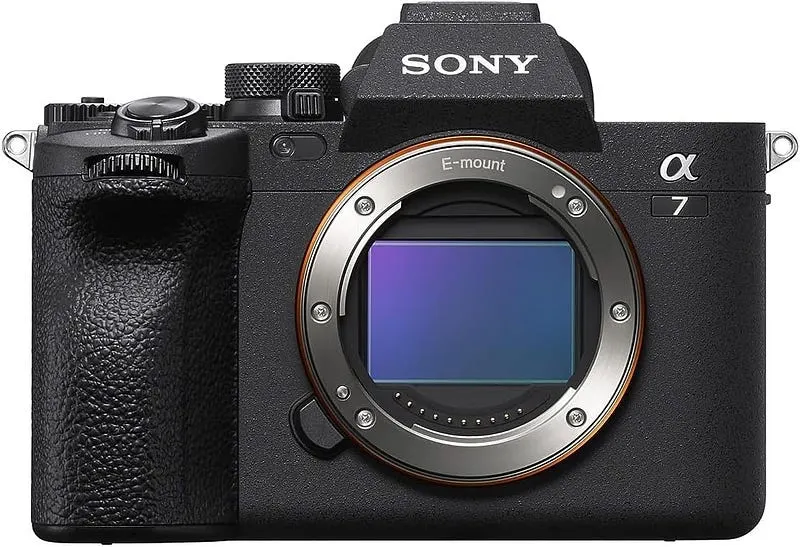
Best Travel Lenses for Sony a7 IV: Top Optics by Budget & Use Case
Best Travel Lenses for Sony a7 IV: Sony FE 24–105mm f/4 G and Sony FE 16–35mm f/2.8 GM evaluated side by side on specs, lens options, and value for money.
What do you value most in your travel photography
Explore how storytelling, local light, candid cultural moments, and compact camera choices shape meaningful travel photography beyond postcard clichés.
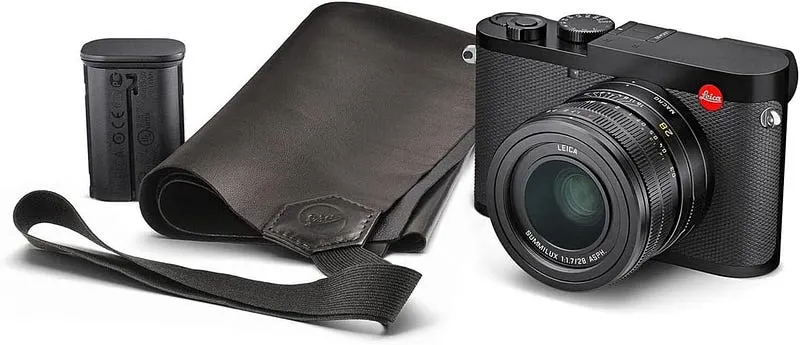
Best Leica Camera for Travel: Top Picks & Sensor Comparison
Best Leica Camera for Travel — what the Leica Q2 offers, where it falls short, and whether it is worth buying.
Best 4K Travel Camera for Every Journey
Best 4K Travel Camera for Every Journey buying guide: Canon EOS R8, Sony ZV-1 II and GoPro Hero 12 Black compared on image quality, autofocus, build, and price.
Best Sony Cameras for Travel: Recommended Bodies & Kit Lenses
Best Sony Cameras for Travel: Sony Alpha a7C II, Sony Alpha a6700 and Sony RX100 VII compared on features, price and who each one suits.
Best Canon Cameras for Travel Photography
Best Canon Cameras for Travel Photography — Canon EOS 5D Mark IV, Canon EOS 6D Mark II and Canon EOS 80D compared, with pros, cons and who should buy which.