Best Camera Lens for Everyday Use: Prime & Zoom Options Compared
As an Amazon Associate we earn from qualifying purchases. Some links in this guide are affiliate links, see our affiliate disclosure for details.
Top Picks & Key Specifications at a Glance
| Model | Best For | Mount / System | Key Optical & Sensor Specs | Check Price |
|---|---|---|---|---|
1Go-to lens: the 35mm f/1.4 | Top Overall Pick | Interchangeable-Lens System | Full-Frame · 35mm · f/1.4 | Amazon ↗ |
2Alternatives for flexibility | Recommended Pick | Interchangeable-Lens System | 24-70mm · f/2.8 | Amazon ↗ |
How to Choose Gear for everyday photography
A 35mm f/1.4 prime is a strong all-round everyday lens: it is wide enough for street scenes and rooms, narrow enough for family portraits, and bright enough for dim cafes and evenings. If a prime feels too restrictive, a 24-70mm f/2.8 zoom is the professional workhorse (heavier), a 24-105mm f/4 adds reach for travel, and a 50mm f/1.8 is the cheaper prime. The right choice depends on the camera system, the budget and how much weight is acceptable.
What does an everyday lens need?
- A flexible field of view. It should handle people, streets, rooms and landscapes.
- A wide aperture. It allows low-light shots without high ISO noise.
- Light weight. A lens that is easy to carry gets used.
- Sharp results. Good image quality at common apertures.
- Reasonable cost. An everyday lens should be affordable enough to leave on the camera.
Go-to lens: the 35mm f/1.4
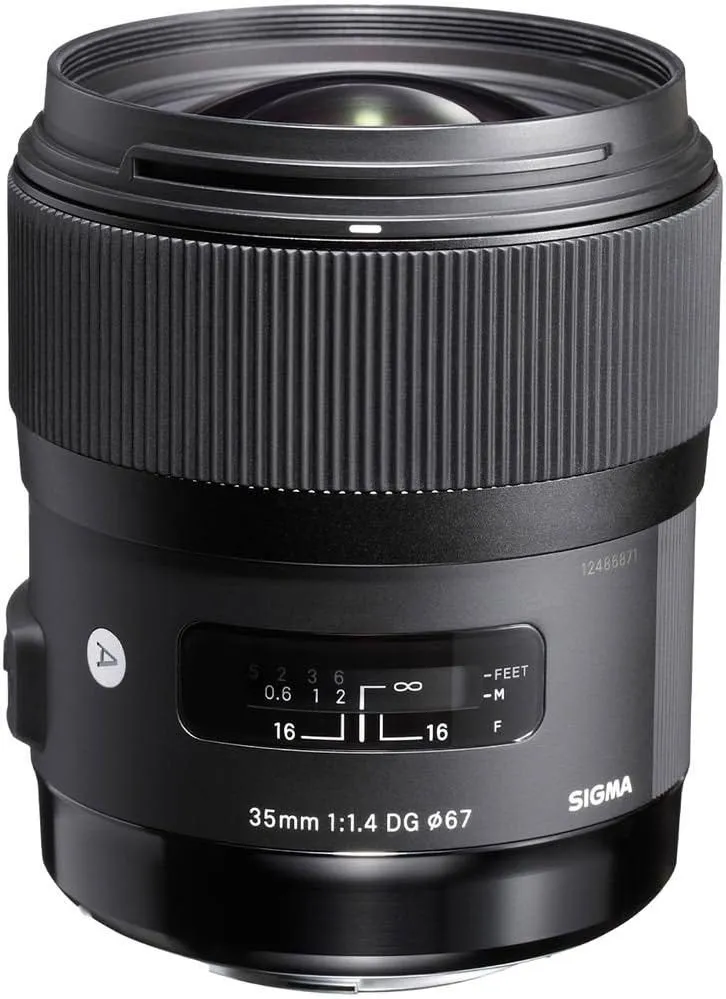
A 35mm f/1.4 lens is a favourite for everyday photography.
- Versatility. From environmental portraits to street scenes, family moments and food, the focal length handles most subjects.
- Low-light performance. An f/1.4 aperture suits dimly lit cafes, evening cityscapes and indoor gatherings, with less grain than a slower lens.
- Background blur. The wide aperture separates subjects from the background, even though 35mm is not a traditional portrait length.
- Natural view. It frames close to how people see a scene while walking around.
On an APS-C camera, a 35mm lens frames like about 52mm on full frame, so choose a 23mm or 24mm lens for the same view as 35mm on full frame.
Alternatives for flexibility
If a prime feels restrictive, consider these everyday zooms:
- 24-70mm f/2.8 — the professional workhorse with a constant bright aperture, but heavy.
- 24-105mm f/4 — great for travel, with extra reach and a lighter build.
- 50mm f/1.8 — a cheaper, sharp prime and a good place to start.

Photo by Anna Storsul on Unsplash
How do the options compare?
| Lens | Strength | Trade-off |
|---|---|---|
| 35mm f/1.4 | Low light and versatility | Larger and costlier than slower primes |
| 24-70mm f/2.8 | Range and bright aperture | Heavy and expensive |
| 24-105mm f/4 | Reach and travel use | Slower aperture |
| 50mm f/1.8 | Low cost and sharpness | Fixed focal length |

Photo by Max Sandelin on Unsplash
How to choose
- Pick the focal length first. 35mm suits street and family life; 24-70mm suits varied work; 50mm suits portraits.
- Match the camera. Mirrorless and DSLR systems each have their own lenses. See the best lens for mirrorless cameras.
- Consider weight. A lighter lens means the camera is more often with you. See the best walk-around lens for Nikon and the best travel lens for Sony full frame.
- Compare prime and zoom. Guide to prime vs zoom lenses lays out the trade-offs.

Photo by Navdeep Panwar on Unsplash
Frequently asked questions
Is 35mm or 50mm better for everyday use? 35mm shows more of the scene and suits street and indoor use. 50mm is tighter and better for portraits.
Is a zoom better than a prime for everyday use? A zoom is more flexible, and a prime is lighter and brighter. Many people carry both.
What aperture do I need? f/1.8 to f/2.8 is bright enough for most indoor and evening shots.
Does the 35mm focal length work on APS-C cameras? Yes, but it frames closer, like a 50mm lens on full frame.
Camera & Lens Settings by Real-World Use Case
Match your focal length, aperture, shutter speed, and lighting modifier to the exact environment you shoot in.
YouTube Talking-Head, Podcasting & Desk Streaming
- Best Body:
- Sony ZV-E10 II / Sony a6700 / Canon EOS R50
- Ideal Lens:
- Sigma 16mm f/1.4 DC DN (APS-C) or 24mm f/1.8 (Full Frame)
- Aperture & Shutter:
- f/1.4 – f/2.0 (separates speaker from a close desk wall within 4 feet) · 1/50s (for 24fps) or 1/60s (for 30fps) — 180-degree shutter rule
- Room Distance:
- 0.8m – 1.4m (2.5 to 4.5 ft desk arm mount)
Wildlife, Safari, Whale Watching & Birds in Flight
- Best Body:
- Canon EOS R7 / Nikon Z8 / Sony a6700 / OM System OM-1 Mark II
- Ideal Lens:
- 100–400mm, 150–600mm, or Nikon Z 180–600mm f/5.6–6.3 VR
- Aperture & Shutter:
- f/5.6 – f/8 (wide open on super-telephotos for maximum shutter speed) · 1/1000s (whales/bears from a moving boat) to 1/2000s – 1/3200s (birds in flight)
- Room Distance:
- 10m – 80m+
Street Photography, Japan/Europe Trips & Backpacking
- Best Body:
- Fujifilm X100VI / Ricoh GR III / Fujifilm X-T30 II / Sony a6700
- Ideal Lens:
- 23mm f/2 or 27mm f/2.8 Pancake (APS-C) — 35mm to 40mm equivalent
- Aperture & Shutter:
- f/2.0 (neon night street) or f/5.6 – f/8 (sunny zone-focusing from 2m to infinity) · 1/250s – 1/500s (freezes pedestrians mid-stride)
- Room Distance:
- 1.5m – 5m (candid street distance)

Written by
Marien CartelMarien Cartel runs Marien Cartel Photography, a camera and lens buying-guide site, and photographs the gear shown on it.
Related Guides
Best Lenses for Interior Photography: Prime & Zoom Options Compared
Best Lenses for Interior Photography: Canon R6 Mark II and Canon EOS R6 Mark II compared on features, price and who each one suits.
Best Lenses for Sony FX3: Prime & Zoom Options Compared
Best Lenses for Sony FX3 buying guide: Sony FE 24–70mm f/2.8 GM and Sony FE 16–35mm f/2.8 GM compared on image quality, autofocus, build, and price.
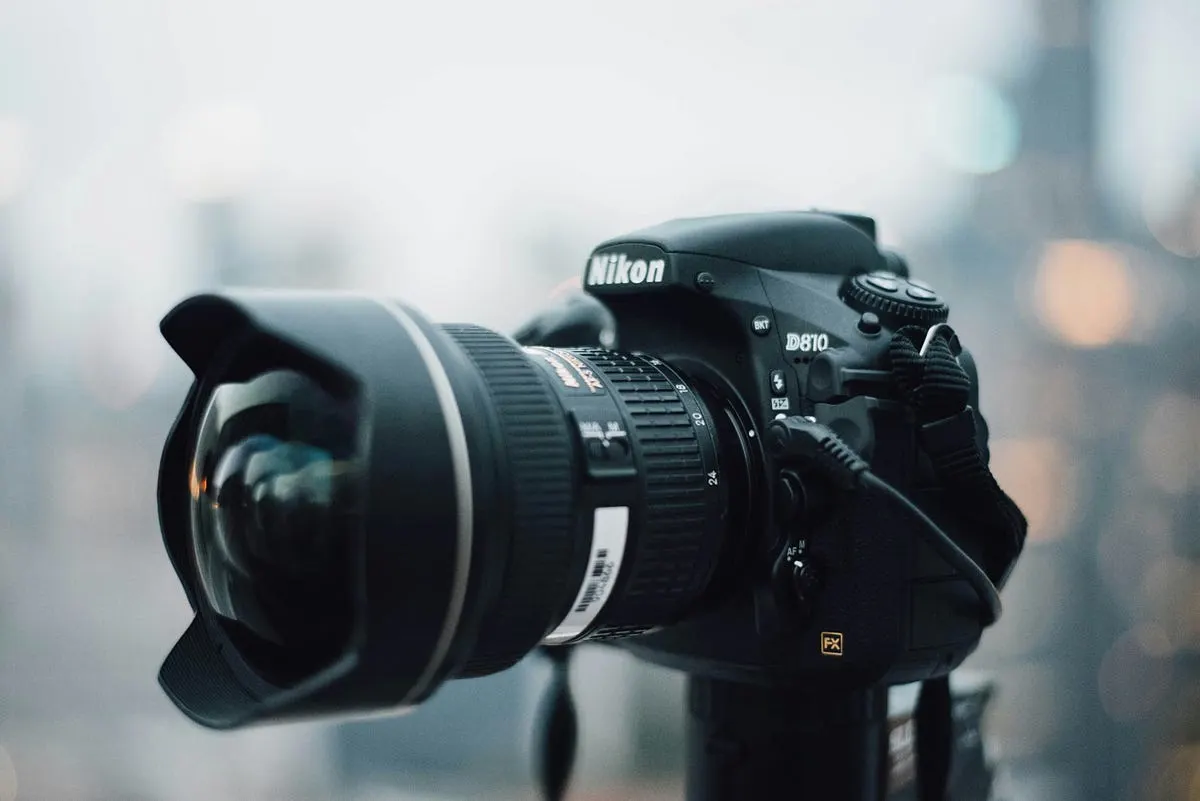
Best Nikon lenses for Beginners: Prime & Zoom Options Compared
Best Nikon lenses for Beginners: Nikon Z 40mm f/2, Nikon Z 50mm f/1.8 S and Nikon Z 24–70mm f/4 S compared on features, price and who each one suits.
Best Lens for Landscape Photography: Prime & Zoom Options Compared
Comparing Canon 16–35mm f/4L IS USM and Sony, that 16–35mm f/2.8 GM for Lens for Landscape Photography — sensor specs, autofocus, pricing.
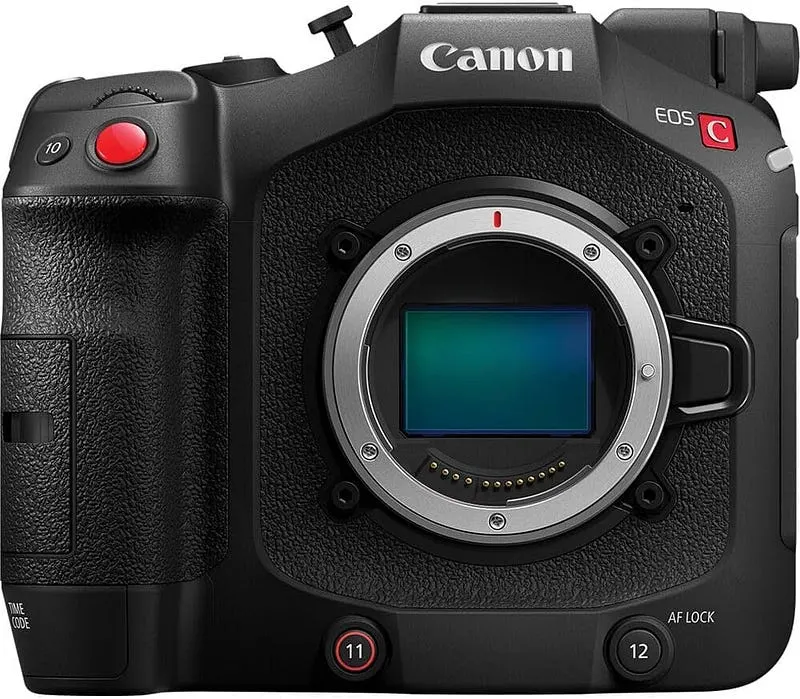
Best Lenses for Canon EOS C80: Prime & Zoom Options Compared
Best Lenses for Canon EOS C80: Canon RF 35mm f/1.4 L and Canon RF 50mm f/1.2L USM compared on features, price and who each one suits.
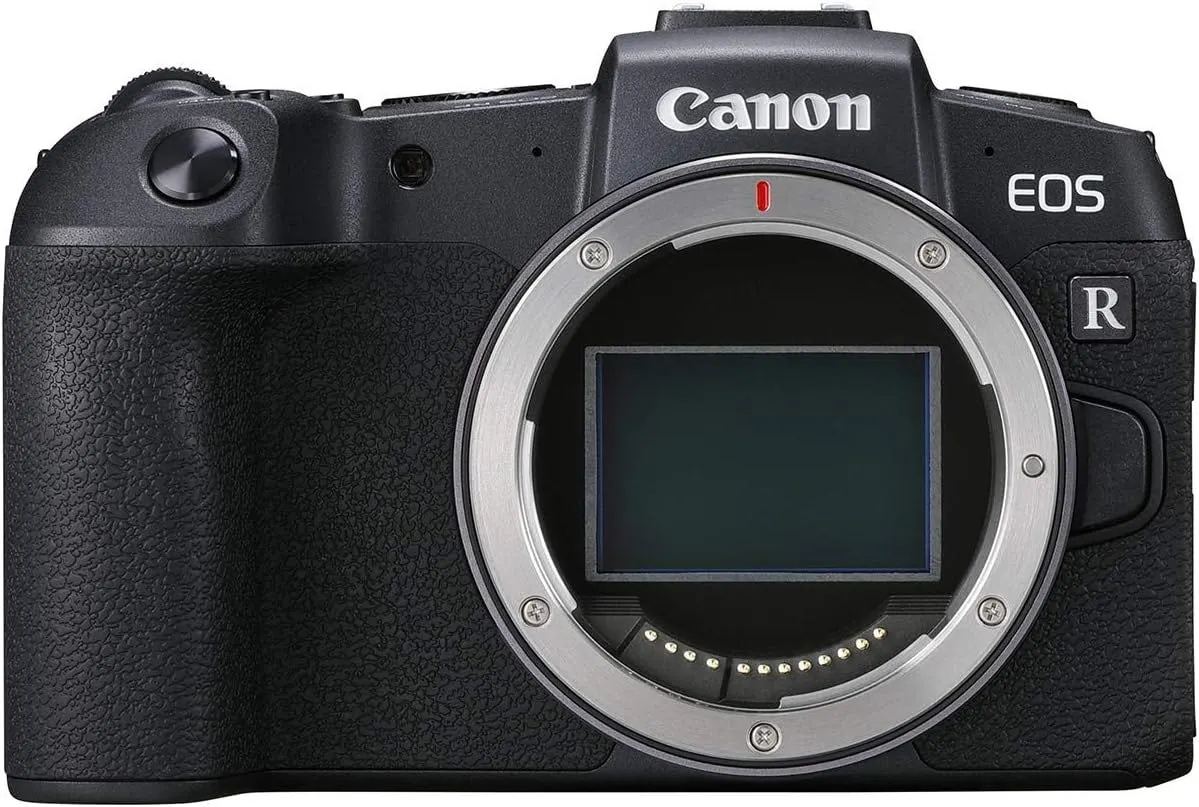
Top 7 Best lens for Canon EOS RP: Prime & Zoom Options Compared
Which lens for Canon EOS RP is worth buying? See how Canon 24–105mm f/4, Canon 50mm f/1.2 and Canon 15–35mm f/2.8 stack up on specs, performance, and budget.