Best Lenses for Sony FX3: Prime & Zoom Options Compared
As an Amazon Associate we earn from qualifying purchases. Some links in this guide are affiliate links, see our affiliate disclosure for details.
Top Picks & Key Specifications at a Glance
| Model | Best For | Mount / System | Key Optical & Sensor Specs | Check Price |
|---|---|---|---|---|
1Sony FE 24 | 70mm f/2.8 GM | Sony FE E-Mount (Full Frame) | 24–70mm · f/2.8 | Amazon ↗ |
2Sony FE 16 | 35mm f/2.8 GM | Sony FE E-Mount (Full Frame) | 16-35mm · f/2.8 | Amazon ↗ |
3Sony FE 28 | 70mm f/3.5 - 5.6 OSS | Sony FE E-Mount (Full Frame) | 28-70mm · f/3.5-5.6 · Optical IS | Amazon ↗ |
How to Choose Gear for the Sony FX3
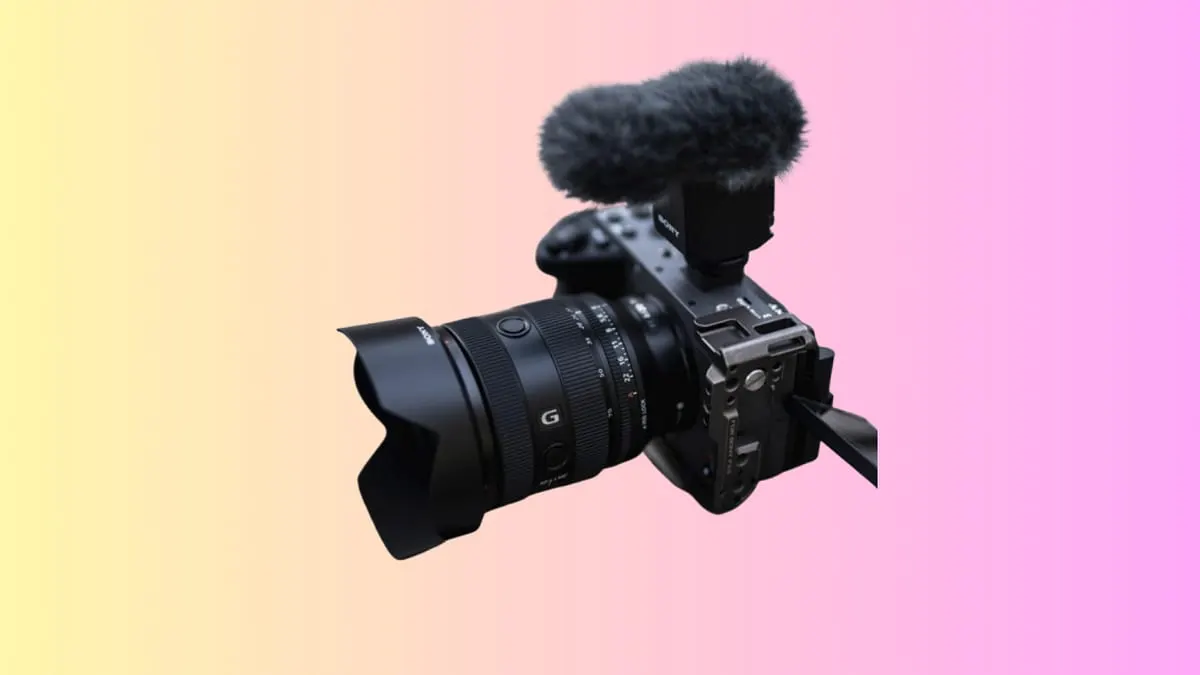
The Sony FE 24-70mm f/2.8 GM is the best all-round lens for the Sony FX3, and the FE 16-35mm f/2.8 GM is the best wide zoom. The FE 28-70mm f/3.5-5.6 OSS is the budget option for tight budgets. The FX3 is a full-frame Cinema Line camera with a 12-megapixel sensor and an E mount, so any full-frame FE lens works, and fast constant-aperture zooms and primes suit video best.
What should a lens for the FX3 offer?
The Sony FX3 is built for video, with a full-frame sensor and an E mount. Lens choices for it follow video priorities:
- Constant aperture. An f/2.8 zoom keeps exposure stable while zooming.
- Quiet, smooth autofocus. Autofocus motors that stay quiet avoid noise in recorded audio.
- Low focus breathing. Lenses that keep the same framing while changing focus look more professional.
- Weight and balance. A lighter lens is easier to hold on a gimbal or handheld rig.
- Full-frame coverage. APS-C lenses force a cropped mode on a full-frame camera.
Sony FE 24-70mm f/2.8 GM
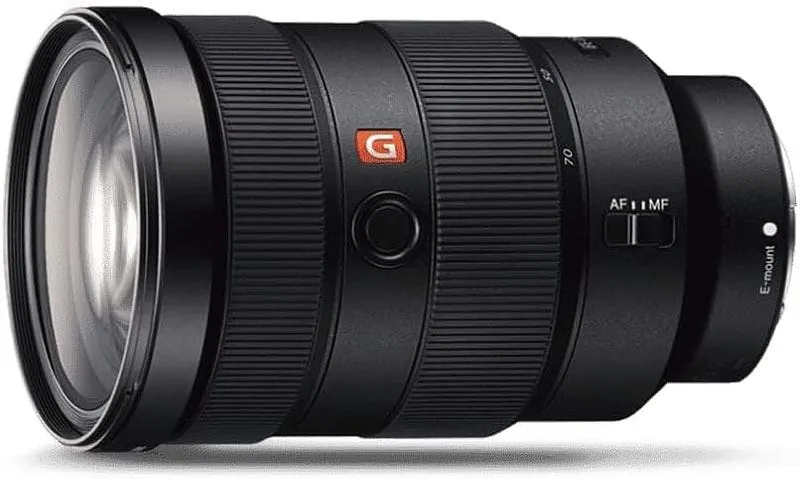
The Sony FE 24-70mm f/2.8 GM lens is a standard G Master zoom with a constant f/2.8 aperture. It is pricey, but it is very sharp, even at the edges of the frame, and its autofocus is fast and accurate. Sony has also released a newer, lighter version, the FE 24-70mm f/2.8 GM II, so check which one is on sale.
Sony FE 16-35mm f/2.8 GM
The Sony FE 16-35mm f/2.8 GM lens is the wide-angle companion for interiors, landscapes and tight locations. It is sharp and its autofocus is fast. A newer GM II version also exists, with a lighter body.
Sony FE 28-70mm f/3.5-5.6 OSS
For a more affordable option, consider the Sony FE 28-70mm f/3.5-5.6 OSS lens. It is a great value for the price. It is not as sharp as the more expensive lenses, and its variable aperture makes exposure shift while zooming, but it is still a very good performer for casual use.
Other lenses to consider
- Sony FE 85mm f/1.4 GM lens — a portrait prime with strong background blur.
- Sony FE 70-200mm f/2.8 GM OSS lens — a telephoto zoom for events and interviews from a distance.
- Sony FE 100-400mm f/4.5-5.6 GM OSS lens — a long zoom for wildlife and sport, heavy and costly.
- Tamron 17-28mm f/2.8 Di III RXD lens — a compact, lower-cost wide zoom for full frame.
- Sigma 16mm f/1.4 DC DN Contemporary lens — this is an APS-C lens, so on the FX3 the camera switches to a cropped Super 35 area. It is a good fit for the Sony FX30 instead; see the best lenses for the Sony FX30.
Which lens for which job?
| If you shoot | Best fit | Why |
|---|---|---|
| Interviews and general video | FE 24-70mm f/2.8 GM | Constant f/2.8 and a useful range |
| Interiors and landscapes | FE 16-35mm f/2.8 GM | Wide field of view |
| Portraits and cinematic depth | FE 85mm f/1.4 GM | Wide aperture |
| Events from a distance | FE 70-200mm f/2.8 GM OSS | Telephoto reach |
| Budget kit | FE 28-70mm f/3.5-5.6 OSS | Low cost and light |
How to choose
- Start with a standard zoom. A 24-70mm f/2.8 covers most situations.
- Add primes later. Fast primes help in low light and give a shallow depth of field.
- Check weights. A heavy lens strains handheld setups and gimbals.
- Compare with related guides. The best lenses for the Sony FX30 and the best lenses for videography on Sony have more options.
Frequently asked questions
Does the FX3 need a special lens? No. It uses the standard Sony E mount, and any FE lens works.
Can APS-C lenses be used on the FX3? They work, but the camera crops to a Super 35 area, so the image resolution and field of view change.
Is the G Master line worth the extra cost? G Master lenses are Sony's top optical line. They are sharper and often faster than cheaper options, so they suit professional video work.
Which lens suits run-and-gun shooting? A constant-aperture standard zoom such as the 24-70mm f/2.8 handles most situations without changing lenses.
Camera & Lens Settings by Real-World Use Case
Match your focal length, aperture, shutter speed, and lighting modifier to the exact environment you shoot in.
YouTube Talking-Head, Podcasting & Desk Streaming
- Best Body:
- Sony ZV-E10 II / Sony a6700 / Canon EOS R50
- Ideal Lens:
- Sigma 16mm f/1.4 DC DN (APS-C) or 24mm f/1.8 (Full Frame)
- Aperture & Shutter:
- f/1.4 – f/2.0 (separates speaker from a close desk wall within 4 feet) · 1/50s (for 24fps) or 1/60s (for 30fps) — 180-degree shutter rule
- Room Distance:
- 0.8m – 1.4m (2.5 to 4.5 ft desk arm mount)
Wildlife, Safari, Whale Watching & Birds in Flight
- Best Body:
- Canon EOS R7 / Nikon Z8 / Sony a6700 / OM System OM-1 Mark II
- Ideal Lens:
- 100–400mm, 150–600mm, or Nikon Z 180–600mm f/5.6–6.3 VR
- Aperture & Shutter:
- f/5.6 – f/8 (wide open on super-telephotos for maximum shutter speed) · 1/1000s (whales/bears from a moving boat) to 1/2000s – 1/3200s (birds in flight)
- Room Distance:
- 10m – 80m+
Tattoo Artists & Micro-Realism Portfolios
- Best Body:
- Sony Alpha a7 III / Fujifilm X-T4
- Ideal Lens:
- 90mm f/2.8 Macro (detail) or 50mm f/1.8 (sleeves & back pieces)
- Aperture & Shutter:
- f/5.6 – f/8 (keeps curved forearms and calves sharp edge-to-edge) · 1/125s – 1/200s handheld (or 1/60s on tripod)
- Room Distance:
- 0.4m – 1.5m (1.5 to 5 ft)

Written by
Marien CartelMarien Cartel runs Marien Cartel Photography, a camera and lens buying-guide site, and photographs the gear shown on it.
Related Guides
Best Lenses for Canon EOS R5: Prime & Zoom Options Compared
Best Lenses for Canon EOS R5 — a practical buying guide covering what matters, common mistakes and what to buy.
Best Zoom Lenses for Nikon DSLRs: Prime & Zoom Options Compared
Choosing the right lens for your camera can feel like navigating a maze, especially when you’re looking for that versatile zoom that covers all your bases.
Best Camera Lens for Everyday Use: Prime & Zoom Options Compared
Compare the best everyday camera lenses—from 35mm f/1.4 and 50mm f/1.8 primes to versatile 24-70mm f/2.8 standard zooms for street, travel, and family photos.
Best Nikon lenses for Beginners: Prime & Zoom Options Compared
Best Nikon lenses for Beginners: Nikon Z 40mm f/2, Nikon Z 50mm f/1.8 S and Nikon Z 24–70mm f/4 S compared on features, price and who each one suits.

Best Lenses for Safari Photography: Prime & Zoom Options Compared
Best Lenses for Safari Photography — a practical buying guide covering what matters, common mistakes and what to buy.
Best Lenses for Canon EOS C80: Prime & Zoom Options Compared
Best Lenses for Canon EOS C80: Canon RF 35mm f/1.4 L and Canon RF 50mm f/1.2L USM compared on features, price and who each one suits.