Best Cameras for Swimming Competition Photography
As an Amazon Associate we earn from qualifying purchases. Some links in this guide are affiliate links — see our affiliate disclosure for details.
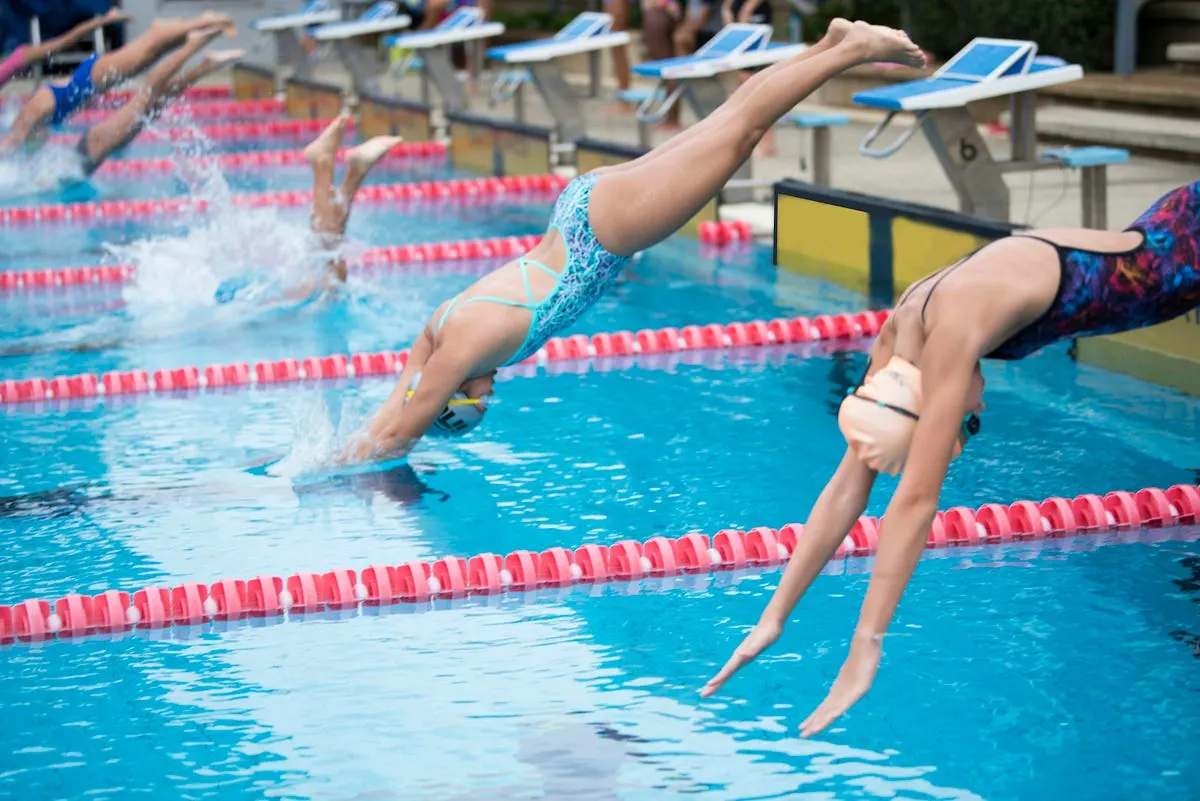
Photo by Arisa Chattasa on Unsplash
As I stood at the edge of the Olympic-sized pool, water droplets speckling my lens, I realized just how far I’d come from my first swimming competition shoot. Back then, armed with only a basic DSLR, I struggled to capture my daughter’s butterfly stroke through the chlorine-heavy air. Today, I’m sharing what I’ve learned about choosing the perfect camera for swimming photography, hoping to help other parents and photographers navigate these challenging shooting conditions.
The Unique Challenges of Pool Photography
Swimming photography presents a distinct set of challenges that even experienced photographers might not expect:
- Low light conditions in indoor pools
- High contrast between bright water reflections and dark shadows
- Fast-moving subjects
- Humidity and water exposure risks
- Mixed lighting (natural and artificial)
- Limited vantage points
Top Camera Recommendations
Best Overall: Sony A9 II

After years of trial and error, I’ve found the Sony A9 II to be the ultimate swimming competition camera. Its blackout-free shooting at 20fps means you’ll never miss that perfect mid-stroke moment. The advanced eye-AF tracking is particularly valuable when following swimmers’ heads breaking the surface.
Key Features:
- 20fps continuous shooting
- Exceptional low-light performance
- Weather sealing for pool-side durability
- Advanced eye-AF tracking
- Silent shooting for quiet pool environments
Check Today Deals on Sony A9II
Best Value: Nikon D500
For those not ready to invest in the A9 II, the Nikon D500 offers remarkable performance at a more accessible price point. I used this camera for two seasons before upgrading, and it served me exceptionally well.
Key Features:
- 10fps continuous shooting
- Excellent buffer capacity
- Superior autofocus system
- Weather-sealed construction
- Great high-ISO performance
Best Budget Option: Sony a6400
When I first started, I wish I’d known about the Sony a6400. It’s an excellent entry point for swimming photography without breaking the bank.
Key Features:
- Fast hybrid autofocus
- 11fps continuous shooting
- Weather-sealed body
- Tilting screen for awkward angles
- Compact and lightweight
Essential Features to Consider
- Fast Autofocus During my daughter’s freestyle final last year, I learned the hard way that phase-detection AF is non-negotiable. You need a camera that can keep up with rapidly moving swimmers.
- Weather Sealing After destroying my first camera due to pool humidity, I never underestimate the importance of weather sealing. The pool environment is surprisingly hostile to electronics.
- High ISO Performance Indoor pools often have challenging lighting. Your camera should perform well at ISO 3200 and above without excessive noise.
- Fast Continuous Shooting You’ll want at least 8fps, but faster is better. That perfect water splash moment happens in milliseconds.
Essential Accessories
- A 70–200mm f/2.8 lens (my workhorse)
- UV filter for lens protection
- Microfiber cloths for constant lens cleaning
- Camera rain cover for extra protection
- Anti-fog inserts for your camera bag
Pro Tips from Pool-Side Experience
- Position is Everything Scout the venue early. I’ve found the turn ends often offer the best vantage points for capturing faces and expressions.
- Camera Settings
- Shutter Speed: Minimum 1/1000s
- Aperture: f/2.8–4 depending on lighting
- ISO: Auto with upper limit of 6400
- AF: Continuous with tracking
- Timing Matters Learn to anticipate the moments. The turn, the dive, the finish — each has its perfect shooting moment.
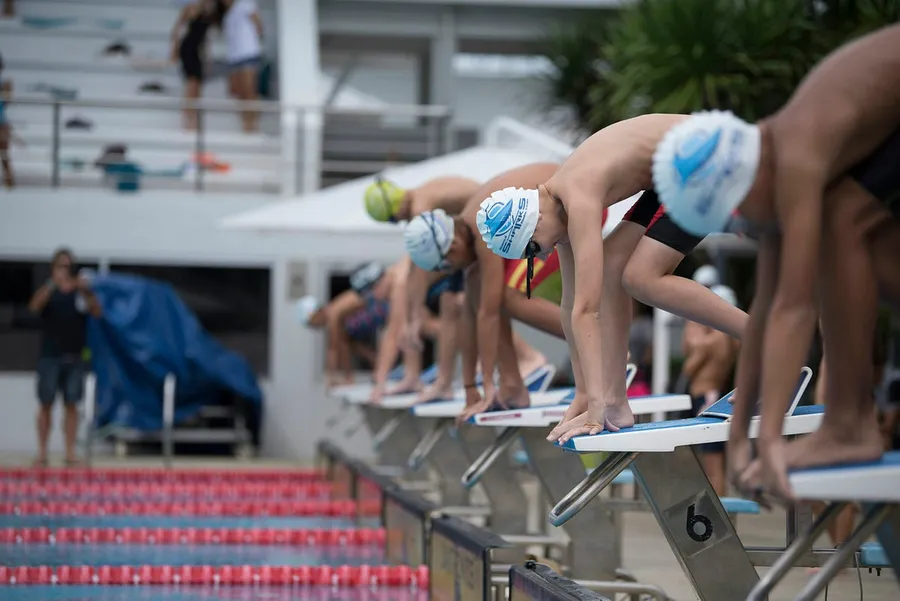
Photo by Arisa Chattasa on Unsplash
Conclusion
Choosing the right camera for swimming photography is about balancing speed, durability, and low-light performance. Whether you’re a parent wanting to capture your child’s achievements or a professional covering competitions, understanding these requirements will help you make an informed decision.
Remember my first blurry shots of my daughter’s butterfly? They led me on a journey to master this challenging but rewarding niche. Today, not only do I have a gallery full of crisp, action-packed shots, but I’ve also discovered a passion for capturing these athletic moments in their full glory.
The best camera for swimming photography is one that can handle the unique challenges of the pool environment while delivering consistent results. Whether you choose the top-of-the-line Sony A9 II or start with the budget-friendly a6400, remember that practice and understanding your equipment are just as important as the gear itself.
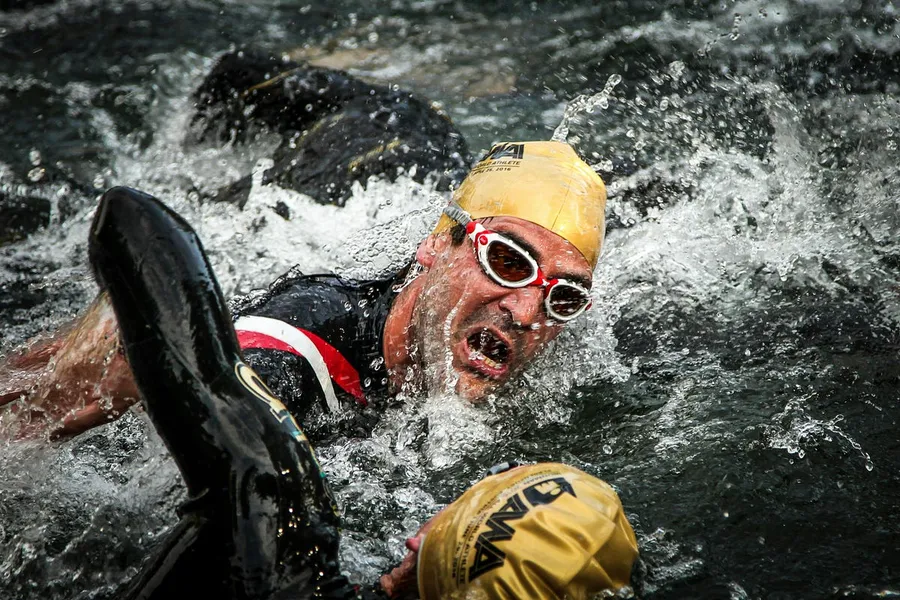
Photo by Mario La Pergola on Unsplash

Written by
Marien CartelProfessional and Certified Digital Photographer born in the USA, with 22 years of experience in the field of photography.
Related Guides

Best Camera for Automotive Photography
What I Actually Reach For When I’m Shooting Cars. Here is how the Canon EOS R5, Sony a7 IV and Nikon Z6 III compare, and the one I keep going back to.

Best Cameras for Virtual Production
After I Wasted a Full Shoot Day Finding Out — why the Sony FX6 and Sony FX9 made the list, and who each one really suits.
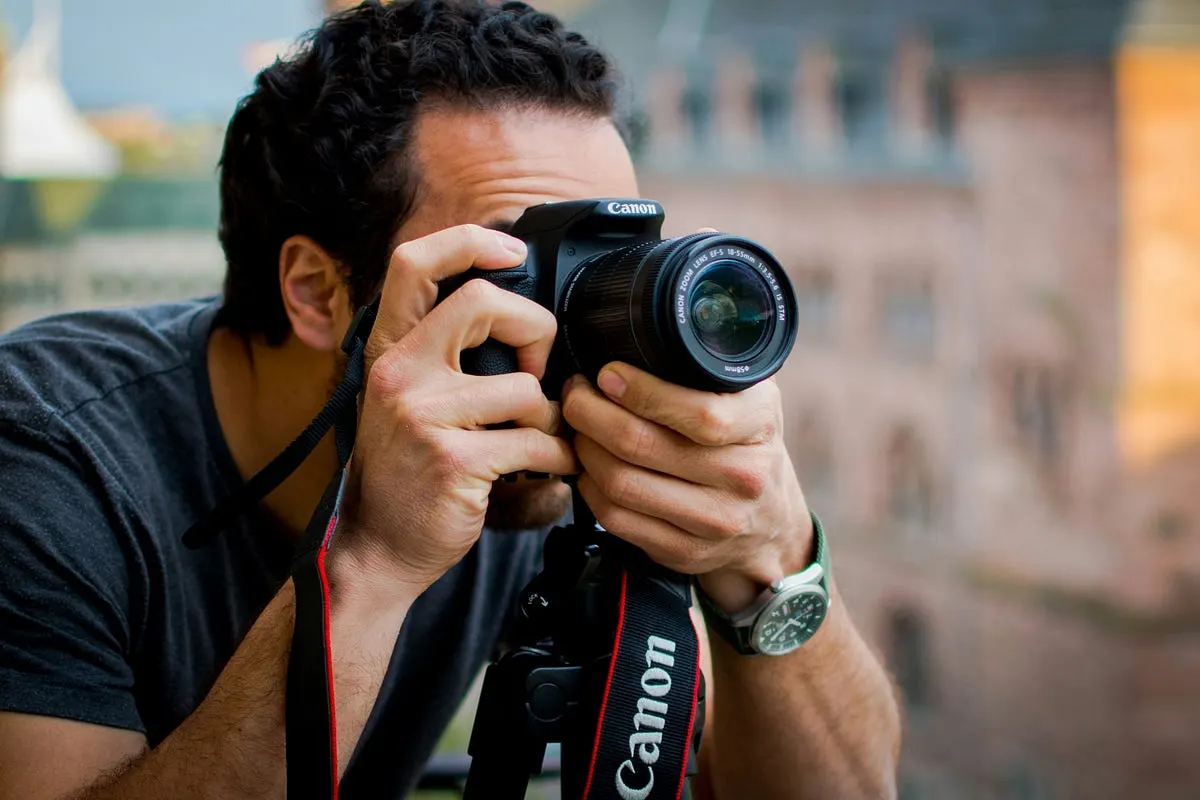
Best DSLR Cameras for Beginners: (Guide & Reviews)
My Hands-On Experience with the Best Beginner-Friendly Cameras — why the Canon EOS Rebel T7 and Nikon D3500 made the list, and who each one really suits.