Best Camera for Rodeo Photography
As an Amazon Associate we earn from qualifying purchases. Some links in this guide are affiliate links — see our affiliate disclosure for details.
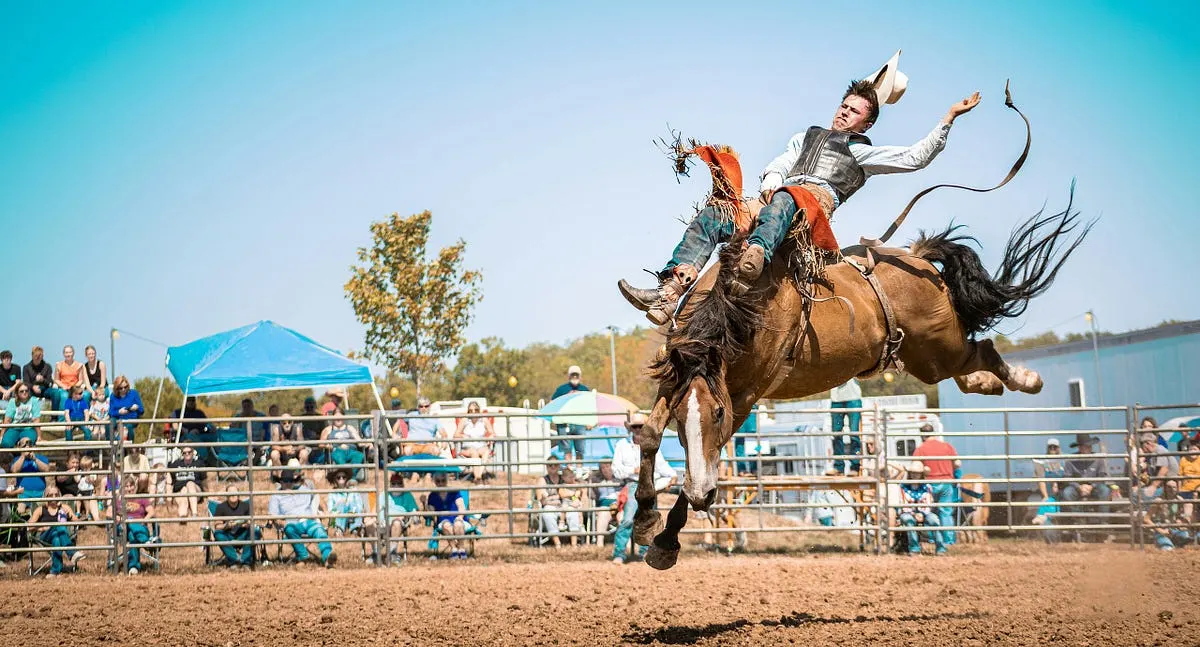
The smell of damp earth, diesel, and leather. The electric crackle of anticipation before the chute opens. The raw explosion of power as a ton of muscle and fury launches into the arena.
Rodeo isn’t just a sport; it’s a sensory overload, a ballet of chaos, and capturing its essence demands more than just pointing a camera. It demands the right camera.
After years of shooting dusty arenas and dimly lit indoor events, let me tell you, I learned this lesson through blurred images and missed moments.
Top Cameras for Rodeo Photography
- Sony A9 II — View on Amazon
- Canon EOS R3 — View on Amazon
- Sony A1 — View on Amazon
- Fujifilm X-T5 — View on Amazon
My Rookie Mistakes: Chasing the Action with the Wrong Gear
My rodeo journey began fueled by pure passion, armed with my trusty entry-level DSLR and a decent 70–300mm zoom. I was buzzing! Then reality hit like a bucking bronc.
- The Blur Monster: That beautiful sunset-lit barrel race? A smear of color. The bull rider’s determined face mid-spin? A ghostly blur. My camera’s autofocus just couldn’t keep up with the unpredictable, lightning-fast action. The burst rate felt sluggish, like watching frames flip slowly by hand.
- The Dust Apocalypse: One weekend at an outdoor event turned windy. My camera, lacking serious weather sealing, inhaled more arena dirt than a spectator in the front row. The fear of killing my gear was constant.
- The Low-Light Letdown: Indoor rodeos? Forget it. My camera produced grainy, noisy messes unless the rider was practically under a spotlight. Raising the ISO was like inviting digital confetti to ruin the shot.
- The “Just Missed It” Heartbreak: Countless times, I saw the perfect moment unfold — the cowboy’s hat flying, the horse’s muscles straining, the crowd’s reaction — only to press the shutter a fraction too late. My camera’s shutter lag and buffer felt like an eternity.
I had the eye (or so I thought!), but my gear was holding me hostage. I knew I needed an upgrade, but navigating the specs felt overwhelming. Fast forward through hours of research, forums, and saving pennies, and I found my rodeo photography game-changers.
The Contenders: Cameras Built for the Rodeo Arena
Based on brutal experience and extensive research, here are the key features non-negotiable for serious rodeo photography:
- Blazing Fast Autofocus (AF): You need subject tracking that locks onto a cowboy flying through the air or a barrel horse cutting tight corners and sticks like glue. Eye-AF (especially for animal eye!) is a godsend.
- High Burst Rate (FPS): 10 frames per second (FPS) is the bare minimum. 15+ FPS is the sweet spot for freezing every micro-expression and muscle twitch.
- Excellent Low-Light Performance: High ISO capabilities with minimal noise are crucial for dimly lit indoor arenas and evening outdoor events. Bigger sensors generally handle this better.
- Robust Build & Weather Sealing: Dust, rain, mud, accidental bumps — your camera needs to be a tank. Magnesium alloy bodies and proper seals are essential.
- Deep Buffer: You don’t want your camera freezing up after a 3-second burst while the 8-second ride of the night is happening. Shoot long, shoot fast.
- Fast, Long Lenses: The camera body is half the battle. You need fast aperture telephoto zooms (f/2.8 is ideal, f/4 can work) like a 70–200mm f/2.8 or even 100–400mm/150–600mm for larger arenas. Sharpness and quick AF on the lens are paramount.
My Top Picks for Rodeo Warriors:
The Speed King: Sony A9 II
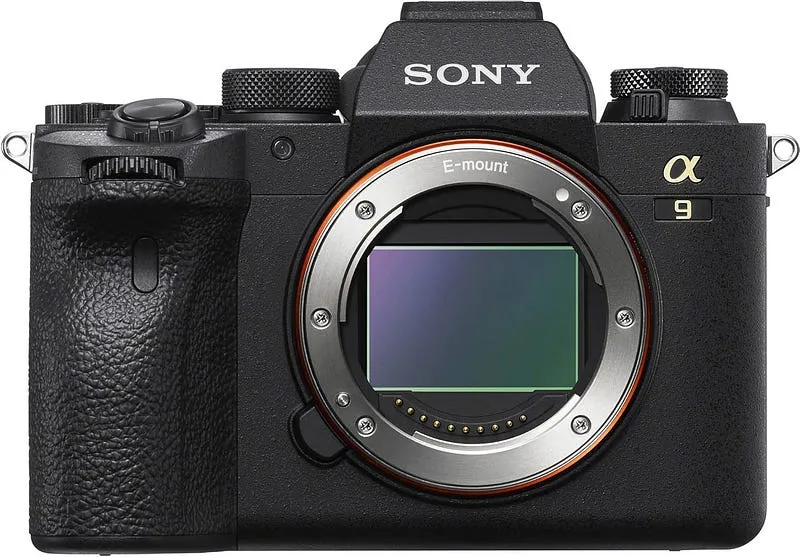
Why it Rocks Rodeo: The undisputed AF tracking champion. Blackout-free shooting, insane 20+ FPS bursts with a deep buffer, and phenomenal subject tracking (human AND animal). Excellent low light. Built tough.
Switching to the A9 II was revolutionary. Suddenly, I was capturing the action, not chasing it. Tracking a bull rider getting launched and keeping focus? Done. The speed and confidence it gives are unmatched. The A9 III takes this even further.
Sony A9 II — View on Amazon
The All-Rounder Powerhouse: Canon EOS R3
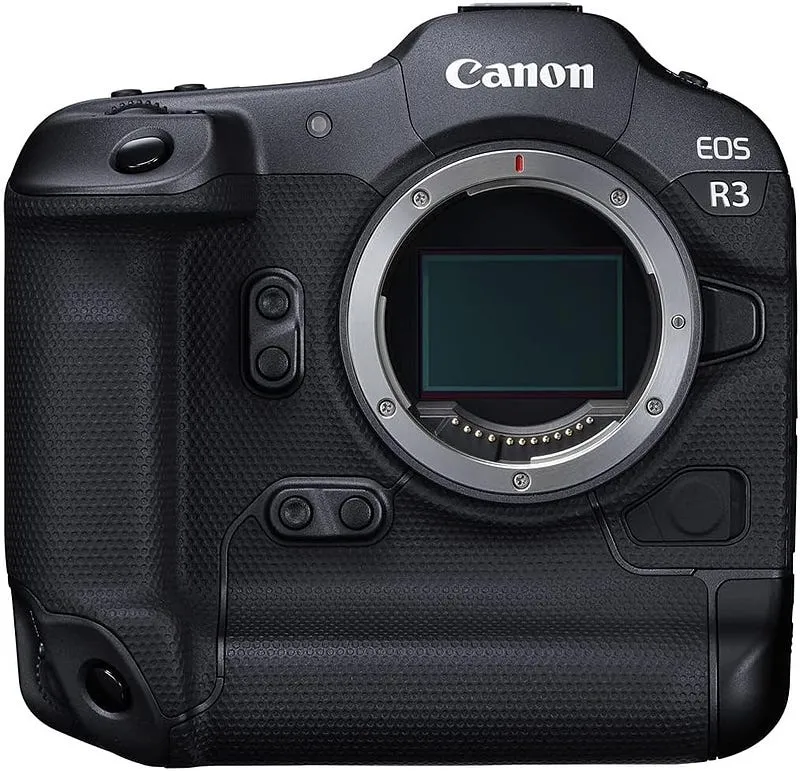
Why it Rocks Rodeo: Incredible AF performance (especially with the R3’s eye-control), super high burst rates (30 FPS electronic shutter on both!), top-tier low-light, and pro-level build quality. The Z9’s pre-capture feature is magical for never missing the chute opening.
While I’m Sony now, I’ve seen colleagues with R3s and Z9s produce stunning rodeo work. These are workhorse cameras that excel in every demanding aspect of the sport. The stacked sensors make a huge difference.
Canon EOS R3 — View on Amazon
The Value Speed Demon: Sony A1
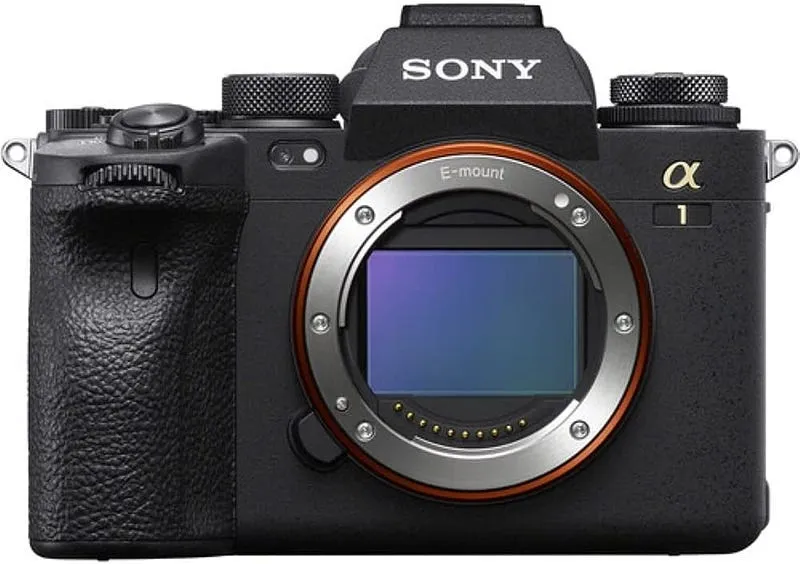
Why it Rocks Rodeo: Packs nearly all the A9 II/III’s speed (30 FPS) and AF prowess into a higher-resolution body (50MP). Amazing for cropping in tight or needing large prints. Excellent video too if you dabble.
If you want top-tier speed and high resolution for maximum flexibility, the A1 is incredible. The files are larger, but the detail captured on a rider’s expression or the texture of the rope is stunning.
Sony A1 — View on Amazon
The Crop Sensor Contender (Budget-Friendly): Fujifilm X-T5
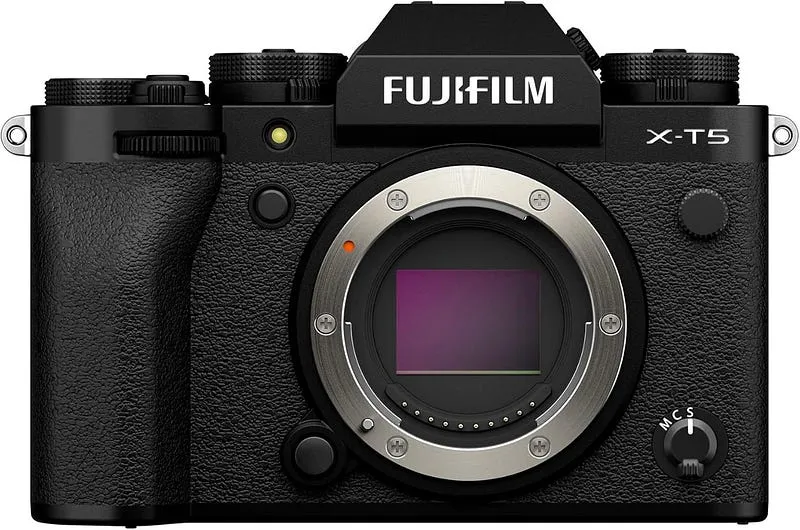
Why it Rocks Rodeo: Don’t underestimate APS-C! The X-H2S offers 40 FPS (electronic) and excellent subject detection AF. The X-T5 is a bit slower (15 FPS mechanical) but still capable with great lenses. Smaller, lighter, more affordable, and Fuji’s film simulations are fun for quick edits. Weather sealed well. The crop factor gives your telephoto lenses extra “reach.”
A fantastic option if full-frame budgets are out of reach. I started shooting Fuji alongside my Sony for a lighter kit. With the right lenses (like the Fuji 50–140mm f/2.8 or 100–400mm), it absolutely delivers pro-level rodeo shots. The X-H2S is the speed king here.
Fujifilm X-T5 — View on Amazon
My Personal Setup & Why:
After my early struggles, I landed on the Sony A9 II as my primary body. Its speed and AF reliability are the bedrock of my rodeo work. Paired with the Sony 70–200mm f/2.8 GM II (incredibly fast, sharp, versatile) and the Sony 100–400mm GM (for when I’m further back or need that extra reach), it’s a combo I trust implicitly in the dust and chaos. I always carry a backup body (an older A7 III) — redundancy is critical when your income or passion depends on it.
As an Amazon Associate, I earn from qualifying purchases at no additional cost to you. Thank you for your support!
The Gear is a Tool, But You Are the Artist
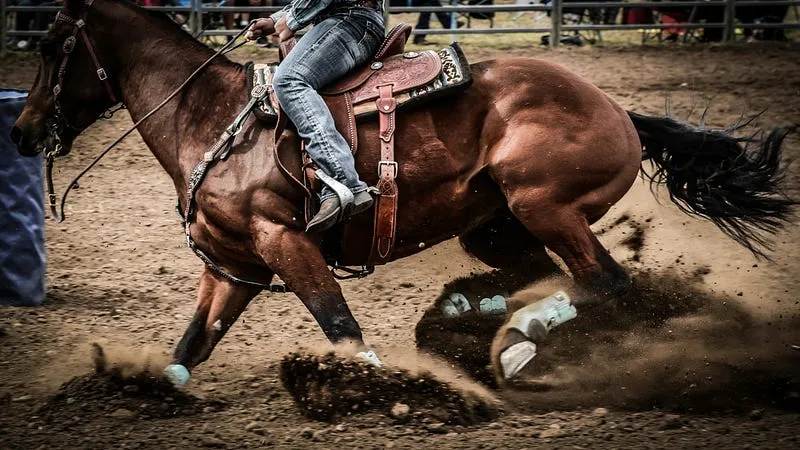
Finding the right camera was a game-changer, freeing me to focus on composition, timing, and storytelling rather than fighting my equipment. I still get chills when I nail that perfect shot — the grit on the cowboy’s face, the straining muscles of the horse, the flying dirt frozen in time — knowing my gear could finally keep up with the vision.
However, never forget: the best camera is the one that you can use effectively to capture your perspective. Learn your gear inside out. Master anticipation — knowing when the action is about to peak is half the battle. Study the sport. Respect the cowboys, cowgirls, and the animals.
Final Tip: Invest in good, fast glass (lenses) first. A great lens on a capable older body will often outperform a cheap lens on the latest flagship. And WEAR EAR PROTECTION! Those crowds and announcers get loud.
Rodeo photography is challenging, exhilarating, and deeply rewarding. Equip yourself properly, learn from every missed shot (you’ll still have them!), and immerse yourself in the incredible world of eight seconds and beyond. Now get out there and capture the grit and the glory!
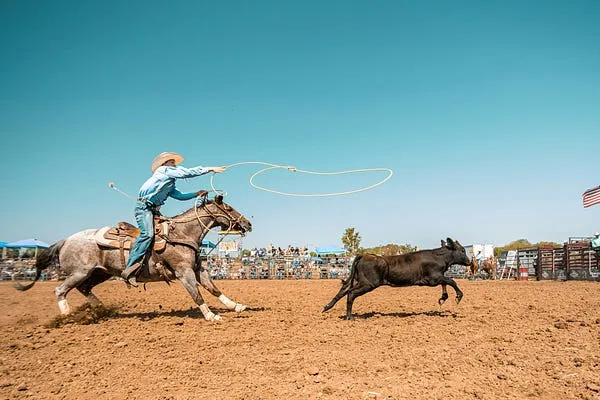
What’s your rodeo photography story? What gear works for you? Share your experiences in the comments below!
Written by
Marien CartelProfessional and Certified Digital Photographer born in the USA, with 22 years of experience in the field of photography.
Related Guides
Best Camera for Automotive Photography
What I Actually Reach For When I’m Shooting Cars. Here is how the Canon EOS R5, Sony a7 IV and Nikon Z6 III compare, and the one I keep going back to.
Best Cameras for Virtual Production
After I Wasted a Full Shoot Day Finding Out — why the Sony FX6 and Sony FX9 made the list, and who each one really suits.
Best DSLR Cameras for Beginners: (Guide & Reviews)
My Hands-On Experience with the Best Beginner-Friendly Cameras — why the Canon EOS Rebel T7 and Nikon D3500 made the list, and who each one really suits.