Best Canon Lens for Nightclub Photography
As an Amazon Associate we earn from qualifying purchases. Some links in this guide are affiliate links — see our affiliate disclosure for details.
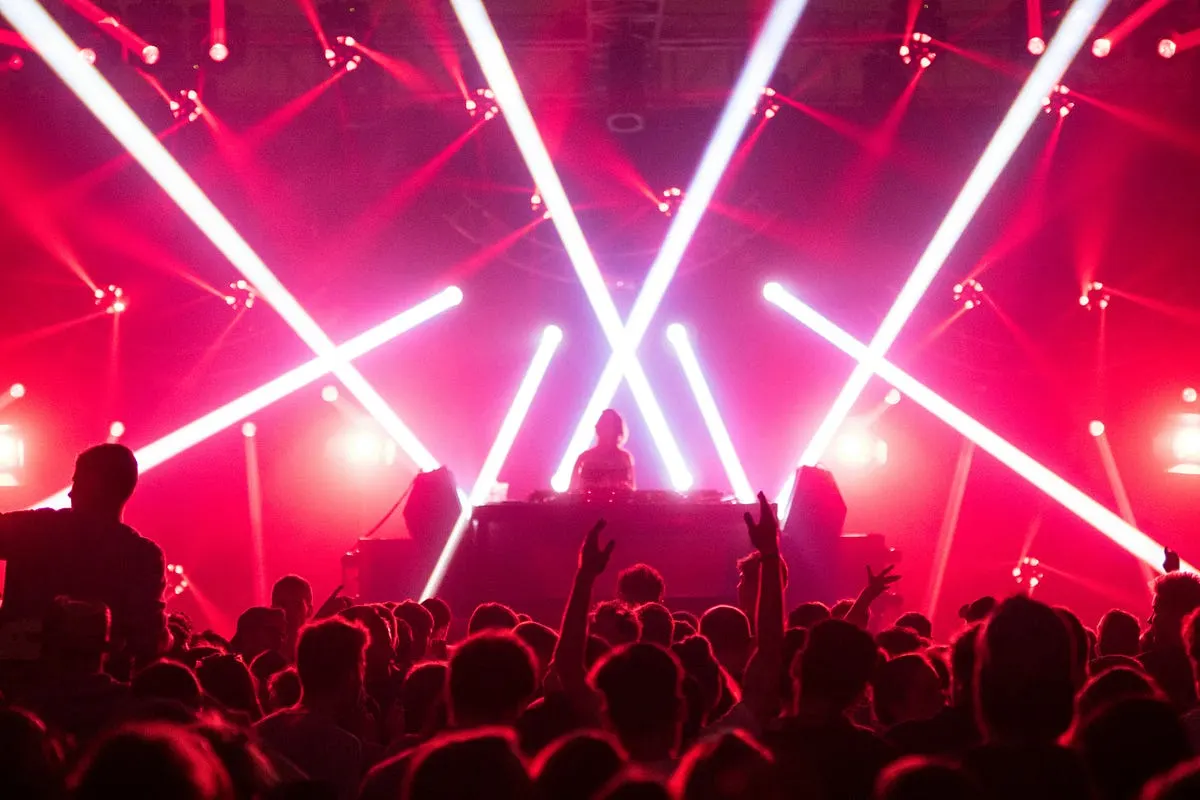
The bass thumps in your chest, the lights pulse with a frenetic energy, and the air crackles with a vibrant, almost tangible excitement. Nightclubs are a sensory overload, a world away from the everyday, and capturing that raw energy through a lens is a unique and exhilarating challenge. For years, I fumbled in the dimly lit corners, my photos often grainy, blurry testaments to the low-light chaos. But then, I started exploring the world of Canon lenses, and it was like someone flipped a switch, revealing the vibrant stories hidden in the shadows.
- Canon EF 50mm f/1.8 STM — View on Amazon
- Canon EF 35mm f/1.4L II USM — View on Amazon
- Canon EF 24mm f/1.4L II USM — View on Amazon
- Canon RF 28mm f/2.8 STM — View on Amazon
- Canon EF 24–70mm f/2.8L II USM — View on Amazon
- Canon EF 16–35mm f/2.8L III USM — View on Amazon
The Low-Light Mavericks: Prime Lenses to Conquer the Dark
When it comes to nightclubs, where available light is often a myth, fast prime lenses are your best friends. Their wide apertures allow you to soak up every precious photon, letting you shoot at lower ISOs for cleaner images and achieve that beautiful, shallow depth of field that makes your subjects pop against the busy background.
Canon EF 50mm f/1.8 STM: The Budget-Friendly Beast.
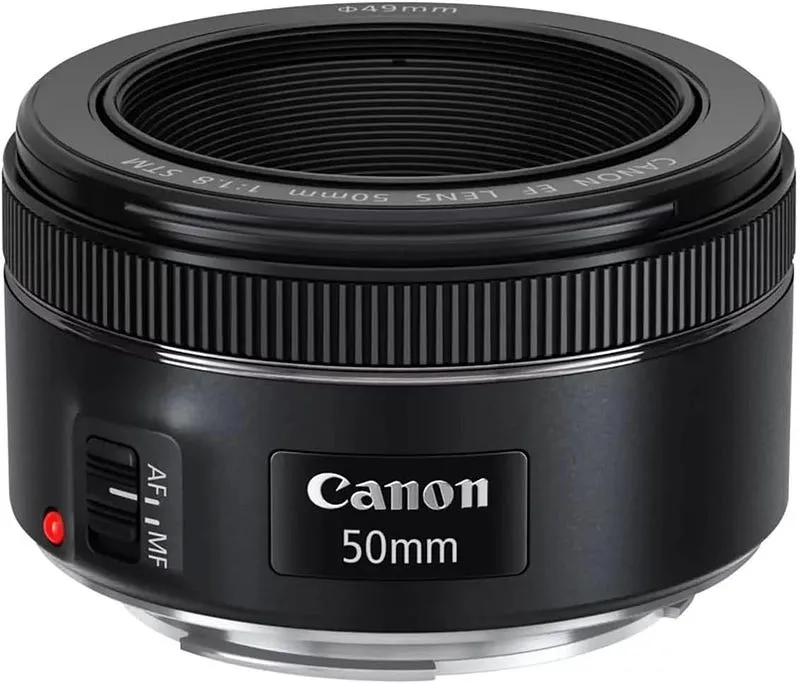
This little lens was a game-changer for me early on. It’s incredibly sharp, remarkably affordable, and that f/1.8 aperture is a lifesaver in dim environments. I remember one night, shooting a local DJ, the only light source was the strobing DJ booth. My kit lens was struggling, producing muddy, unusable images. Switching to the 50mm f/1.8 was like magic. Suddenly, I could capture the DJ’s focused expression, the energy of the crowd in the background softly blurred — it was the first time I felt like I was truly capturing the feeling of the night. It’s lightweight and discreet too, perfect for navigating crowded spaces.
Canon EF 35mm f/1.4L II USM / Canon RF 35mm f/1.4L VCM (for Mirrorless): The Wide-Angle Wonder.
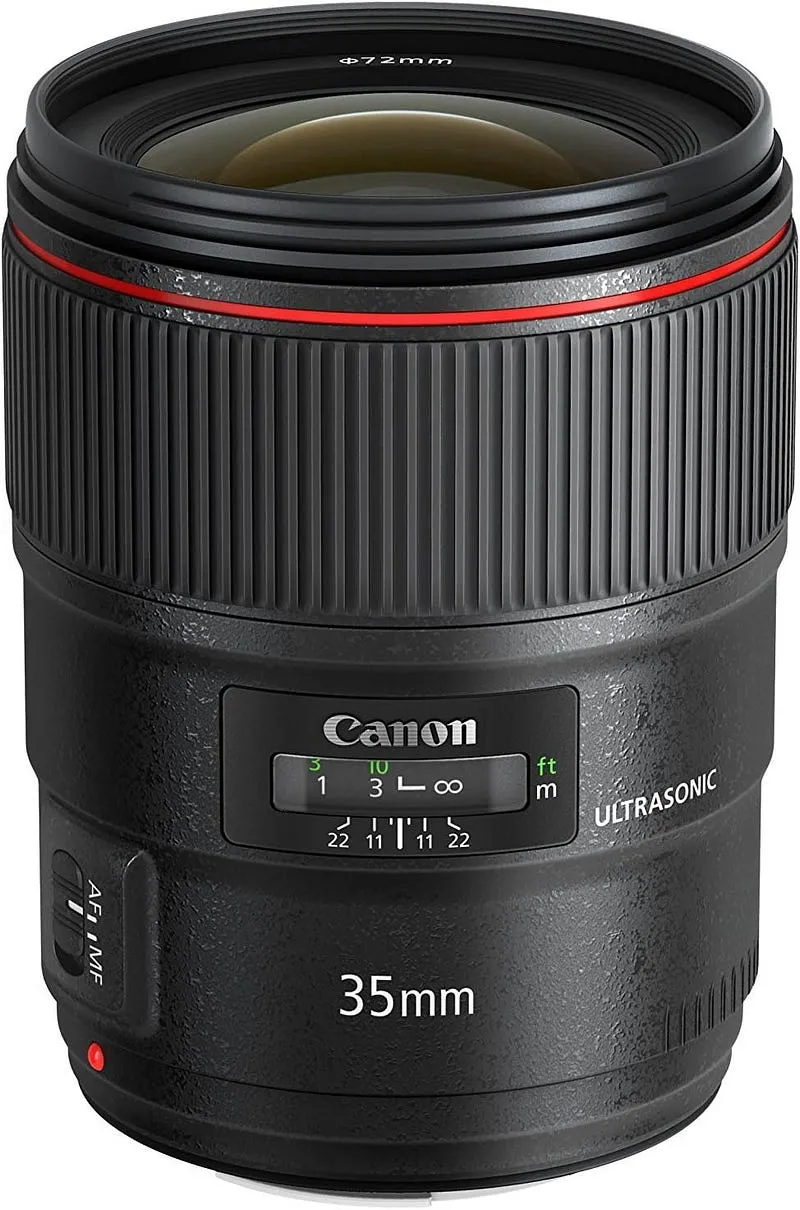
For capturing more of the scene, the environment, and those wider group shots, a 35mm prime is fantastic. The “L” series versions from Canon are top-of-the-line, offering incredible sharpness and build quality. While the f/1.4 aperture is phenomenal for low light and bokeh, even the more affordable Canon EF 35mm f/2 IS USM is a solid performer with the added benefit of image stabilization, which can be helpful for video or when you need just a little extra stability. I recall trying to capture the atmosphere of a packed dance floor. With a longer lens, it felt claustrophobic. Switching to a 35mm allowed me to include the vibrant lights, the dancing silhouettes, and the overall energy of the crowd, telling a much richer story.
Canon EF 24mm f/1.4L II USM / Canon RF 28mm f/2.8 STM (for Mirrorless): Going Even Wider.
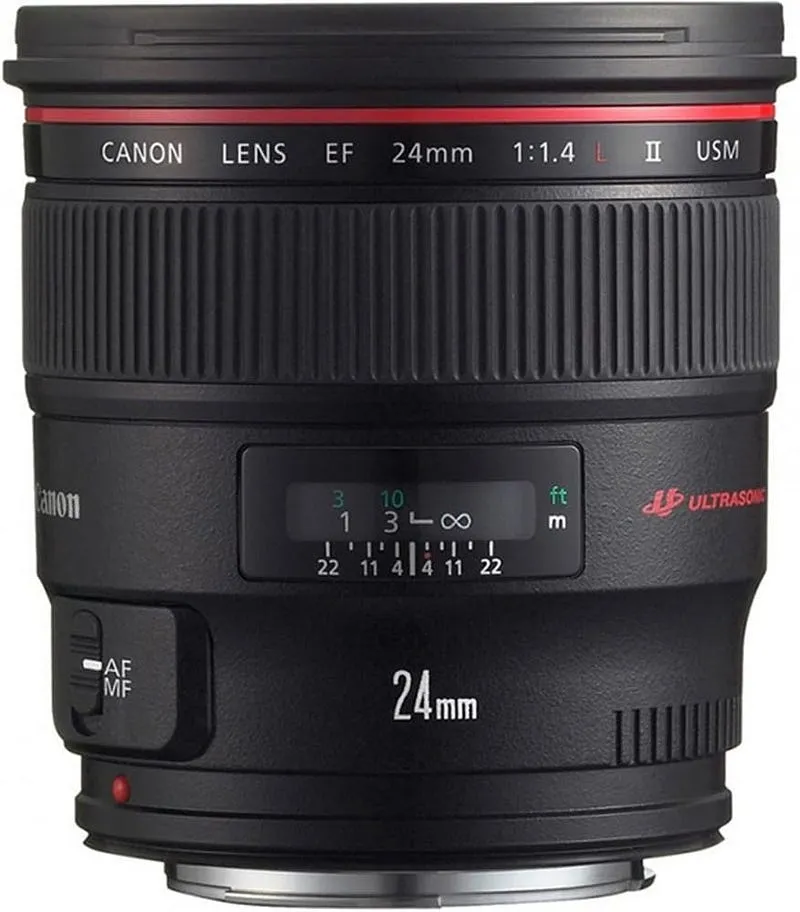
For those immersive, wide-angle perspectives that really place the viewer in the heart of the action, a 24mm (or the compact RF 28mm f/2.8 on mirrorless) can be incredible. These lenses excel at capturing the entire scene, from the DJ booth to the ecstatic faces in the crowd. While not always the best for isolating individual subjects, they are fantastic for establishing the vibe and energy of the nightclub.
The Versatile Zooms: Convenience Without Compromise (Almost!)
While primes often reign supreme in low light, some zoom lenses offer a great balance of versatility and decent low-light performance.
Canon EF 24–70mm f/2.8L II USM / Canon RF 24–70mm f/2.8L IS USM (for Mirrorless): The Workhorse.
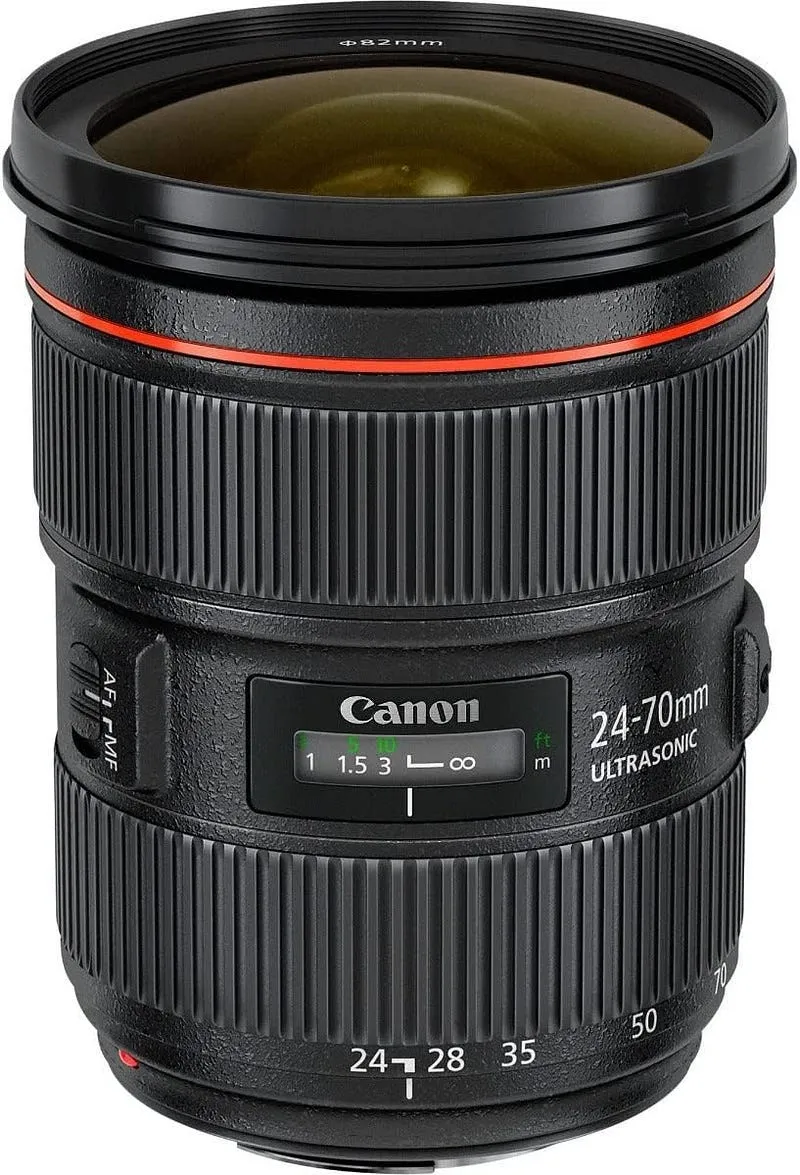
This is a classic for a reason. The f/2.8 aperture, while not as wide as a prime, is still very capable in low light, and the zoom range gives you flexibility to capture wide shots and tighter portraits without changing lenses. The “L” series versions are built like tanks and deliver exceptional image quality. While it was a bigger investment, adding a 24–70mm f/2.8 to my bag significantly reduced the number of lens swaps I had to do in the often chaotic club environment, allowing me to stay focused on capturing moments. The RF version even adds image stabilization, a huge plus for video and handheld shooting.
Canon EF 16–35mm f/2.8L III USM / Canon RF 15–35mm f/2.8L IS USM (for Mirrorless): The Ultra-Wide Explorer.
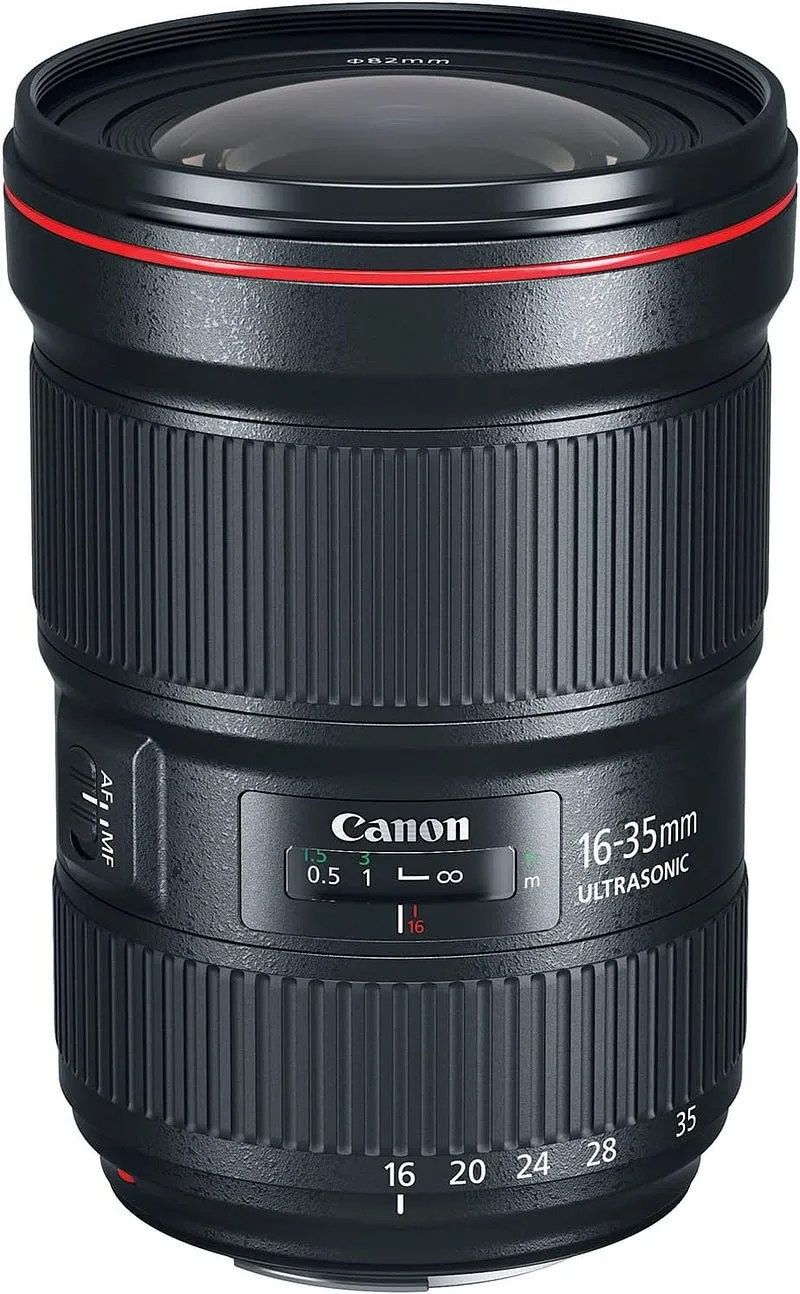
For dramatic perspectives and capturing the sheer scale of the venue, these ultra-wide zooms are fantastic. The f/2.8 aperture allows for decent low-light performance, and the wide field of view lets you get creative with your compositions.
My Personal Takeaway
Through my own journey of trial and error, I’ve learned that the “best” lens isn’t just about the technical specs. It’s about the lens that allows you to tell the story you want to tell. Sometimes, the intimacy of a 50mm prime captures a fleeting connection between two people on the dance floor. Other times, the wide sweep of a 24mm lens conveys the sheer energy of the crowd moving as one.
Don’t be afraid to experiment and find what works best for your style and the specific vibe of the nightclubs you’re shooting in. Start with an affordable prime like the 50mm f/1.8 to understand the power of a wide aperture, and then explore wider or zoom options as your needs evolve.
Nightclub photography is a thrilling and rewarding genre. With the right Canon lens in your bag, you’ll be well-equipped to step into the darkness and capture the electrifying stories that unfold within. Now go out there and let your creativity shine!
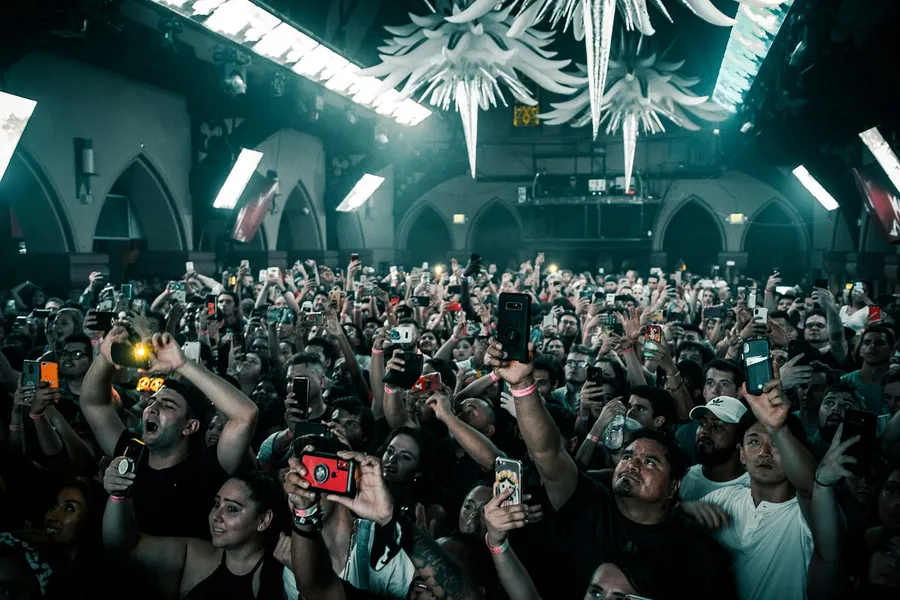
Photo by Colin Lloyd on Unsplash
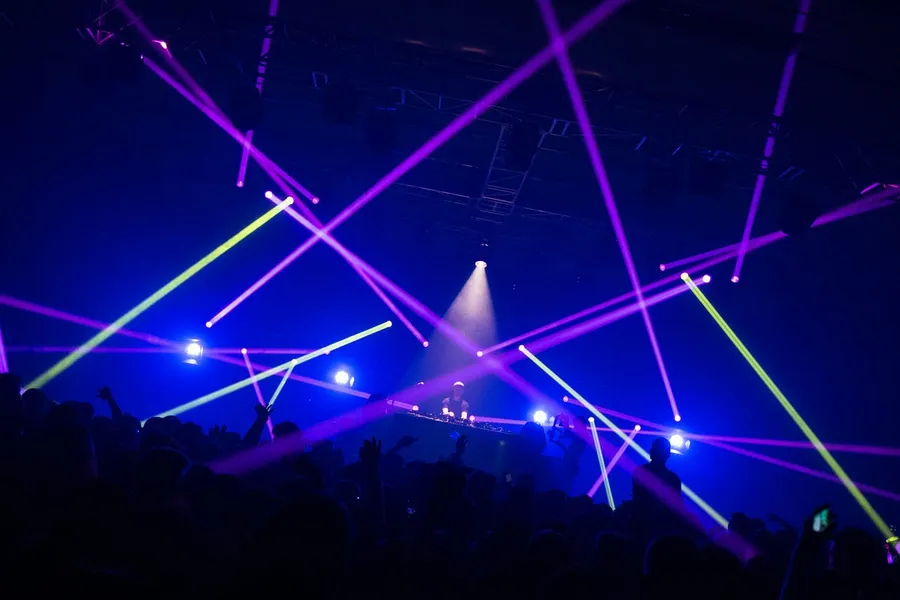
Written by
Marien CartelProfessional and Certified Digital Photographer born in the USA, with 22 years of experience in the field of photography.
Related Guides
Best Lens for Panasonic LUMIX S5: (2026 Guide & Reviews)
Unlocking the Cinematic Soul of the L-Mount System. What the Sigma 24–70mm f/2.8 DG DN gets right, what it does not, and who should buy it.
Best Lens for Wide Shots
The Ultimate Guide to the Best Lens for Wide Shots: Field-Tested Review & Personal Experience

Best Lenses for Interior Photography
Best Lenses for Interior Photography. Here is how the Canon R6 Mark II and Canon EOS R6 Mark II compare, and the one I keep going back to.