Best Nikon Mirrorless Camera: Tested Models & Buying Guide
As an Amazon Associate we earn from qualifying purchases. Some links in this guide are affiliate links, see our affiliate disclosure for details.
Which Nikon mirrorless camera is best?
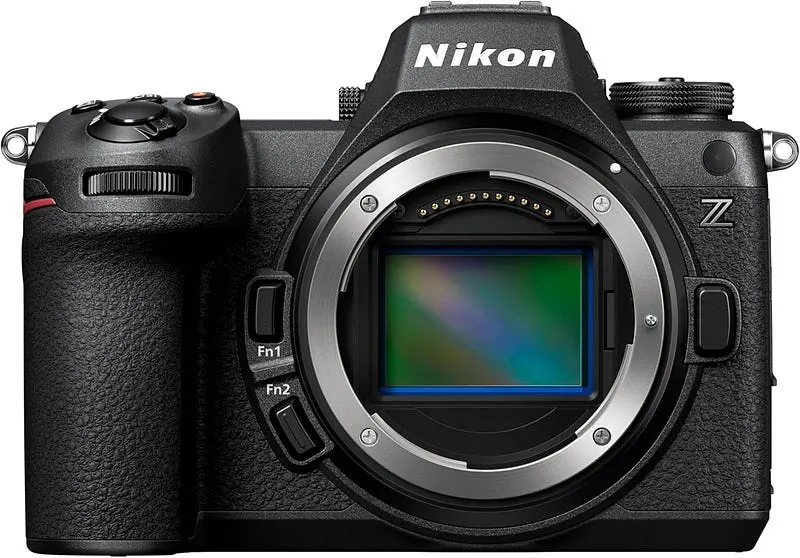
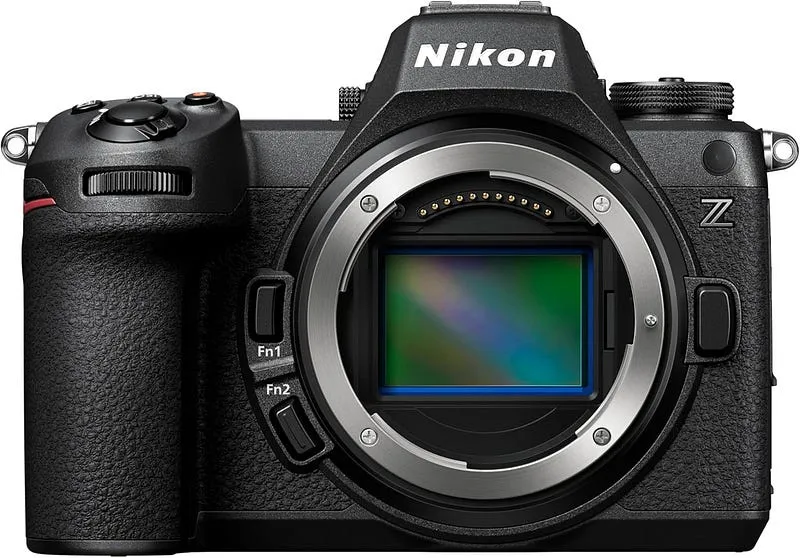
The top pick is the Nikon Z6 III. It covers its partially stacked CMOS sensor, autofocus, video features, electronic viewfinder, and its stability and ergonomics.
It’s not just about specs on a page; it’s about what those specs empower you to do.
The Heart of the Beast: World’s First Partially Stacked CMOS Sensor
At the core of the Z6 III lies a groundbreaking 24.5-megapixel partially stacked CMOS sensor. Now, “partially stacked” might sound like tech jargon, but what it translates to in real-world shooting is incredible speed and performance. This design allows for significantly faster sensor readout speeds, akin to those found in flagship models like the Z8 and Z9.
- Reduced Rolling Shutter: Those skewed vertical lines in fast-moving subjects or quick pans?
- Blazing Fast Continuous Shooting: With speeds up to 120 fps (in JPEG, DX crop) and a very respectable 20 fps in RAW, capturing that fleeting instant — a bird taking flight, a candid laugh, the peak action in sports — is now firmly within reach.
- Stunning Low-Light Capability: Combined with the native ISO range of 100–64,000 (expandable to 50–204,800), this sensor promises cleaner images even when the lights go down. That Northern Lights trip?
Autofocus That Just Gets It
Nikon has armed the Z6 III with its cutting-edge EXPEED 7 image processor, the same powerhouse found in its top-tier cameras. This processor drives a significantly improved autofocus system. We’re talking:
- Advanced Subject Detection: It’s not just about faces and eyes anymore. The Z6 III can intelligently identify and track people (eyes, faces, heads, torsos), animals (including birds, cats, and dogs), and various vehicles (cars, motorbikes, trains, airplanes).
A Videographer’s Dream Machine
This is where the Z6 III truly starts to sing for hybrid shooters. The video capabilities are nothing short of astounding for a camera in this class:
- Internal 6K RAW Recording: The ability to shoot 6K at up to 60fps in 12-bit N-RAW and ProRes RAW HQ internally is a headline feature. This offers incredible flexibility in post-production for color grading and dynamic range.
- 4K Slow Motion: Capturing silky smooth slow-motion at 4K up to 120fps (full-frame) opens up a world of creative possibilities.
- Professional Codecs and Color: Support for N-Log, HLG, and various ProRes options means your footage can slot into professional workflows with ease.
- Long Recording Times: Thanks to a new cooling design, you can record for longer without worrying about overheating — crucial for interviews or extended event coverage.
Imagine capturing the subtle dance of the aurora in breathtaking 6K RAW, or the dynamic action of a local festival in crisp 4K slow motion. The Z6 III makes this a reality without needing an external recorder for many scenarios.
An EVF That Feels Like an Optical Viewfinder (Only Better)
One of the most lauded features of the Z6 III is its electronic viewfinder (EVF). Nikon has pulled out all the stops, delivering what many are calling the brightest and highest-resolution EVF in its class.
- Crystal Clear View: With a stunning 5.76 million-dot resolution and a refresh rate up to 120fps, the view is incredibly detailed and fluid.
- Unmatched Brightness: A peak brightness of 4000 nits means you can see clearly even in bright, sunlit conditions — a common pain point with lesser EVFs.
- Wide Color Gamut (DCI-P3): What you see is closer to what you get, making for a more accurate and immersive shooting experience.
This isn’t just about comfort; it’s about connection. A great EVF makes you feel more connected to your subject, allowing for better composition and a more enjoyable shooting process.
Stability and Ergonomics You Can Rely On
Nikon continues its tradition of excellent in-body image stabilization (IBIS). The Z6 III offers up to 8 stops of vibration reduction, which is phenomenal for handheld shooting, especially at slower shutter speeds or with longer lenses. It even features Focus Point VR, which prioritizes stabilization around your chosen focus point.
The body itself takes cues from the Z8, offering a comfortable grip and robust, weather-sealed construction. The fully articulated 3.2-inch touchscreen LCD is another welcome addition, perfect for high or low-angle shooting and vlogging. And yes, for those who demand it, dual card slots (one CFexpress Type B/XQD and one UHS-II SD) provide flexibility and peace of mind.
Why the Nikon Z6 III Might Be Your Perfect Storytelling Companion Too
The Nikon Z6 III isn’t just about capturing images and videos; it’s about faithfully translating your vision into reality, with a tool that feels less like a barrier and more like an extension of your creative self.
What stories are you waiting to tell? Could the Nikon Z6 III be the key to unlocking them? Share your thoughts in the comments below!
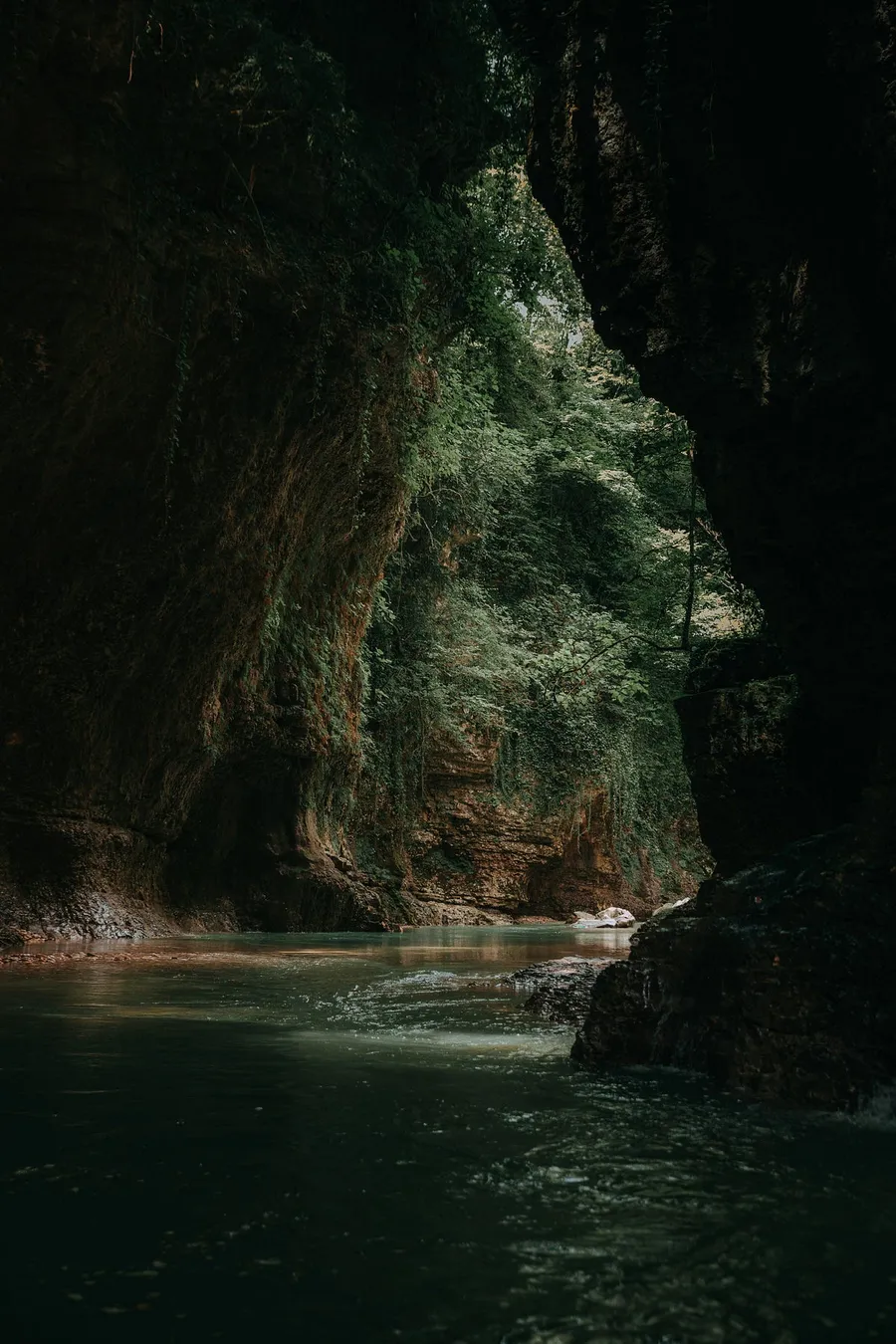
Photo by Vruyr Martirosyan on Unsplash

Photo by Karsten Winegeart on Unsplash
See also Best Full Frame Mirrorless Camera for Beginners Nikon, Best Wide-angle Lenses for Nikon Z Mirrorless Cameras, or test setups in the mount compatibility tool.
Camera & Lens Settings by Real-World Use Case
Match your focal length, aperture, shutter speed, and lighting modifier to the exact environment you shoot in.
Makeup Artists (MUA) & Beauty Tutorials
- Best Body:
- Sony Alpha a6400 / Canon G7 X Mark III
- Ideal Lens:
- Sigma 56mm f/1.4 DC DN (APS-C) or 50mm–85mm f/1.8 (Full Frame)
- Aperture & Shutter:
- f/2.8 – f/4 for full-face sharpness; f/5.6 for macro eye/lip close-ups · 1/125s for stills; 1/50s (24p) or 1/120s (60p) for video tutorials
- Room Distance:
- 1.2m – 2.2m (4 to 7 ft)
Tattoo Artists & Micro-Realism Portfolios
- Best Body:
- Sony Alpha a7 III / Fujifilm X-T4
- Ideal Lens:
- 90mm f/2.8 Macro (detail) or 50mm f/1.8 (sleeves & back pieces)
- Aperture & Shutter:
- f/5.6 – f/8 (keeps curved forearms and calves sharp edge-to-edge) · 1/125s – 1/200s handheld (or 1/60s on tripod)
- Room Distance:
- 0.4m – 1.5m (1.5 to 5 ft)
Barbershops, Hairstylists & Color Salons
- Best Body:
- Sony a7 IV / Canon EOS R6 Mark II
- Ideal Lens:
- 50mm f/1.8 (tight stations) or 85mm f/1.8 (spacious salons)
- Aperture & Shutter:
- f/1.8 – f/2.8 (blurs background chairs while keeping the lineup tack-sharp) · 1/160s – 1/250s (freezes subtle head movement in the chair)
- Room Distance:
- 1.5m – 2.4m (5 to 8 ft from the styling chair)

Written by
Marien CartelMarien Cartel runs Marien Cartel Photography, a camera and lens buying-guide site, and photographs the gear shown on it.
Related Guides
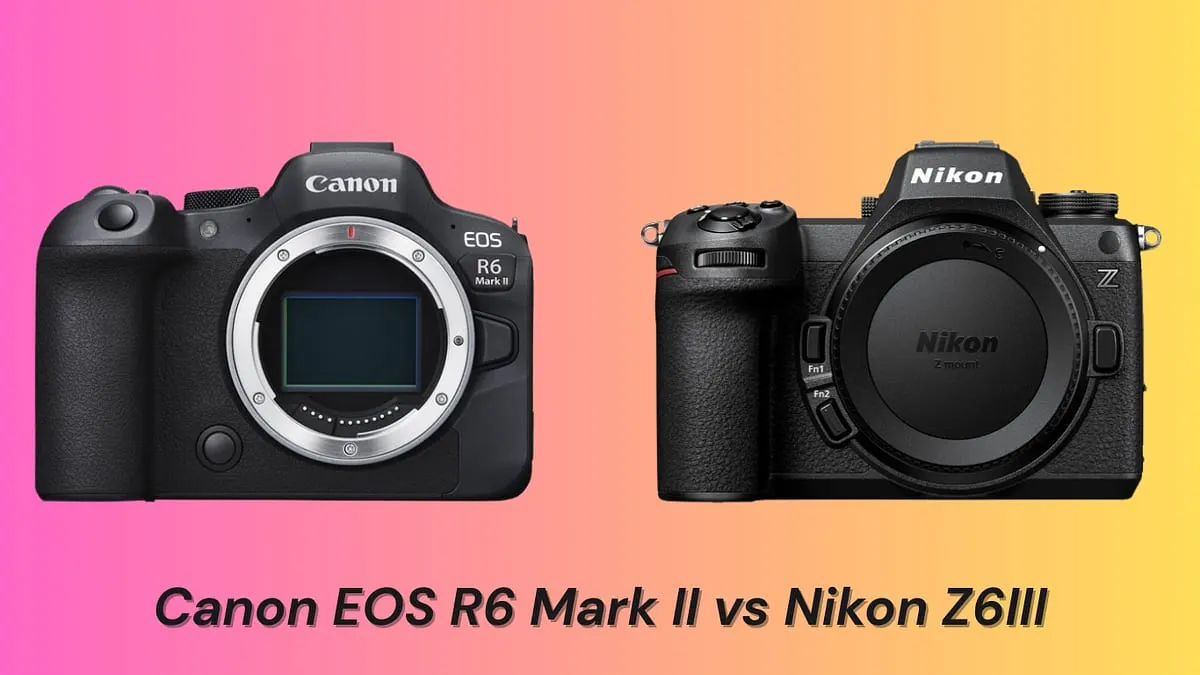
Canon EOS R6 Mark II vs Nikon Z6III: Tested Models & Buying Guide
Canon EOS R6 Mark II vs Nikon Z6III: Which One Should You Choose? — how the Canon EOS R6 Mark II and Nikon Z6III differ in autofocus, viewfinder and video.
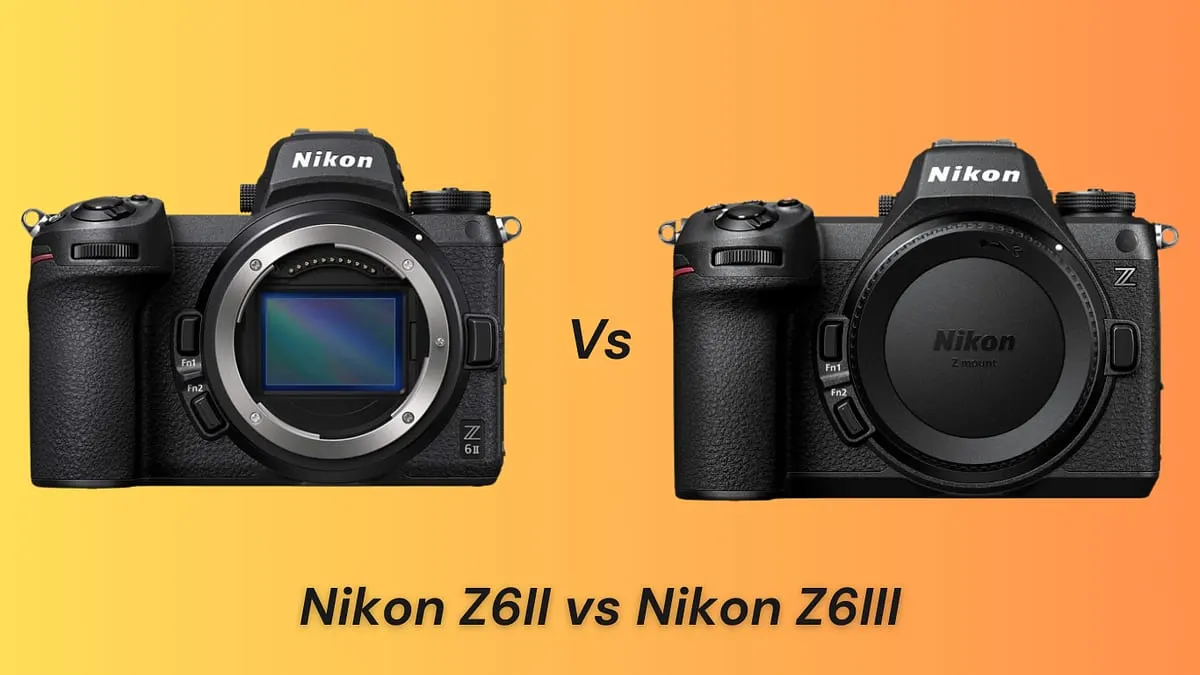
Nikon Z6II vs Nikon Z6III: Tested Models & Buying Guide
Nikon Z6II vs Nikon Z6III compared — where each one wins, where it falls short, and who should buy which. Updated for 2026.
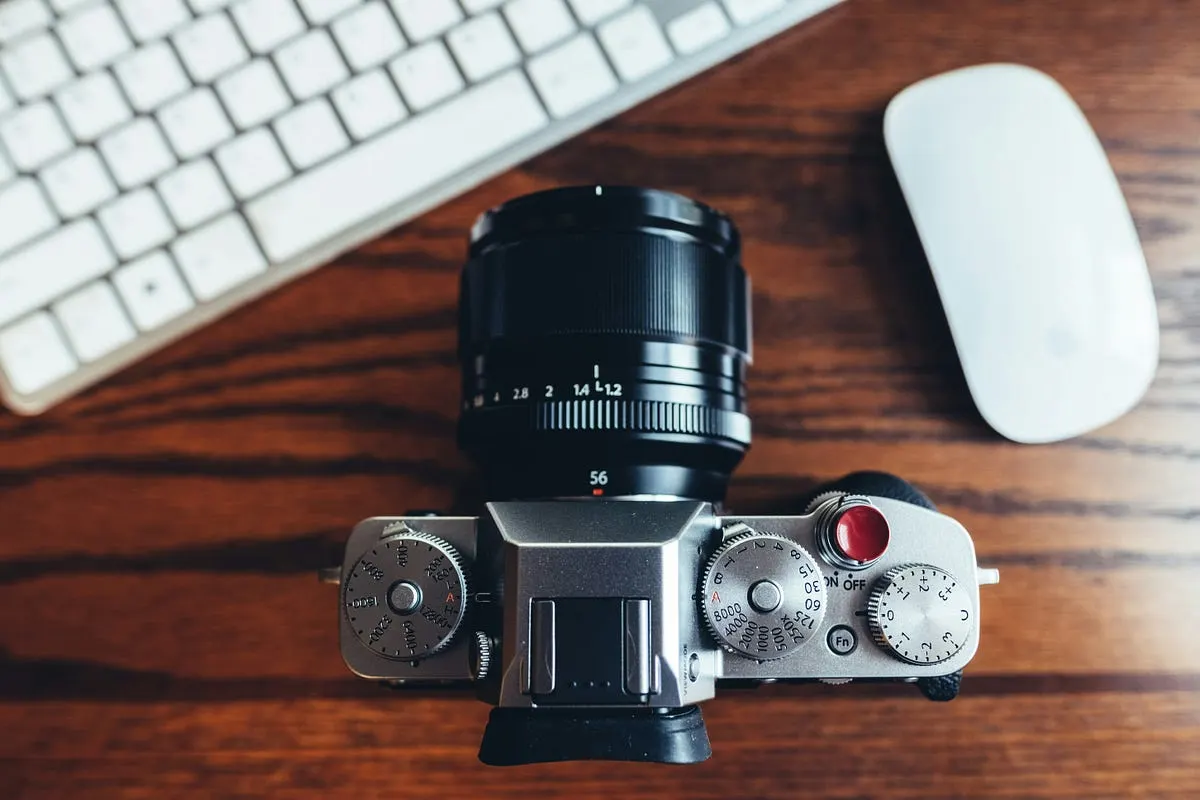
Mirrorless vs DSLR for Beginners: Tested Models & Buying Guide
Compare mirrorless vs DSLR cameras for beginners across real-time electronic viewfinders, eye-detection autofocus, weight, battery life, and lens mount options.
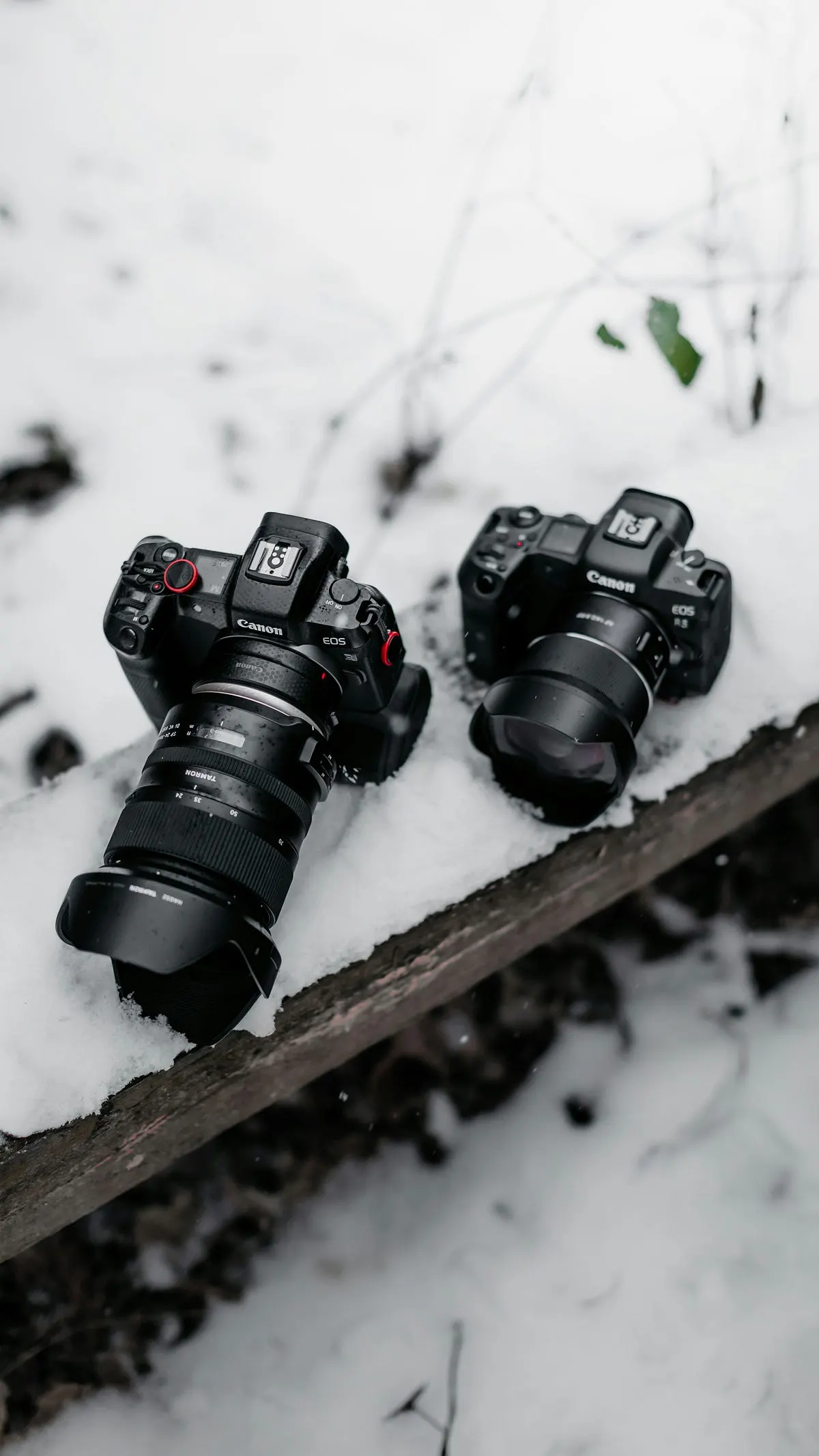
Top 3 Mirrorless Cameras: Canon R6 II, Panasonic S5 II and Nikon Z30
Top 3 Mirrorless Cameras: Canon R6 II, Panasonic S5 II and Nikon Z30: key features, strengths, drawbacks and who should buy the Canon EOS R6 Mark II.
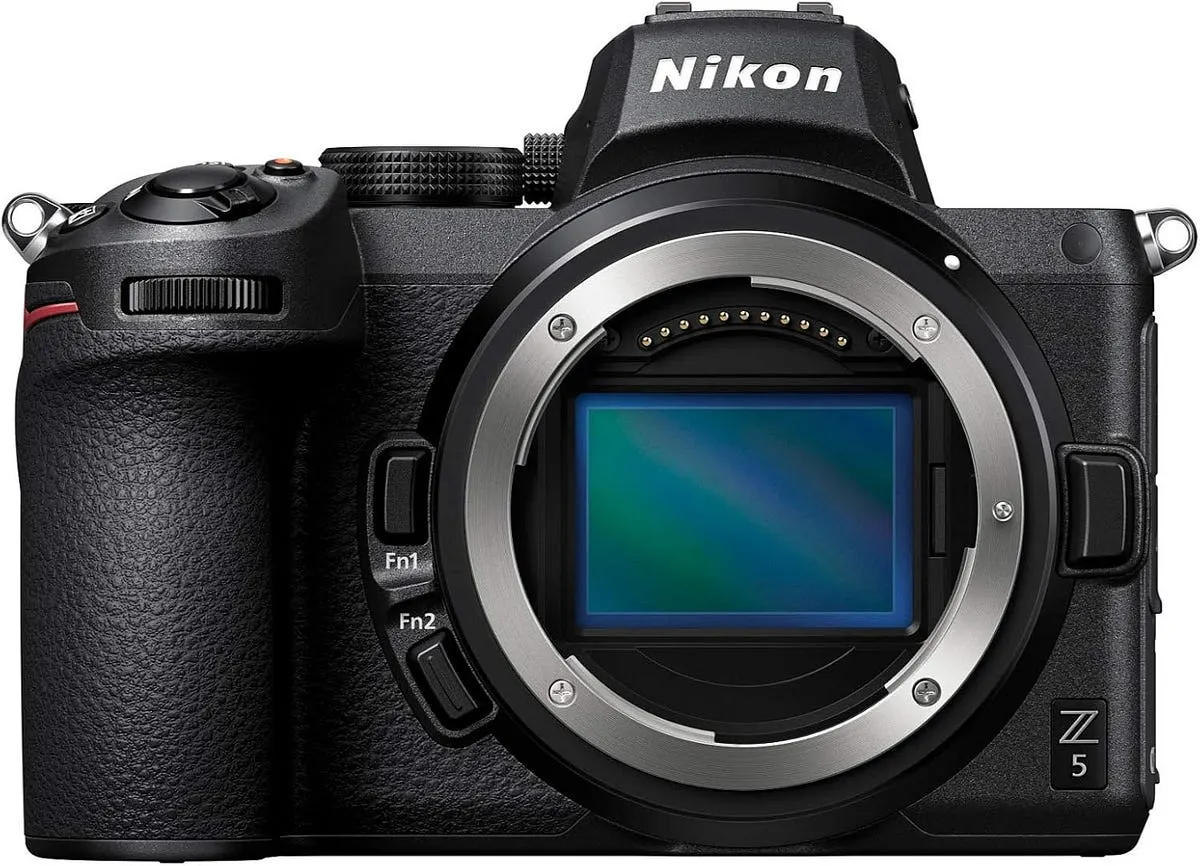
Best Full Frame Mirrorless Camera for Beginners Nikon
Best Full Frame Mirrorless Camera for Beginners Nikon: key features, strengths, drawbacks and who should buy the Nikon Z5.
Best Wide-angle Lenses for Nikon Z Mirrorless Cameras
Best Wide-angle Lenses for Nikon Z Mirrorless Cameras — what the Nikon NIKKOR Z 14–30mm f/4 offers, where it falls short, and whether it is worth buying.