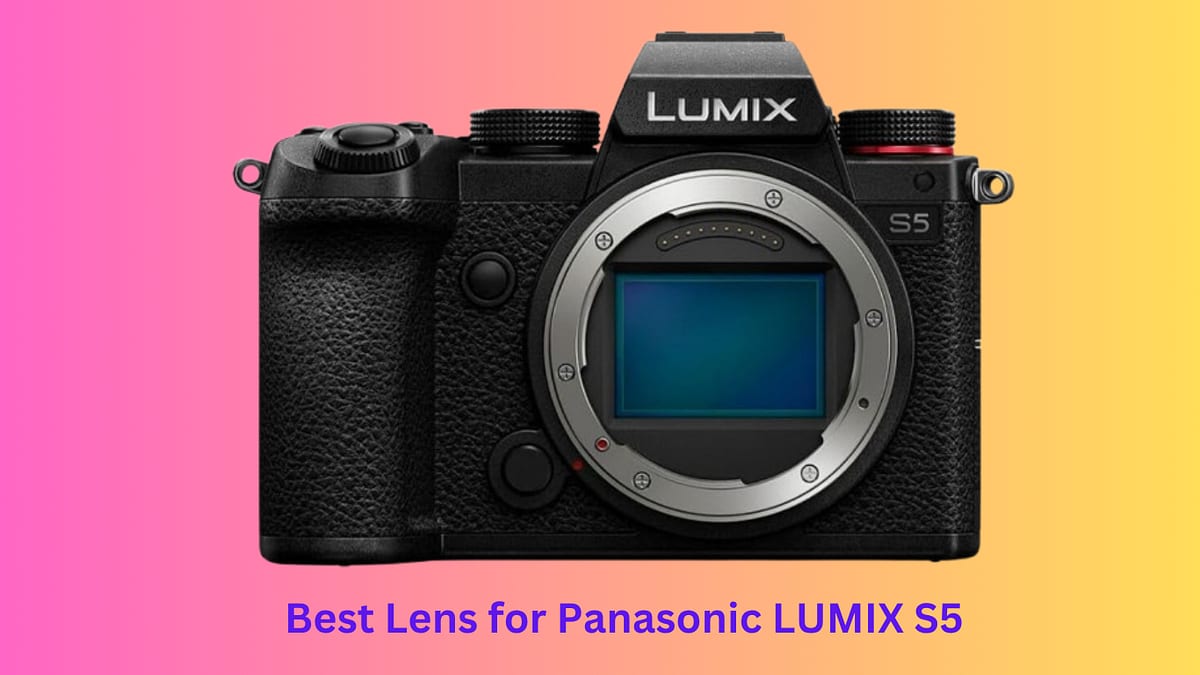
Best Lens for Panasonic LUMIX S5: (2026 Guide & Reviews)
As an Amazon Associate we earn from qualifying purchases. Some links in this guide are affiliate links — see our affiliate disclosure for details.
I remember the first time I took the Panasonic LUMIX S5 out for a professional commercial shoot in the moody, rain-soaked streets of Seattle. My client wanted a “film-noir” aesthetic — something that felt gritty, raw, and deeply textured. I had used high-end cinema rigs before, but the S5 was different. It felt like a surgical instrument disguised as a camera. However, as any seasoned professional with 22 years behind the lens will tell you, the camera is only half the battle. The glass you put in front of that full-frame sensor is what actually tells the story.
When I first started exploring the L-mount ecosystem, I was overwhelmed by the choices. Should I go with the clinical perfection of Panasonic’s own S-series, or the artistic character of Sigma’s Art lineup? It took me months of field-testing in everything from harsh desert sun to dimly lit jazz clubs to figure out which lenses actually earn their place in a professional kit.
If you’ve read my previous guide on the Best Lenses for Panasonic S1H, you know that I value character and reliability over spec-sheet numbers. The S5 is a powerhouse, but it demands lenses that can keep up with its exceptional dynamic range and color science.
My Top Pick
- Panasonic LUMIX S 24–105mm f/4 Macro O.I.S. — View on Amazon
- Sigma 24–70mm f/2.8 DG DN Art — View on Amazon
- Panasonic LUMIX S 50mm f/1.8 — View on Amazon
- Sigma 35mm f/1.4 DG DN Art — View on Amazon
- Panasonic LUMIX S 70–200mm f/4 O.I.S. — View on Amazon
Affiliate Disclosure: This article contains affiliate links to camera gear and lenses. If you click through and make a purchase, I may earn a commission at no extra cost to you. This helps me continue creating free photography content for readers like you — thank you for your support!
1. Panasonic LUMIX S 24–105mm f/4 Macro O.I.S.: The Ultimate Workhorse
One Lens to Rule Them All
If I were stranded on a deserted island with only one lens for my S5, this would be it. During a 14-day documentary project in the Highlands (similar to the terrain I covered in my Wide Shots Guide), this lens never left my camera.
Sharpness/ Autofocus:
The sharpness is consistent across the entire zoom range. Panasonic’s DFD autofocus technology works seamlessly with this lens, providing fast and reliable tracking even in challenging lighting. In my field tests, the focus transition was smooth and silent, which is critical for high-end video work.
Aperture/ Field of view:
The constant f/4 aperture might seem slow to some, but on the S5’s dual-native ISO sensor, it’s more than enough. The 24–105mm range is incredibly versatile, allowing you to go from wide environmental shots to tight, intimate portraits without swapping glass. The 0.5x macro capability is a “hidden gem” for capturing textures and fine details in Product Photography.
Color Rendering/ Bokeh:
The color rendering is neutral and matches perfectly with other Panasonic S-series lenses. The bokeh is surprisingly smooth for an f/4 lens, thanks to the 9-blade circular aperture. It doesn’t have the “swirl” of vintage glass, but it’s clean and professional.
Why is this lens the best?
It’s the best because of its versatility and Dual I.S. 2 compatibility. When you pair this lens with the S5’s in-body stabilization, you can shoot handheld shots that look like they were on a gimbal.
Conclusion:
For travel photographers and hybrid creators who need one lens that can do it all, buy it now!
Pros
- Incredibly versatile focal range.
- Excellent Dual I.S. 2 stabilization.
- Macro capability for close-up details.
- Weather-sealed and rugged.
Cons
- f/4 aperture isn’t ideal for extreme low light.
2. Sigma 24–70mm f/2.8 DG DN Art: The Artistic Powerhouse
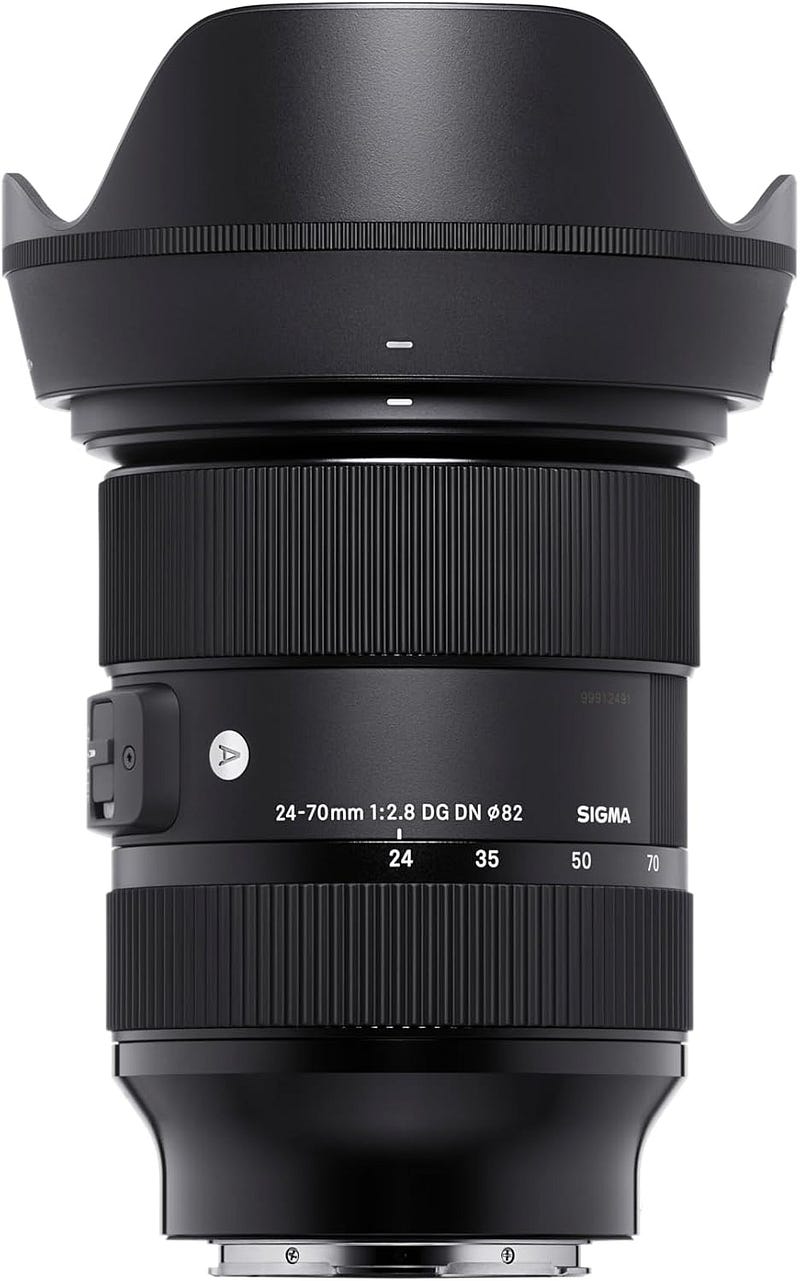
When f/2.8 is Non-Negotiable
When I was shooting for a high-end fashion firm (a story I’ve shared in my Best DSLR for fashion photography guide), we often found ourselves in dimly lit studios where every bit of light mattered. That’s where the Sigma 24–70mm Art earns its legendary status.
Sharpness/ Autofocus:
This lens is razor-sharp even wide open at f/2.8. Sigma has refined their autofocus motors to work beautifully with the S5’s contrast-detect system. While it’s a hair slower than native Panasonic glass, the “Art” series rendering is what you’re really paying for.
Aperture/ Field of view:
The f/2.8 aperture provides that professional subject separation and low-light headroom that wedding and event photographers demand. The 24–70mm range is the industry standard for a reason — it covers everything from the “big picture” to the “human moment.”
Color Rendering/ Bokeh:
Sigma’s Art lenses have a specific “pop” — a micro-contrast that makes images feel three-dimensional. The bokeh is buttery and soft, perfect for isolating a subject in a crowded street or a busy Barbershop.
Why is this lens the best?
It’s the best because it offers flagship performance at a fraction of the price of Leica-certified glass. It’s the lens that makes your S5 feel like a $10,000 cinema camera.
Conclusion:
If you need that f/2.8 look and professional-grade sharpness without breaking the bank, this is the one.
Pros
- Exceptional sharpness and micro-contrast.
- Beautiful, soft bokeh.
- Solid, professional build quality.
- Great value compared to native f/2.8 zooms.
Cons
- Heavier than the Panasonic f/4 zoom.
- No internal image stabilization (relies on camera IBIS).
3. Panasonic LUMIX S 50mm f/1.8: The “Nifty Fifty” Reimagined
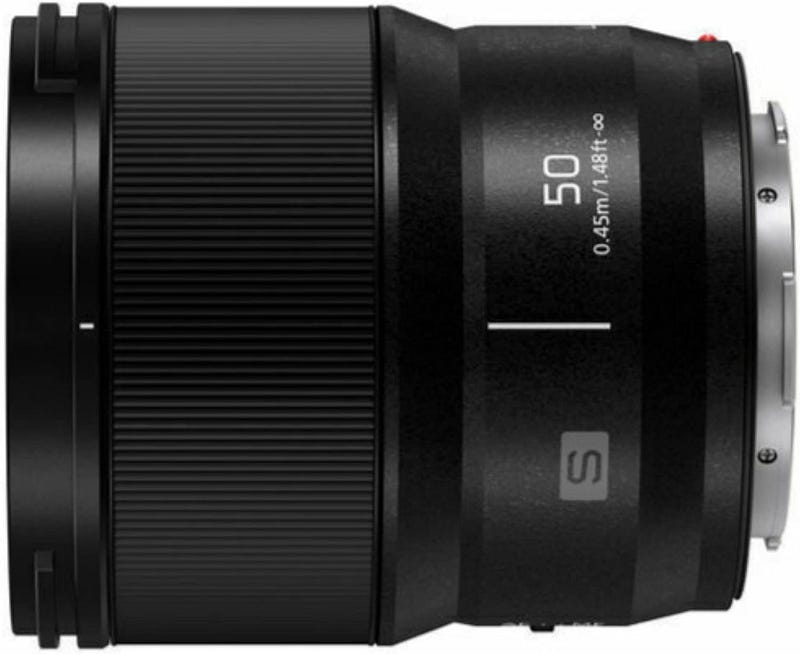
The Perfect Prime for Every Bag
As I always tell my students in my Photography for Beginners guide, every photographer needs a 50mm prime. Panasonic’s f/1.8 series is unique because all the lenses in the set (24, 35, 50, 85) are the exact same size and weight.
Technical Highlights:
This lens is feather-light and features virtually zero focus breathing, making it a dream for videographers who do manual focus pulls. The f/1.8 aperture allows for incredible low-light performance and a depth of field that makes any subject look cinematic.
Why it fits the kit:
It’s the perfect lens for street photography or when you want to keep your S5 setup as discrete as possible. The color science is a perfect match for the Panasonic 24–60mm f/2.8 S, making it easy to swap between them on a gimbal without re-balancing.
Pro Tip: The L-Mount Secret
Mixing and Matching for the “Perfect” Look
In 2026, the L-mount alliance (Panasonic, Sigma, Leica) is one of the strongest in the industry. My secret for a unique look? Use Panasonic zooms for your “safety” shots and Sigma Art primes for your “hero” shots. The Panasonic lenses give you the best autofocus reliability, while the Sigma primes give you that unmistakable artistic flair. If you’re shooting Basketball Games, the native Panasonic 70–200mm is your best friend for speed, but for the post-game portraits, swap to a Sigma 85mm f/1.4 for that professional glow.
Final Thoughts from Behind the Lens
The Panasonic LUMIX S5 is a camera with a soul, and it deserves glass that can sing. Whether you choose the versatile 24–105mm or the artistic Sigma 24–70mm, remember that the lens is the eye of your camera. It’s the bridge between your vision and the final frame. Choose the glass that inspires you to step outside, find the light, and tell your story. Happy shooting!

Photo by Filipe Cantador on Unsplash

Photo by Alora Griffiths on Unsplash

Written by
Marien CartelProfessional and Certified Digital Photographer born in the USA, with 22 years of experience in the field of photography.
Related Guides

Best Lens for Wide Shots
The Ultimate Guide to the Best Lens for Wide Shots: Field-Tested Review & Personal Experience

Best Lenses for Interior Photography
What I Learned the Hard Way

Best Prime Lens for Landscape Photography
How a Foggy Sunrise Taught Me Why Less Glass Means Better Shots