Best Camera for Cinematography: Low-Light, Autofocus & Value Picks
As an Amazon Associate we earn from qualifying purchases. Some links in this guide are affiliate links, see our affiliate disclosure for details.
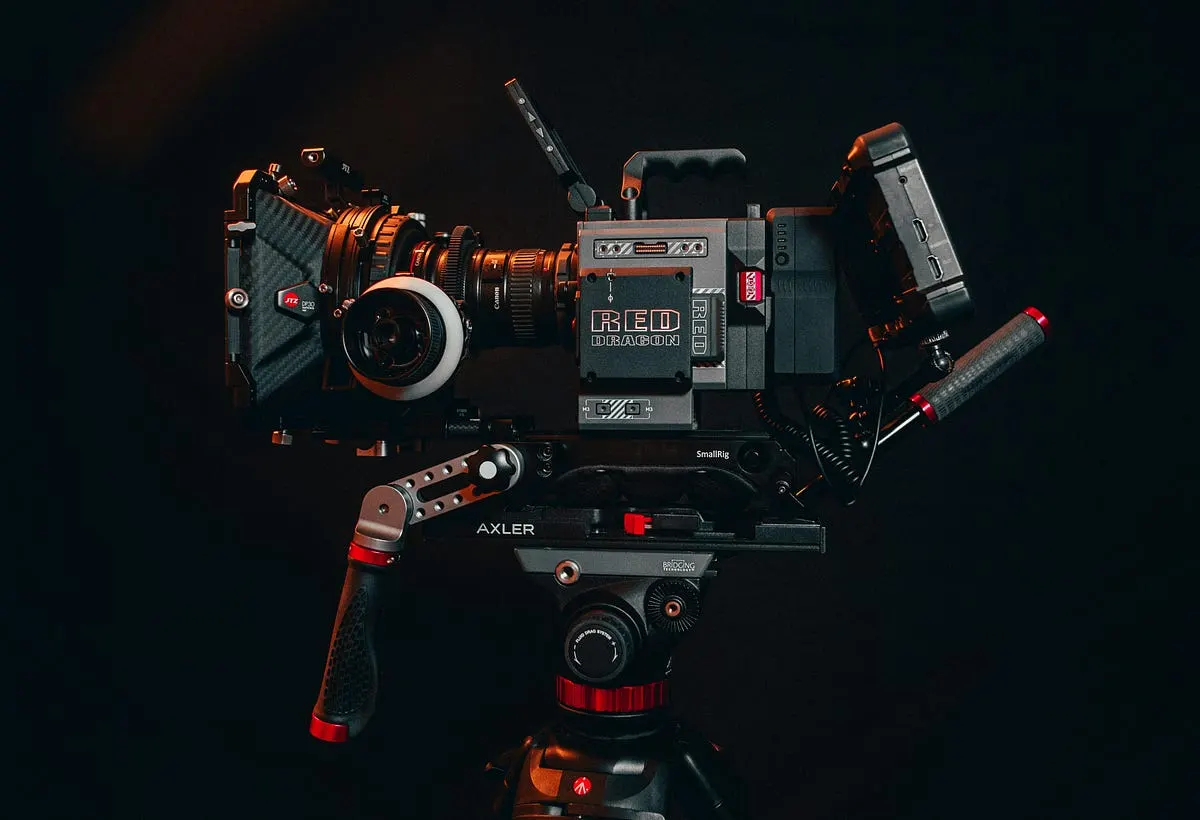
Photo by Billy Freeman on Unsplash
Recommended Gear for cinematography
Top options include the ARRI Alexa 35, RED V-RAPTOR XL, Sony VENICE 2, Blackmagic URSA Mini Pro 12K and Canon C500 Mark II, with best-for notes for each. Pick by budget, resolution and the kind of production.
ARRI Alexa 35
The ARRI Alexa series remains the gold standard in professional cinematography. The Alexa 35 offers 4.6K resolution with exceptional dynamic range (17+ stops) and ARRI’s renowned color science. What makes this camera special is its organic, film-like image quality that many cinematographers describe as “painterly.”
Key Strengths:
- Unparalleled highlight handling and skin tones
- Native 4.6K Super35 sensor with ARRI’s color science
- Robust, weather-sealed build quality
- Industry-standard workflow compatibility
Best For: Feature films, high-end commercials, and projects where budget allows for the best image quality possible.
RED V-RAPTOR XL
RED cameras are known for their resolution and raw recording capabilities. The V-RAPTOR XL continues this tradition with its 8K sensor while addressing previous RED cameras’ usability issues.
Key Strengths:
- 8K resolution with high frame rate capabilities
- Impressive 17+ stops of dynamic range
- Versatile modular design
- RED’s REDCODE RAW format for maximum post-production flexibility
Best For: Projects requiring extremely high resolution, VFX-heavy productions, and cinematographers who prioritize flexibility in post.
Sony VENICE 2
Sony’s flagship cinema camera combines practicality with outstanding image quality. The VENICE 2 features dual native ISO, impressive low-light performance, and Sony’s color science that has won over many cinematographers.
Key Strengths:
- Full-frame 8.6K sensor with dual base ISO
- Built-in ND filters
- Excellent low-light performance
- Sony’s sophisticated color science
Best For: Productions requiring versatility across various lighting conditions and cinematographers who appreciate Sony’s color rendition.
Blackmagic URSA Mini Pro 12K
Blackmagic Design has disrupted the cinema camera market with exceptional value. The URSA Mini Pro 12K offers incredible resolution at a fraction of competitors’ prices.
Key Strengths:
- 12K resolution with unique color filter array
- Blackmagic RAW format
- Exceptional price-to-performance ratio
- Integrated professional audio inputs
Best For: Independent filmmakers, documentaries, and productions with limited budgets but high-quality requirements.
Canon C500 Mark II
Canon’s cinema lineup has earned respect for reliability and color science. The C500 Mark II combines these strengths with a full-frame sensor and modular design.
Key Strengths:
- Full-frame 5.9K sensor
- Canon’s renowned color science and skin tones
- Internal Cinema RAW Light recording
- Modular design with exceptional ergonomics
Best For: Documentary filmmakers, run-and-gun productions, and cinematographers who value Canon’s color rendition.
Finding Your Perfect Match
The “best” camera ultimately depends on your specific needs, budget, and creative vision. Consider these factors when making your choice:
- Budget: Not just for the camera body, but also lenses, media storage, and accessories.
- Project Requirements: Consider resolution, frame rates, and dynamic range needed for your typical projects.
- Ecosystem: Think about compatibility with existing equipment and post-production workflows.
- Ergonomics: A camera you enjoy using will likely produce better results than one that frustrates you.
- Rental Availability: For occasional shoots, renting high-end equipment might be more practical than purchasing.
Conclusion
The best cinematography camera isn’t universal — it’s the one that becomes an extension of your creative vision. While technical specifications matter, the way a camera “sees” the world and how that aligns with your artistic sensibilities is what truly counts.
Remember that cinematography’s power lies not in the camera itself but in how you use it to tell stories. The perfect camera is simply the one that helps you translate your unique vision to the screen with the least resistance.
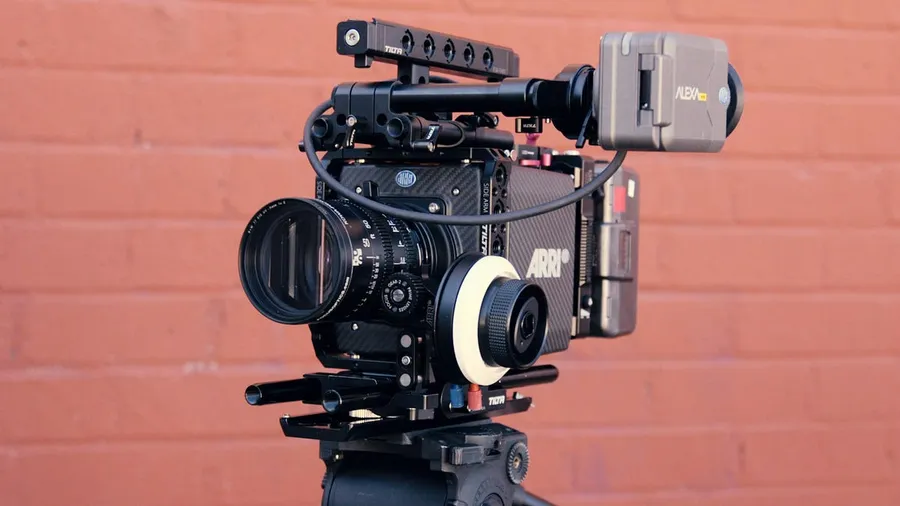
Photo by ShareGrid on Unsplash
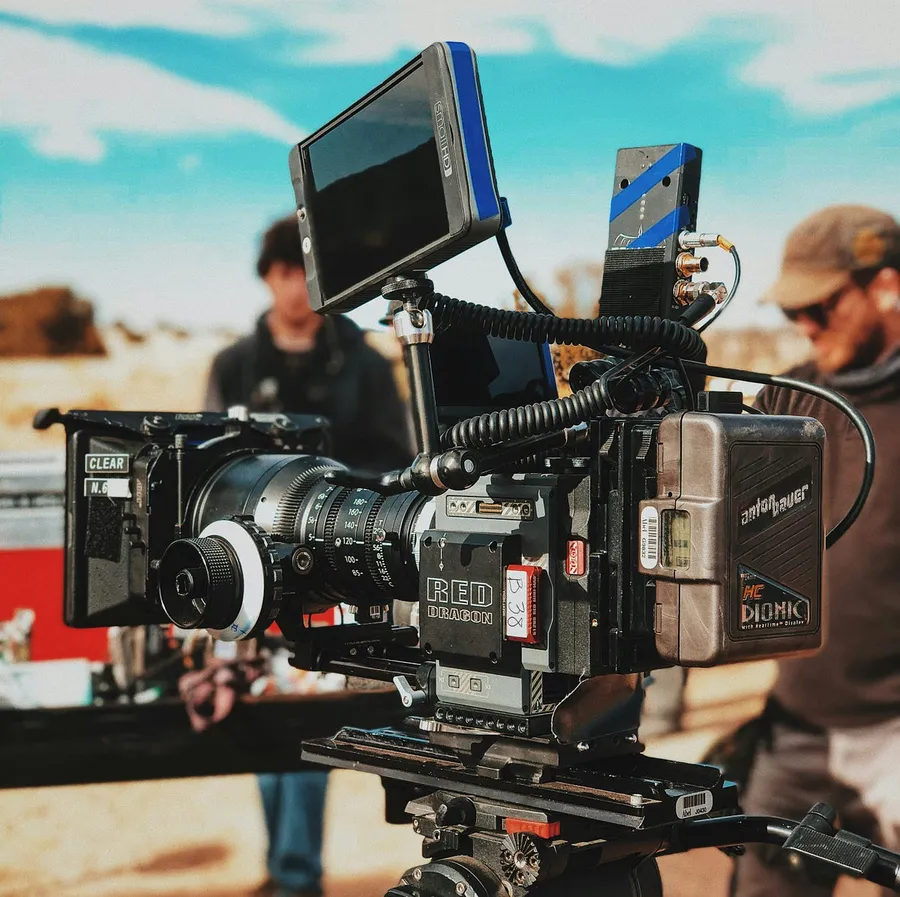
Photo by Chris Murray on Unsplash
Additional comparisons: Best Semi Professional Camera, Best Camera for Model Photography, and our budget camera matcher.
Camera & Lens Settings by Real-World Use Case
Match your focal length, aperture, shutter speed, and lighting modifier to the exact environment you shoot in.
YouTube Talking-Head, Podcasting & Desk Streaming
- Best Body:
- Sony ZV-E10 II / Sony a6700 / Canon EOS R50
- Ideal Lens:
- Sigma 16mm f/1.4 DC DN (APS-C) or 24mm f/1.8 (Full Frame)
- Aperture & Shutter:
- f/1.4 – f/2.0 (separates speaker from a close desk wall within 4 feet) · 1/50s (for 24fps) or 1/60s (for 30fps) — 180-degree shutter rule
- Room Distance:
- 0.8m – 1.4m (2.5 to 4.5 ft desk arm mount)
Overhead Top-Down Videos (Cooking, Crafts, Art & Unboxings)
- Best Body:
- Sony ZV-E10 II / Sony a6400 / Canon EOS R50
- Ideal Lens:
- Sigma 18–50mm f/2.8 DC DN or Sony E 15mm f/1.4 G / 24mm f/2.8
- Aperture & Shutter:
- f/4 – f/5.6 (deep enough that hands lifting objects off the table stay in focus) · 1/60s (30p) or 1/120s (60p for smooth hand movements)
- Room Distance:
- 0.7m – 1.1m directly above the tabletop
Gym Workouts, Fitness Coaching & Athletic Reels
- Best Body:
- Sony ZV-1 / Panasonic Lumix GH5 & GH7 / Sony a7 III
- Ideal Lens:
- 24mm–35mm f/1.8 or 16–35mm f/2.8 Zoom
- Aperture & Shutter:
- f/1.8 – f/2.8 (isolates athlete from crowded gym equipment) · 1/120s (for 4K 60fps slow-motion) or 1/60s (for 30fps)
- Room Distance:
- 1.5m – 3.0m (5 to 10 ft on a compact floor tripod or magnetic mount)

Written by
Marien CartelMarien Cartel runs Marien Cartel Photography, a camera and lens buying-guide site, and photographs the gear shown on it.
Related Guides
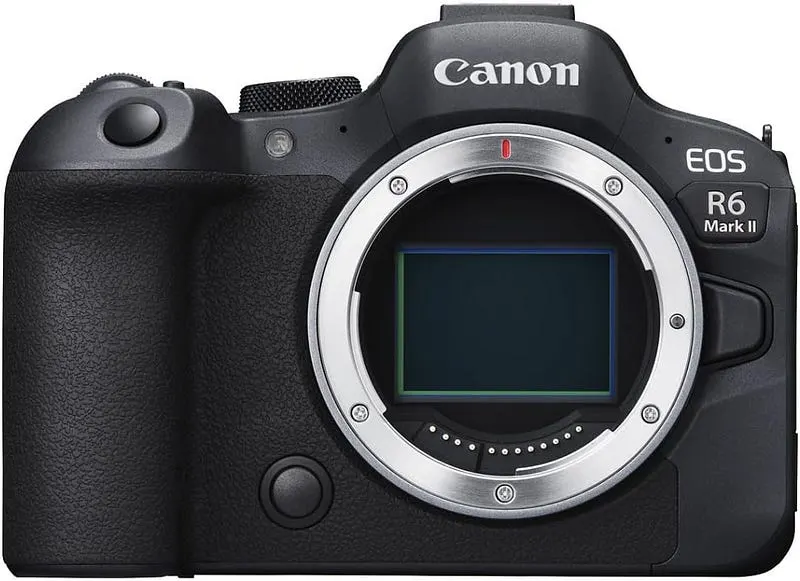
Best Mid-Range Canon Camera: Low-Light, Autofocus & Value Picks
The top pick is the Canon EOS R6 Mark II. It explains why it earns the best mid-range Canon crown and also covers its limits.
Best Camera For Cars Photography: Low-Light, Autofocus & Value Picks
Best Camera For Cars Photography: a side-by-side look at Sony a6000 and Sony E 16–55mm f/2.8 G, with strengths, trade-offs and buying advice.
Best Camera for Karting: Low-Light, Autofocus & Value Picks
Best Camera for Karting: GoPro Hero 12 Black, DJI Osmo Action 4 and Insta360 ONE RS compared on features, price and who each one suits.
Best Sony Cameras for Sports: Low-Light, Autofocus & Value Picks
Best Sony Cameras for Sports — Sony A7R V, Sony A7C II and Sony A9 III compared, with pros, cons and who should buy which.
Best Camera for Low Light: Low-Light, Autofocus & Value Picks
Best Camera for Low Light: Canon EOS R50, Sony a7S III and Canon EOS R6 compared on features, price and who each one suits.
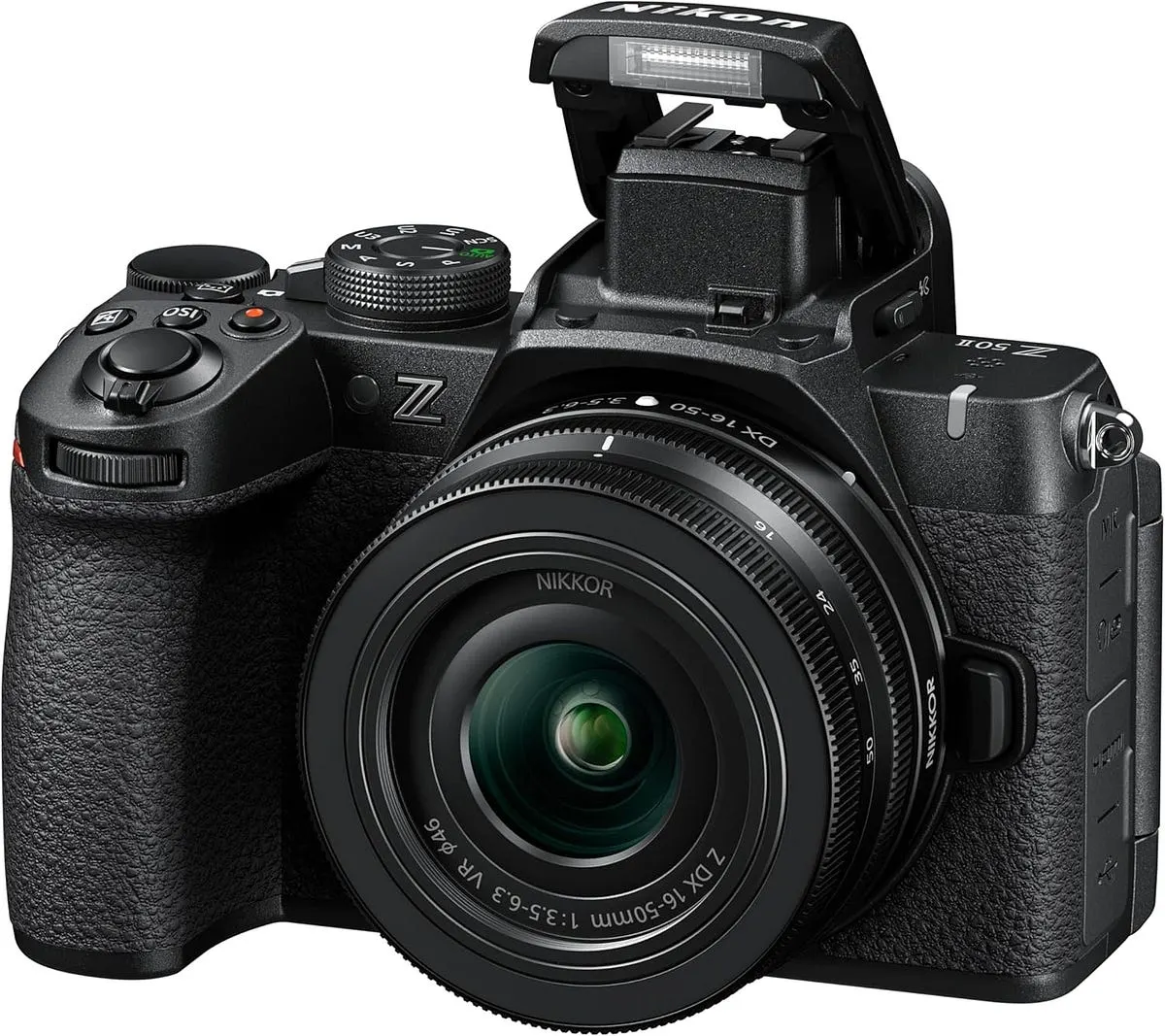
Nikon Z50II Review: Low-Light, Autofocus & Value Picks
Nikon Z50II Review: what to look for, what to skip and how to choose the right one for your budget. Updated for 2026.