Canon G7X vs Canon G7X Mark II: Top Bodies Compared by Budget
As an Amazon Associate we earn from qualifying purchases. Some links in this guide are affiliate links, see our affiliate disclosure for details.
Is the Canon G7 X Mark II better than the G7 X?
the G7 X Mark II improves on the original with a newer processor, faster shooting and longer battery life, while the image sensor and the lens are essentially the same. It lists when to choose the G7 X and when to choose the Mark II.
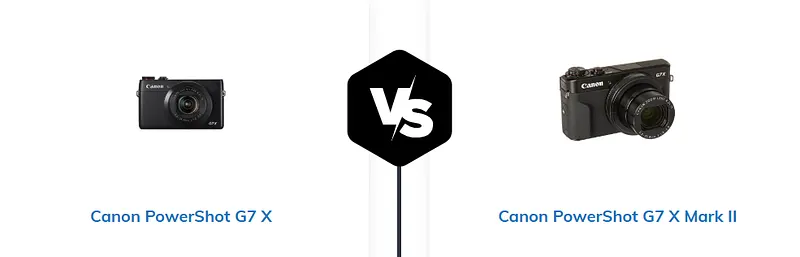
The Canon PowerShot G7 X Mark II keeps the 1-inch sensor and the 24–100mm f/1.8–2.8 lens of the original and adds a newer processor and a few practical upgrades:
- Battery life: The G7 X Mark II is rated for 265 shots, which is 55 more than the G7 X’s 210 shots.
- Continuous drive mode: The G7 X Mark II can shoot continuously at 8 frames per second (fps), while the G7 X shoots at 6.5 fps.
- Processor: The G7 X Mark II has the DIGIC 7 Image Processor, which improves autofocus tracking, noise handling and in-camera processing compared with the DIGIC 6 of the original.
- Image sensor: Both cameras use a 1-inch CMOS sensor of about 20 megapixels, so basic image quality is very similar.
- Screen: Both have a 3-inch tilting touchscreen that flips up for selfies.
- Video recording: Both record 1080p video at up to 60 fps; neither shoots 4K.
The Canon G7X and G7X Mark II are both popular compact cameras known for their impressive image quality and pocketability. But which one is the better choice for you? Let’s dive in!
Story
Check Price of Canon G7X on Amazon
Check Price of Canon G7X Mark II on Amazon
Key Differences
- Image Sensor: There is no real difference. Both use a 1-inch sensor of about 20 megapixels, so low-light performance and dynamic range are close.
- Processor and autofocus: The Mark II’s DIGIC 7 processor gives it better autofocus tracking, faster continuous shooting (8 fps against 6.5 fps) and cleaner processing, making it easier to capture fleeting moments.
- Battery: The Mark II lasts longer per charge (265 shots against 210), which matters on a travel day.
- Video Capabilities: Both record 1080p at up to 60 fps. If you need 4K, look at the G7 X Mark III instead.
- Handling: Both have a tilting touchscreen and a control ring around the lens; the Mark II adds a more textured grip and a few extra controls.
Check Price of Canon G7X on Amazon
Check Price of Canon G7X Mark II on Amazon
Choose the Canon G7X if
- You’re on a budget and can find a good used one.
- You primarily shoot in well-lit conditions.
- You don’t need the faster burst speed or the extra battery life.
Choose the Canon G7X Mark II if
- You want the newer processor and better autofocus tracking.
- You shoot moving subjects, children or pets and want 8 fps.
- You want more battery life for a day of travel.
- You prefer the slightly improved grip and controls.
Check Price of Canon G7X on Amazon
Check Price of Canon G7X Mark II on Amazon
Conclusion
Both the Canon G7X and G7X Mark II are excellent compact cameras that offer impressive image quality and portability. The Mark II is a refinement rather than a big leap: the same sensor and lens, with a faster processor, better battery life and quicker shooting. If the price difference is small, the Mark II is the better choice; if you find a good used G7 X at a much lower price, it is still a very capable camera.
Check Price of Canon G7X on Amazon
Check Price of Canon G7X Mark II on Amazon
Photo by PartTime Portraits on Unsplash

Photo by Vincent van Zalinge on Unsplash
More options: Canon G7X Mark II, Canon R5 Mark II Review, plus the mount compatibility tool.
Camera & Lens Settings by Real-World Use Case
Match your focal length, aperture, shutter speed, and lighting modifier to the exact environment you shoot in.
Tattoo Artists & Micro-Realism Portfolios
- Best Body:
- Sony Alpha a7 III / Fujifilm X-T4
- Ideal Lens:
- 90mm f/2.8 Macro (detail) or 50mm f/1.8 (sleeves & back pieces)
- Aperture & Shutter:
- f/5.6 – f/8 (keeps curved forearms and calves sharp edge-to-edge) · 1/125s – 1/200s handheld (or 1/60s on tripod)
- Room Distance:
- 0.4m – 1.5m (1.5 to 5 ft)
Barbershops, Hairstylists & Color Salons
- Best Body:
- Sony a7 IV / Canon EOS R6 Mark II
- Ideal Lens:
- 50mm f/1.8 (tight stations) or 85mm f/1.8 (spacious salons)
- Aperture & Shutter:
- f/1.8 – f/2.8 (blurs background chairs while keeping the lineup tack-sharp) · 1/160s – 1/250s (freezes subtle head movement in the chair)
- Room Distance:
- 1.5m – 2.4m (5 to 8 ft from the styling chair)
Makeup Artists (MUA) & Beauty Tutorials
- Best Body:
- Sony Alpha a6400 / Canon G7 X Mark III
- Ideal Lens:
- Sigma 56mm f/1.4 DC DN (APS-C) or 50mm–85mm f/1.8 (Full Frame)
- Aperture & Shutter:
- f/2.8 – f/4 for full-face sharpness; f/5.6 for macro eye/lip close-ups · 1/125s for stills; 1/50s (24p) or 1/120s (60p) for video tutorials
- Room Distance:
- 1.2m – 2.2m (4 to 7 ft)

Written by
Marien CartelMarien Cartel runs Marien Cartel Photography, a camera and lens buying-guide site, and photographs the gear shown on it.
Related Guides
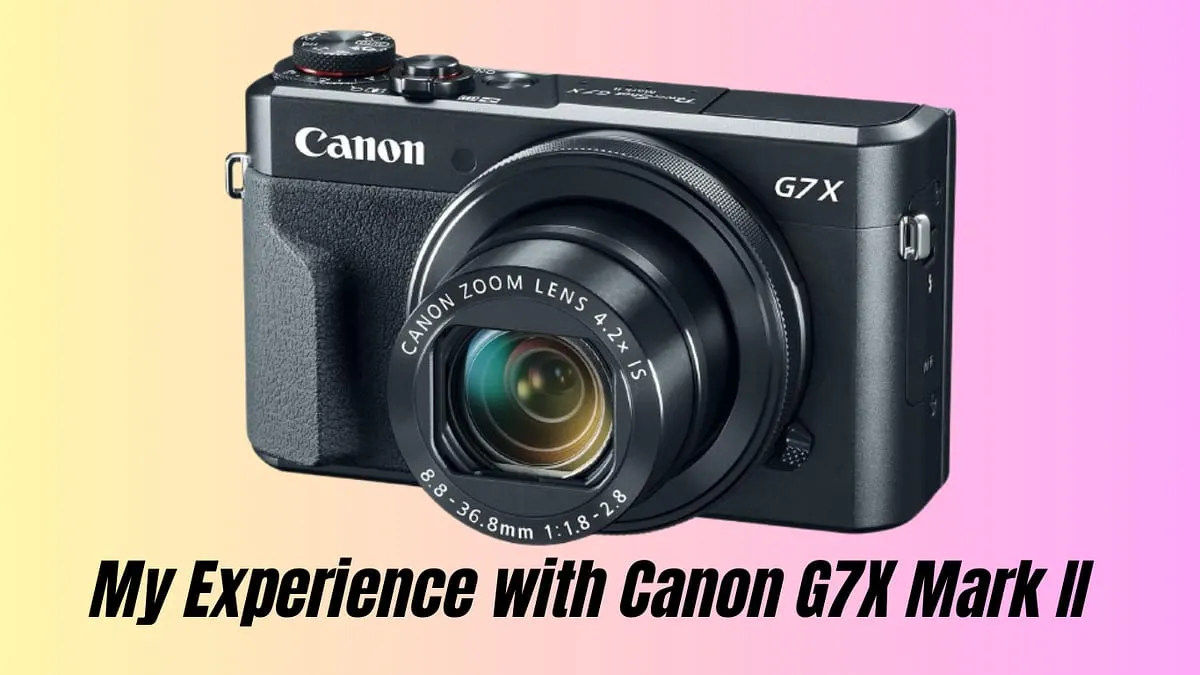
Canon G7X Mark II: Top Bodies Compared by Budget
Canon G7X Mark II: what to look for, what to skip and how to choose the right one for your budget. Updated for 2026.
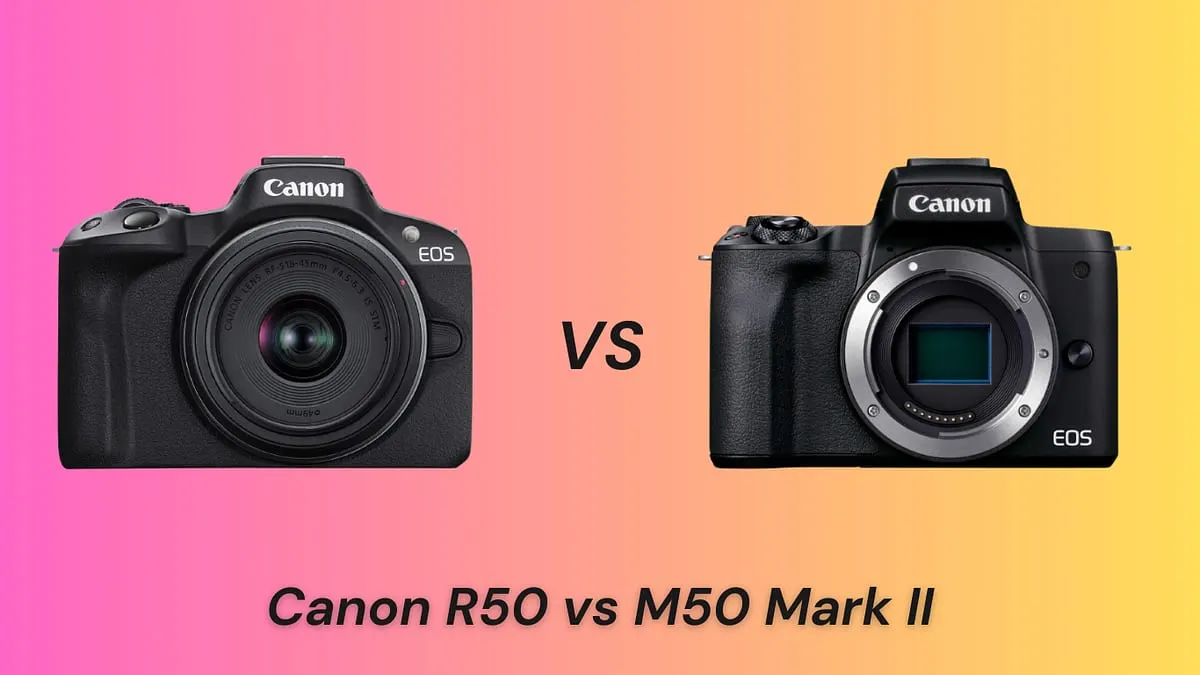
Canon R50 vs M50 Mark II: Top Bodies Compared by Budget
Canon R50 vs M50 Mark II compared — where each one wins, where it falls short, and who should buy which. Updated for 2026.
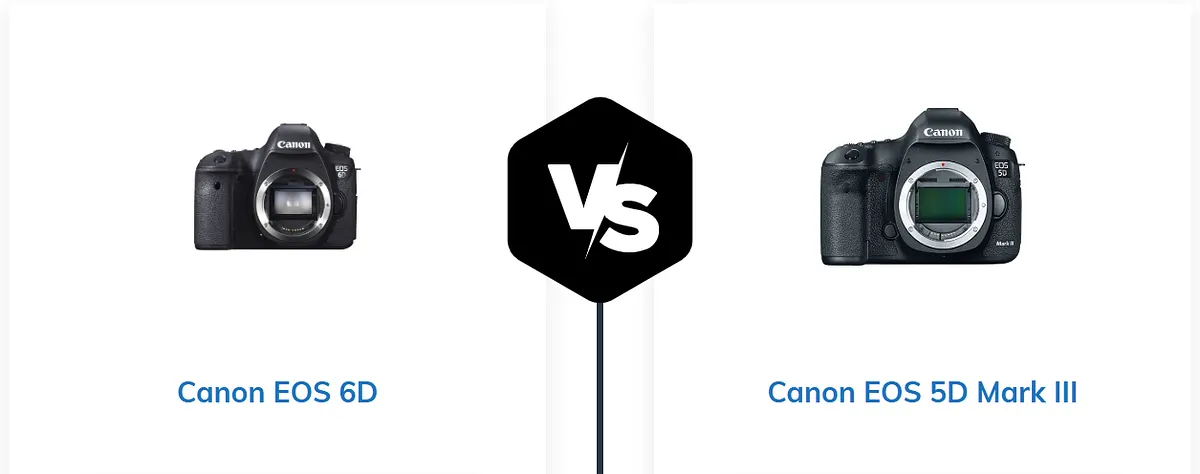
Canon 6D vs Canon 5D Mark III: Top Bodies Compared by Budget
Canon 6D vs Canon 5D Mark III compared — where each one wins, where it falls short, and who should buy which. Updated for 2026.
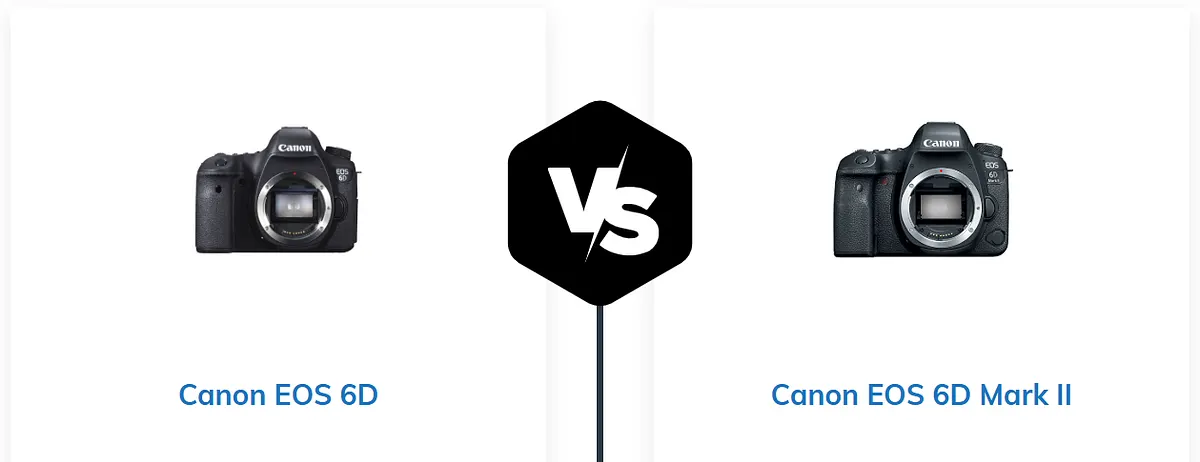
Canon 6D vs Canon 6D Mark II: Recommended Bodies & Kit Lenses
Canon 6D vs Canon 6D Mark II compared — where each one wins, where it falls short, and who should buy which. Updated for 2026.
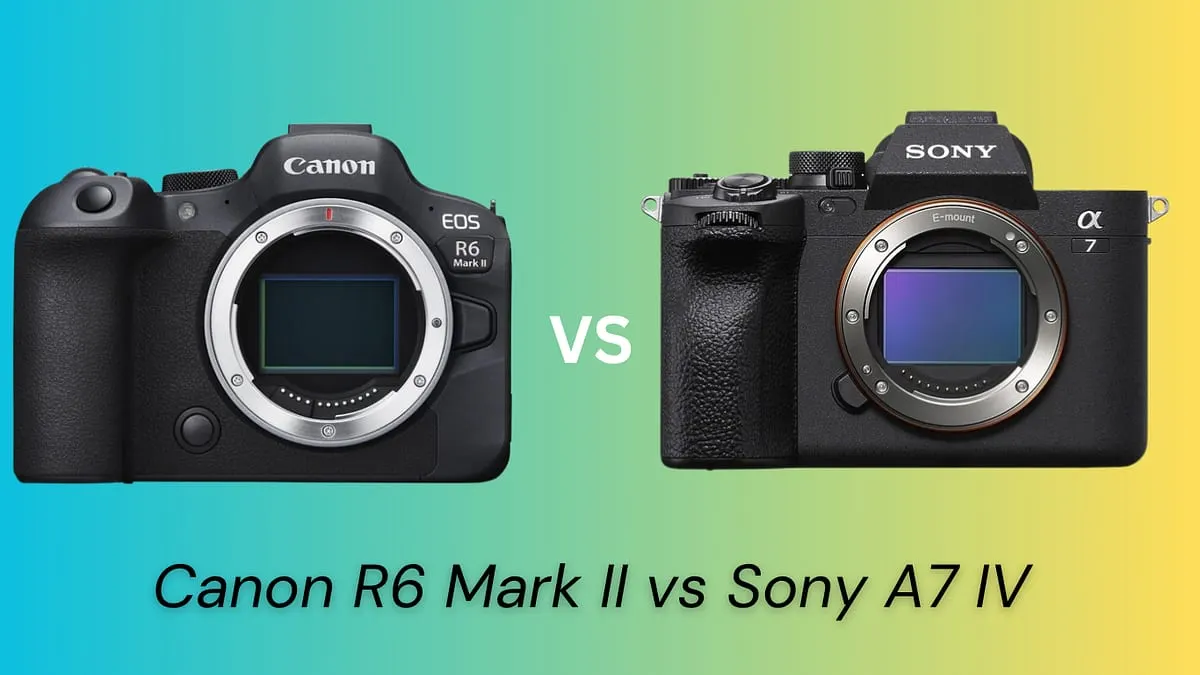
Canon R6 Mark II vs Sony A7 IV (Image Quality & Top Alternatives)
This comparison evaluates the two on image quality, autofocus, video, handling and lens ecosystem, then explains which one to choose depending on your needs.
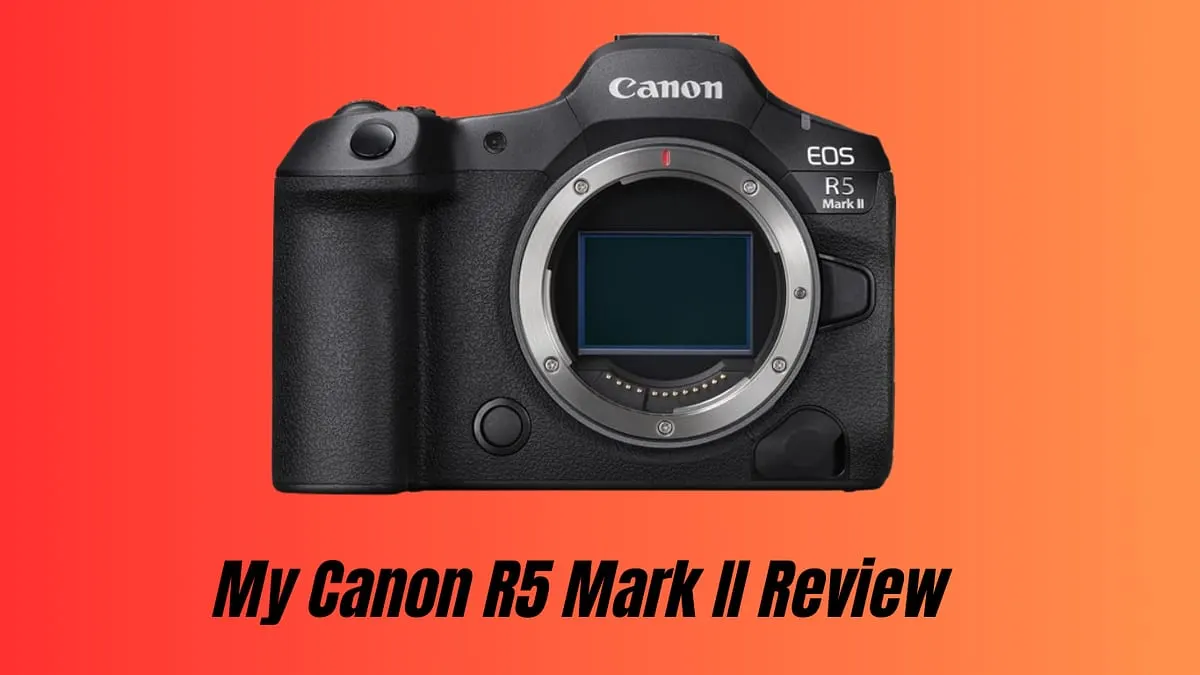
Canon R5 Mark II Review: Top Picks & Sensor Comparison
Canon R5 Mark II Review: what to look for, what to skip and how to choose the right one for your budget. Updated for 2026.