Canon R5 Mark II Review: Top Picks & Sensor Comparison
As an Amazon Associate we earn from qualifying purchases. Some links in this guide are affiliate links, see our affiliate disclosure for details.
Should you upgrade to the Canon R5 Mark II?
Upgrade if you shoot fast action, wildlife or hybrid stills and video, because the R5 Mark II adds a stacked sensor, much faster electronic-shutter bursts, better subject tracking and improved heat handling for video. Stay with the original R5 if you mostly shoot landscapes, portraits or studio work, because both cameras share a 45-megapixel resolution and the original remains very capable. The Mark II launched at $4,299 body-only, so the upgrade is a real cost.
What is new in the Canon R5 Mark II?
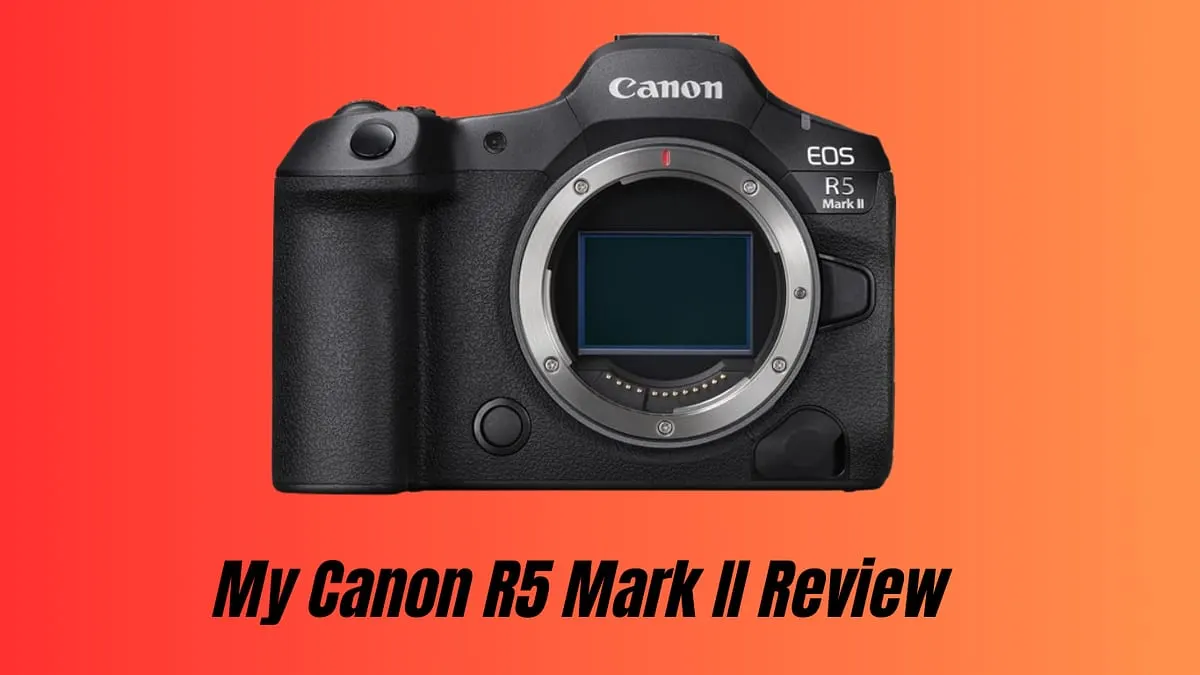
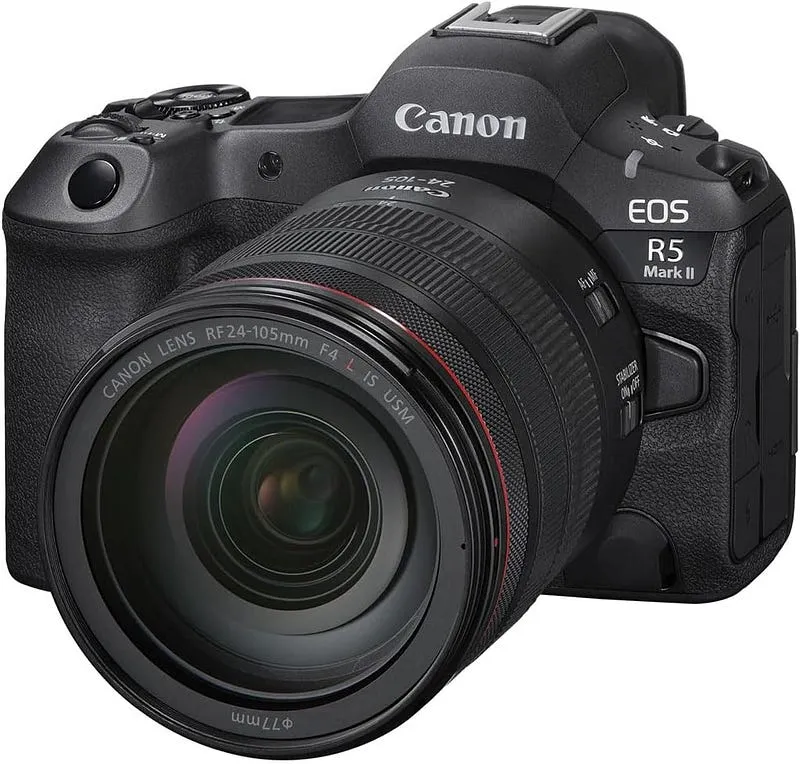
According to Wikipedia's entry on the Canon EOS R5 Mark II, the camera is a full-frame mirrorless body with a stacked CMOS sensor, a 5.76-million-dot electronic viewfinder and shutter speeds up to 1/32,000 s with the electronic shutter. It weighs about 746 g with battery and card and is weather-sealed. Canon lists a launch price of $4,299 for the body.
The main upgrades over the original R5 are:
- Stacked sensor. It reads out faster, which reduces rolling-shutter distortion with the electronic shutter and supports much faster bursts.
- Autofocus. Newer subject detection recognises people, animals and vehicles, and Canon's Eye Control AF lets the photographer pick a focus point by looking at it.
- Pre-capture. The camera can start recording frames a fraction of a second before the shutter is fully pressed, which helps with unpredictable action.
- Video. Canon lists 8K RAW recording and higher-frame-rate 4K, with improved heat management compared with the original R5.
- Stabilization. In-body image stabilization is rated higher than on the original body.
Original R5 or R5 Mark II?
| Canon EOS R5 | Canon EOS R5 Mark II | |
|---|---|---|
| Resolution | 45 MP | 45 MP |
| Sensor | Non-stacked CMOS | Stacked CMOS |
| Electronic-shutter bursts | Slower | Much faster |
| Autofocus | Strong subject tracking | Newer subject detection and Eye Control AF |
| Video | 8K | 8K with improved heat handling |
| Launch price (body only) | $3,899 | $4,299 |
Both cameras have a resolution of 45 megapixels, so image detail for static subjects is similar. The Mark II is the better tool for moving subjects and demanding video, while the original R5 stays a strong option and is often cheaper, particularly used. Check the maker's page for current specifications.
Who should upgrade?
- Wildlife and sports shooters. Faster bursts, pre-capture and subject tracking improve keeper rates.
- Hybrid shooters. Better heat handling and higher frame rates help video work.
- Anyone who needs a new body. If an older body is failing, the Mark II is the better buy.
Who should keep the original R5?
- Landscape, portrait and studio photographers. The resolution is unchanged, so the picture will look similar.
- Buyers on a budget. The saving buys a fast lens, which often matters more than a body upgrade.
- Occasional video shooters. The original R5 already records high-quality video.

Lenses for the R5 Mark II
A 45-megapixel body shows lens weaknesses, so sharp lenses are the best match. See the best lenses for the Canon EOS R5 Mark II and the comparison of the Canon R6 Mark II and R5 Mark II.

Frequently asked questions
Is the R5 Mark II worth the price? For action and video professionals, yes. For photographers who shoot mostly static subjects, the original R5 or the R6 Mark II is better value.
Does it have more megapixels than the R5? No. Both cameras are 45 megapixels. The change is the sensor design and speed.
Does it overheat when recording video? Canon lists improved heat management compared with the original R5, but long high-resolution recordings still depend on conditions. Check the maker's recording limits.
What cards does it use? Canon lists a CFexpress Type B slot and an SD UHS-II slot.
Camera & Lens Settings by Real-World Use Case
Match your focal length, aperture, shutter speed, and lighting modifier to the exact environment you shoot in.
Tattoo Artists & Micro-Realism Portfolios
- Best Body:
- Sony Alpha a7 III / Fujifilm X-T4
- Ideal Lens:
- 90mm f/2.8 Macro (detail) or 50mm f/1.8 (sleeves & back pieces)
- Aperture & Shutter:
- f/5.6 – f/8 (keeps curved forearms and calves sharp edge-to-edge) · 1/125s – 1/200s handheld (or 1/60s on tripod)
- Room Distance:
- 0.4m – 1.5m (1.5 to 5 ft)
Barbershops, Hairstylists & Color Salons
- Best Body:
- Sony a7 IV / Canon EOS R6 Mark II
- Ideal Lens:
- 50mm f/1.8 (tight stations) or 85mm f/1.8 (spacious salons)
- Aperture & Shutter:
- f/1.8 – f/2.8 (blurs background chairs while keeping the lineup tack-sharp) · 1/160s – 1/250s (freezes subtle head movement in the chair)
- Room Distance:
- 1.5m – 2.4m (5 to 8 ft from the styling chair)
Makeup Artists (MUA) & Beauty Tutorials
- Best Body:
- Sony Alpha a6400 / Canon G7 X Mark III
- Ideal Lens:
- Sigma 56mm f/1.4 DC DN (APS-C) or 50mm–85mm f/1.8 (Full Frame)
- Aperture & Shutter:
- f/2.8 – f/4 for full-face sharpness; f/5.6 for macro eye/lip close-ups · 1/125s for stills; 1/50s (24p) or 1/120s (60p) for video tutorials
- Room Distance:
- 1.2m – 2.2m (4 to 7 ft)

Written by
Marien CartelMarien Cartel runs Marien Cartel Photography, a camera and lens buying-guide site, and photographs the gear shown on it.
Related Guides
Canon EOS R6 Mark II vs. Canon EOS R5 Mark II
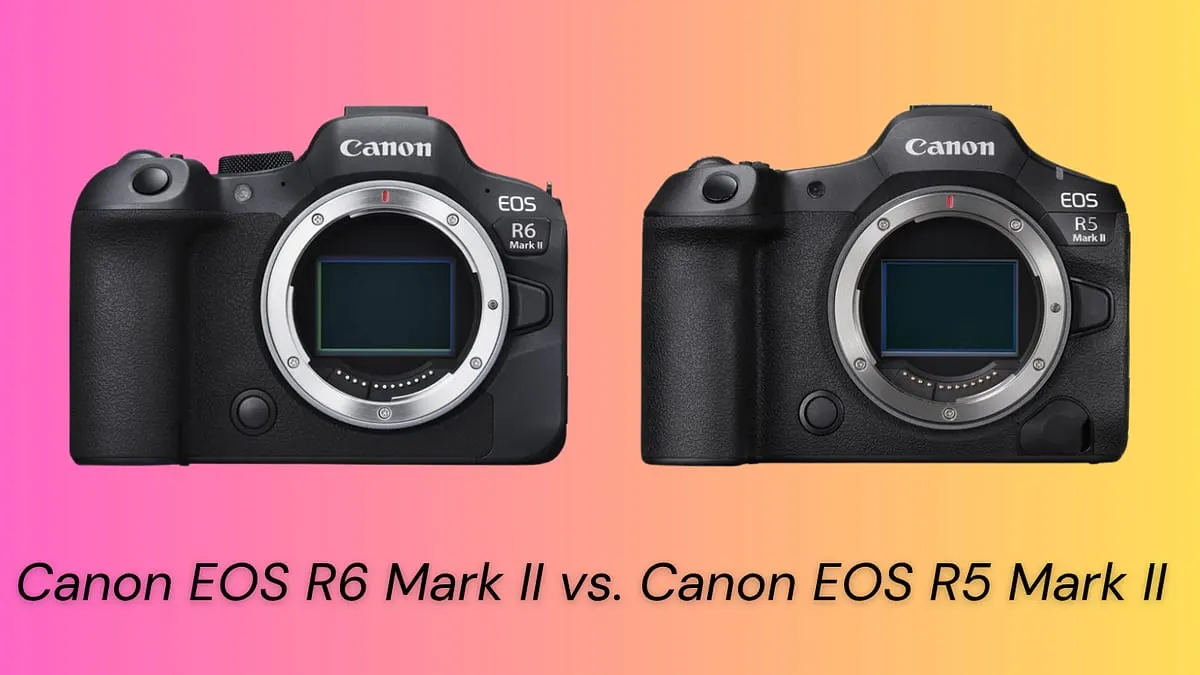
Canon EOS R6 Mark II vs. Canon EOS R5 Mark II: key differences in specs, autofocus, video and price, and which one suits you.
Best Lenses for Canon EOS R5 Mark II
Best Lenses for Canon EOS R5 Mark II — Canon RF 24–70mm f/2.8L IS and Canon RF 50mm f/1.2L USM compared, with pros, cons and who should buy which.
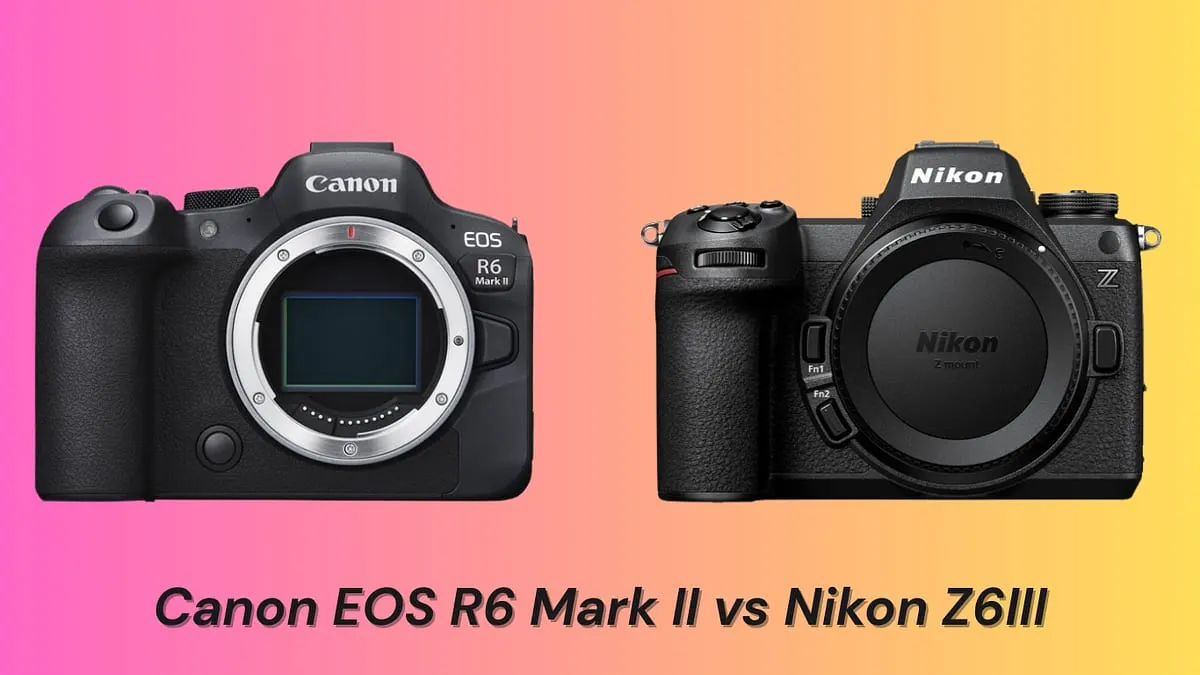
Canon EOS R6 Mark II vs Nikon Z6III: Tested Models & Buying Guide
Canon EOS R6 Mark II vs Nikon Z6III: Which One Should You Choose? — how the Canon EOS R6 Mark II and Nikon Z6III differ in autofocus, viewfinder and video.
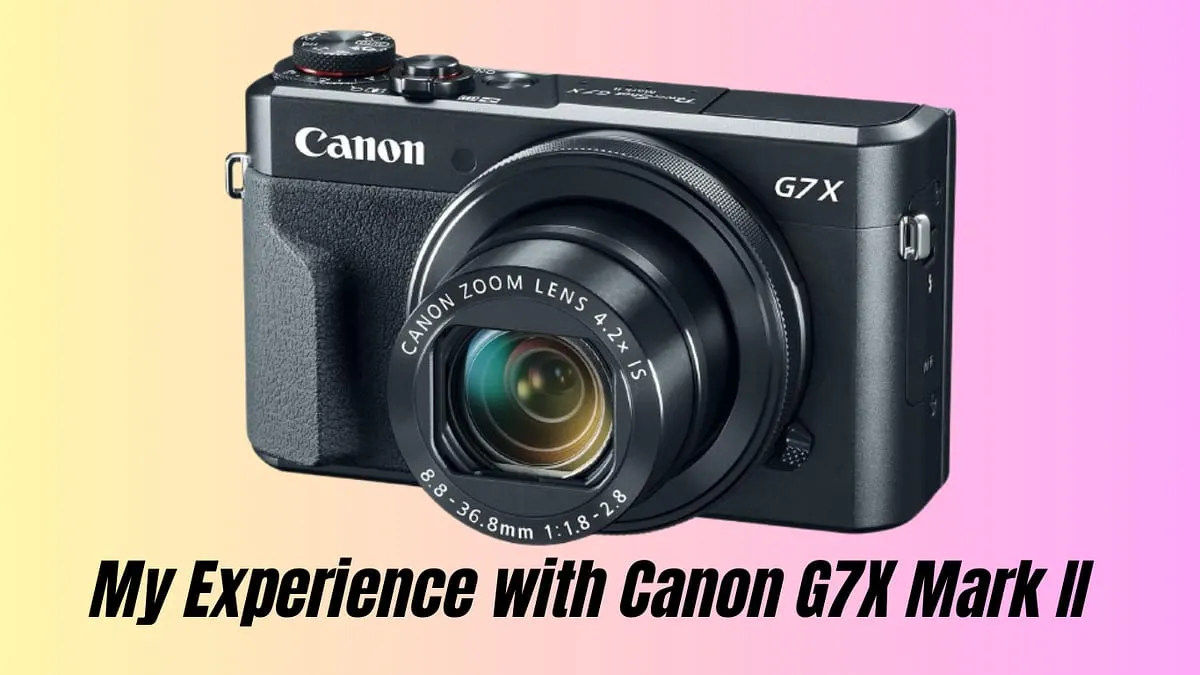
Canon G7X Mark II: Top Bodies Compared by Budget
Canon G7X Mark II: what to look for, what to skip and how to choose the right one for your budget. Updated for 2026.
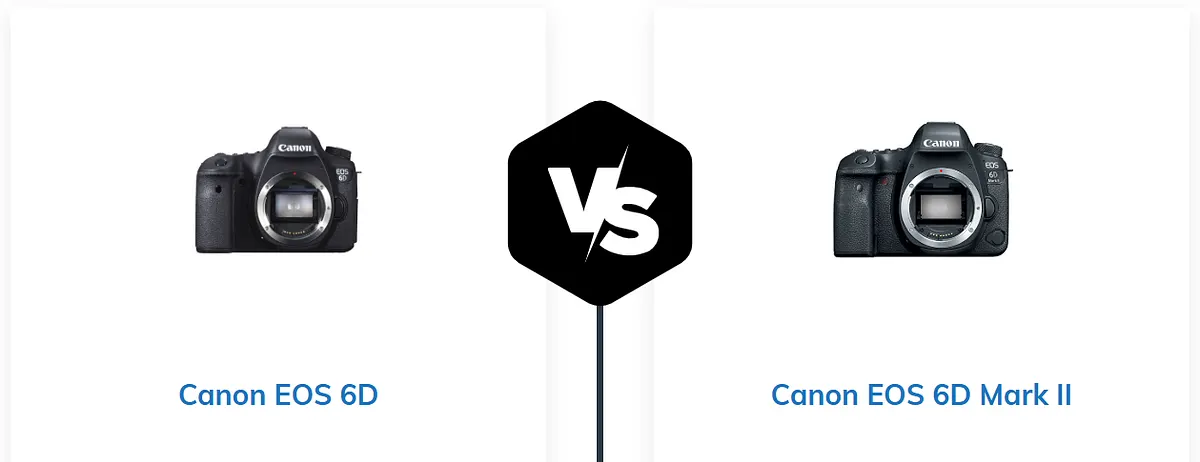
Canon 6D vs Canon 6D Mark II: Recommended Bodies & Kit Lenses
Canon 6D vs Canon 6D Mark II compared — where each one wins, where it falls short, and who should buy which. Updated for 2026.
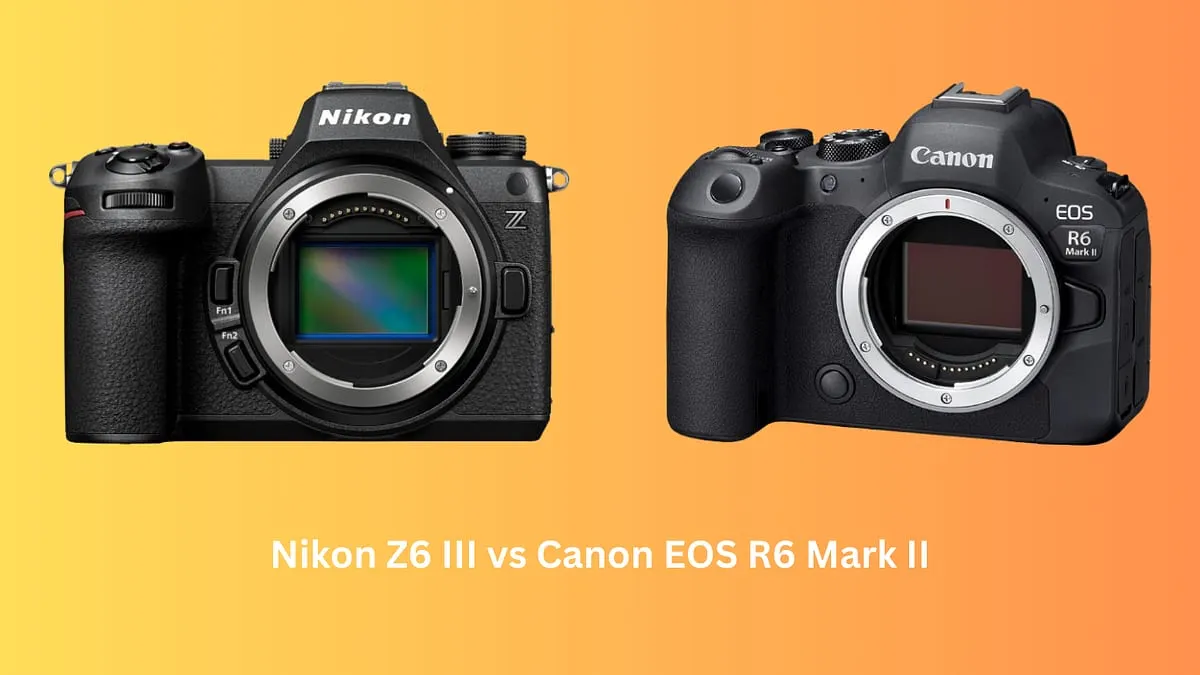
Nikon Z6 III vs Canon EOS R6 Mark II
Nikon Z6 III vs Canon EOS R6 Mark II: key differences in specs, autofocus, video and price, and which one suits you.