How to avoid legal trouble with street photography
As an Amazon Associate we earn from qualifying purchases. Some links in this guide are affiliate links — see our affiliate disclosure for details.
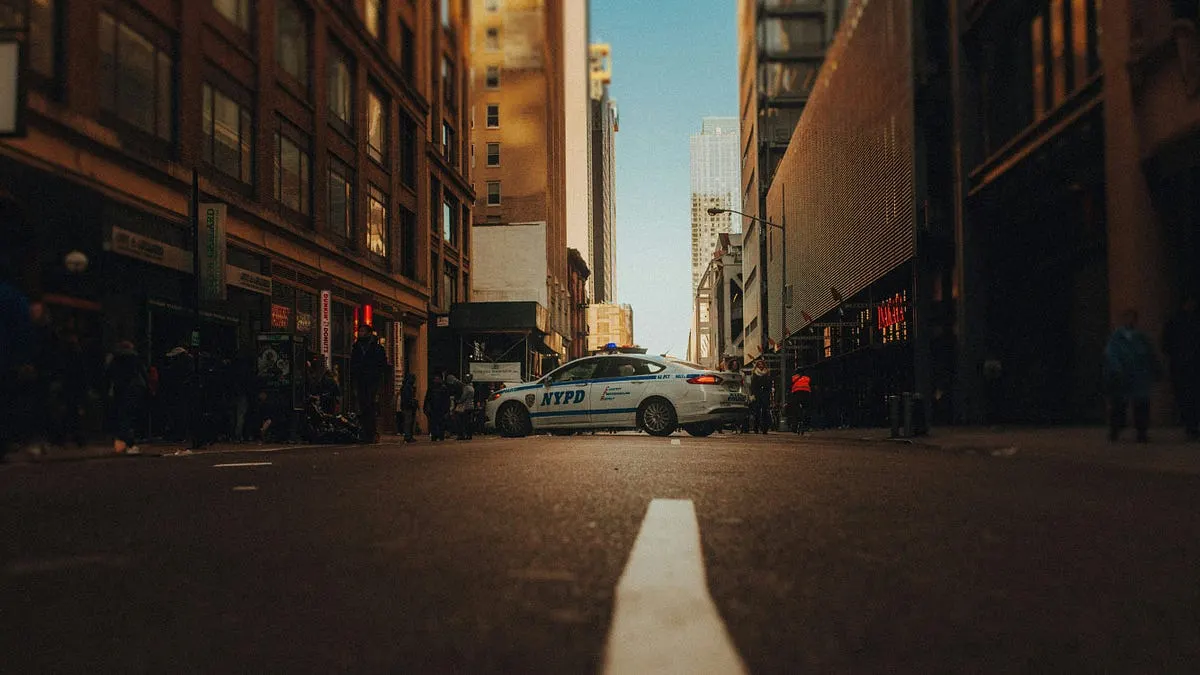
Photo by Josh Couch on Unsplash
Street photography is a captivating art form that allows you to capture the essence of everyday life in public spaces. However, it’s important to be aware of the legal considerations to ensure you’re practicing this art responsibly and avoiding potential legal trouble. Here’s a detailed guide to help you navigate the legal landscape of street photography:
Understanding Privacy Laws
- Public vs. Private Spaces: Generally, you have more freedom to photograph people in public spaces where there’s no reasonable expectation of privacy (e.g., sidewalks, parks, streets). However, be cautious near private property or in areas where individuals might reasonably expect privacy (e.g., homes, bathrooms).
- Consent: While not always legally required, obtaining consent from your subjects can be a courteous and ethical approach. A simple smile or nod can often suffice, but it’s always a good idea to err on the side of caution, especially in sensitive situations.
- Cultural Sensitivity: Be mindful of cultural norms and sensitivities, particularly when photographing people from different backgrounds. Respectful photography involves avoiding intrusive or exploitative shots.
Respecting Property Rights
- Private Property: Avoid photographing on private property without explicit permission from the owner or property manager. This includes buildings, gardens, and private residences.
- Public Spaces with Restrictions: Some public spaces may have specific rules or regulations regarding photography. Be aware of any signs or notices that may prohibit or restrict photography.
Copyright Considerations
- Public Domain: Images captured in public spaces are generally not subject to copyright laws. However, be cautious of copyrighted works in the background of your photos (e.g., murals, sculptures).
- Model Releases: If you intend to use photos commercially or for significant public display, consider obtaining model releases from identifiable individuals in your images.
Ethical Guidelines
- Respectful Photography: Avoid taking photos that could be considered invasive, harassing, or exploitative.
- Privacy-Conscious Shooting: Use discreet techniques like telephoto lenses or careful framing to minimize intrusion on individuals’ privacy.
- Golden Rule: Treat others as you would like to be treated. If you wouldn’t want your photo taken in a certain situation, it’s probably best to avoid taking it.
Additional Tips
- Know Your Rights: Familiarize yourself with the specific laws and regulations regarding photography in your country or region.
- Be Prepared: Carry a business card or a small note explaining your intentions as a street photographer. This can help alleviate concerns or misunderstandings.
- Dress Discreetly: Avoid wearing clothing that could draw unwanted attention or make you appear suspicious.
- Be Mindful of Your Surroundings: Pay attention to the reactions of people around you and be ready to adjust your approach if needed.
- Consider Your Intentions: Are you photographing for personal enjoyment or commercial purposes? Your intentions can influence the ethical considerations involved.
By following these guidelines and exercising common sense, you can enjoy the creative freedom of street photography while minimizing the risk of legal trouble. Remember, respectful and ethical photography is key to building trust and positive relationships with your subjects and the community.
Written by
Marien CartelProfessional and Certified Digital Photographer born in the USA, with 22 years of experience in the field of photography.
Related Guides
Nikon Z8 Review
A Professional Photographer’s Comprehensive Review — my picks are the Nikon Z8, Canon EOS R5 and Sony a1, with the honest trade-offs of each.
Nikon Zf vs Fujifilm X100VI
The Tactile Dilemma: Why the Fujifilm X100VI and Nikon Zf Forced Me to Rethink Everything
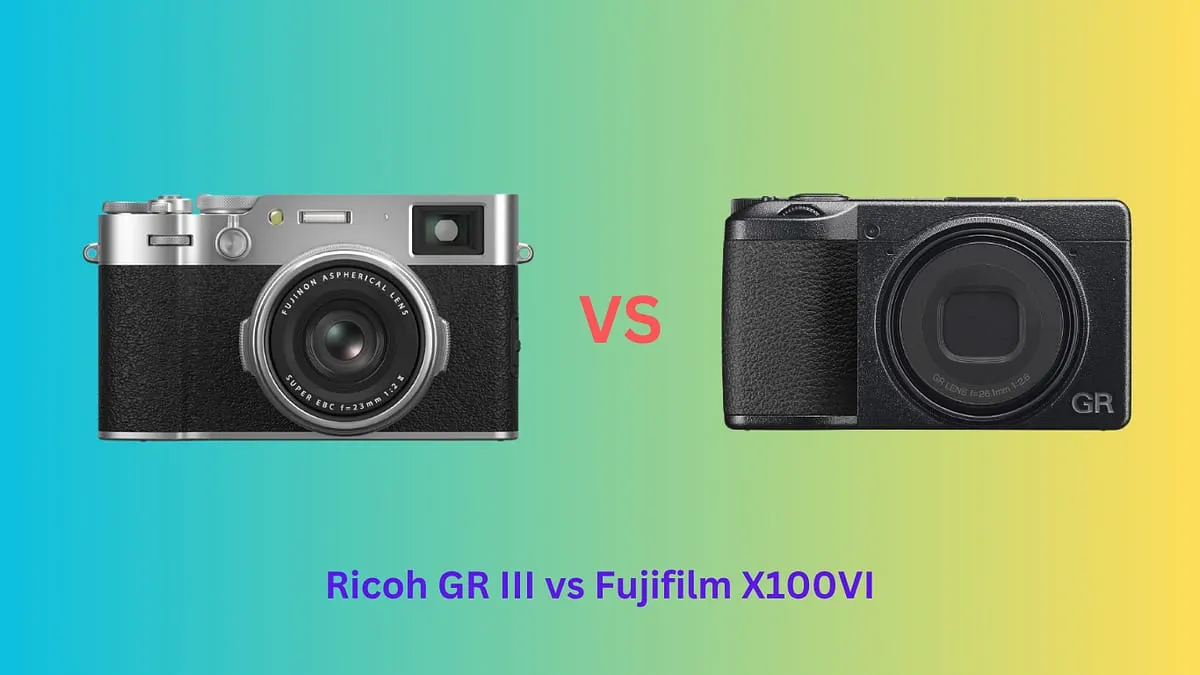
Ricoh GR III vs Fujifilm X100VI
The Camera I Almost Didn’t Buy, and the One I Almost Returned: the Fujifilm X100VI and Ricoh GR III side by side, and the one I would pick myself.