How to get permission for street photography
As an Amazon Associate we earn from qualifying purchases. Some links in this guide are affiliate links, see our affiliate disclosure for details.
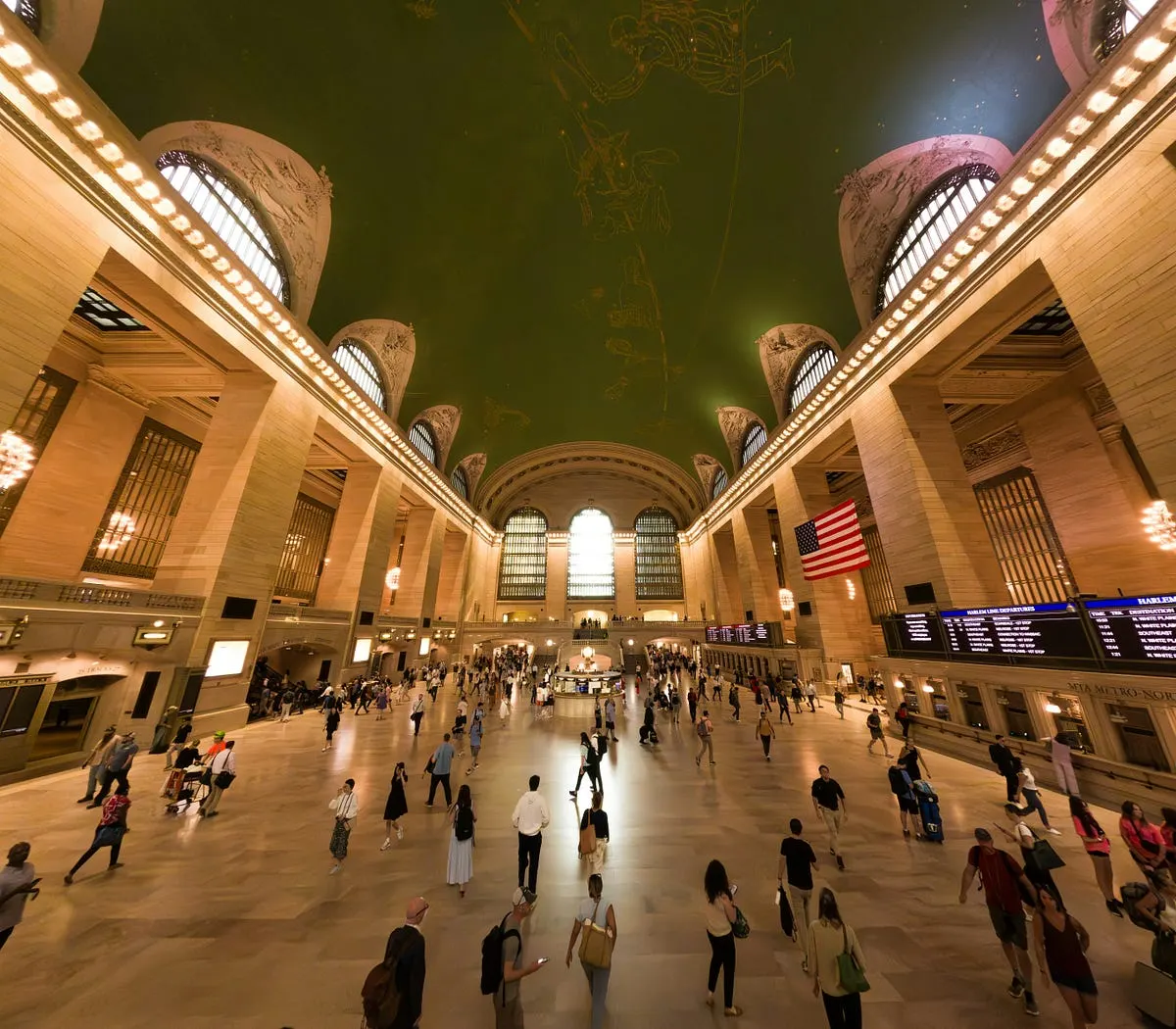
Photo by Nathanaël Desmeules on Unsplash
Do you need permission for street photography?
Key options include the legal considerations of photographing people in public spaces and ethical, respectful practice, and suggests insurance coverage to protect yourself from potential legal issues.
Street photography, the art of capturing candid moments in public spaces, often raises questions about permission and legal considerations. Here’s a detailed guide on how to navigate this aspect of street photography:
Understanding Legal Considerations:
- Public vs. Private Spaces:
- Public spaces, like sidewalks, parks, and streets, generally allow photography without explicit permission.
- Private property, including businesses, homes, and gated communities, requires permission from the owner or manager.
- Privacy Laws:
- Laws vary by country and region. Familiarize yourself with the specific laws in your location.
- In many places, taking photos of people in public spaces without their consent is generally legal, as long as it’s not intrusive or for commercial purposes.
- However, using photos for commercial gain or in a defamatory manner may require additional permissions or releases.
Approaching Subjects for Permission:
While not always necessary, asking for permission can be a courteous and respectful approach, especially in sensitive situations or when photographing individuals closely. Here’s how to do it:
Be Direct and Polite:
- Approach the subject calmly and respectfully.
Explain Your Project (Optional):
- If appropriate, briefly explain your project or why you’re interested in capturing their image. This can help alleviate any concerns.
Respect Their Decision:
- If they decline, thank them and move on. Do not pressure or argue.
Offer a Contact:
- If they agree, consider offering your contact information in case they want to see the final image or have it removed.
Tips for Ethical Street Photography:
- Be Discreet:
- Use a telephoto lens or a discreet camera to capture candid moments without drawing attention.
- Avoid Intrusive Behavior:
- Respect personal space and avoid following or stalking subjects.
- Be Sensitive to Cultural Norms:
- Be aware of cultural differences and avoid taking photos in situations that may be considered disrespectful or offensive.
- Edit Ethically:
- Avoid manipulating images in a way that misrepresents the scene or the individuals.
Additional Considerations:
- Model Releases:
- If you plan to use photos commercially or for significant public display, consider obtaining model releases from individuals.
- Local Customs and Laws:
- Research local customs and laws, especially when traveling to different countries or regions.
- Insurance:
- Consider obtaining insurance coverage to protect yourself from potential legal issues.
By following these guidelines, you can engage in ethical and respectful street photography while capturing compelling images.
Continue reading: How to overcome fear in street photography, How to avoid legal trouble with street photography, or use the gear match finder.
Camera & Lens Settings by Real-World Use Case
Match your focal length, aperture, shutter speed, and lighting modifier to the exact environment you shoot in.
Street Photography, Japan/Europe Trips & Backpacking
- Best Body:
- Fujifilm X100VI / Ricoh GR III / Fujifilm X-T30 II / Sony a6700
- Ideal Lens:
- 23mm f/2 or 27mm f/2.8 Pancake (APS-C) — 35mm to 40mm equivalent
- Aperture & Shutter:
- f/2.0 (neon night street) or f/5.6 – f/8 (sunny zone-focusing from 2m to infinity) · 1/250s – 1/500s (freezes pedestrians mid-stride)
- Room Distance:
- 1.5m – 5m (candid street distance)
Tattoo Artists & Micro-Realism Portfolios
- Best Body:
- Sony Alpha a7 III / Fujifilm X-T4
- Ideal Lens:
- 90mm f/2.8 Macro (detail) or 50mm f/1.8 (sleeves & back pieces)
- Aperture & Shutter:
- f/5.6 – f/8 (keeps curved forearms and calves sharp edge-to-edge) · 1/125s – 1/200s handheld (or 1/60s on tripod)
- Room Distance:
- 0.4m – 1.5m (1.5 to 5 ft)
Barbershops, Hairstylists & Color Salons
- Best Body:
- Sony a7 IV / Canon EOS R6 Mark II
- Ideal Lens:
- 50mm f/1.8 (tight stations) or 85mm f/1.8 (spacious salons)
- Aperture & Shutter:
- f/1.8 – f/2.8 (blurs background chairs while keeping the lineup tack-sharp) · 1/160s – 1/250s (freezes subtle head movement in the chair)
- Room Distance:
- 1.5m – 2.4m (5 to 8 ft from the styling chair)

Written by
Marien CartelMarien Cartel runs Marien Cartel Photography, a camera and lens buying-guide site, and photographs the gear shown on it.
Related Guides
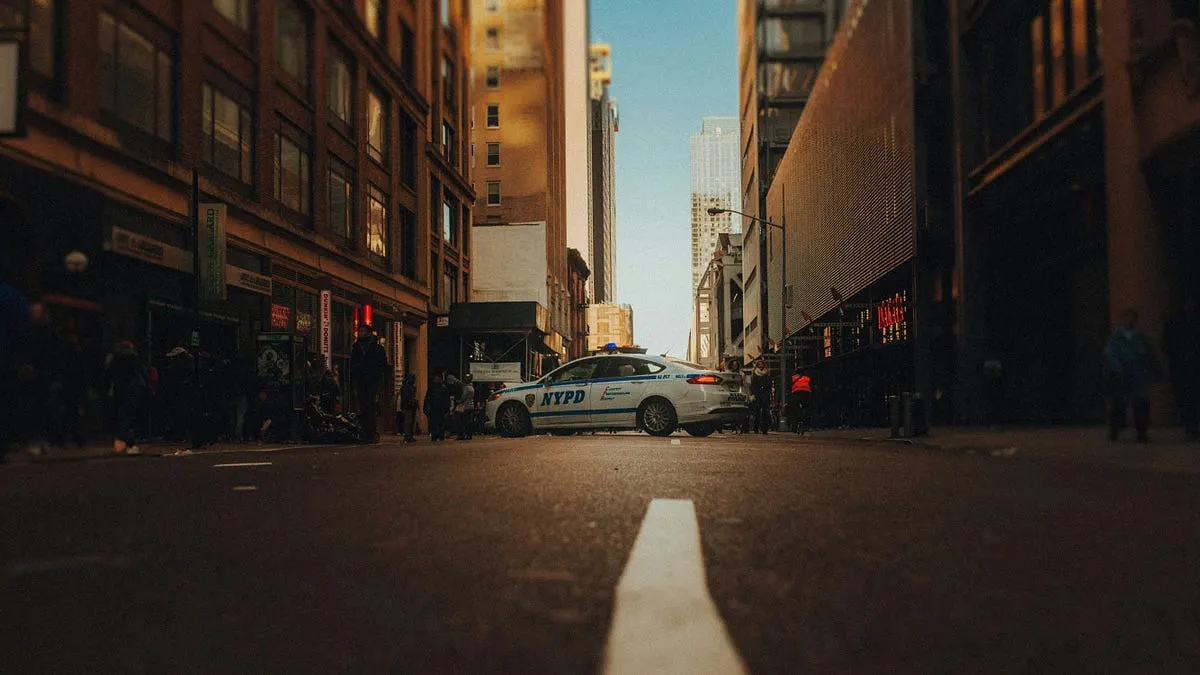
How to avoid legal trouble with street photography
Street photography is a captivating art form that allows you to capture the essence of everyday life in public spaces. However, it’s…
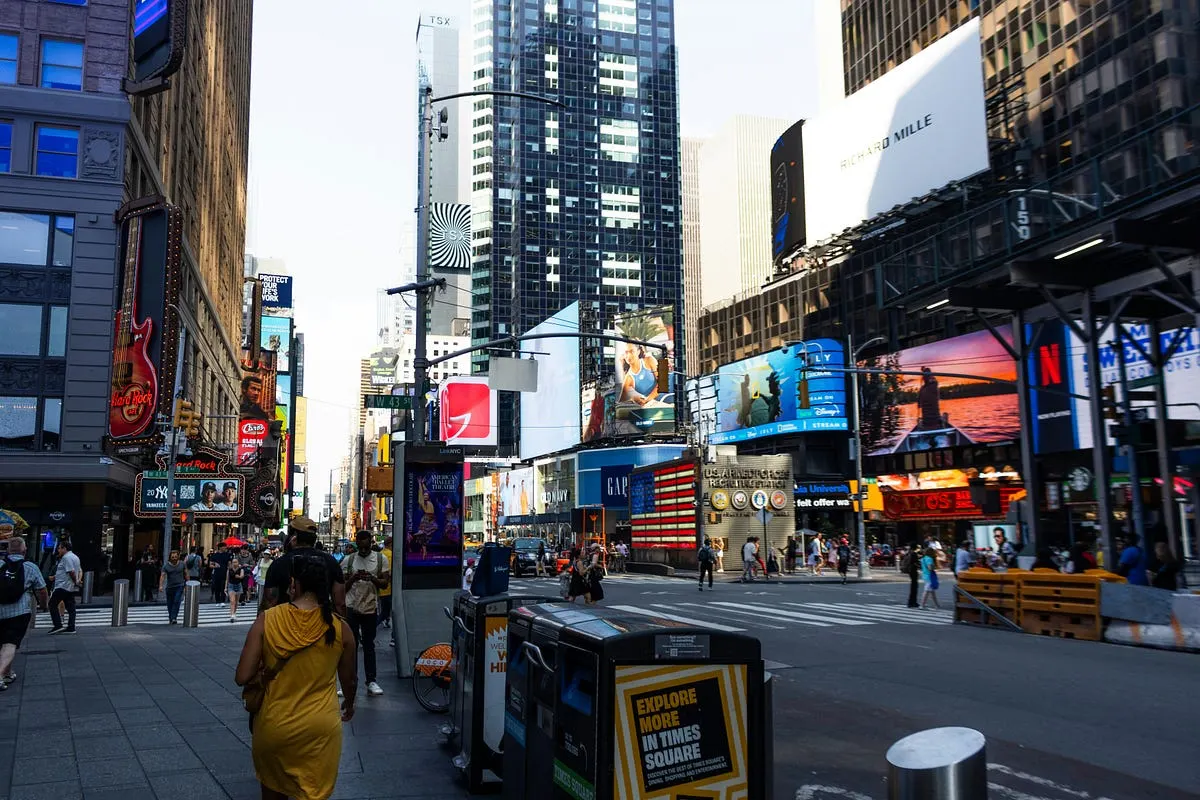
How to improve street photography skills
Practical techniques to improve your street photography: zone focusing, 28mm vs 35mm framing, reading urban light, and anticipating candid human moments.
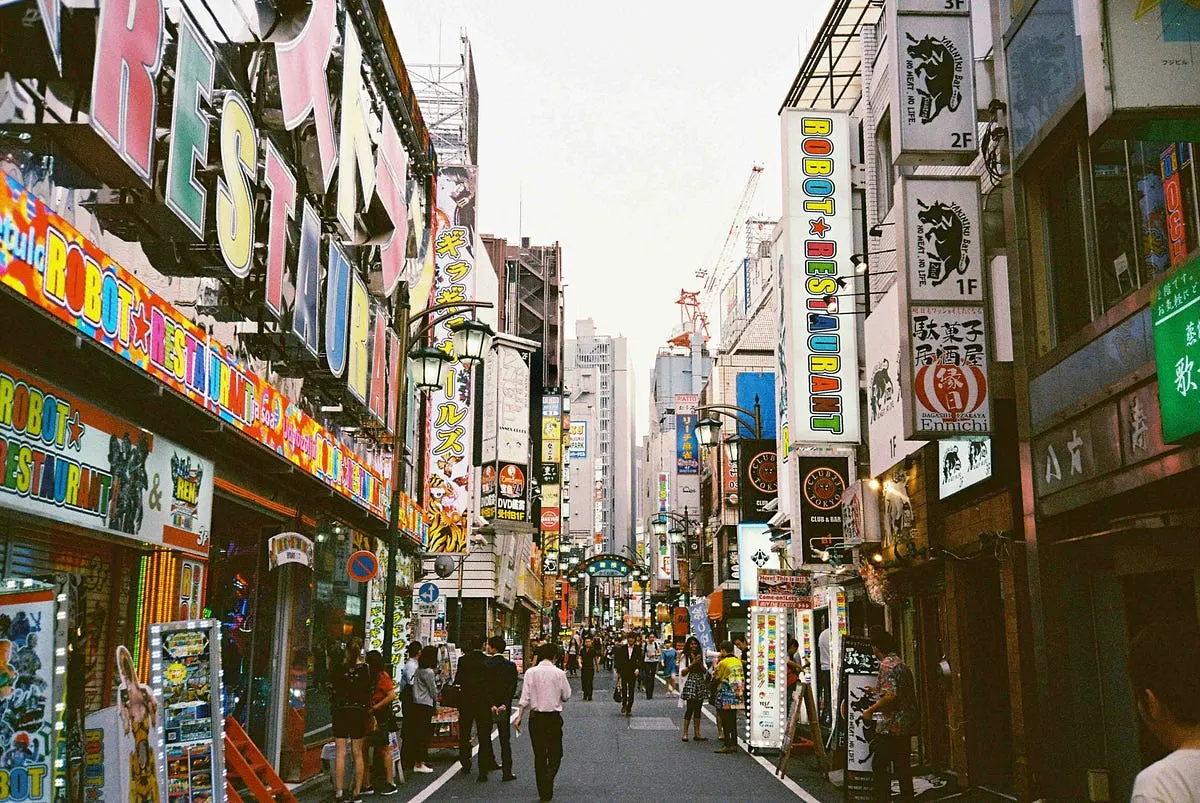
How to find inspiration for street photography
Aim to immerse yourself in the city, focus on specific themes such as urban decay or the beauty of everyday life, and experiment.
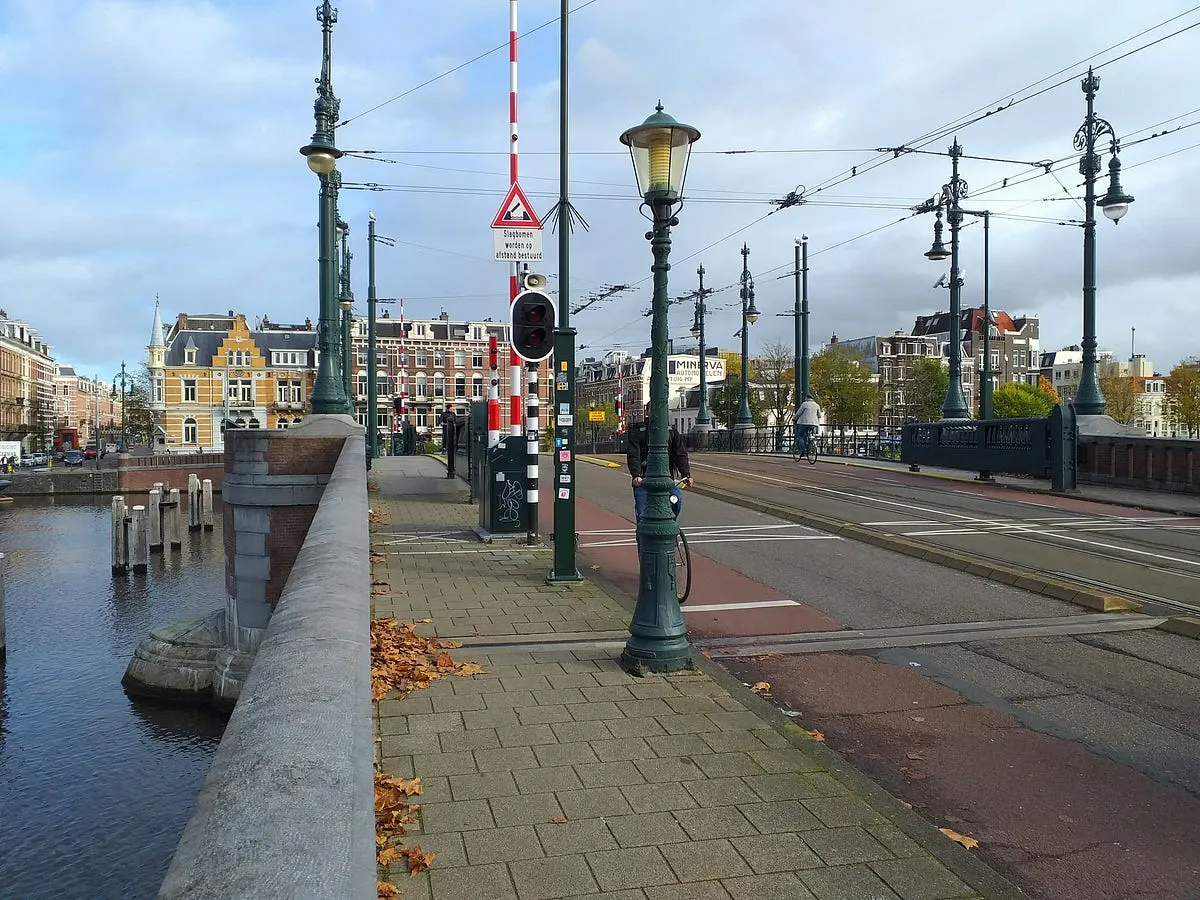
How to overcome fear in street photography
Proven field techniques to overcome hesitation in street photography: using compact 35mm cameras, shooting from the hip, eye contact, and candid etiquette.
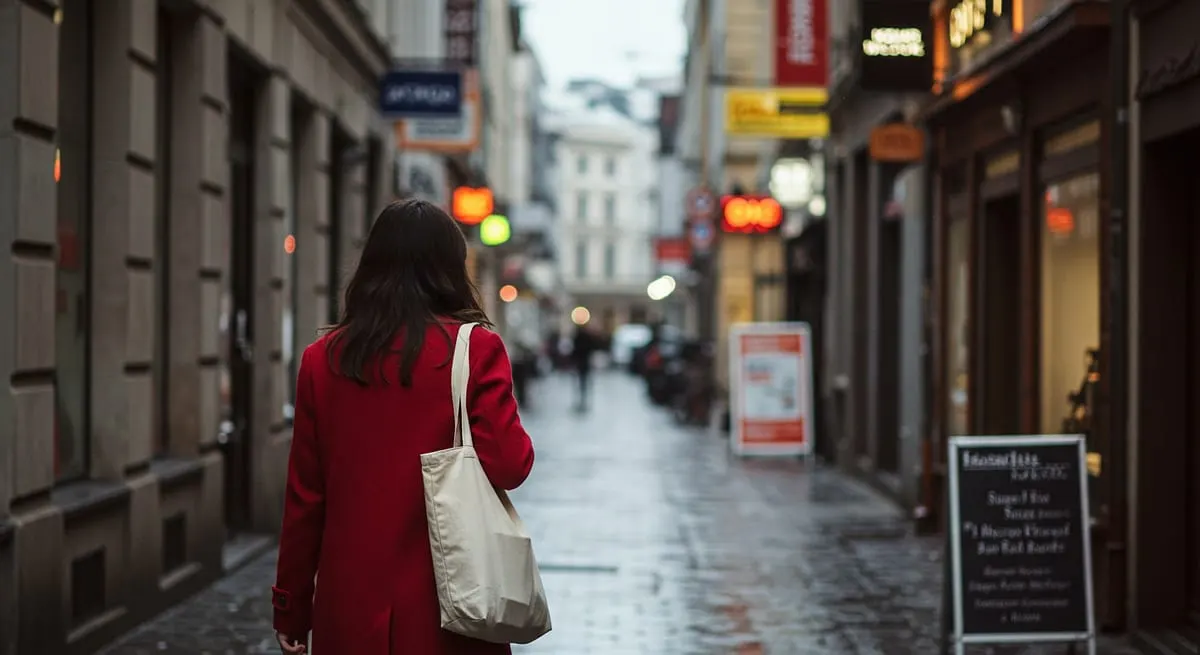
Best Lens for Street Photography
Best Lens for Street Photography: what to look for, what to skip and how to choose the right one for your budget.
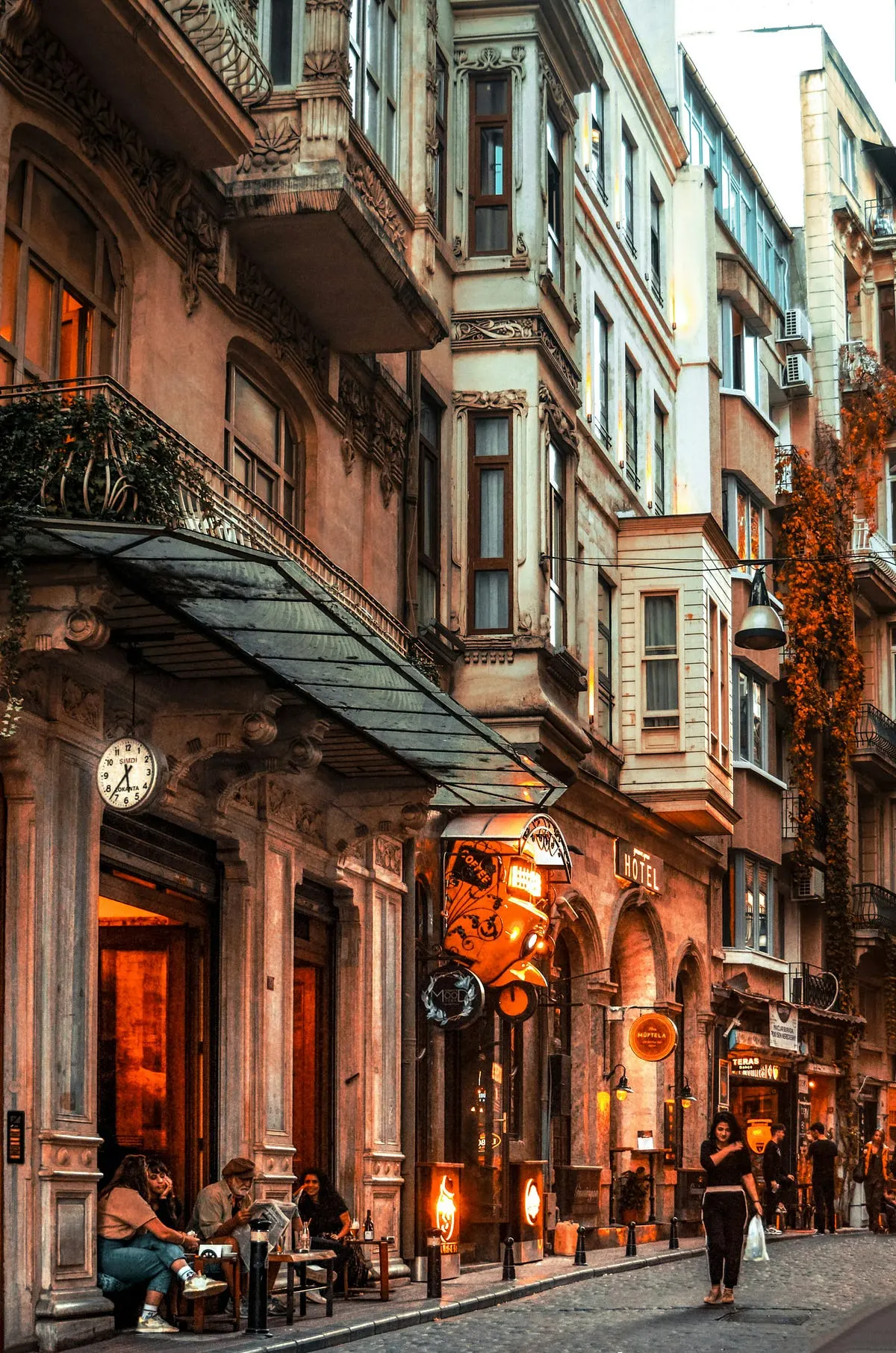
Best Canon Lens For Street Photography: Canon RF 28mm f/2.8 STM
Best Canon Lens For Street Photography: Canon RF 28mm f/2.8 STM: key features, strengths, drawbacks and who should buy the Canon RF 24–70mm f/2.8L.