Canon PowerShot V1 vs G7 X Mark III (2026): Which Should You Buy
As an Amazon Associate we earn from qualifying purchases. Some links in this guide are affiliate links, see our affiliate disclosure for details.
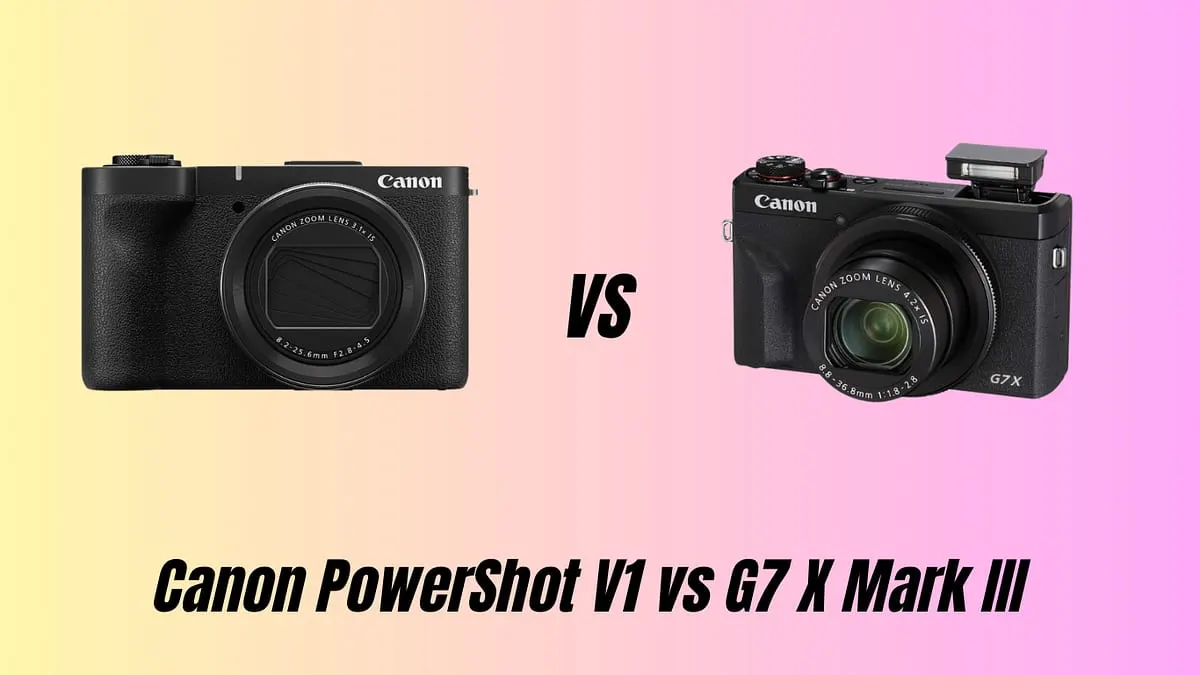
Canon's two premium compacts look similar and solve different problems. The PowerShot V1 is the newer camera, built around a larger sensor and stronger video. The G7 X Mark III is older, smaller and brighter at the wide end, and it is still the easier one to slip into a jacket pocket.
For vlogging and hybrid photo-and-video work, the V1 is the clear winner. The G7 X Mark III stays an excellent ultra-portable option. The table puts the differences that decide it in one place, and the sections below go deeper.
Quick verdict
| Canon PowerShot V1 | Canon G7 X Mark III | |
|---|---|---|
| Sensor | 1.4-inch, 22.3 MP | 1-inch, 20.1 MP |
| Lens (35mm equivalent) | 16–50mm, f/2.8–4.5 | 24–100mm, f/1.8–2.8 |
| 4K video | 30p with no crop, 60p with a crop | 30p, 10-minute limit per clip |
| Autofocus | Dual Pixel CMOS AF II with eye detection | Contrast detect |
| Screen | 3-inch fully articulating touchscreen | 3-inch flip-up touchscreen |
| Weight | 426 g | 304 g |
| Launched | 2025 | 2019 |
| Best for | Vlogging and hybrid shooting | All-day pocket carry and bright wide-angle |
- Canon PowerShot V1 — Check Canon PowerShot V1 Price on Amazon
- G7 X Mark III — Check G7 X Mark III Price on Amazon
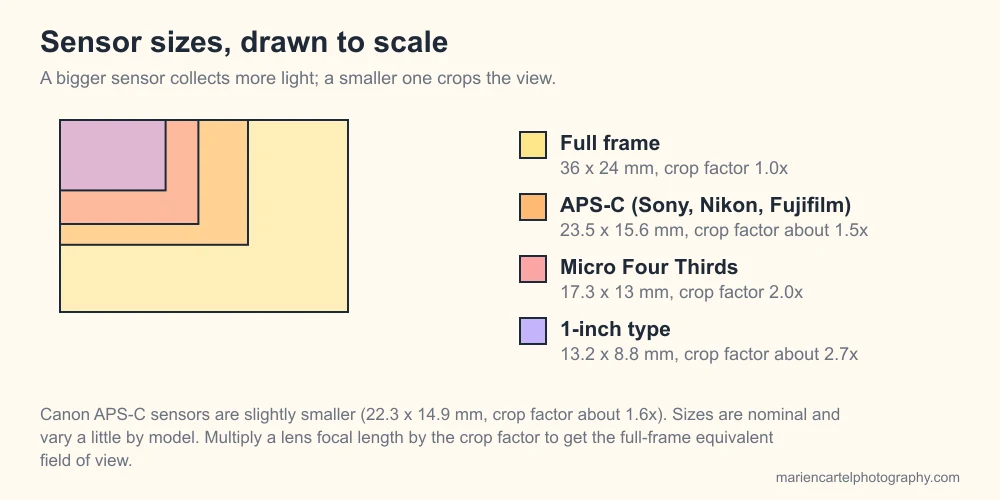
Sensor physical dimensions compared to scale (Full Frame, APS-C, MFT, and 1-inch).
Canon PowerShot V1 vs G7 X Mark III: Key Specs
- Sensor:
The Canon PowerShot V1 features a 1.4-inch CMOS sensor with 22.3 megapixels (measuring 18.4 x 12.3 mm).
The G7 X Mark III uses a 1-inch CMOS sensor with 20.1 megapixels (measuring 13.2 x 8.8 mm). - Lens (35mm equivalent):
The V1 has a 16–50mm lens with an aperture range of f/2.8 to f/4.5.
The G7 X Mark III comes with a 24–100mm lens with a brighter aperture range of f/1.8 to f/2.8. - Stabilization:
The V1 offers optical stabilization rated at 5 stops.
The G7 X Mark III provides optical stabilization at 3 stops. - **Video Capabilities:
**The V1 records 4K video at 30 frames per second with no crop, and 4K at 60 frames per second with a crop.
The G7 X Mark III records 4K at 30 frames per second, but with a 10-minute time limit per clip. - **Autofocus:
**The V1 uses Dual Pixel CMOS AF II with eye detection.
The G7 X Mark III uses contrast detect autofocus. - **LCD Screen:
**The V1 has a 3-inch fully articulating touchscreen.
The G7 X Mark III has a 3-inch flip-up touchscreen. - **Weight:
**The V1 weighs 426 grams.
The G7 X Mark III weighs 304 grams. - **Battery:
**The V1 uses the LP-E17 battery with a capacity of 1040 mAh.
The G7 X Mark III uses the NB-13L battery with a capacity of 875 mAh. - **Connectivity:
**Both cameras offer Wi-Fi and Bluetooth connectivity. - **Launch Year:
**The V1 was launched in 2025.
The G7 X Mark III was launched in 2019.
Handling & Design
Canon PowerShot V1:
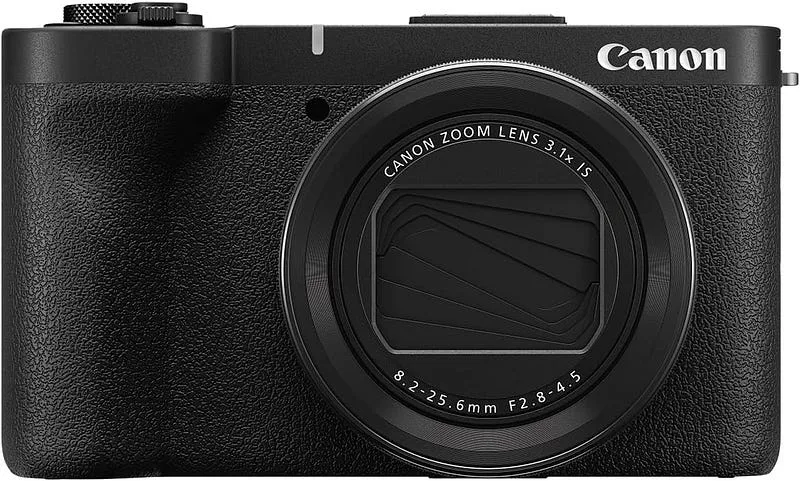
The V1 feels robust and slightly heavier, but the grip is surprisingly comfortable for a compact camera. The control layout is intuitive, with a dedicated switch for photo/video modes and customizable dials.
Canon G7 X Mark III:
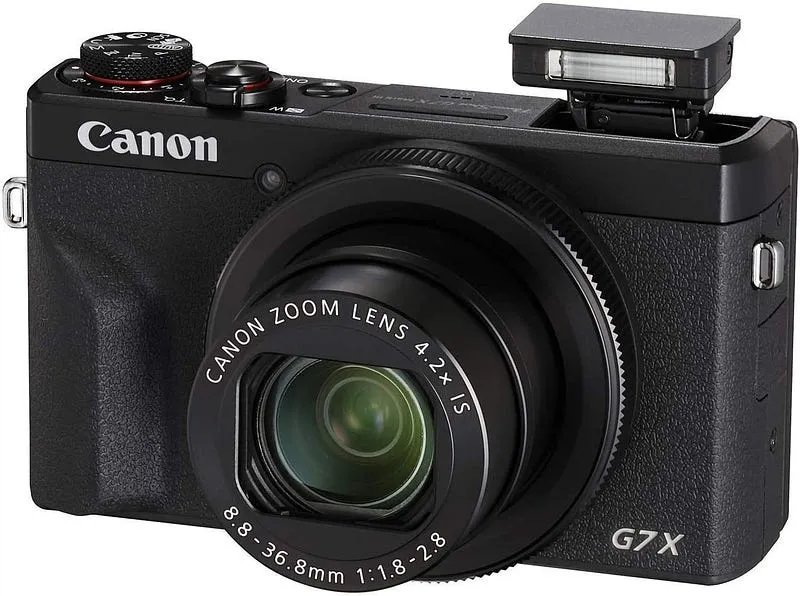
The G7 X Mark III is pocketable and lightweight, making it ideal for all-day carry. Its flip-up screen is handy for selfies, but less flexible than the V1’s side-articulating display. The controls are simple, but the smaller grip can feel cramped during extended shooting.
Image & Video Quality
**PowerShot V1:
**The V1’s 1.4-inch sensor is a game-changer for a compact, offering image quality that rivals some Micro Four Thirds cameras. Photos are crisp with vibrant Canon color, and dynamic range is noticeably better than the G7 X Mark III. The 16–50mm equivalent lens is wide enough for vlogging and landscapes, though the slower aperture means less background blur and more “everything-in-focus” shots, which is typical for point-and-shoots.

Photo by Chris Murray on Unsplash
Photo by Marty O’Neill on Unsplash
Video performance is where the V1 shines:
- Oversampled 4K 30p footage is sharp and detailed, with no crop and minimal rolling shutter.
- 4K 60p is available (with a 1.4x crop), and the camera can record for over two hours thanks to active cooling — perfect for long events or interviews.
- Autofocus is outstanding, with reliable eye detection for both humans and animals.
- Built-in optical and electronic stabilization keeps footage smooth, even when walking.
**G7 X Mark III:
**The G7 X Mark III’s 1-inch sensor is still solid, but not as impressive as the V1’s larger chip. The 24–100mm lens is versatile and brighter, especially at the wide end (f/1.8), which helps in low light and gives a bit more background blur for portraits and close-ups.
Video is good, with 4K 30p and 1080p at higher frame rates, but there’s a 10-minute limit for 4K clips and some rolling shutter. Autofocus, while improved over previous models, can sometimes hunt or lose track, especially in low light or with fast movement. Stabilization is effective but not as advanced as the V1’s.
Photo by Joël de Vriend on Unsplash

Photo by Briana Tozour on Unsplash
Features for Creators
- Fully articulating screen for flexible framing
- Dual Pixel AF with subject detection (humans, animals)
- Active cooling for long video sessions
- USB-C charging and fast SD UHS-II support
- C-Log 3 for color grading in post-production12
G7 X Mark III:
- Flip-up screen (not side-articulating)
- Microphone input for better audio
- Built-in ND filter for shooting wide open in bright light
- Live YouTube streaming and Bluetooth/Wi-Fi for quick sharing
Key takeaways
- V1: No built-in flash and slightly bulkier, but the grip and controls make up for it. The lens, while sharp, isn’t as bright as the G7 X Mark III’s.
- G7 X Mark III: Autofocus can be unreliable at times, and the 4K time limit is frustrating for longer takes. The flip-up screen is less versatile than a side-articulating one.
Which Should You Choose?
- **Choose the PowerShot V1 if:
**You prioritize video quality, autofocus, and longer recording times. It’s ideal for serious vlogging, hybrid shooters, and anyone who wants a compact camera with near-Micro Four Thirds image quality. - **Choose the G7 X Mark III if:
**You want maximum portability, a brighter lens for low light, and a proven, pocketable camera for quick photos and short clips. It’s still a fantastic choice for casual creators and travelers.
Final Thoughts
If you’re deciding between the two, consider what matters most: ultimate portability or cutting-edge video and autofocus.
Photo by Andy Vult on Unsplash

Photo by Hayes Potter on Unsplash
See also Nikon Z6 III vs Canon EOS R6 Mark II, Canon 6D vs Canon 5D Mark III, or test setups in the genre setup guide.
Common Buying & Setup Questions
What is the top pick in Canon PowerShot V1 vs G7 X Mark III?
The Quick verdict (Full-Frame · 22.3MP · 35mm · f/2.8–4.5, Micro Four Thirds (2.0x)) leads our shortlist as the top overall pick, followed closely by the Image & Video Quality (Micro Four Thirds · 16–50mm · f/1.8 · 4K 60p).
What focal length, aperture, and shutter speed work best for tattoo artists & micro-realism portfolios?
For tattoo artists & micro-realism portfolios, pair a 50mm – 90mm (never below 35mm, which warps limb proportions) lens at f/5.6 – f/8 (keeps curved forearms and calves sharp edge-to-edge) with a shutter speed of 1/125s – 1/200s handheld (or 1/60s on tripod) and a working distance of 0.4m – 1.5m (1.5 to 5 ft). Recommended setup: CRI 95+ 5600K LED panel covered with Linear Polarizing Film + Circular Polarizer (CPL) lens filter rotated 90°..
Camera & Lens Settings by Real-World Use Case
Match your focal length, aperture, shutter speed, and lighting modifier to the exact environment you shoot in.
Tattoo Artists & Micro-Realism Portfolios
- Best Body:
- Sony Alpha a7 III / Fujifilm X-T4
- Ideal Lens:
- 90mm f/2.8 Macro (detail) or 50mm f/1.8 (sleeves & back pieces)
- Aperture & Shutter:
- f/5.6 – f/8 (keeps curved forearms and calves sharp edge-to-edge) · 1/125s – 1/200s handheld (or 1/60s on tripod)
- Room Distance:
- 0.4m – 1.5m (1.5 to 5 ft)
Barbershops, Hairstylists & Color Salons
- Best Body:
- Sony a7 IV / Canon EOS R6 Mark II
- Ideal Lens:
- 50mm f/1.8 (tight stations) or 85mm f/1.8 (spacious salons)
- Aperture & Shutter:
- f/1.8 – f/2.8 (blurs background chairs while keeping the lineup tack-sharp) · 1/160s – 1/250s (freezes subtle head movement in the chair)
- Room Distance:
- 1.5m – 2.4m (5 to 8 ft from the styling chair)
Makeup Artists (MUA) & Beauty Tutorials
- Best Body:
- Sony Alpha a6400 / Canon G7 X Mark III
- Ideal Lens:
- Sigma 56mm f/1.4 DC DN (APS-C) or 50mm–85mm f/1.8 (Full Frame)
- Aperture & Shutter:
- f/2.8 – f/4 for full-face sharpness; f/5.6 for macro eye/lip close-ups · 1/125s for stills; 1/50s (24p) or 1/120s (60p) for video tutorials
- Room Distance:
- 1.2m – 2.2m (4 to 7 ft)

Written by
Marien CartelMarien Cartel runs Marien Cartel Photography, a camera and lens buying-guide site, and photographs the gear shown on it.
Related Guides
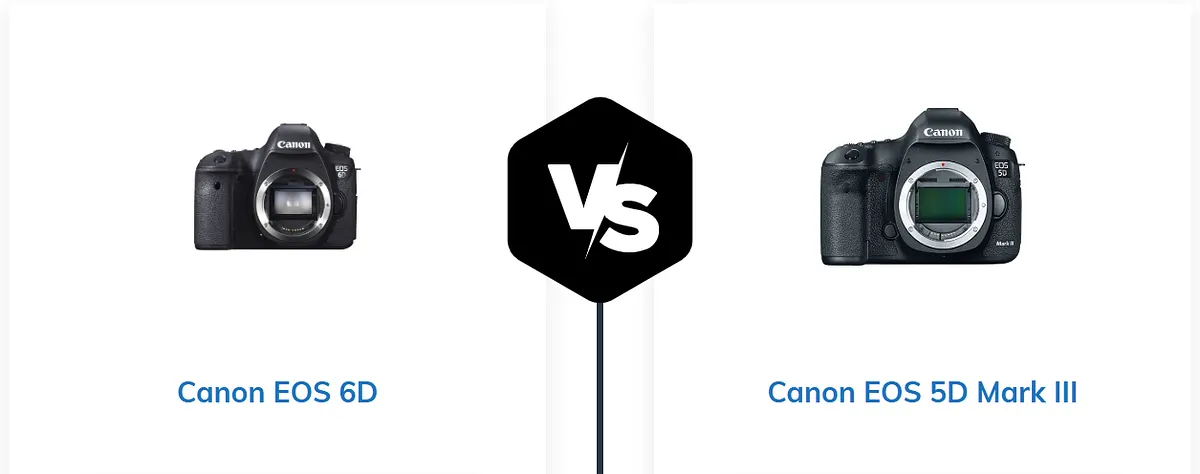
Canon 6D vs Canon 5D Mark III: Top Bodies Compared by Budget
Canon 6D vs Canon 5D Mark III compared — where each one wins, where it falls short, and who should buy which. Updated for 2026.
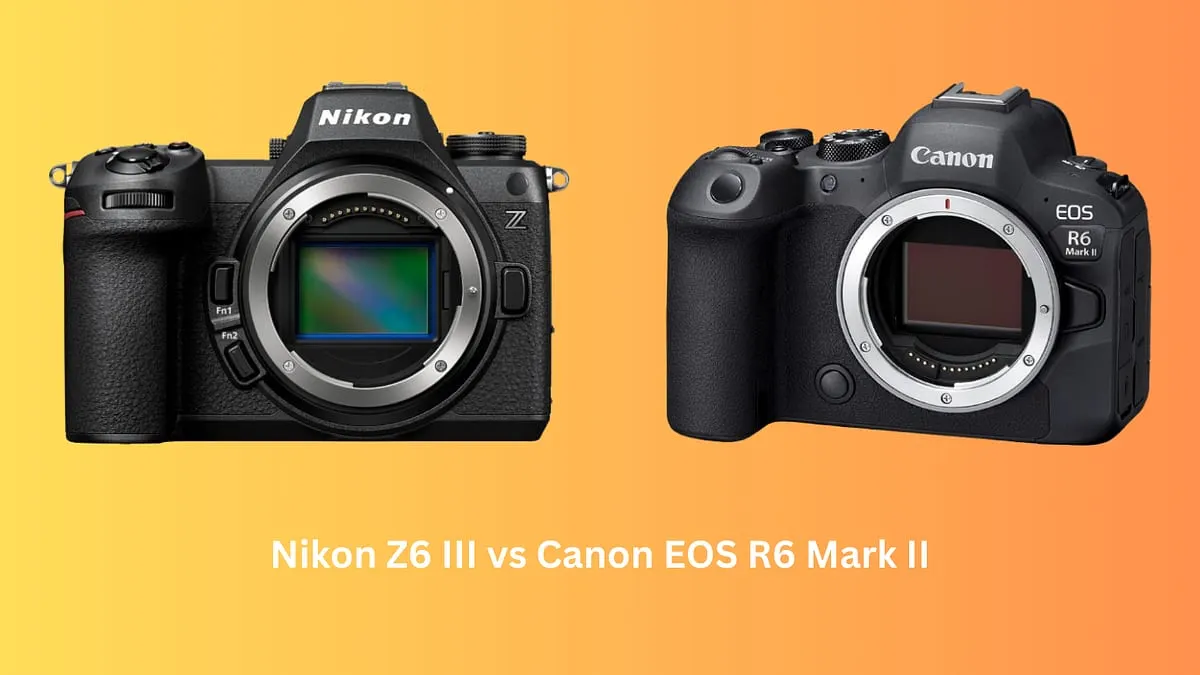
Nikon Z6 III vs Canon EOS R6 Mark II
Nikon Z6 III vs Canon EOS R6 Mark II: key differences in specs, autofocus, video and price, and which one suits you.
Canon R5 Mark II Review: Top Picks & Sensor Comparison
Canon R5 Mark II Review: what to look for, what to skip and how to choose the right one for your budget. Updated for 2026.
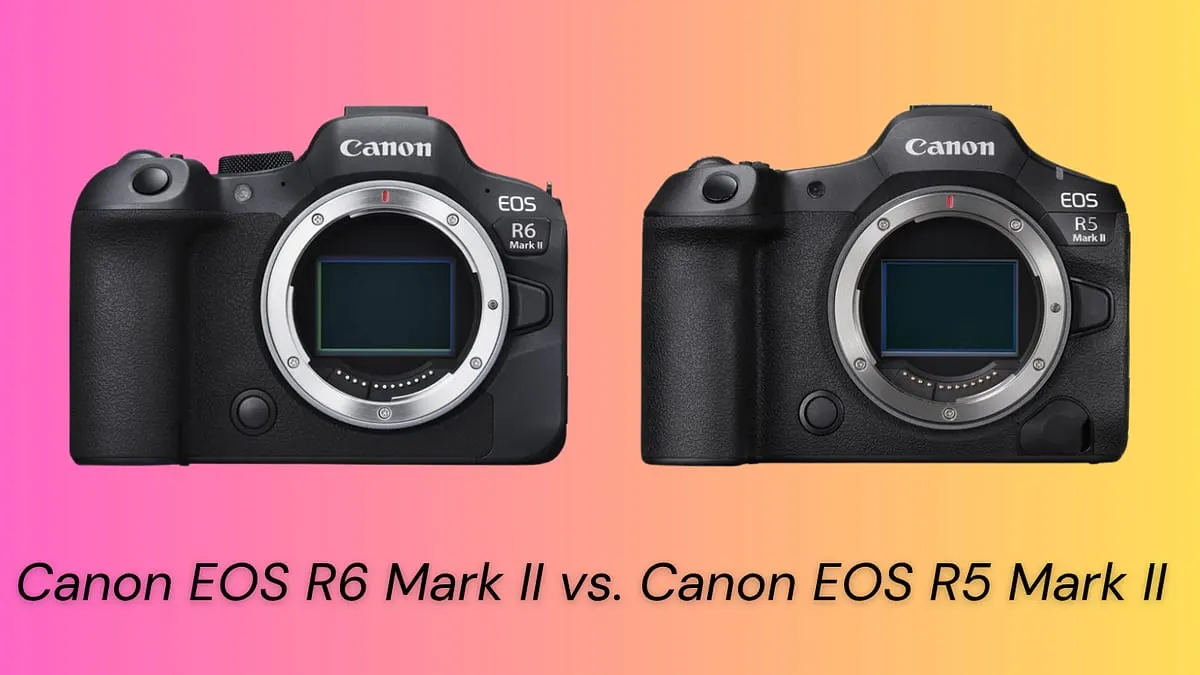
Canon EOS R6 Mark II vs. Canon EOS R5 Mark II
Canon EOS R6 Mark II vs. Canon EOS R5 Mark II: key differences in specs, autofocus, video and price, and which one suits you.
Canon G7X vs Canon G7X Mark II: Top Bodies Compared by Budget
Canon G7X vs Canon G7X Mark II: key differences in specs, autofocus, video and price, and which one suits you.
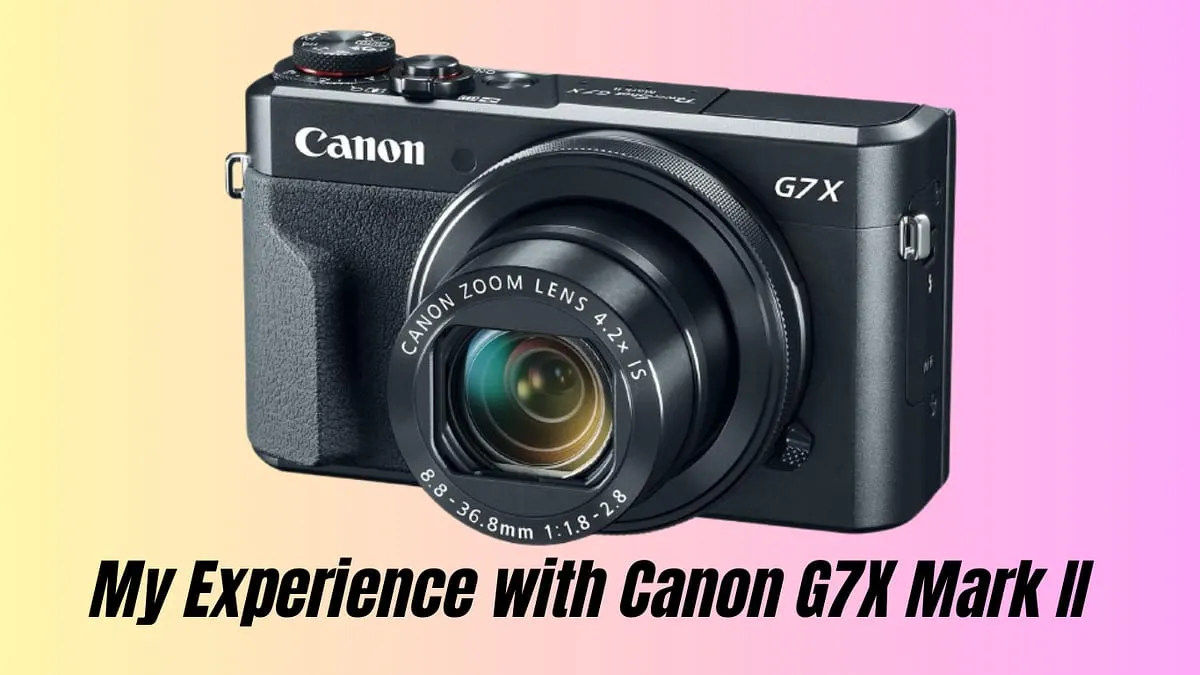
Canon G7X Mark II: Top Bodies Compared by Budget
Canon G7X Mark II: what to look for, what to skip and how to choose the right one for your budget. Updated for 2026.