Best Camera for ASMR Content Creators (2026): G100D vs ZV-1
As an Amazon Associate we earn from qualifying purchases. Some links in this guide are affiliate links, see our affiliate disclosure for details.
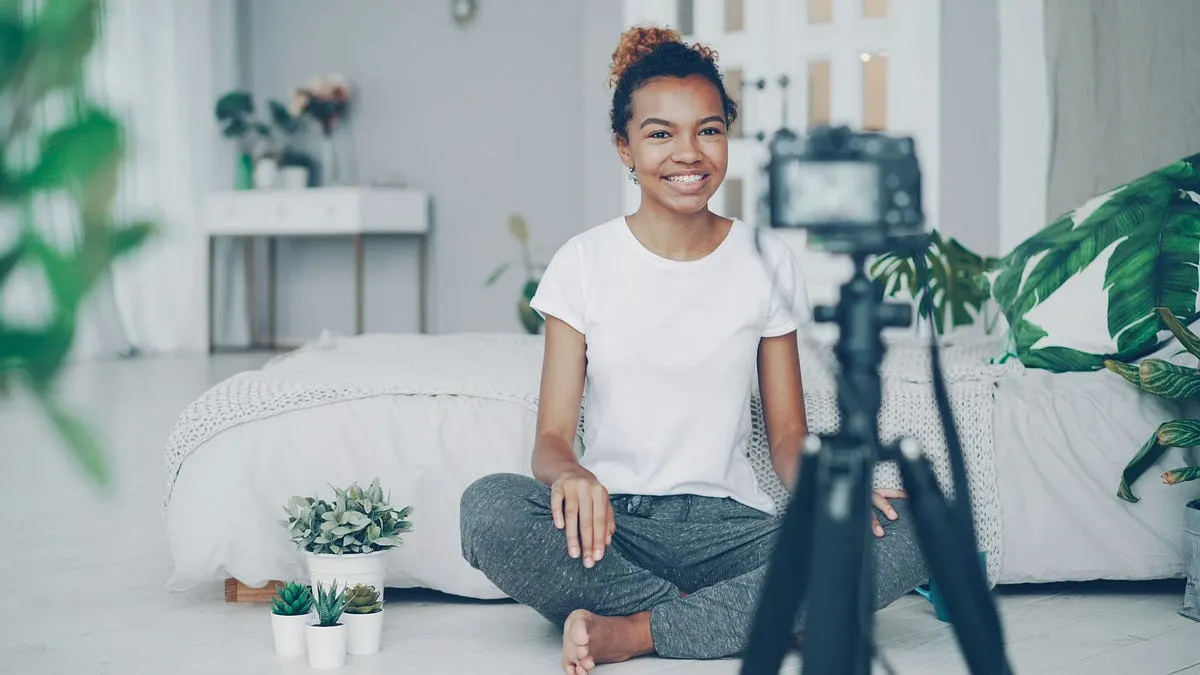
Photo by Vitaly Gariev on Unsplash
ASMR is one of the few genres where a camera's noise matters as much as its picture. A fan, a loud autofocus motor or a shutter click can bleed into the recording and ruin it, so quiet operation, close focusing and a flip screen for solo framing come before resolution.
This guide compares two cameras that fit those needs. The table gives the short version, and the sections below explain what ASMR content demands from a camera.
Quick verdict
| What you need | Pick | Why |
|---|---|---|
| Quiet operation and close focus | Panasonic Lumix G100D | Compact, quiet in operation without constant fan noise, with close-focus performance that suits detail work, especially paired with a macro lens |
| Easy solo framing and clear audio | Sony ZV-1 | Flip screen and a built-in microphone that make it easy to use alone |
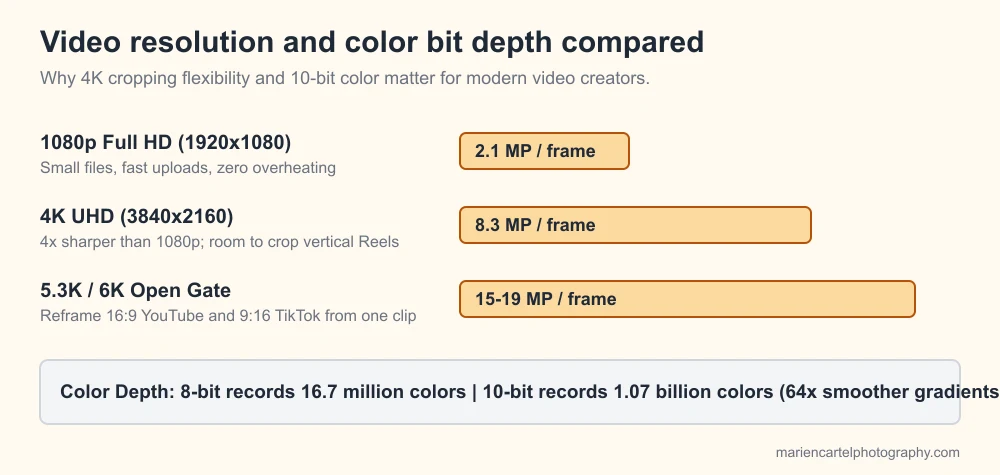
Frame resolution (1080p vs 4K vs 6K Open Gate) and 8-bit vs 10-bit color grading flexibility.
What ASMR Content Actually Demands From a Camera
Silent or near-silent operation, mechanically. No audible fan noise, no loud autofocus motor hunting for focus, ideally no mechanical shutter sound at all. This is the single most overlooked spec in camera reviews, because almost nobody else needs it.
True macro or very close focusing distance. ASMR content lives in extreme close-ups — brush bristles, water droplets, texture detail. A camera that can’t focus closer than a foot or two is immediately limiting.
Flip screen for solo, precise framing. You’re often positioning objects inches from the lens while alone, and getting that framing right without a second person means seeing your own composition clearly.
A body that runs cool without active cooling. Fanless doesn’t automatically mean silent — some bodies still produce faint operational noise under load. What matters is genuinely quiet performance during long, static recording sessions, not just on paper.
Why the Panasonic Lumix G100D
Paired with a macro lens, it can handle the close-focus demands of ASMR content.
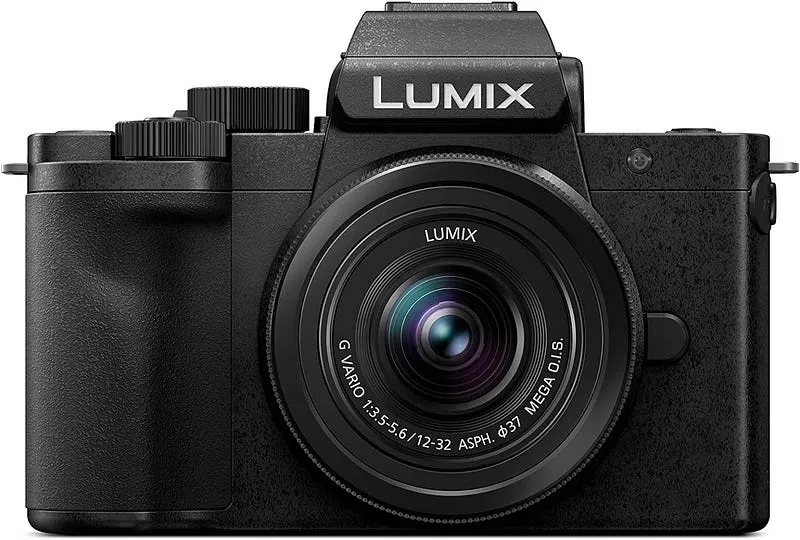
This camera is perfect for anyone looking to take their photography or videography to the next level.
Panasonic Lumix G100D — Check Panasonic Lumix G100D Price on Amazon
It’s compact, genuinely quiet in operation, and its close-focus performance handles detail work better than most compact cameras in its price range, even if it’s not purpose-built for ASMR specifically.
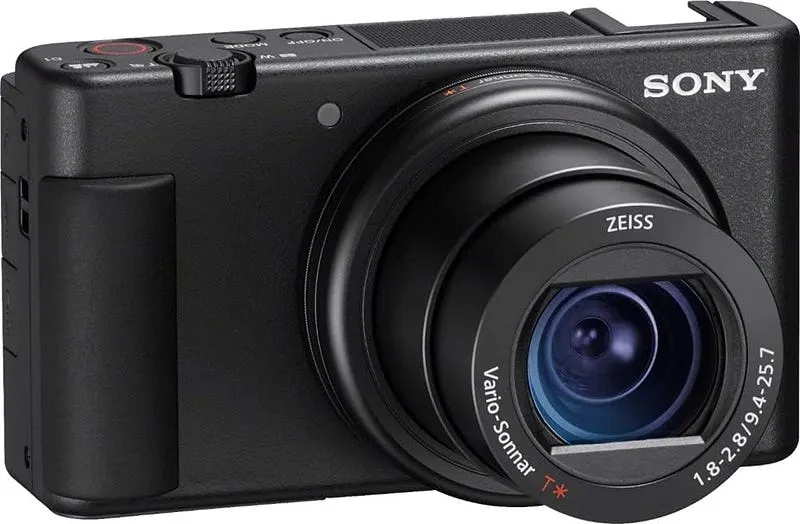
The flip screen and mic make it so easy to use.
The key lesson
It’s a genuinely different bar, and almost no general camera guide mentions it, because almost no other genre needs it.
Recommendation
If you’re building an ASMR setup from scratch, get the Panasonic Lumix G100D paired with a macro lens. If you want something more compact and mobile for handheld detail work, the Sony ZV-1 is a strong, quieter-than-average alternative.
Does camera noise really matter if I’m using an external microphone?
Yes, more than most creators expect. Sensitive external mics used for ASMR pick up extremely quiet sounds, including faint mechanical noise from a nearby camera that would be completely inaudible in normal content creation.
What lens is best for ASMR close-up shots?
A dedicated macro lens, or at minimum a lens with a close minimum focusing distance, is essential. Standard kit lenses often can’t focus close enough for genuine detail work like brush bristles or liquid droplets.
Can I use my phone camera for ASMR content instead of a dedicated camera?
For casual content, yes, though most phones can’t match a dedicated camera’s macro focusing distance or the shallow depth of field that makes close-up ASMR visuals feel intentional and polished rather than flat.
See also Best Camera for Van Life Content Creators, Best Camera for Gym Content, or test setups in the camera selector tool.
Camera & Lens Settings by Real-World Use Case
Match your focal length, aperture, shutter speed, and lighting modifier to the exact environment you shoot in.
ASMR, Whisper & Sound-Sensitive Studio Video
- Best Body:
- Sony a7 IV / Sony ZV-E10 II / Canon EOS R8
- Ideal Lens:
- Linear-motor silent prime: Sony 35mm f/1.8 FE or Sigma 30mm f/1.4
- Aperture & Shutter:
- f/2.0 – f/2.8 (soft background glow for cozy low-key studio ambiance) · 1/50s (24p) or 1/60s (30p) in silent recording mode
- Room Distance:
- 0.6m – 1.2m across the ASMR table
YouTube Talking-Head, Podcasting & Desk Streaming
- Best Body:
- Sony ZV-E10 II / Sony a6700 / Canon EOS R50
- Ideal Lens:
- Sigma 16mm f/1.4 DC DN (APS-C) or 24mm f/1.8 (Full Frame)
- Aperture & Shutter:
- f/1.4 – f/2.0 (separates speaker from a close desk wall within 4 feet) · 1/50s (for 24fps) or 1/60s (for 30fps) — 180-degree shutter rule
- Room Distance:
- 0.8m – 1.4m (2.5 to 4.5 ft desk arm mount)
Daily Vlogging, Travel Vlogs & Walk-and-Talk
- Best Body:
- Sony ZV-1 / DJI Osmo Pocket 3 / Sony ZV-E10 II
- Ideal Lens:
- Sony E 11mm f/1.8 or 10–20mm f/4 PZ (APS-C) / Built-in 18–50mm
- Aperture & Shutter:
- f/1.8 – f/2.8 (with built-in ND filter or variable ND outdoors) · 1/50s – 1/120s with ND filter in bright sun
- Room Distance:
- 0.5m – 0.8m (handheld arm's length on grip/tripod)

Written by
Marien CartelMarien Cartel runs Marien Cartel Photography, a camera and lens buying-guide site, and photographs the gear shown on it.
Related Guides
Best Camera for Van Life Content Creators
Best Camera for Van Life Content Creators: Sony ZV-E10 II, DJI Osmo Pocket 3 and Fujifilm X-S20 compared on features, price and who each one suits.
Best Camera for DJ Sets 2026: Sony ZV-1 vs a7 III vs GoPro HERO 13
Filming DJ sets in dark, loud clubs: Sony ZV-1, Sony a7 III, GoPro HERO 13, Canon Rebel T7 and Zoom Q2n-4K compared on low light, screen.
Top 7 Best Cameras for Gym Videos (2026): GH5, GH7, ZV-1 & More
Seven cameras for filming workouts compared on stabilization, flip-out screens and low-light autofocus: Panasonic GH5 and GH7, Sony ZV-1, GoPro Hero.
Best Camera for Social Media Marketing 2026: Reels-Ready Picks
What matters for Reels, TikTok and Shorts in 2026: audio, autofocus, vertical shooting and stabilization. Sony a6400, X-T30, GH5.
10 Best Cameras for Influencers (2026): Guide & Reviews
Ten cameras for influencers compared, from the Sony a7 III and Olympus OM-D E-M1 Mark III to the Fujifilm X-T30 and Canon EOS R.

Best Camera for YouTube Beginners (2026): 5 Picks by Budget
Webcam, Panasonic G7, Sony a6400, a7 III or Canon R6 for starting a YouTube channel? A quick verdict by budget, plus why audio and lighting come first.