Best Camera for Vlogs: Field Setup & Key Specs
As an Amazon Associate we earn from qualifying purchases. Some links in this guide are affiliate links, see our affiliate disclosure for details.
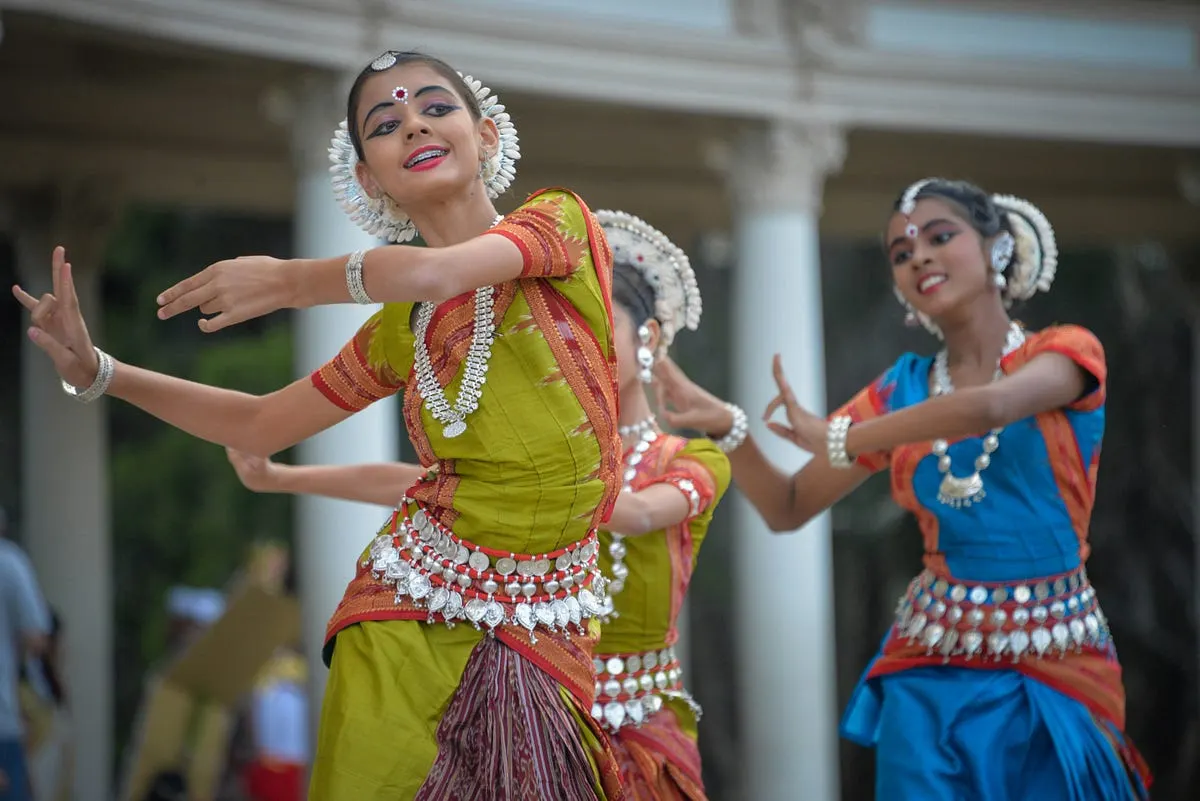
Photo by pavan gupta on Unsplash
Top Picks for vlogging
the Sony ZV-E10, Sony ZV-1 II and DJI Osmo Pocket 3 stand out for portability, ease of use and video quality. Its personal winner is the Sony ZV-1.
For vlogging, the Sony ZV-E10, Sony ZV-1 II, and DJI Osmo Pocket 3 stand out as excellent choices, offering a blend of portability, ease of use, and good video quality.
Let’s be honest, we’ve all been there. You’ve got a brilliant idea for a vlog, the perfect location, and a burning desire to share your story with the world. Then, you hit record on your phone, and… blurgh. Grainy footage, shaky hands, and audio that sounds like it was recorded in a tin can.
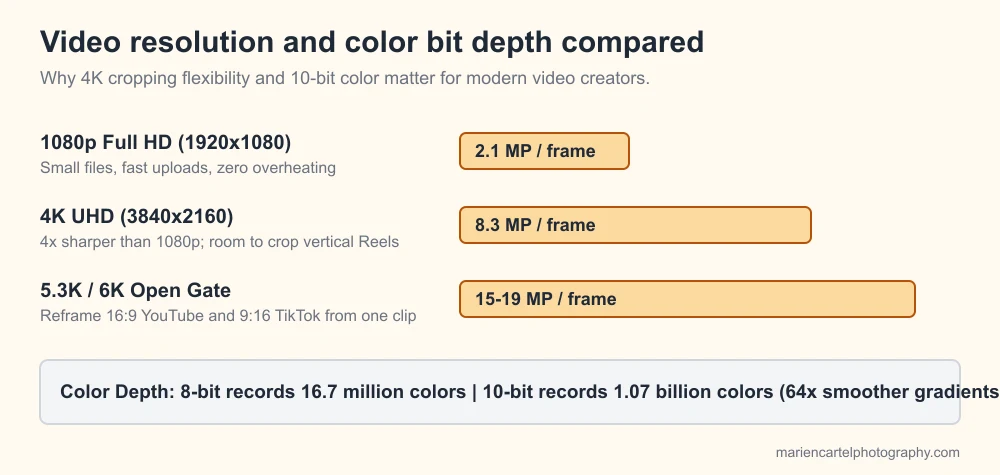
Frame resolution (1080p vs 4K vs 6K Open Gate) and 8-bit vs 10-bit color grading flexibility.
Pixelated Purgatory
If you want people to connect with your content, you need visuals and audio that don’t make them want to gouge their eyes out.
The Research Rabbit Hole
It was overwhelming. Mirrorless, DSLRs, point-and-shoots, action cameras… the choices seemed endless.
Criteria
- Reliable Image Stabilization: Shaky footage is a no-go.
- Decent Audio: Clear audio is just as important as good visuals.
- Price: A balance between features and affordability.
The Contenders (and Ultimate Choice)
- Sony ZV-1: This camera is practically built for vlogging. It boasts excellent autofocus, a flip screen, and a dedicated background defocus button. It’s compact and lightweight, making it perfect for travel.
- Canon G7 X Mark III: Another popular option, this camera offers great image quality, a flip screen, and 4K video. It’s also relatively compact and easy to use.
- GoPro HERO Series: For action-packed vlogs, the GoPro is a no-brainer. Its rugged design, excellent image stabilization, and wide-angle lens make it ideal for capturing adventures.
- Sony Alpha a6400: While pricier than the others, this mirrorless camera offers exceptional image quality, fast autofocus, and interchangeable lenses. This offers much more flexability.
Winner: The Sony ZV-1
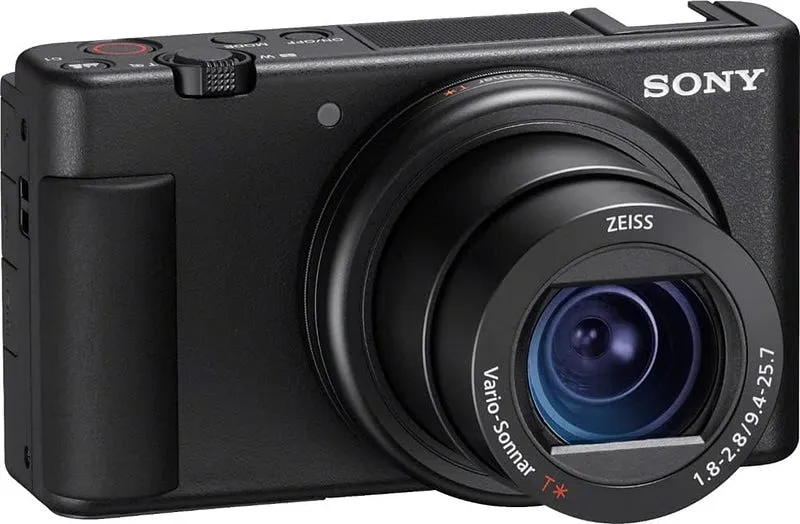
And the built in features for vlogging were extremely helpful.
Tips for Choosing Your Vlogging Camera
- Define your needs: What kind of vlogs will you be creating? What features are most important to you?
- Read reviews: Check out reputable tech blogs and YouTube channels for in-depth reviews.
- Test it out: If possible, try out different cameras before making a purchase.
- Consider your budget: Set a budget and stick to it.
- Don’t forget audio: Invest in a good external microphone.
Photo by Andrei Lasc on Unsplash
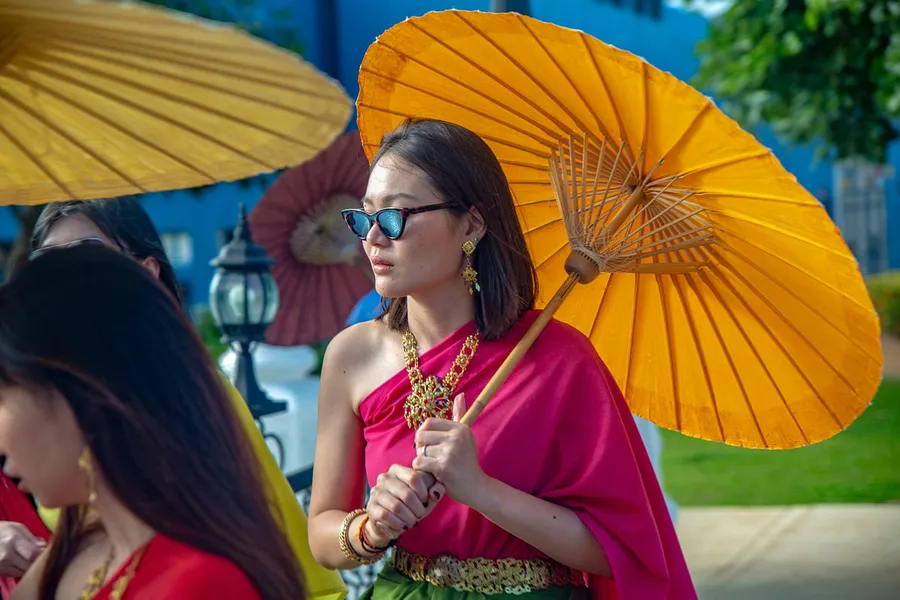
Photo by Solen Feyissa on Unsplash
Additional Recommended Options
Depending on your budget and setup preferences, these additional options are also worth comparing:
Additional Recommended Options
Depending on your budget and setup preferences, these additional options are also worth comparing:
Pair this guide with How much to charge for travel photography, Best Camera for Snowboarding, and the adapter & mount chart.
Camera & Lens Settings by Real-World Use Case
Match your focal length, aperture, shutter speed, and lighting modifier to the exact environment you shoot in.
Daily Vlogging, Travel Vlogs & Walk-and-Talk
- Best Body:
- Sony ZV-1 / DJI Osmo Pocket 3 / Sony ZV-E10 II
- Ideal Lens:
- Sony E 11mm f/1.8 or 10–20mm f/4 PZ (APS-C) / Built-in 18–50mm
- Aperture & Shutter:
- f/1.8 – f/2.8 (with built-in ND filter or variable ND outdoors) · 1/50s – 1/120s with ND filter in bright sun
- Room Distance:
- 0.5m – 0.8m (handheld arm's length on grip/tripod)
YouTube Talking-Head, Podcasting & Desk Streaming
- Best Body:
- Sony ZV-E10 II / Sony a6700 / Canon EOS R50
- Ideal Lens:
- Sigma 16mm f/1.4 DC DN (APS-C) or 24mm f/1.8 (Full Frame)
- Aperture & Shutter:
- f/1.4 – f/2.0 (separates speaker from a close desk wall within 4 feet) · 1/50s (for 24fps) or 1/60s (for 30fps) — 180-degree shutter rule
- Room Distance:
- 0.8m – 1.4m (2.5 to 4.5 ft desk arm mount)
Short-Form Reels, TikTok & Brand Marketing
- Best Body:
- Sony Alpha a6400 / Fujifilm X-S20 / Canon EOS R50
- Ideal Lens:
- Sigma 18–50mm f/2.8 DC DN (covers wide B-roll to tight 50mm talking shots)
- Aperture & Shutter:
- f/2.8 constant zoom or f/1.8 prime · 1/60s (30p) or 1/120s (60p B-roll)
- Room Distance:
- 1.0m – 2.5m with L-bracket vertical mount

Written by
Marien CartelMarien Cartel runs Marien Cartel Photography, a camera and lens buying-guide site, and photographs the gear shown on it.
Related Guides
Best Cameras for Virtual Production: Field Setup & Key Specs
Sony FX6 and Sony FX9 compared for Cameras for Virtual Production: key specifications, trade-offs, and top picks by budget.
Best Camera for Filming Garden Wildlife: Field Setup & Key Specs
Best Camera for Filming Garden Wildlife — Sony α7 IV and Canon EOS R6 Mark II compared, with pros, cons and who should buy which.
3 Best Time Lapse Camera for Plants: Field Setup & Key Specs
Which Time Lapse Camera for Plants is worth buying? See how Brinno TLC2020, GoPro Hero 12 and Canon EOS Rebel T7 stack up on specs, performance, and budget.
4 Best Cameras for Nursery: Field Setup & Key Specs
Best Cameras for Nursery: what to look for, what to skip and how to choose the right one for your budget. Updated for 2026.
Best Camera for Backpacking: Field Setup & Key Specs
Best Camera for Backpacking: Sony RX100 VII, Fujifilm X-T30 II and Olympus OM-D E-M5 Mark III compared on features, price and who each one suits.
Best Camera for Wedding Photography: Field Setup & Key Specs
Canon EOS R5, Nikon Z6 II and Fujifilm X-T4 compared for Camera for Wedding Photography: key specifications, trade-offs, and top picks by budget.