Best Camera for Baseball Photography
As an Amazon Associate we earn from qualifying purchases. Some links in this guide are affiliate links, see our affiliate disclosure for details.
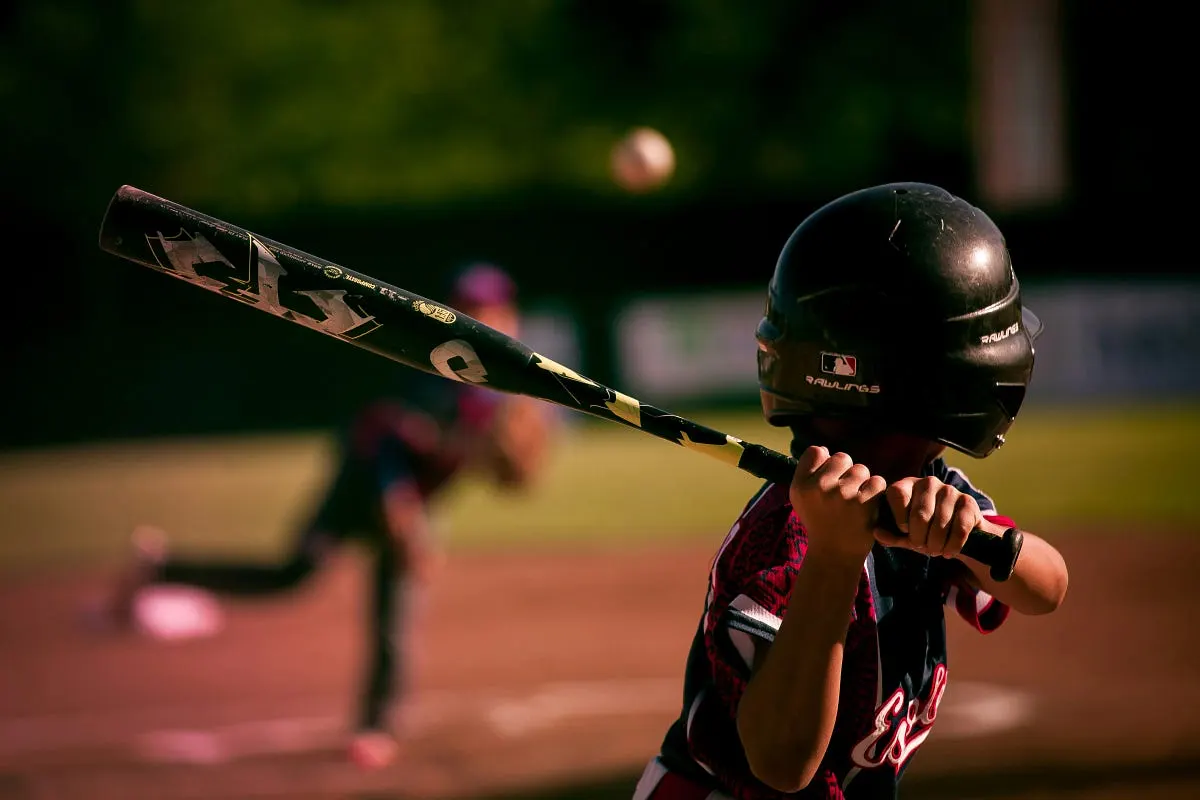
Photo by Eduardo Balderas on Unsplash
Standout Choices for baseball photography
The top pick is the Sony A9 III. It covers its fast autofocus, burst speed and weather sealing, and adds tips for shooting baseball with it.
Why Baseball Photography Demands the Best
Baseball photography is uniquely challenging. You’re tracking fast-moving subjects, dealing with varying light conditions, and trying to capture millisecond-long moments — the bat connecting with the ball, the shortstop’s diving catch, or that perfect slide into home plate.
Enter the Sony A9 III
The A9 III isn’t just another camera — it’s a game-changer for sports photography.
1. Blazing Fast Autofocus
The AI-powered autofocus system is nothing short of miraculous. Whether it was following a baserunner stealing second or a outfielder tracking down a fly ball, the focus stayed locked on target.
3. Weather Sealing
Baseball doesn’t stop for weather, and neither does the A9 III. During a particularly dusty game in July, the camera performed flawlessly despite the challenging conditions.
The Learning Curve
The electronic viewfinder felt strange at first, and the menu system required some getting used to. But after a few games, the benefits became crystal clear:
- The silent shooting didn’t disturb players during crucial moments
Technical Specifications That Matter for Baseball
- 120 fps continuous shooting
- Advanced subject recognition and tracking
- 50MP full-frame sensor
- Improved battery life over previous models
- Enhanced weather sealing
- Dual card slots for backup
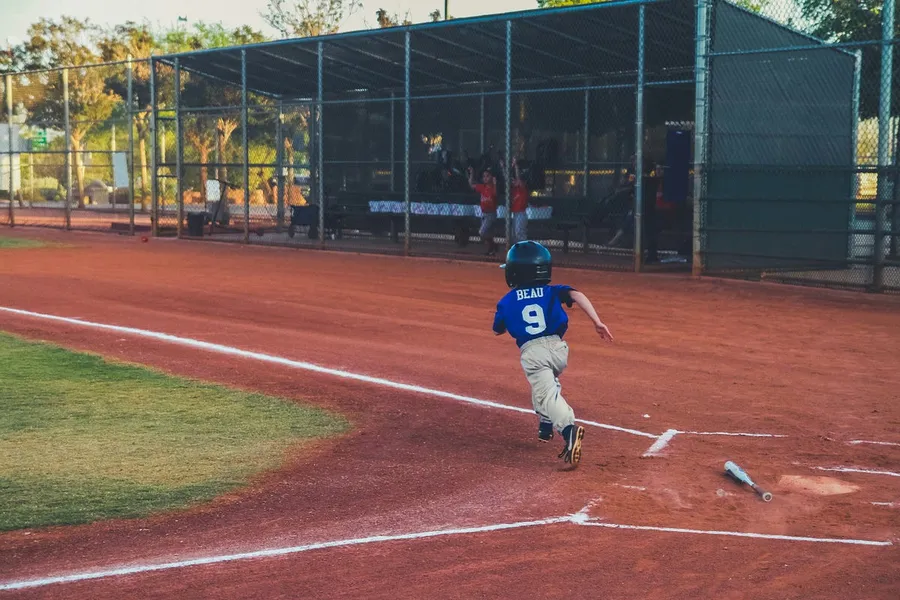
Photo by Kenny Eliason on Unsplash
Investment Considerations
Let’s address the elephant in the dugout — the A9 III is a significant investment. However, for serious baseball photographers, whether you’re shooting your kids’ games or working professionally, the capabilities justify the cost.
Tips for Baseball Photography with the A9 III
- Shutter Priority mode with a minimum of 1/1000s for action shots
- Auto ISO with a maximum of 12800
- Continuous AF with wide tracking
- Electronic shutter for silent operation
Final Thoughts
The Sony A9 III isn’t just a camera — it’s a tool that helps tell the story of baseball. From the tension before a pitch to the jubilation of a walk-off win, it captures every moment with remarkable precision.
Sure, any camera can take pictures of a baseball game, but the A9 III captures those split-second moments that make the difference between a good photo and a great one. Just like baseball itself, it’s all about timing, and with this camera, you’ll never miss your moment.
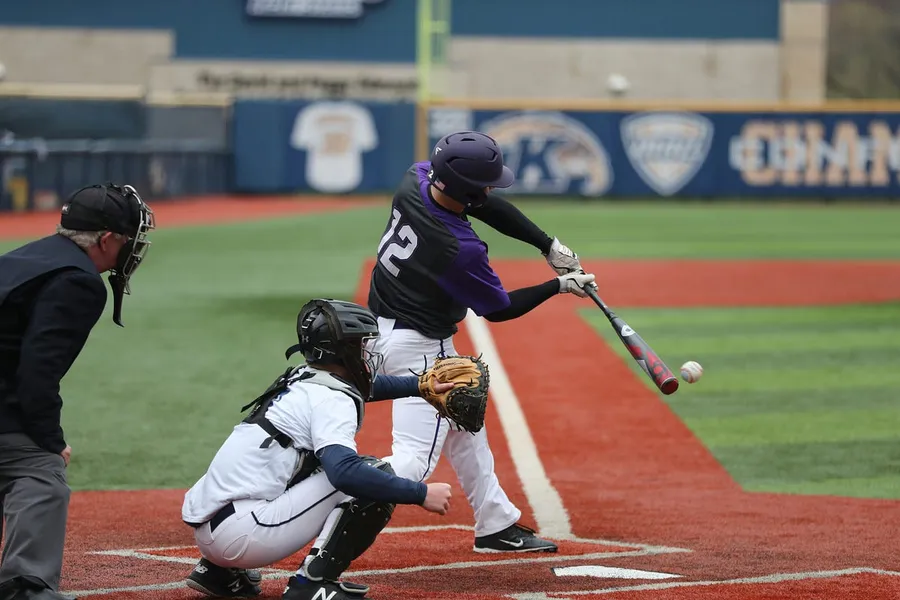
Photo by Chris Chow on Unsplash
Explore Best Camera for ASMR Content Creators alongside How to Make a Time-Lapse Video and the mount compatibility tool.
Camera & Lens Settings by Real-World Use Case
Match your focal length, aperture, shutter speed, and lighting modifier to the exact environment you shoot in.
Youth Sports, GameChanger Baseball/Softball & Golf Swings
- Best Body:
- GoPro Hero 12 Black (Fence Stream) / Canon EOS R50 & R10 (Sideline)
- Ideal Lens:
- RF 100–400mm f/5.6–8 IS USM or 70–200mm f/2.8 (Sideline) / Fixed Wide (Fence)
- Aperture & Shutter:
- f/2.8 – f/5.6 (blurs chain-link fences when shot wide open close to the mesh) · 1/1000s – 1/2000s (baseball bat contact & golf clubhead impact)
- Room Distance:
- 0.1m (snug against chain-link fence) or 10m–40m sideline
Gym Workouts, Fitness Coaching & Athletic Reels
- Best Body:
- Sony ZV-1 / Panasonic Lumix GH5 & GH7 / Sony a7 III
- Ideal Lens:
- 24mm–35mm f/1.8 or 16–35mm f/2.8 Zoom
- Aperture & Shutter:
- f/1.8 – f/2.8 (isolates athlete from crowded gym equipment) · 1/120s (for 4K 60fps slow-motion) or 1/60s (for 30fps)
- Room Distance:
- 1.5m – 3.0m (5 to 10 ft on a compact floor tripod or magnetic mount)
Motorsport, Track Days & Automotive Rolling Shots
- Best Body:
- Sony a7 IV / Canon EOS R5 / Fujifilm X-H2S
- Ideal Lens:
- 70–200mm f/2.8 / 100–400mm (trackside) + 24–70mm f/2.8 with CPL (statics & rollers)
- Aperture & Shutter:
- f/2.8 (static separation) or f/8 – f/13 (slow-shutter daytime panning) · 1/60s – 1/125s (track panning), 1/40s – 1/80s (chase rollers), 1/1000s+ (head-on)
- Room Distance:
- 3m – 50m

Written by
Marien CartelMarien Cartel runs Marien Cartel Photography, a camera and lens buying-guide site, and photographs the gear shown on it.
Related Guides
Best camera for tennis match action shots
Top recommendations include the Sony A9 II as best overall, the Canon EOS R6 as best value and the Sony A7 III as the best budget option.
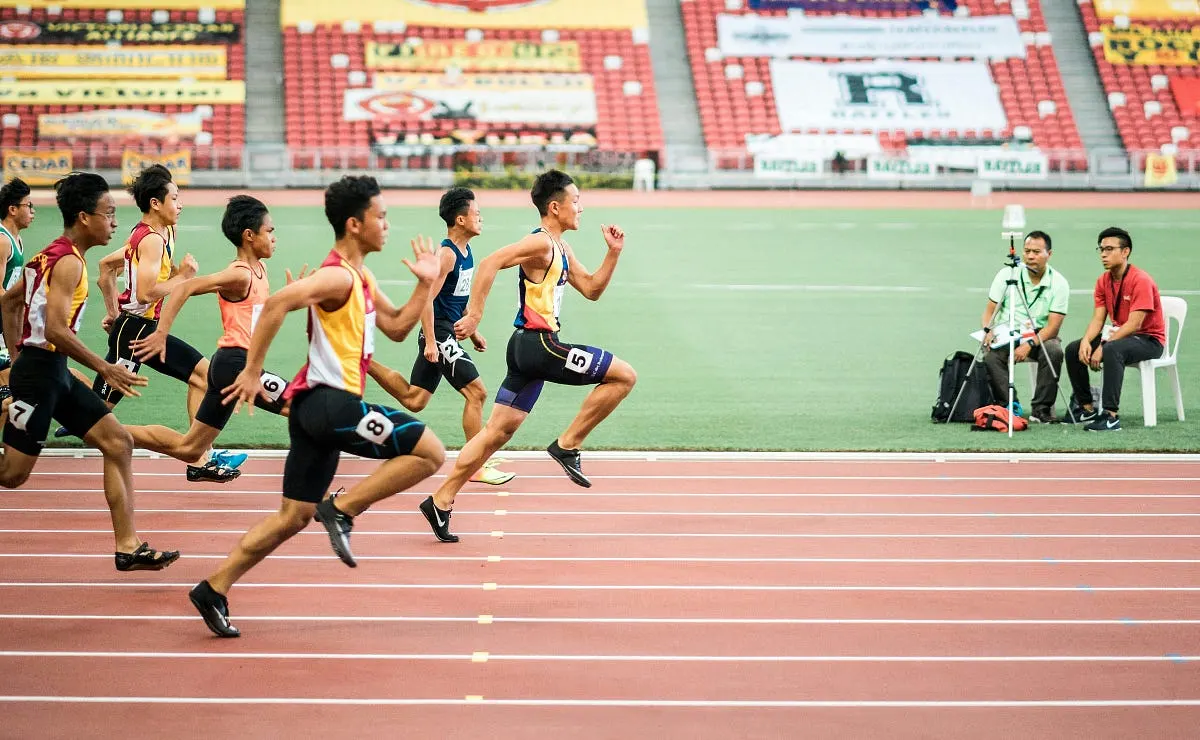
Best Camera for Sports Photography Under $1,000 (2026)
Sony A6000 or Fujifilm X-T30 for sports under $1,000? Burst rates, autofocus points and prices compared, plus the Canon EOS M50 Mark II.
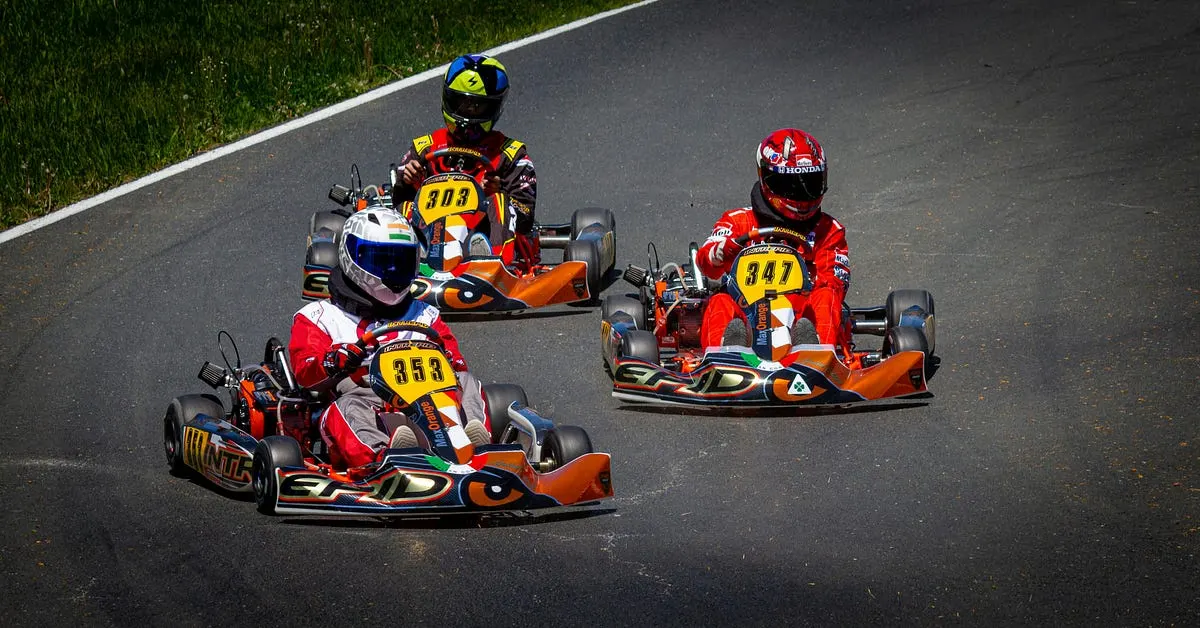
Best Camera for Karting: Low-Light, Autofocus & Value Picks
Best Camera for Karting: GoPro Hero 12 Black, DJI Osmo Action 4 and Insta360 ONE RS compared on features, price and who each one suits.
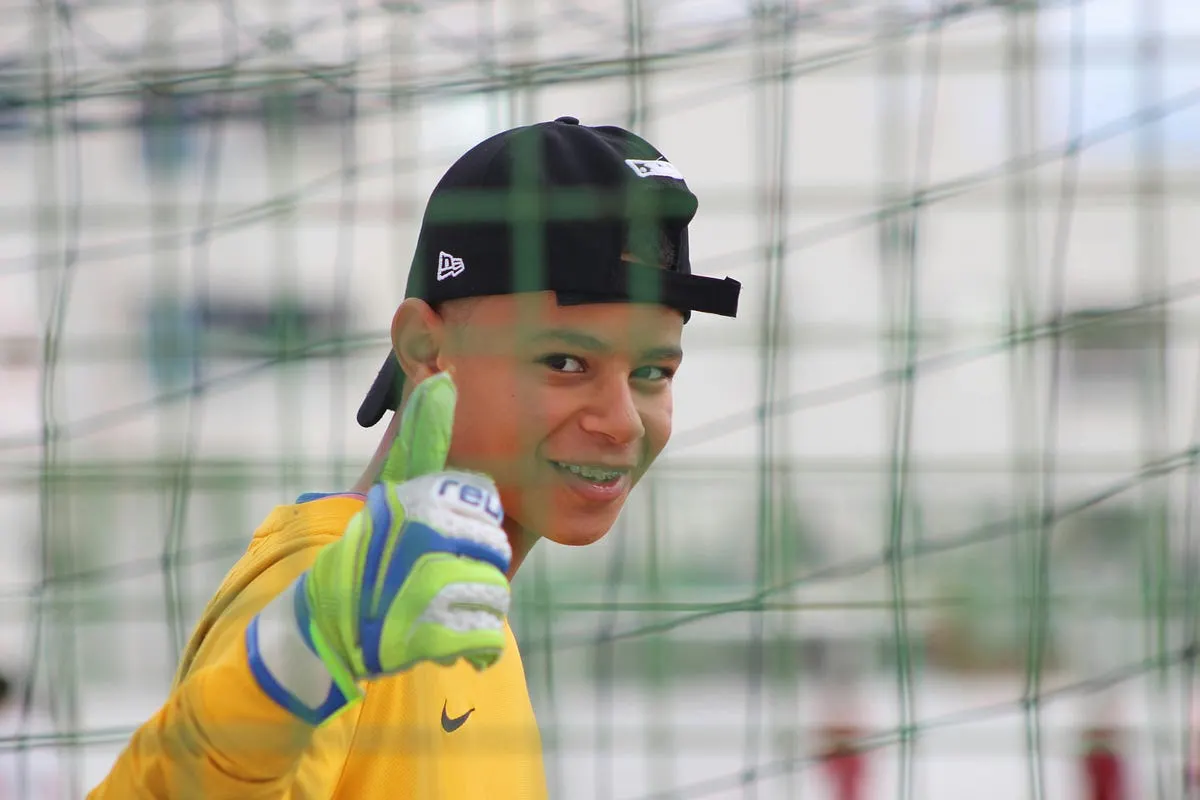
Best Camera for Recording Youth Sports
Compare the best cameras for recording youth sports from the bleachers or sidelines, including the Fujifilm X-H2S, Sony a6700, and Canon EOS R7.
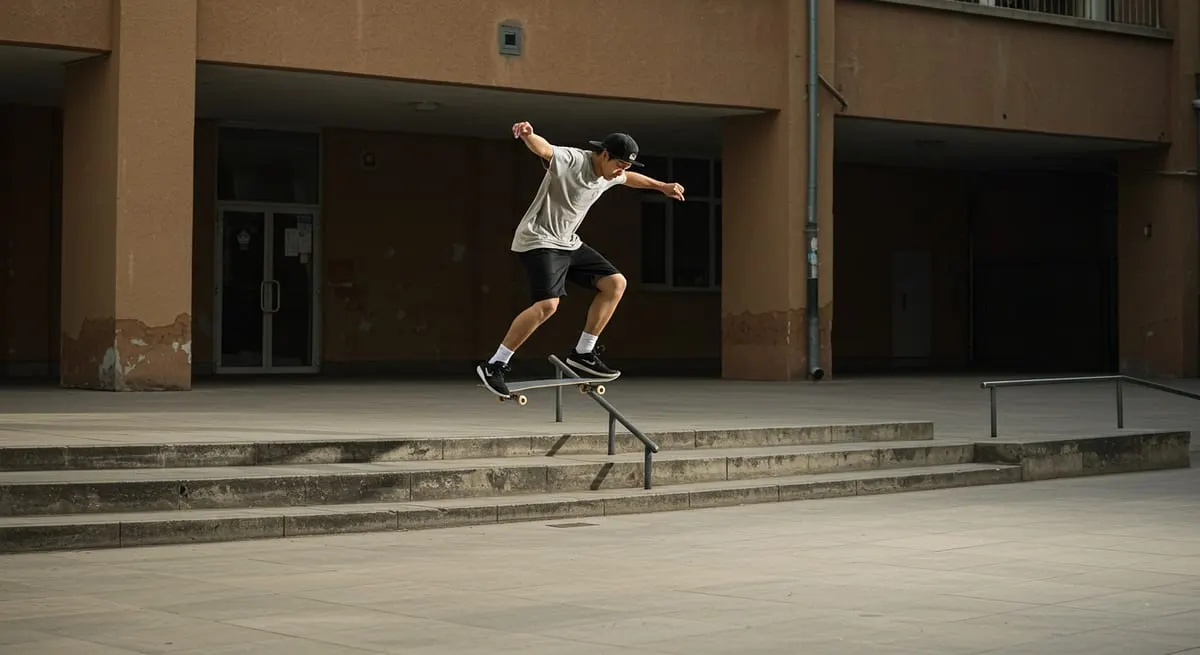
Best Cameras for Skateboarding: Tested Models & Buying Guide
Best Cameras for Skateboarding — Sony A7III, GoPro Hero 11 Black and Sony RX0 II compared, with pros, cons and who should buy which.
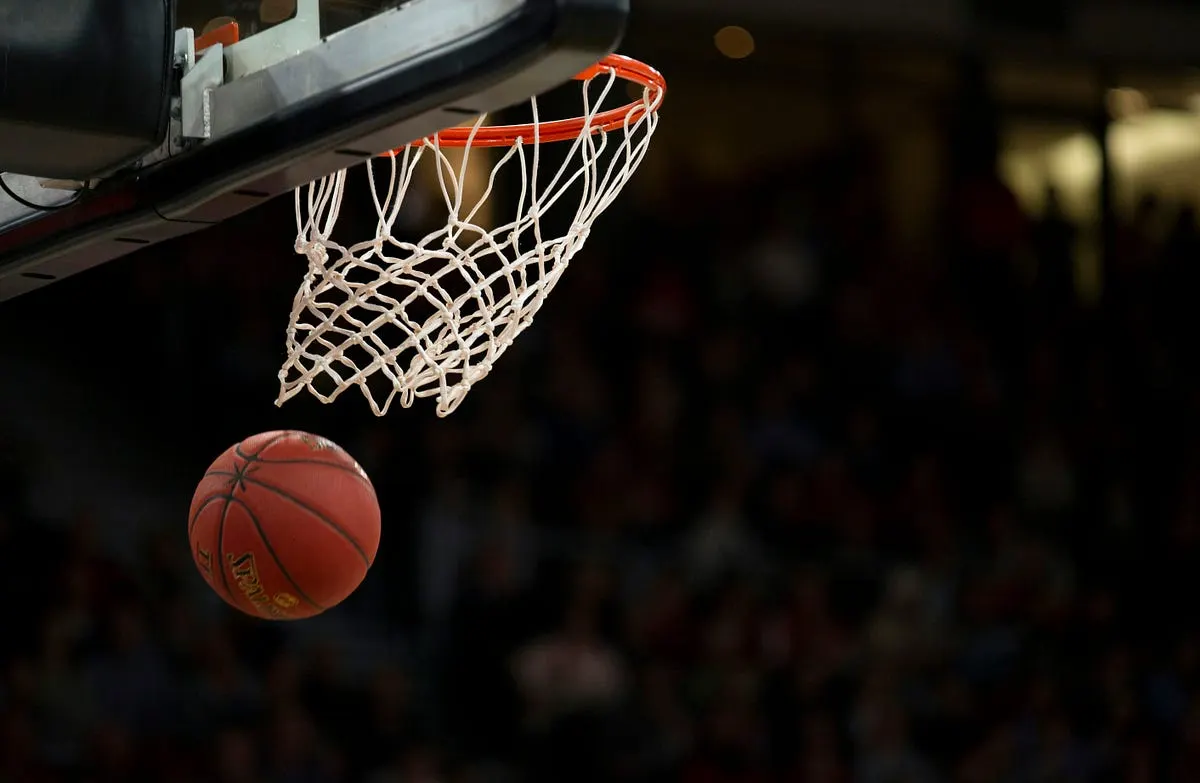
Best Camera for Basketball Games: Field Setup & Key Specs
Best Camera for Basketball Games: Sony A6700, Fujifilm X-H2S and Sony A9 III compared on features, price and who each one suits.