Best Camera for Capturing Flower Details
As an Amazon Associate we earn from qualifying purchases. Some links in this guide are affiliate links, see our affiliate disclosure for details.
Top Picks & Key Specifications at a Glance
| Model | Best For | Mount / System | Key Optical & Sensor Specs | Check Price |
|---|---|---|---|---|
1Sony a7R | Top Overall Pick | Sony FE E-Mount (Full Frame) | 100mm · f/2.8 · Optical IS | Amazon ↗ |
2Canon EOS R | Recommended Pick | Interchangeable-Lens System | 100mm · f/2.8 · Optical IS | Amazon ↗ |
3Nikon Z 50 | Recommended Pick | Interchangeable-Lens System | 100mm · f/2.8 · Optical IS | Amazon ↗ |
4Canon EF 100mm f/2.8L Macro IS USM lens | Recommended Pick | Canon EF Full-Frame DSLR | 100mm · f/2 · Optical IS | Amazon ↗ |
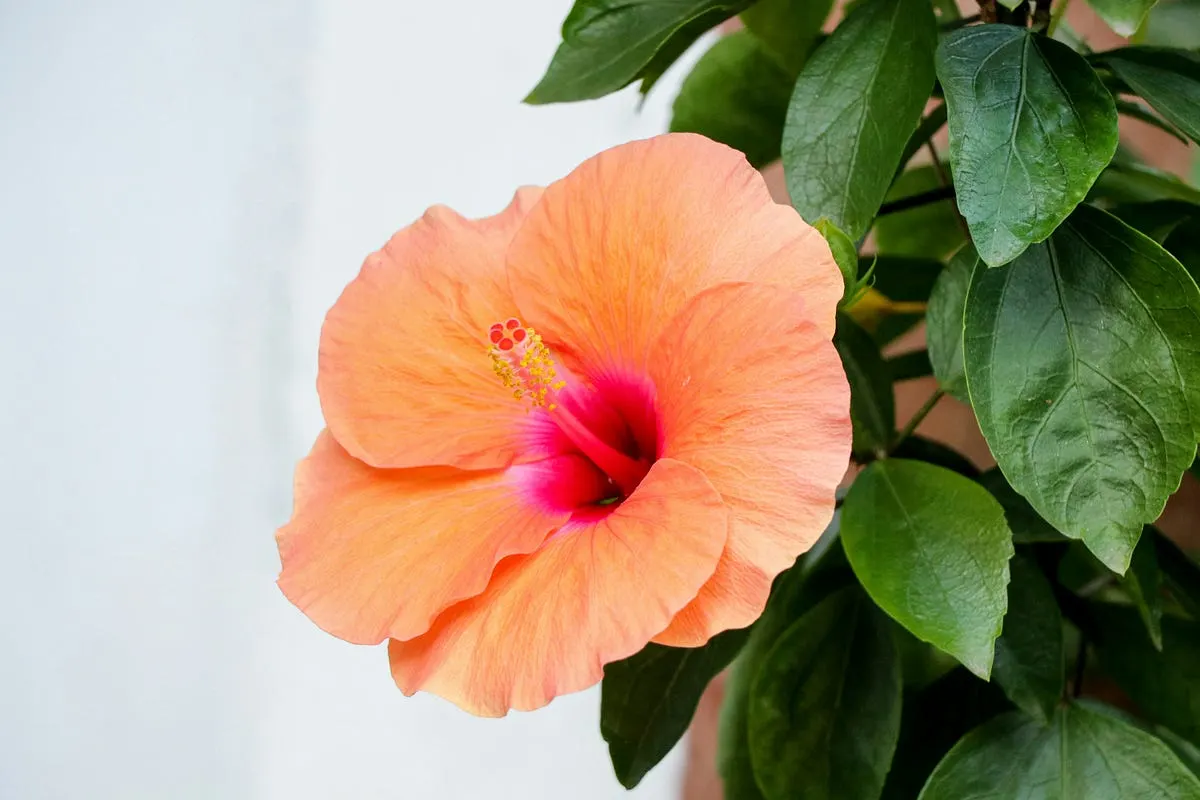
Photo by Tawhidur R on Unsplash
Recommended Gear for flower photography
a DSLR or mirrorless camera with a large sensor and a macro lens is generally best. It singles out the Canon EOS 90D as a strong choice for flowers and adds tips for close-up detail.
For capturing intricate flower details, a DSLR or mirrorless camera with a large sensor and a dedicated macro lens is generally considered the best option, with popular choices like the Sony Alpha 7R series, Canon EOS R series, or Nikon Z series being highly recommended for their excellent image quality and focusing capabilities; particularly when paired with a macro lens like a 100mm f/2.8 macro lens.
- Sony a7R — Check Sony a7R Price on Amazon
- Canon EOS R — Check Canon EOS R Price on Amazon
- Nikon Z 50 — Check Nikon Z 50 Price on Amazon
Key points to consider:
Sensor size:
- A larger sensor allows for better light gathering and finer detail capture, making it ideal for flower photography.
Macro lens:
- A dedicated macro lens enables extreme close-up focusing, essential for capturing minute details on flower petals.
Autofocus performance:
- Look for a camera with fast and accurate autofocus to capture sharp details, especially on delicate flowers.
Specific camera recommendations:
- Sony Alpha 7R series: Highly regarded for its high resolution sensor, excellent low-light performance, and advanced autofocus
- Canon EOS R series: Offers a great balance of image quality, features, and lens selection
- Nikon Z series: Known for its fast autofocus and high-quality image output
Other options for flower photography:
- High-end compact cameras:
- Some advanced compact cameras like the Panasonic Lumix LX10 or the Canon G series can also produce excellent macro results.
- DSLRs with macro lenses:
- If you already own a DSLR, investing in a dedicated macro lens can significantly improve your flower photography.
Why the Canon EOS 90D is Perfect for Flower Photography
- Incredible Detail and Sharpness
- Versatility
- User-Friendly Interface
- Durability
Tips for Capturing Stunning Flower Details
- Shoot in Natural Light
Early morning or late afternoon light is ideal for capturing the soft, delicate details of flowers. Avoid harsh midday sun, which can create harsh shadows and wash out colors. - Use a Tripod
Stability is key when shooting close-ups. A tripod helps you keep the camera steady and ensures your images are sharp. - Experiment with Angles
Don’t just shoot from above. Get down low, shoot from the side, or even try shooting from underneath the flower for a unique perspective. - Focus on the Details
Zoom in on the most interesting parts of the flower — the center, the edges of the petals, or the stem. Sometimes, the smallest details make the most compelling images. - Be Patient
Flowers move with the wind, and lighting conditions can change quickly. Take your time and wait for the perfect moment.
Final Thoughts
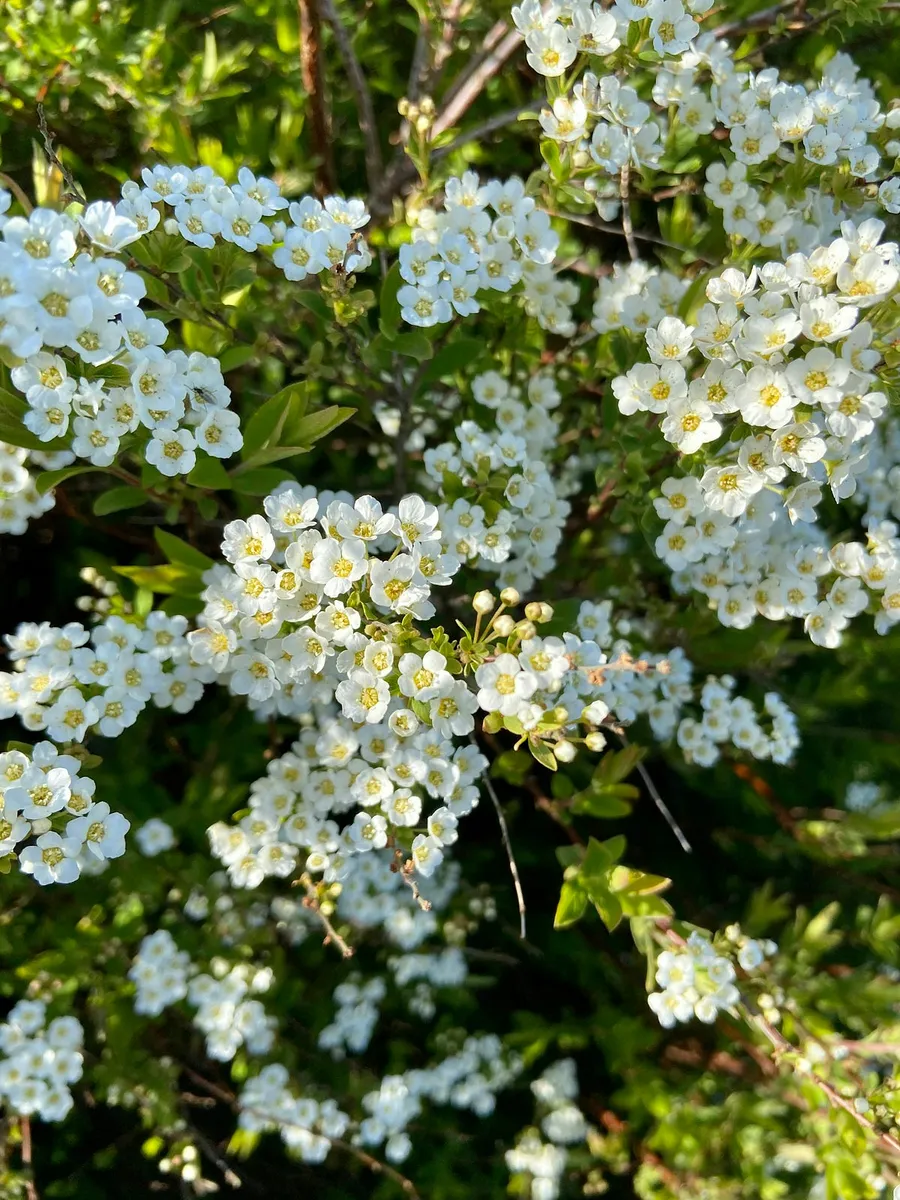
Photo by Magda Smolen on Unsplash
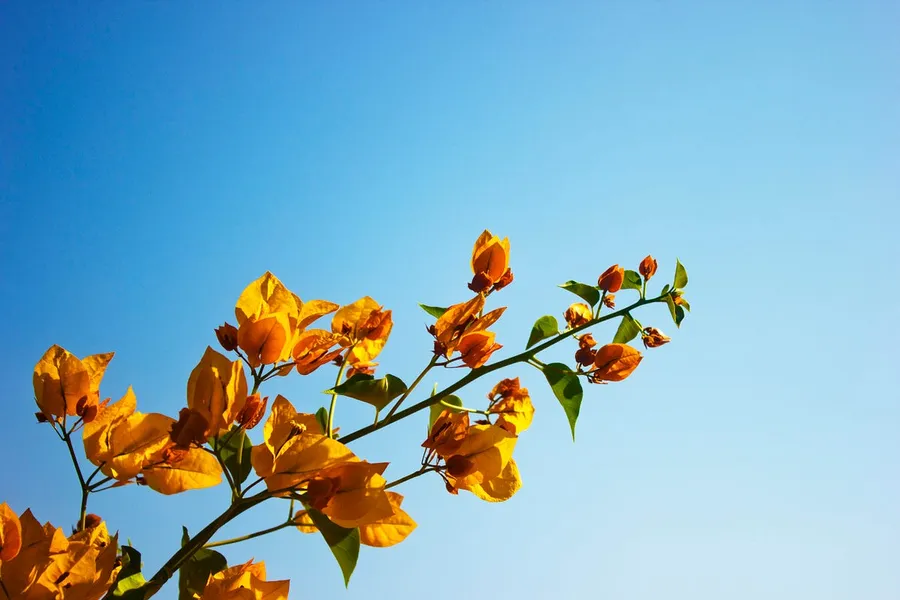
Photo by Poorva Rawat on Unsplash
More picks
- Canon EF 100mm f/2.8L Macro IS USM lens — Check Canon EF 100mm f/2.8L Macro IS USM lens Price on Amazon
Related guides: Best Camera For Boxing Photography, Best Camera for Therapy Sessions, and our field setup directory.
Common Buying & Setup Questions
What is the top pick in Best Camera for Capturing Flower Details?
The Sony a7R (100mm · f/2.8 · Optical IS, Sony FE E-Mount (Full Frame)) leads our shortlist as the top overall pick, followed closely by the Canon EOS R (100mm · f/2.8 · Optical IS).
What focal length, aperture, and shutter speed work best for jewelry, watches, diamonds & fine collectibles?
For jewelry, watches, diamonds & fine collectibles, pair a 90mm – 105mm (gives working room so the lens barrel doesn't block light) lens at f/8 – f/11 with 10–25 focus-stacked frames with a shutter speed of Electronic front-curtain shutter on tripod (2-sec self-timer) and a working distance of 0.25m – 0.45m (10 to 18 inches). Recommended setup: Diffused light cone/tent + black flag cards to define metal edges + 5500K high-CRI continuous LEDs..
Camera & Lens Settings by Real-World Use Case
Match your focal length, aperture, shutter speed, and lighting modifier to the exact environment you shoot in.
Jewelry, Watches, Diamonds & Fine Collectibles
- Best Body:
- Canon EOS R5 / Nikon Z7 II / OM System OM-1 Mark II
- Ideal Lens:
- 90mm – 105mm f/2.8 1:1 Macro Lens
- Aperture & Shutter:
- f/8 – f/11 with 10–25 focus-stacked frames · Electronic front-curtain shutter on tripod (2-sec self-timer)
- Room Distance:
- 0.25m – 0.45m (10 to 18 inches)
Landscape, National Parks (Yosemite/Yellowstone) & Waterfalls
- Best Body:
- Sony A7R IV / Nikon Z7 II / Fujifilm GFX 50S II
- Ideal Lens:
- 16–35mm f/4 or f/2.8 (foreground drama) + 24–105mm f/4 (all-day trail)
- Aperture & Shutter:
- f/8 – f/11 (focused at the hyperfocal distance, roughly 1/3 into the scene) · 1/2s – 2s on tripod with ND64 filter for silky waterfalls; 1/125s handheld
- Room Distance:
- 0.5m foreground rock to infinity horizon
Tattoo Artists & Micro-Realism Portfolios
- Best Body:
- Sony Alpha a7 III / Fujifilm X-T4
- Ideal Lens:
- 90mm f/2.8 Macro (detail) or 50mm f/1.8 (sleeves & back pieces)
- Aperture & Shutter:
- f/5.6 – f/8 (keeps curved forearms and calves sharp edge-to-edge) · 1/125s – 1/200s handheld (or 1/60s on tripod)
- Room Distance:
- 0.4m – 1.5m (1.5 to 5 ft)

Written by
Marien CartelMarien Cartel runs Marien Cartel Photography, a camera and lens buying-guide site, and photographs the gear shown on it.
Related Guides
Best Camera for Music Videos (Capturing Moments & Top Alternatives)
Best Camera for Music Videos — Canon EOS R6, Panasonic Lumix GH5 II and Fujifilm X-T4 compared, with pros, cons and who should buy which.
5 Best Cameras for Nature Videography: Canon EOS R5, Nikon Z9 & More
Best Cameras for Nature Videography: side-by-side comparison of Canon EOS R5, Nikon Z9 and Sony Alpha 1 covering key specs, real-world handling, pros.
Best Camera for Nature Photography Beginner
Best Camera for Nature Photography Beginner: Canon EOS R10, Nikon D7500 and Panasonic Lumix FZ2000 compared on features, price and who each one suits.
6 Best Olympus camera for nature photography: (2026 Guide & Reviews)
Best Olympus camera for nature photography — Olympus OM-D E-M10 Mark IV and Olympus OM-D E-M1 Mark III compared, with pros, cons and who should buy which.
Best Camera for Filming Garden Wildlife: Field Setup & Key Specs
Best Camera for Filming Garden Wildlife — Sony α7 IV and Canon EOS R6 Mark II compared, with pros, cons and who should buy which.
Best Camera for Nature: Nikon Z 6III, Canon EOS R10 & More
Best Camera for Nature — OM SYSTEM OM-1 Mark II, Nikon Z 6III and Canon EOS R10 compared, with pros, cons and who should buy which.