Nikon Z50II Review: Low-Light, Autofocus & Value Picks
As an Amazon Associate we earn from qualifying purchases. Some links in this guide are affiliate links, see our affiliate disclosure for details.
Is the Nikon Z50 II worth buying?
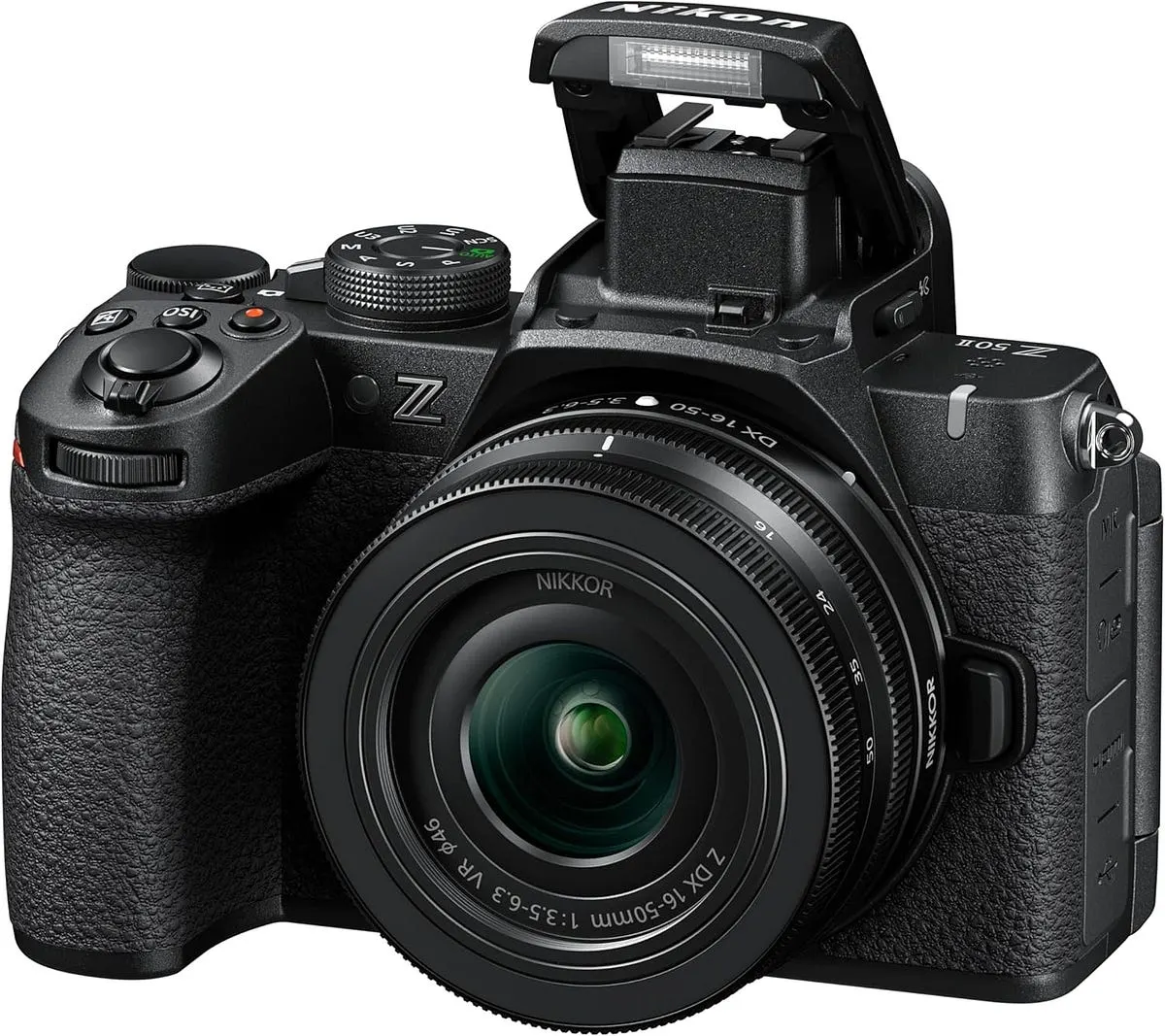
The Nikon Z50 II is a good choice for buyers who want a compact APS-C Nikon with current autofocus and solid video. It was announced on November 7, 2024, with a 20.9-megapixel sensor, 4K video up to 60p and a body that weighs about 550 g with battery and card. It is worth buying for beginners, vloggers and travel shooters moving up from a phone or an older camera. Owners of the original Z50 get fewer reasons to upgrade, because the sensor resolution is unchanged.
Key specifications
| Spec | Nikon Z50 II |
|---|---|
| Sensor | 20.9 MP APS-C (DX format) |
| Video | 4K UHD up to 60p |
| Continuous shooting | Up to 11 frames per second |
| Autofocus | Subject detection with 3D tracking |
| Weight | About 550 g with battery and card |
| Ports | 3.5 mm microphone and headphone jacks, USB-C |
| Announced | November 7, 2024 |
The figures come from Nikon's published information and the earlier version of this guide; check the maker's page for current numbers and pricing.
What is new compared with the Nikon Z50?
The Z50 II keeps the same 20.9-megapixel sensor as the original Z50, but updates the processing engine, autofocus and video. The main upgrades are:
- Autofocus. Newer subject detection recognises people, animals and vehicles and keeps them in focus as they move.
- Video. 4K up to 60p gives smoother footage than the original camera, and the microphone and headphone jacks help for vlogging.
- Picture Controls. More colour and tone options help shoot in a chosen style without editing.
For a detailed side-by-side look, see the Nikon Z50 II vs Nikon Z50 comparison.
Who should buy it?

Photo by Vincent van Zalinge on Unsplash
- Beginners. The grip, controls and menus are friendly, and the autofocus does much of the work.
- Vloggers and creators. Audio jacks and 4K 60p are useful, and a vari-angle screen helps framing.
- Travellers. The body and a small kit lens are easy to carry.
- Wildlife and sports hobbyists on a budget. Subject detection and 11 frames per second help with moving subjects, although the APS-C sensor limits low-light performance compared with full-frame bodies.
Who should skip it?
- Original Z50 owners. The sensor is the same, so image quality will look similar.
- Low-light specialists. A full-frame body gives cleaner results at high ISO.
- Professionals. Higher-end Nikon bodies offer dual card slots and faster buffers.

Photo by Geoffrey Moore on Unsplash
Pros and cons
| Pros | Cons |
|---|---|
| Current Nikon autofocus in a small body | Same sensor resolution as the original Z50 |
| 4K up to 60p video | Not suited to heavy professional use |
| Microphone and headphone jacks | APS-C sensor trails full frame in low light |
| Friendly handling for beginners | Small native DX lens range compared with some brands |
Lenses and accessories
The Z50 II uses the Nikon Z mount. The 16-50mm kit zoom is a sensible start, and a Nikkor Z DX 50-250mm is a common second lens for wildlife and sports. Full-frame Z lenses also fit, with a crop factor of about 1.5x, and F-mount lenses work with the FTZ adapter. See the best lenses for the Nikon Z50 II for options.

Photo by Sean Foster on Unsplash
The camera is available at Amazon.
Frequently asked questions
Is the Nikon Z50 II full frame? No. It uses a DX-format APS-C sensor, which crops the field of view by about 1.5x compared with full frame.
Does it have in-body image stabilization? Nikon's specifications for the Z50 II list no in-body stabilization, so stabilized lenses help in low light.
Is it good for beginners? Yes. The autofocus is capable, the controls are clear, and the body is small enough for daily use.
Can it shoot 4K video? Yes, up to 60p, according to Nikon's specifications. Check the maker's page for crop factors and recording limits.
Camera & Lens Settings by Real-World Use Case
Match your focal length, aperture, shutter speed, and lighting modifier to the exact environment you shoot in.
Tattoo Artists & Micro-Realism Portfolios
- Best Body:
- Sony Alpha a7 III / Fujifilm X-T4
- Ideal Lens:
- 90mm f/2.8 Macro (detail) or 50mm f/1.8 (sleeves & back pieces)
- Aperture & Shutter:
- f/5.6 – f/8 (keeps curved forearms and calves sharp edge-to-edge) · 1/125s – 1/200s handheld (or 1/60s on tripod)
- Room Distance:
- 0.4m – 1.5m (1.5 to 5 ft)
Barbershops, Hairstylists & Color Salons
- Best Body:
- Sony a7 IV / Canon EOS R6 Mark II
- Ideal Lens:
- 50mm f/1.8 (tight stations) or 85mm f/1.8 (spacious salons)
- Aperture & Shutter:
- f/1.8 – f/2.8 (blurs background chairs while keeping the lineup tack-sharp) · 1/160s – 1/250s (freezes subtle head movement in the chair)
- Room Distance:
- 1.5m – 2.4m (5 to 8 ft from the styling chair)
Makeup Artists (MUA) & Beauty Tutorials
- Best Body:
- Sony Alpha a6400 / Canon G7 X Mark III
- Ideal Lens:
- Sigma 56mm f/1.4 DC DN (APS-C) or 50mm–85mm f/1.8 (Full Frame)
- Aperture & Shutter:
- f/2.8 – f/4 for full-face sharpness; f/5.6 for macro eye/lip close-ups · 1/125s for stills; 1/50s (24p) or 1/120s (60p) for video tutorials
- Room Distance:
- 1.2m – 2.2m (4 to 7 ft)

Written by
Marien CartelMarien Cartel runs Marien Cartel Photography, a camera and lens buying-guide site, and photographs the gear shown on it.
Related Guides
Canon R7 vs Sony a6700: Low-Light, Autofocus & Value Picks
Canon R7 vs Sony a6700 compared — where each one wins, where it falls short, and who should buy which. Updated for 2026.
Best GoPro: Low-Light, Autofocus & Value Picks
Best GoPro — GoPro HERO 12 Black, GoPro HERO 13 Black and GoPro HERO (2024) compared, with pros, cons and who should buy which.
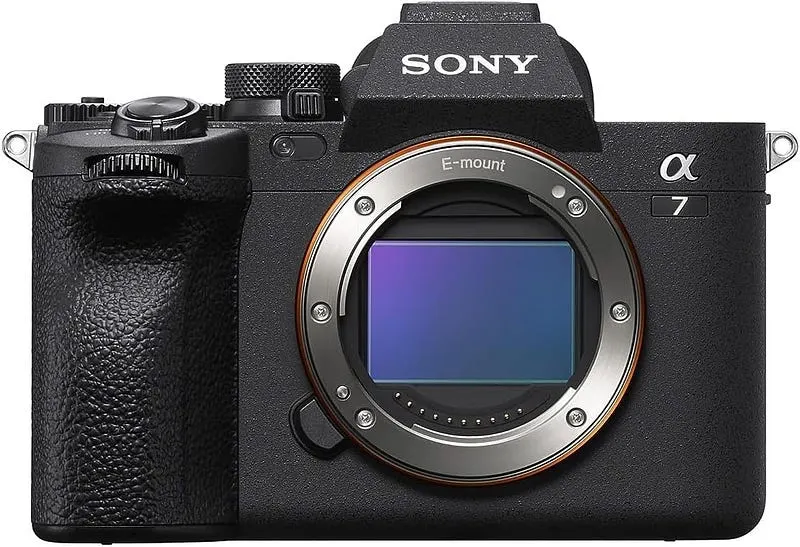
Sony A7IV: Low-Light, Autofocus & Value Picks
Sony A7IV: Canon EOS R6 Mark II, Nikon Z6 II and Fujifilm X-H2S compared on features, price and who each one suits.
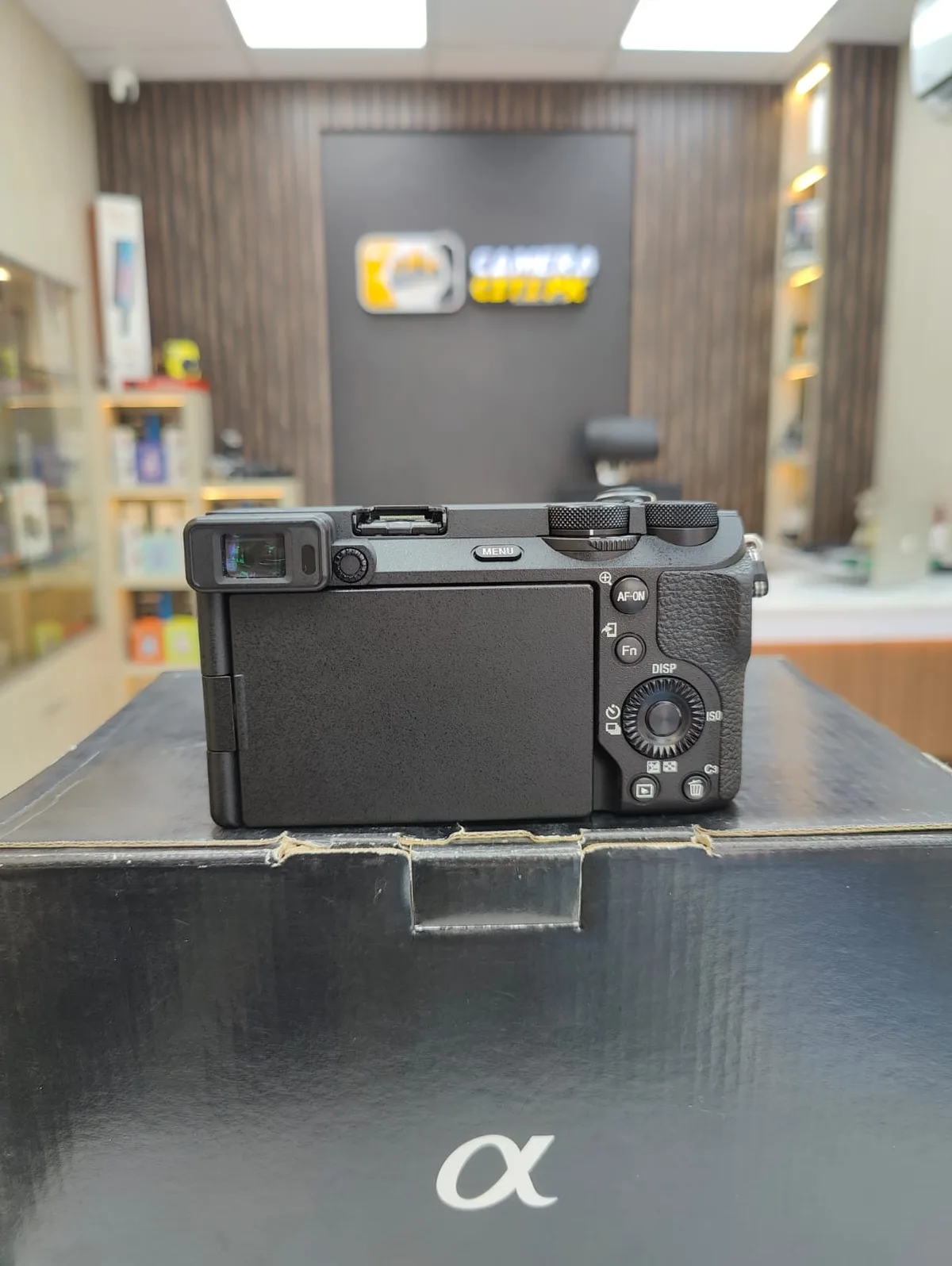
Sony A6600 vs A6700: Low-Light, Autofocus & Value Picks
Compare the Sony a6600 vs Sony a6700 APS-C mirrorless cameras: 26MP BSI sensor, AI subject-recognition autofocus, 4K 60p/120p 10-bit video, and ergonomics.
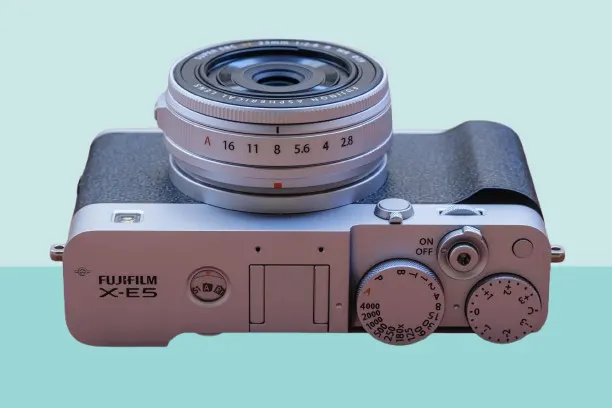
Fujifilm X-E5 Review: Low-Light, Autofocus & Value Picks
Fujifilm X-E5 Review: what to look for, what to skip and how to choose the right one for your budget. Updated for 2026.

Best Sony Cameras for Sports: Low-Light, Autofocus & Value Picks
Best Sony Cameras for Sports — Sony A7R V, Sony A7C II and Sony A9 III compared, with pros, cons and who should buy which.