Sony A1 II Review: Image Stabilization, Video Capabilities & More
As an Amazon Associate we earn from qualifying purchases. Some links in this guide are affiliate links, see our affiliate disclosure for details.
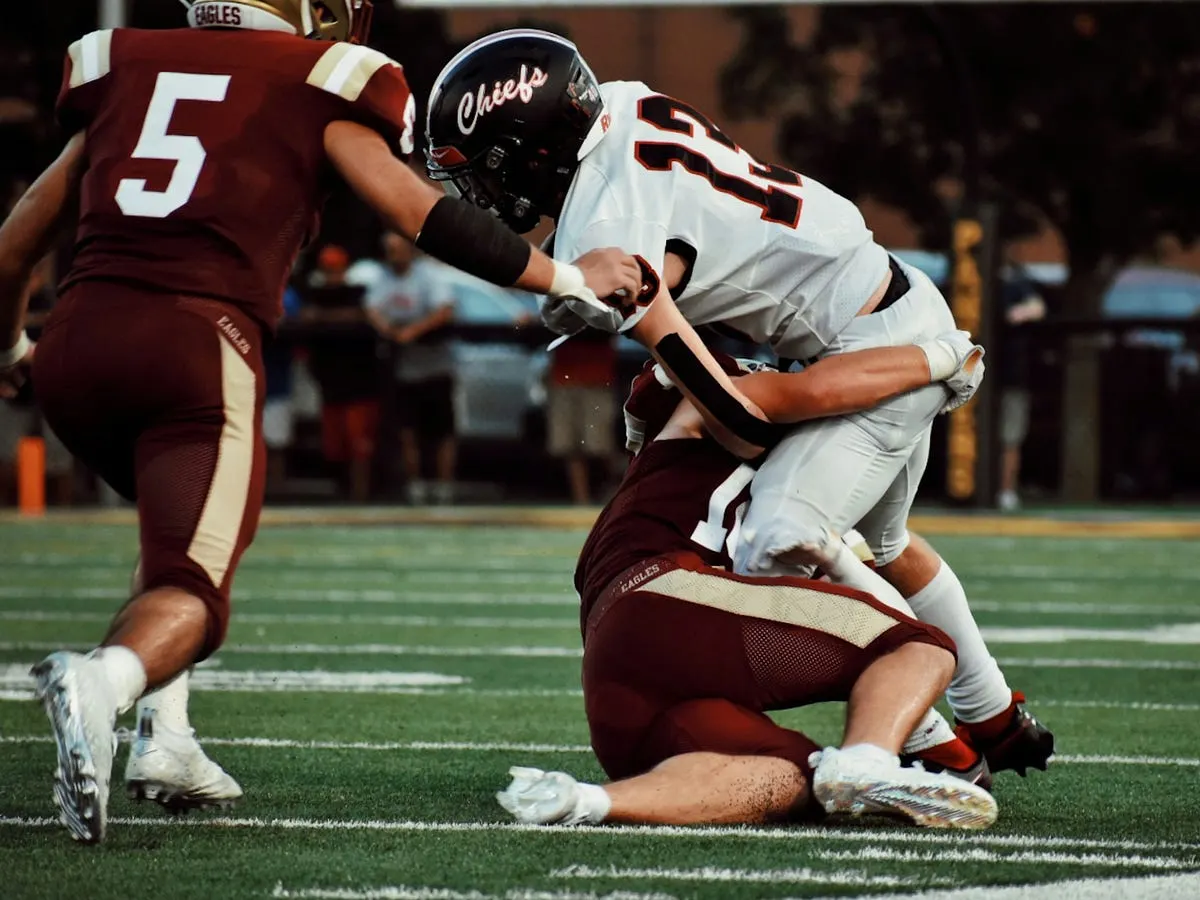
Photo by leah hetteberg on Unsplash
Is the Sony a1 II worth buying?
Reviewed models include the Sony a1 II across its specifications, features and real use in different settings. It notes that its high-resolution files reward good post-processing in Lightroom and Photoshop.
Specifications and Features Overview
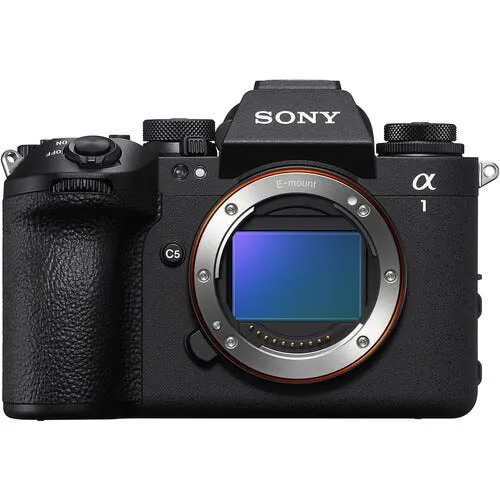
The Sony A1 II is a powerhouse, boasting a 50.1MP full-frame stacked Exmor RS CMOS sensor paired with the BIONZ XR processor. This combination allows for impressive performance, including:
Up to 30 frames per second (fps) with full autofocus and auto-exposure tracking.
Autofocus System
Enhanced AI-driven subject recognition that can detect humans, animals, birds, and vehicles. The new Auto mode allows for seamless switching between subjects without manual adjustments.
Image Stabilization
The in-body image stabilization (IBIS) claims up to 8.5 stops of compensation, making low-light photography more feasible.
Video Capabilities
Supports 8K video recording at 30 fps and 4K at up to 120 fps, catering to both photographers and videographers.
Display
A tilting 3.2-inch touchscreen with over 2 million dots and a high-resolution electronic viewfinder (EVF) with 9.44 million dots.
These features make the A1 II a versatile tool for both professional photographers and enthusiasts alike.
Experience with the Sony A1 II
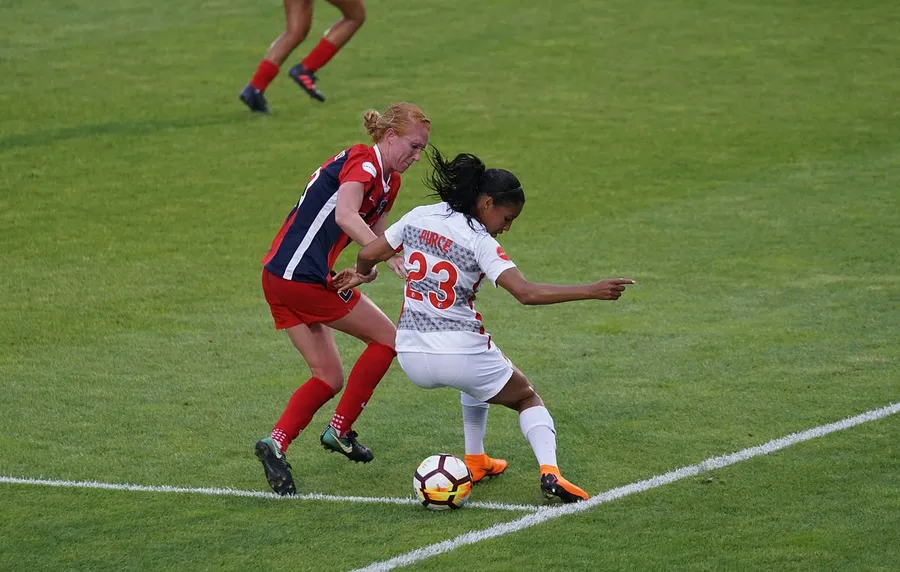
Photo by Jeffrey F Lin on Unsplash

Photo by Jeffrey F Lin on Unsplash
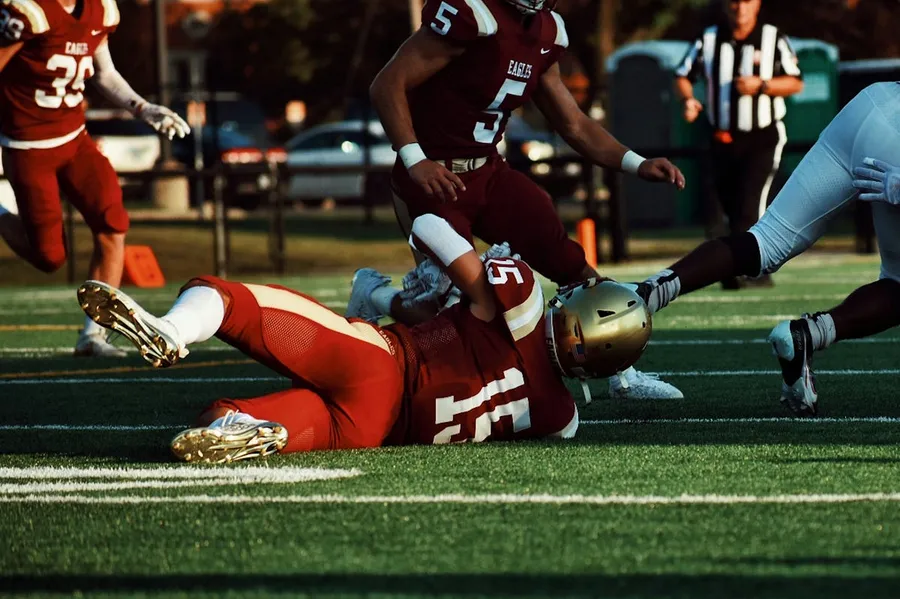
Photo by leah hetteberg on Unsplash
Comparative Insights
| Feature | Sony A1 | Sony A1 II |
|---|---|---|
| Sensor | 50.1MP | 50.1MP |
| Continuous Shooting | 10 fps | 30 fps |
| Autofocus | Basic subject detection | AI-driven subject detection |
| IBIS | Up to 5 stops | Up to 8.5 stops |
The table above highlights how the A1 II refines an already impressive camera system while maintaining core strengths like resolution and image quality.
Pros and Cons of the Sony A1 II: A Personal Perspective
Pros
- Exceptional Image Quality: The 50.1MP full-frame sensor delivers stunning detail and dynamic range. The colors were vibrant, and the images had a depth that truly brought the scenery to life.
- Fast Autofocus: The AI-driven autofocus system is a game changer.
Cons
While it feels robust in hand, carrying it around for extended periods can be tiring.
- Price Point: The A1 II comes with a premium price tag that may not be justifiable for casual photographers.
Final Thoughts
In conclusion, if you’re considering upgrading your gear or diving into professional photography, the Sony A1 II stands out as a formidable option that combines innovation with user-friendly design.
Explore Canon EOS R10 Review alongside Fujifilm X-S20 Review and the mount compatibility tool.
Camera & Lens Settings by Real-World Use Case
Match your focal length, aperture, shutter speed, and lighting modifier to the exact environment you shoot in.
Tattoo Artists & Micro-Realism Portfolios
- Best Body:
- Sony Alpha a7 III / Fujifilm X-T4
- Ideal Lens:
- 90mm f/2.8 Macro (detail) or 50mm f/1.8 (sleeves & back pieces)
- Aperture & Shutter:
- f/5.6 – f/8 (keeps curved forearms and calves sharp edge-to-edge) · 1/125s – 1/200s handheld (or 1/60s on tripod)
- Room Distance:
- 0.4m – 1.5m (1.5 to 5 ft)
Barbershops, Hairstylists & Color Salons
- Best Body:
- Sony a7 IV / Canon EOS R6 Mark II
- Ideal Lens:
- 50mm f/1.8 (tight stations) or 85mm f/1.8 (spacious salons)
- Aperture & Shutter:
- f/1.8 – f/2.8 (blurs background chairs while keeping the lineup tack-sharp) · 1/160s – 1/250s (freezes subtle head movement in the chair)
- Room Distance:
- 1.5m – 2.4m (5 to 8 ft from the styling chair)
Makeup Artists (MUA) & Beauty Tutorials
- Best Body:
- Sony Alpha a6400 / Canon G7 X Mark III
- Ideal Lens:
- Sigma 56mm f/1.4 DC DN (APS-C) or 50mm–85mm f/1.8 (Full Frame)
- Aperture & Shutter:
- f/2.8 – f/4 for full-face sharpness; f/5.6 for macro eye/lip close-ups · 1/125s for stills; 1/50s (24p) or 1/120s (60p) for video tutorials
- Room Distance:
- 1.2m – 2.2m (4 to 7 ft)

Written by
Marien CartelMarien Cartel runs Marien Cartel Photography, a camera and lens buying-guide site, and photographs the gear shown on it.
Related Guides
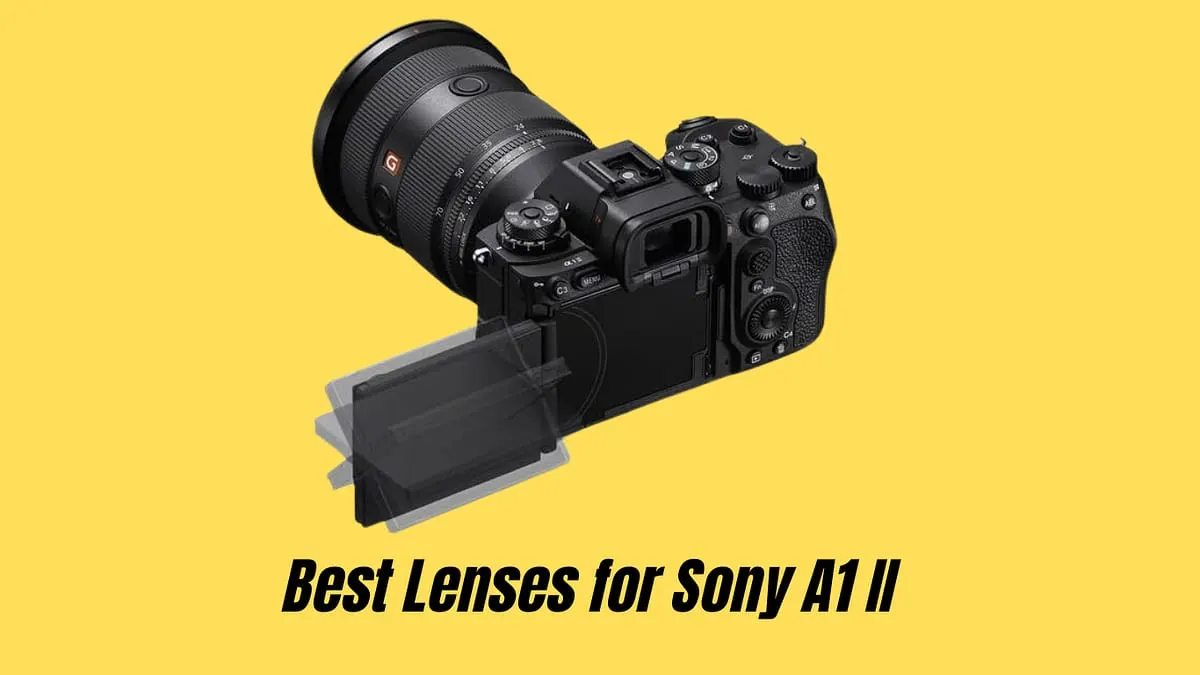
Best Lenses for Sony A1 II: Aperture, Stabilization & Mount Guide
Best Lenses for Sony A1 II: a side-by-side look at Sony FE 24–70mm f/2.8 GM and Sony FE 70–200mm f/2.8 GM, with strengths, trade-offs and buying advice.
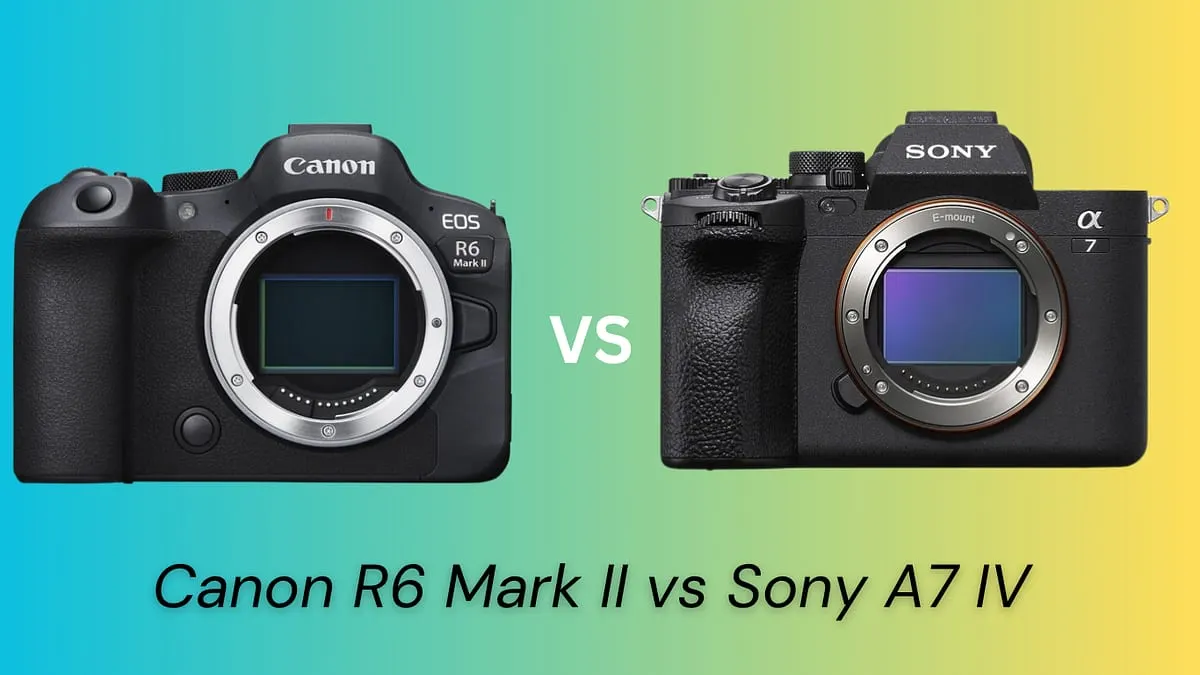
Canon R6 Mark II vs Sony A7 IV (Image Quality & Top Alternatives)
This comparison evaluates the two on image quality, autofocus, video, handling and lens ecosystem, then explains which one to choose depending on your needs.
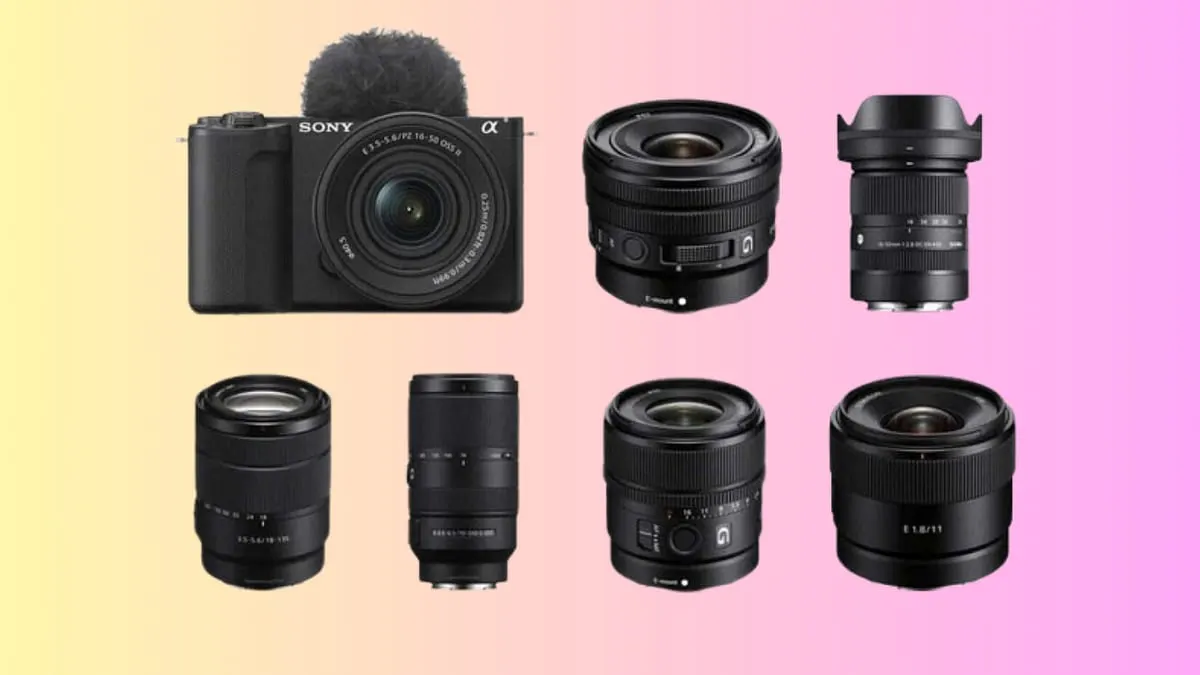
Best Lenses for Sony ZV-E10 II (2026): 8 Lenses for Video & Photo
Eight lenses for the Sony ZV-E10 II by use: 10–20mm PZ G, Sigma 18–50mm f/2.8, 18–135mm OSS, 70–350mm G, 15mm f/1.4 G, 11mm f/1.8.

Best Camera for Northern Lights: Sony A7S III, Nikon Z6 II & More
Top options include the Sony A7S III, Nikon Z6 II, Canon EOS R6, Sony A7 IV and Nikon Z7 II. Plus essential gear and setup tips for photographing auroras.
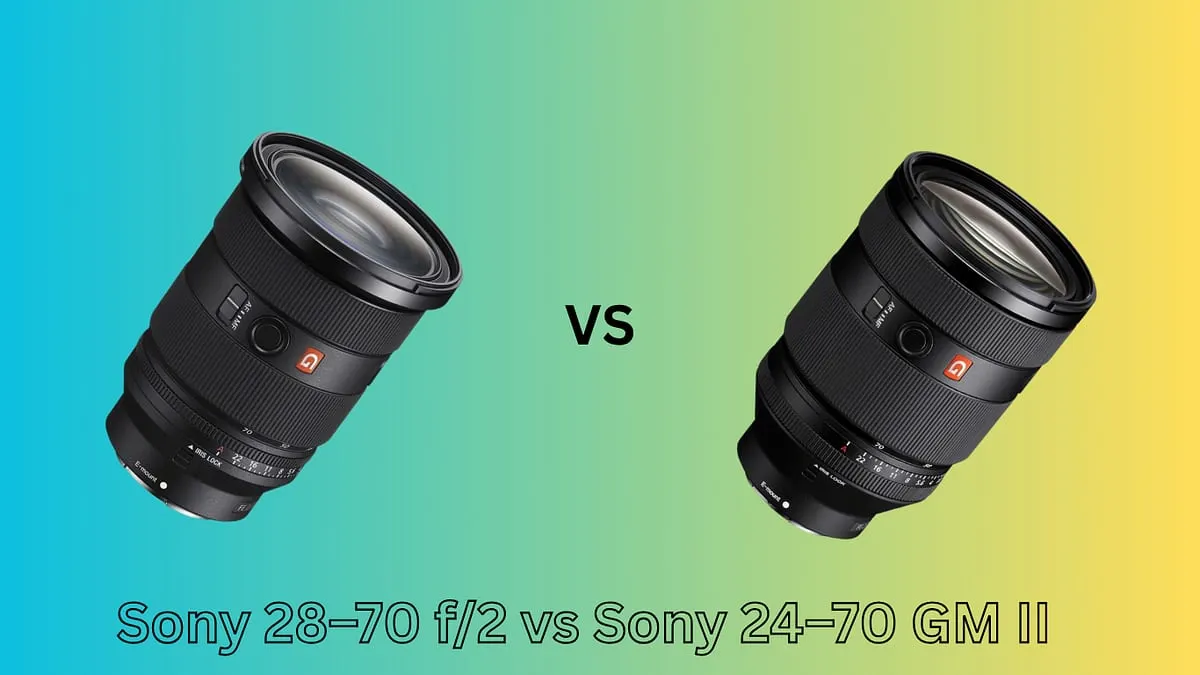
Sony 28–70mm f/2 vs 24–70mm f/2.8 GM II: Which to Buy
Sony FE 28–70mm f/2 GM vs 24–70mm f/2.8 GM II: wider range or an extra stop of light? A quick verdict for weddings, portraits, video and travel.
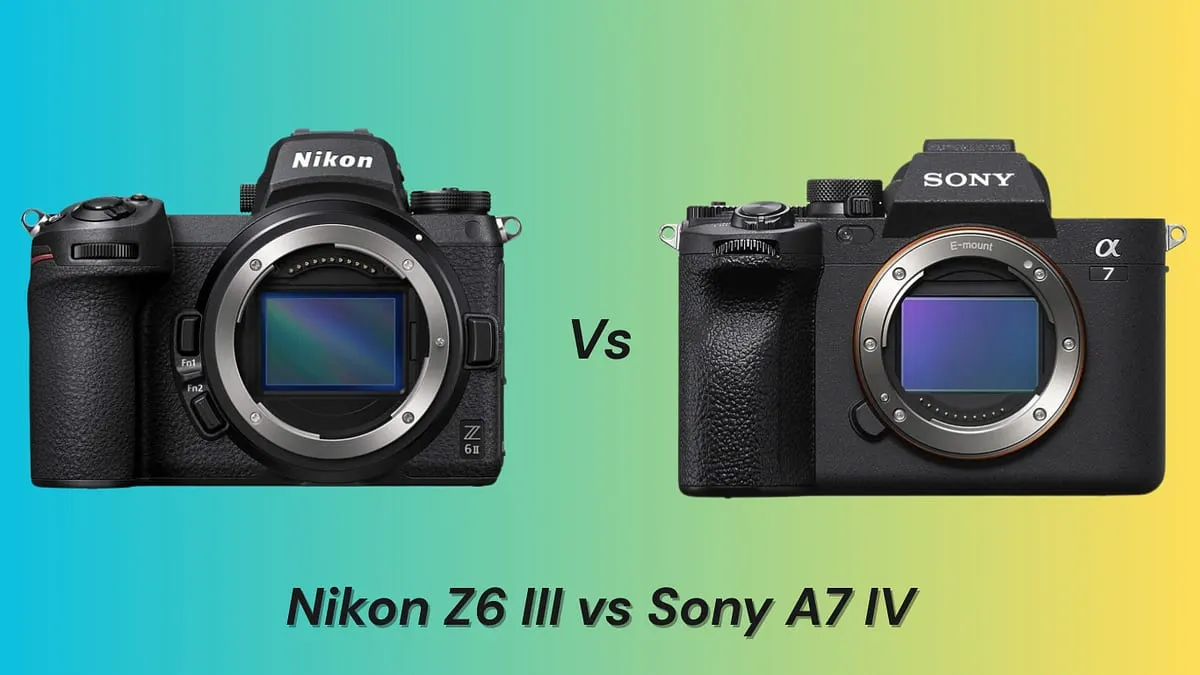
Nikon Z6 III vs Sony A7 IV: Sensor Size, Stabilization & Picks
Nikon Z6 III vs Sony A7 IV compared — where each one wins, where it falls short, and who should buy which. Updated for 2026.