Best Camera for Motorsport Photography 2026: R3, Z9, A9 III
As an Amazon Associate we earn from qualifying purchases. Some links in this guide are affiliate links, see our affiliate disclosure for details.
Racing is about fast, unpredictable subjects: a car or bike that approaches, passes and is gone. The body that suits you has fast autofocus tracking, a quick burst rate and a deep buffer, and it needs a long lens to go with it. Panning technique matters as much as the camera.
This guide compares five bodies from the lower-priced Canon EOS R7 up to the flagship Canon EOS R3, Nikon Z9 and Sony A9 III. The table gives the short version, and the later tables compare them in detail.
Quick verdict
| Your situation | Pick | Why |
|---|---|---|
| An all-round flagship | Canon EOS R3 or Nikon Z9 | R3: about 30 fps electronic with vehicle detection; Z9: 45.7 MP, 20 fps at full resolution and a buffer over 1,000 frames |
| A global shutter | Sony A9 III | 24.6 MP global-shutter sensor, up to 120 fps and flash sync at any shutter speed |
| A lower price | Canon EOS R7 | 32.5 MP APS-C, 30 fps electronic and vehicle detection for cars and motorbikes |
| A camera in between | Nikon Z6 III | Sits between the flagships and the lower-priced bodies |
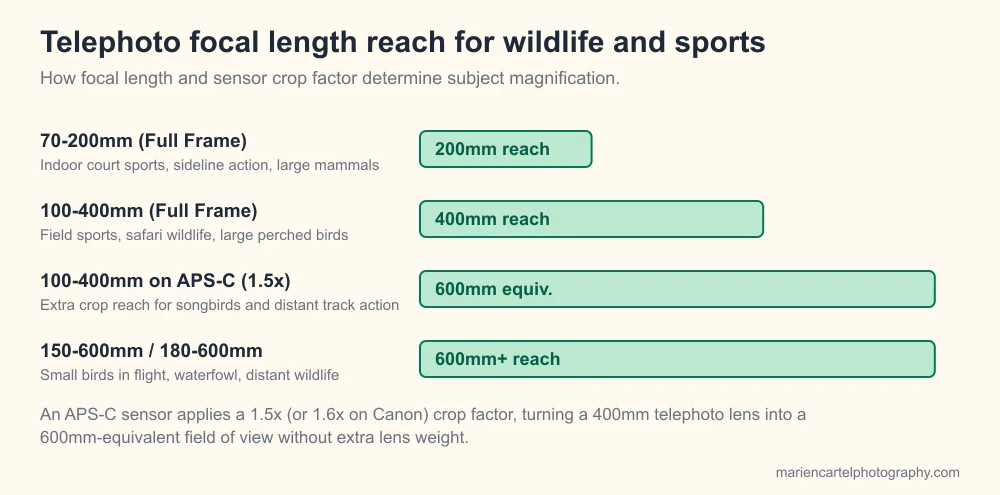
Effective telephoto reach across 200mm, 400mm, APS-C 1.5x crop factor, and 600mm wildlife lenses.
What matters most in a motorsport camera?
Fast, unpredictable subjects reward a few specific features. The table shows what each one does.
| Feature | Why it matters for racing | What to check |
|---|---|---|
| Subject-tracking autofocus | Keeps a car or rider sharp as it approaches and passes | Vehicle or motorsport detection in the autofocus menu |
| Burst rate and buffer | More frames per pass raises the chance of one perfect frame | Frames per second with autofocus on, and how many frames the buffer holds |
| Electronic shutter quality | Fast bursts and silent shooting, but rolling shutter can bend fast objects | Stacked or global-shutter sensors reduce this |
| Low-light performance | Late sessions, tunnels and wet days need clean high ISO | Sensor size and resolution |
| Lens ecosystem | Reach matters at a track | Available telephoto lenses for the mount |
How do the five cameras compare?
The figures come from the makers' pages and specification databases. Sources sometimes disagree on weight and burst details, so check the manufacturer's page before you buy.
| Camera | Sensor | Burst rate | Notes |
|---|---|---|---|
| Canon EOS R3 | 24.1 MP full-frame stacked, back-illuminated | About 30 fps electronic (up to 150 raw frames) and 12 fps mechanical | Vehicle detection covers motorsport vehicles and riders' helmets, 822 g body only |
| Nikon Z9 | 45.7 MP full-frame stacked | 20 fps at full resolution, buffer over 1,000 frames | No mechanical shutter, 11 MP JPEG bursts up to 120 fps |
| Sony A9 III | 24.6 MP full-frame global shutter | Up to 120 fps with autofocus | Blackout-free viewfinder, flash sync at any shutter speed |
| Canon EOS R7 | 32.5 MP APS-C | 30 fps electronic and 15 fps mechanical | Vehicle detection for racing cars and motorbikes, about 530 g body |
| Nikon Z6 III | 24.5 MP full-frame partially stacked | Up to 20 fps RAW per Nikon's marketing | Internal RAW video up to 6K/60p, about 670 g |
Sources: Canon USA EOS R3 page, Wikipedia on the Canon EOS R3, Imaging Resource on the Nikon Z9, PhotographyLife on the Nikon Z9, ShutterMuse on the Sony A9 III, Canon Europe EOS R7 specifications and a Vistek listing for the Nikon Z6 III.
Canon EOS R3
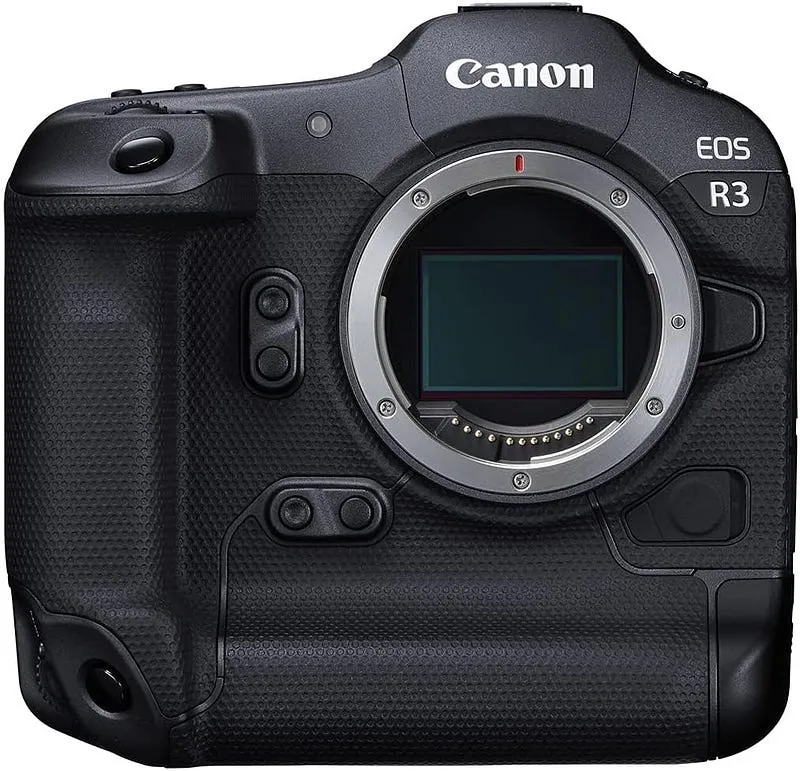
The R3 pairs a stacked sensor with a fast electronic shutter. Canon says its autofocus includes vehicle detection for motorsport cars, bikes and riders' helmets.
Strengths:
- About 30 fps with the electronic shutter, and 12 fps with the mechanical shutter.
- Electronic shutter speeds up to 1/64,000 second.
- Subject-detection autofocus built around vehicles as well as people and animals.
Trade-offs:
- It is one of the most expensive bodies here.
- At 822 g body only, it is a heavy camera for a full day at the track.
Canon R3 — Check Canon R3 Price on Amazon
Nikon Z9
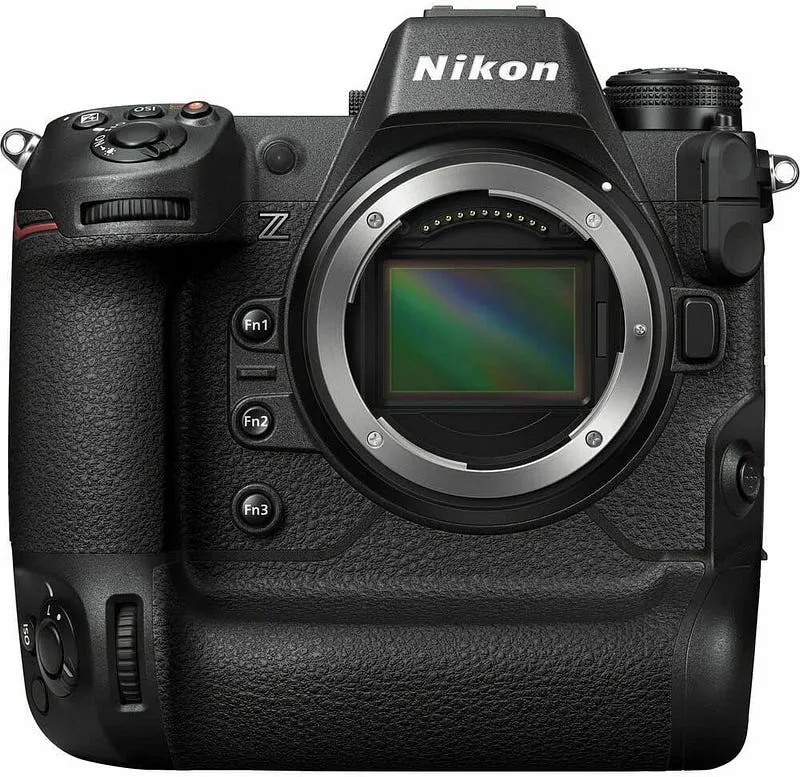
The Z9 pairs a 45.7 MP stacked sensor with 20 fps at full resolution and a very large buffer. It has no mechanical shutter at all, a first for a Nikon interchangeable-lens camera, according to PhotographyLife. One retailer listing mentions car, aeroplane, bird and eye autofocus.
Strengths:
- High resolution leaves room to crop a car that is smaller in the frame.
- Buffer of more than 1,000 frames at 20 fps.
- 11 MP JPEG bursts up to 120 fps for very fast sequences.
Trade-offs:
- Full-resolution bursts are slower than the R3's electronic shutter rate.
- A large, heavy body.
Nikon Z9 — See Nikon Z9 on Amazon
Sony A9 III
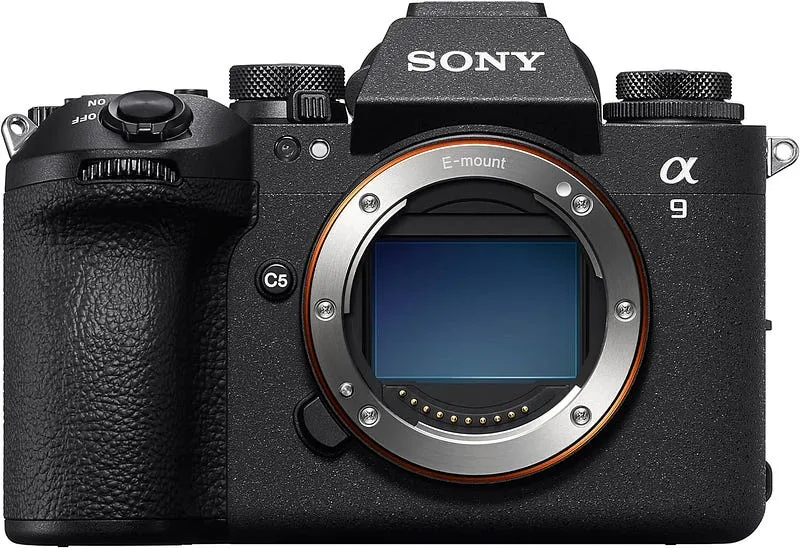
The A9 III is the first full-frame camera with a global shutter. That design reads the whole sensor at once, so fast subjects do not skew the way they can with a rolling electronic shutter. Sony lists up to 120 fps stills with autofocus and a blackout-free viewfinder.
Strengths:
- Global shutter removes rolling-shutter distortion.
- Flash sync at any shutter speed.
- Very high burst rates.
Trade-offs:
- Launched at about $6,000 in the US.
- 24.6 MP gives less room to crop than the Z9 or R7.
Sony A9 III — See Sony A9 III on Amazon
Canon EOS R7
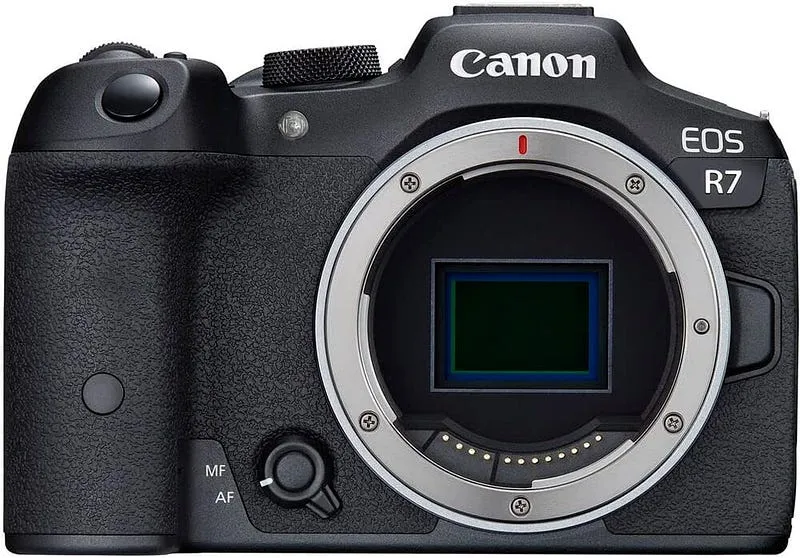
The R7 is the lowest-priced body here. Its APS-C sensor gives extra reach with a given lens, and Canon lists autofocus that recognises people, animals and vehicles, including racing cars and motorbikes.
Strengths:
- 30 fps electronic and 15 fps mechanical bursts.
- 32.5 MP APS-C crop factor adds reach.
- Lighter, at about 530 g without battery and card.
Trade-offs:
- A smaller sensor means less low-light performance and less depth-of-field control than full frame.
- Fewer pro-level features than the R3.
Canon R7 — Check Canon R7 Price on Amazon
Nikon Z6 III
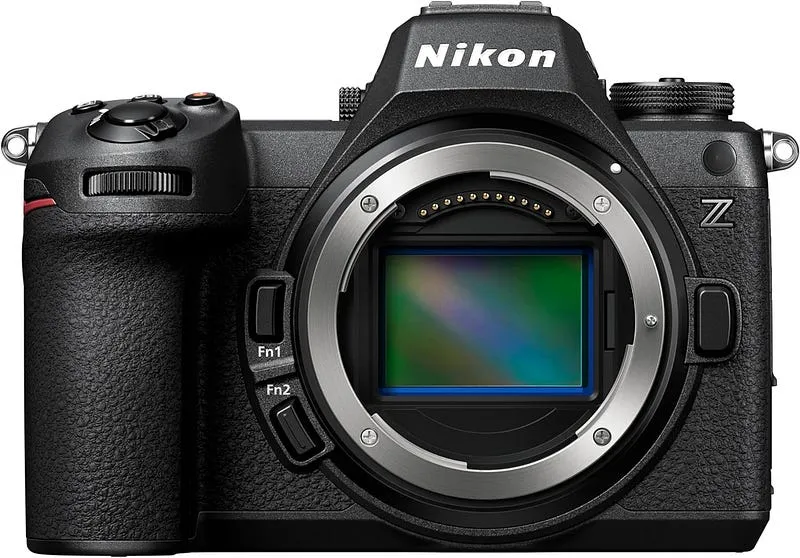
The Z6 III uses a partially stacked 24.5 MP sensor and the EXPEED 7 processor. Nikon's marketing lists up to 20 fps RAW and high-speed JPEG modes, though retailer listings differ on the top JPEG rate. It uses AI-based subject detection.
Strengths:
- Good mix of speed and price.
- Internal RAW video up to 6K/60p.
- Full-frame sensor for low light.
Trade-offs:
- Sits below the Z9 in Nikon's lineup, so it costs less but has a smaller buffer and fewer pro features.
- 24.5 MP leaves less room to crop.
Nikon Z6III — Check Nikon Z6III Price on Amazon
Which camera should you choose?
| If you want | Best pick | Why |
|---|---|---|
| Top tracking and speed with Canon lenses | Canon EOS R3 | Stacked sensor and vehicle detection |
| Resolution for cropping and a large buffer | Nikon Z9 | 45.7 MP and 20 fps at full resolution |
| No rolling-shutter distortion | Sony A9 III | Global shutter and 120 fps |
| A lower price and extra reach | Canon EOS R7 | APS-C crop and 30 fps |
| Photo and video at a mid price | Nikon Z6 III | Fast bursts and 6K video |
How do you take better motorsport photos?
Camera choice is only part of it. Panning guides from Digital Camera World and Hagerty agree on a few points:
- Use continuous autofocus so the camera keeps refocusing as the car approaches.
- Choose a slower shutter for panning. Guides suggest starting around 1/125 to 1/320 second, which keeps the car sharp and blurs the background. Move slower once you are getting keepers.
- Follow through after the shot. Stopping the pan early ruins the frame.
- Use a long telephoto. A telephoto zoom with a wide range is the usual recommendation. For lens options see our guides to Canon lenses for sports, Nikon lenses for sports, Sony lenses for sports photography and telephoto lenses explained.
- Ask where you may stand. Track rules differ, so check with the organiser or sanctioning body first.
Mistakes to avoid
- Buying the fastest body and a short lens. A 24-70mm lens leaves cars small in the frame, so budget for reach.
- Using a very fast shutter for every shot. It freezes the wheels and the background, which makes the car look parked.
- Ignoring rolling shutter. Fast electronic bursts on non-stacked sensors can bend fast objects.
- Skipping spare batteries and cards. High-speed bursts fill cards and drain batteries quickly.
- Forgetting hearing and eye protection. Race days are loud and gritty.
Frequently asked questions
Is a mirrorless camera better than a DSLR for motorsport? Current mirrorless bodies offer subject-tracking autofocus and fast electronic bursts, which suit fast cars. Many DSLRs still work well for panning.
Do I need a full-frame camera for motorsport? No. An APS-C body such as the Canon EOS R7 adds reach with a given lens and costs less. Full frame helps in low light and for cropping.
What shutter speed should I use for panning? Guides suggest starting around 1/125 to 1/320 second. Slower speeds blur the background more, but fewer shots will be sharp.
What lens is best for motorsport? A telephoto zoom with a wide range is the usual starting point. The best choice depends on the track and how close you can stand.
Is a global shutter worth it? It removes rolling-shutter distortion on fast subjects and allows flash at any shutter speed. It costs more, and the Sony A9 III is the model here with it.
Cover photo by Borna Bevanda on Unsplash.
Photo by Bruno Martins on Unsplash
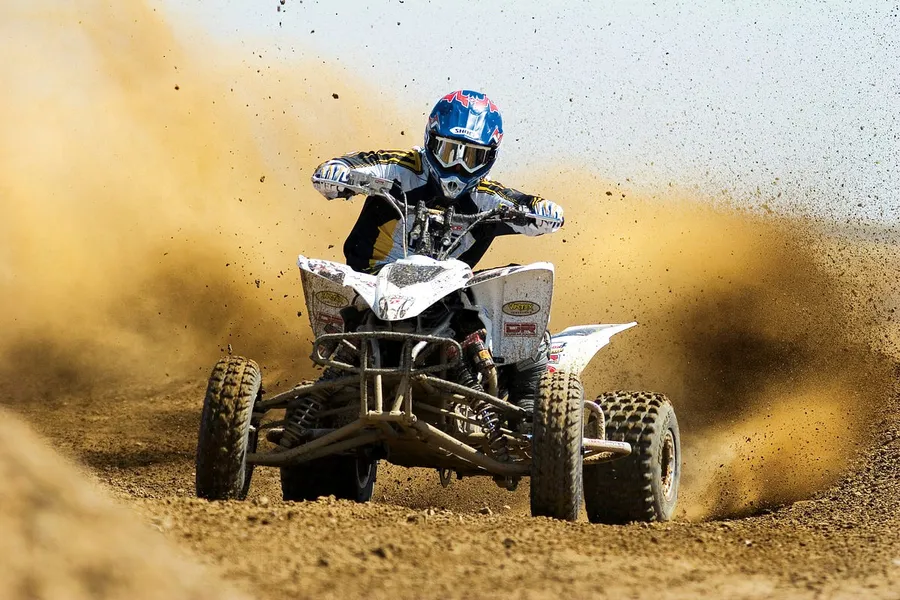
Photo by Joe Neric on Unsplash
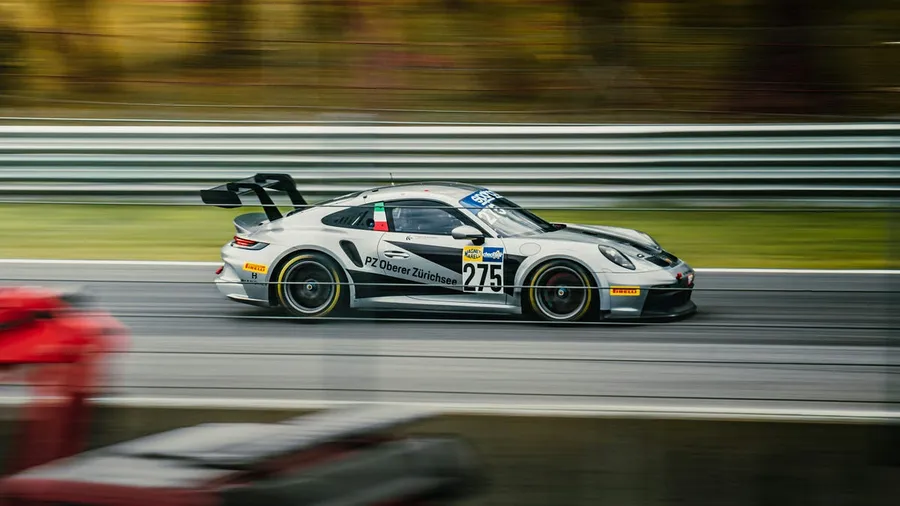
Photo by Isaac Maffeis on Unsplash
Camera & Lens Settings by Real-World Use Case
Match your focal length, aperture, shutter speed, and lighting modifier to the exact environment you shoot in.
Motorsport, Track Days & Automotive Rolling Shots
- Best Body:
- Sony a7 IV / Canon EOS R5 / Fujifilm X-H2S
- Ideal Lens:
- 70–200mm f/2.8 / 100–400mm (trackside) + 24–70mm f/2.8 with CPL (statics & rollers)
- Aperture & Shutter:
- f/2.8 (static separation) or f/8 – f/13 (slow-shutter daytime panning) · 1/60s – 1/125s (track panning), 1/40s – 1/80s (chase rollers), 1/1000s+ (head-on)
- Room Distance:
- 3m – 50m
Gym Workouts, Fitness Coaching & Athletic Reels
- Best Body:
- Sony ZV-1 / Panasonic Lumix GH5 & GH7 / Sony a7 III
- Ideal Lens:
- 24mm–35mm f/1.8 or 16–35mm f/2.8 Zoom
- Aperture & Shutter:
- f/1.8 – f/2.8 (isolates athlete from crowded gym equipment) · 1/120s (for 4K 60fps slow-motion) or 1/60s (for 30fps)
- Room Distance:
- 1.5m – 3.0m (5 to 10 ft on a compact floor tripod or magnetic mount)
Youth Sports, GameChanger Baseball/Softball & Golf Swings
- Best Body:
- GoPro Hero 12 Black (Fence Stream) / Canon EOS R50 & R10 (Sideline)
- Ideal Lens:
- RF 100–400mm f/5.6–8 IS USM or 70–200mm f/2.8 (Sideline) / Fixed Wide (Fence)
- Aperture & Shutter:
- f/2.8 – f/5.6 (blurs chain-link fences when shot wide open close to the mesh) · 1/1000s – 1/2000s (baseball bat contact & golf clubhead impact)
- Room Distance:
- 0.1m (snug against chain-link fence) or 10m–40m sideline

Written by
Marien CartelMarien Cartel runs Marien Cartel Photography, a camera and lens buying-guide site, and photographs the gear shown on it.
Related Guides
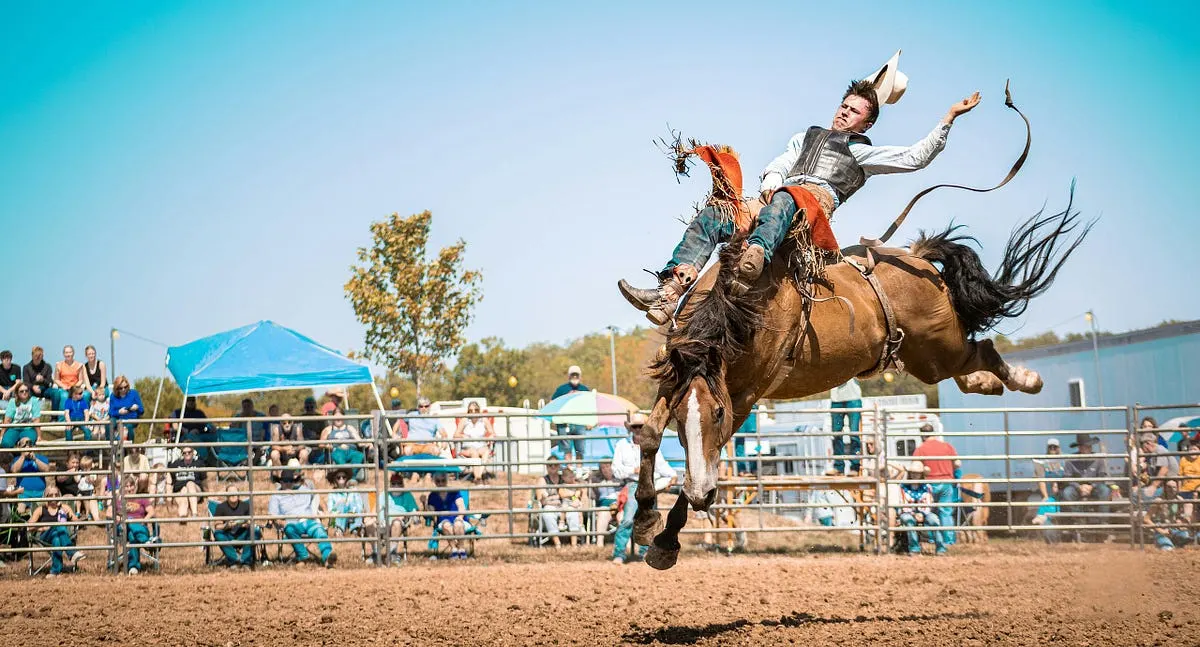
Best Camera for Rodeo Photography 2026: A9 II, R3, A1, X-T5
Sony A9 II, Canon EOS R3, Sony A1 and Fujifilm X-T5 for rodeo action: autofocus, burst rate and lens reach compared, with a quick verdict.
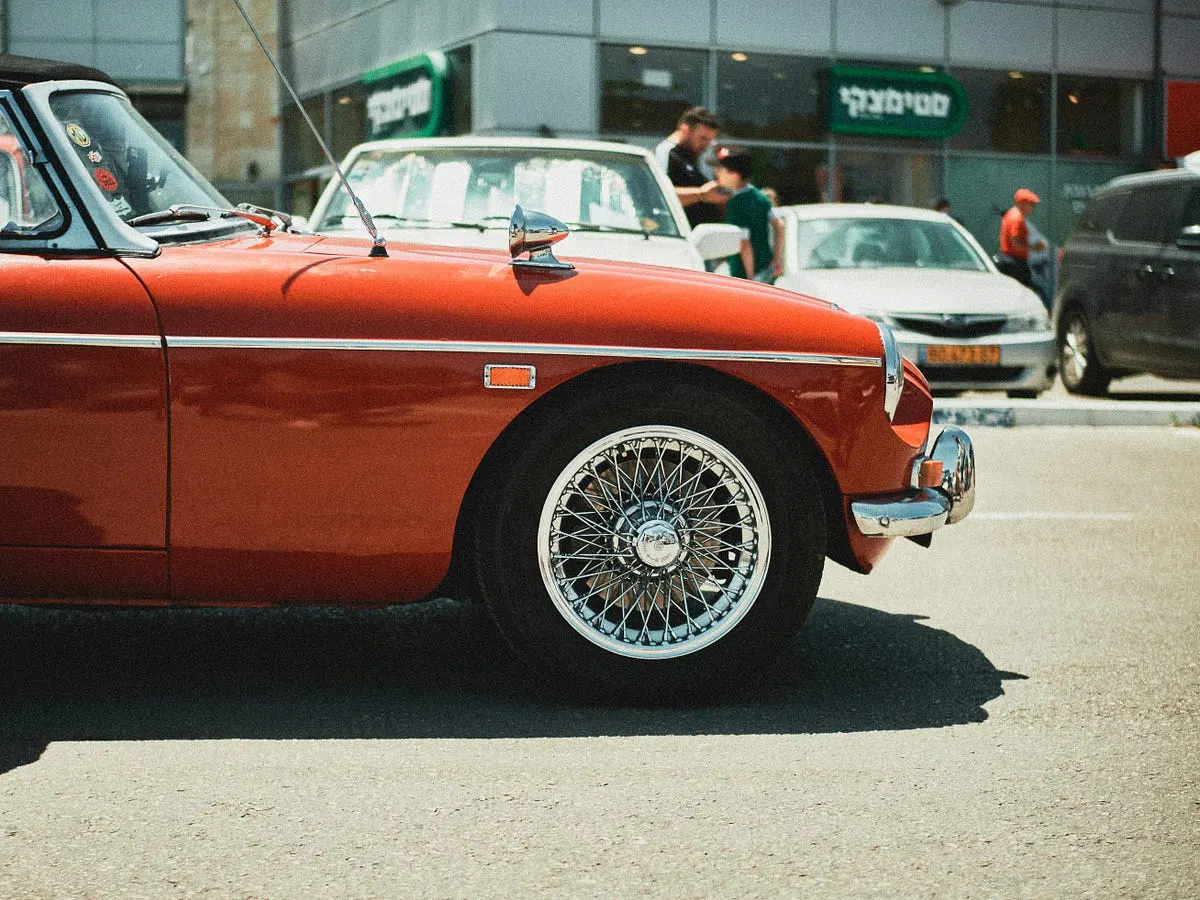
Best Camera for Automotive Photography 2026: R5, a7 IV, Z6 III
Canon EOS R5, Sony a7 IV, Nikon Z6 III, Fujifilm X-H2S and Sony a6400 compared for dealership, rolling-shot and track-day work, with a quick verdict.

Best Camera for DJ Sets 2026: Sony ZV-1 vs a7 III vs GoPro HERO 13
Filming DJ sets in dark, loud clubs: Sony ZV-1, Sony a7 III, GoPro HERO 13, Canon Rebel T7 and Zoom Q2n-4K compared on low light, screen.
Best Camera for Sports Photography Beginners (2026)
Canon EOS R10, Sony A6400, Nikon Z50 or Fujifilm X-S20 for a first sports camera? Burst rate, autofocus and price compared, with a quick verdict.
Best Budget Action Camera 2026: Hero 12 vs Osmo Action 5 Pro
GoPro Hero 12 Black or DJI Osmo Action 5 Pro? Side-by-side specs, list prices (about $249 vs $349), what each budget buys and which cheap cameras to avoid.
Canon PowerShot V1 vs G7 X Mark III (2026): Which Should You Buy
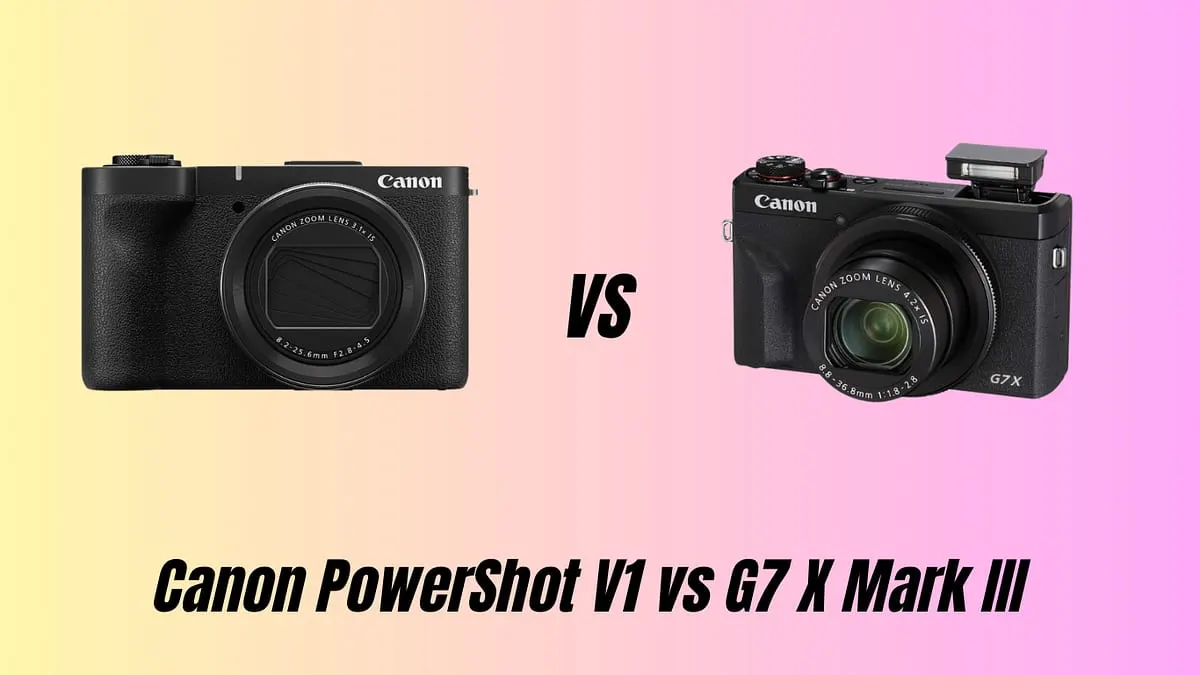
PowerShot V1 vs G7 X Mark III: 1.4-inch vs 1-inch sensor, 16–50mm vs 24–100mm lens, 4K limits, autofocus and weight (426 g vs 304 g).