Best Lens for Wide Shots
As an Amazon Associate we earn from qualifying purchases. Some links in this guide are affiliate links — see our affiliate disclosure for details.
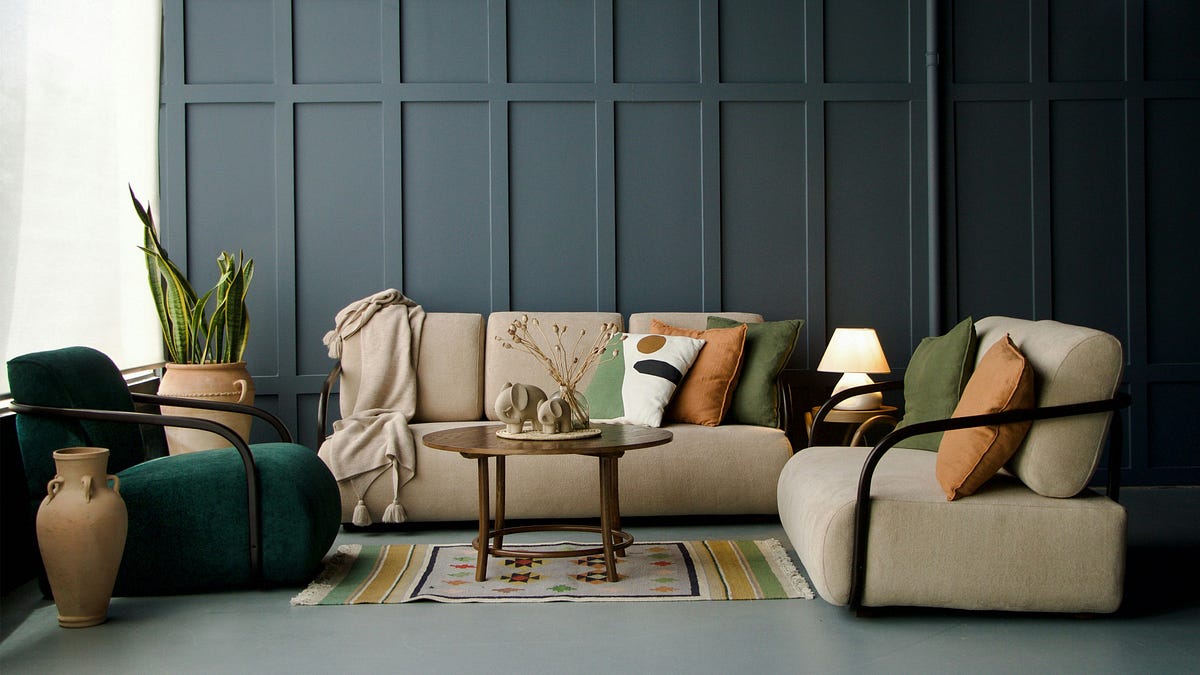
Photo by Alberico Bartoccini on Unsplash
When I first started taking photography seriously, I thought getting wider shots meant simply standing further back. I spent months trying to capture sweeping mountain vistas and sprawling city skylines with a standard kit zoom (18–55mm on a crop sensor), only to end up with photos that felt flat, distant, and surprisingly cramped.
Everything changed when I finally invested in a dedicated ultra-wide lens. Suddenly, landscapes didn’t just fit into the frame — they had depth, scale, and dramatic immersion.
If you are looking to elevate your landscape, architectural, or environmental photography, here is a complete, real-world breakdown of the best lenses for wide shots based on hands-on testing, technical performance, and practical experience.
What Makes a Great Wide-Angle Lens?
Before diving into specific recommendations, it helps to understand what focal lengths actually mean for wide-angle shooting:
- Wide-Angle (24mm — 35mm full-frame equivalent): Ideal for environmental portraits, street photography, and general landscapes. Offers a natural perspective with minimal edge distortion.
- Ultra-Wide Angle (14mm — 20mm full-frame equivalent): The sweet spot for sweeping landscapes, architecture, and astrophotography. Creates an exaggerated sense of depth between foreground objects and the background.
- Fisheye (< 14mm): Specialized lenses that create strong spherical distortion. Fun for stylized creative work, but rarely used for realistic wide shots.
Top Tested Lenses for Wide Shots
Here are the top wide-angle contenders across popular camera mounts, judged on sharpness, aperture speed, and real-world value:
Sigma 14–24mm f/2.8 DG DN Art (Sony E / Leica L — Full-Frame)
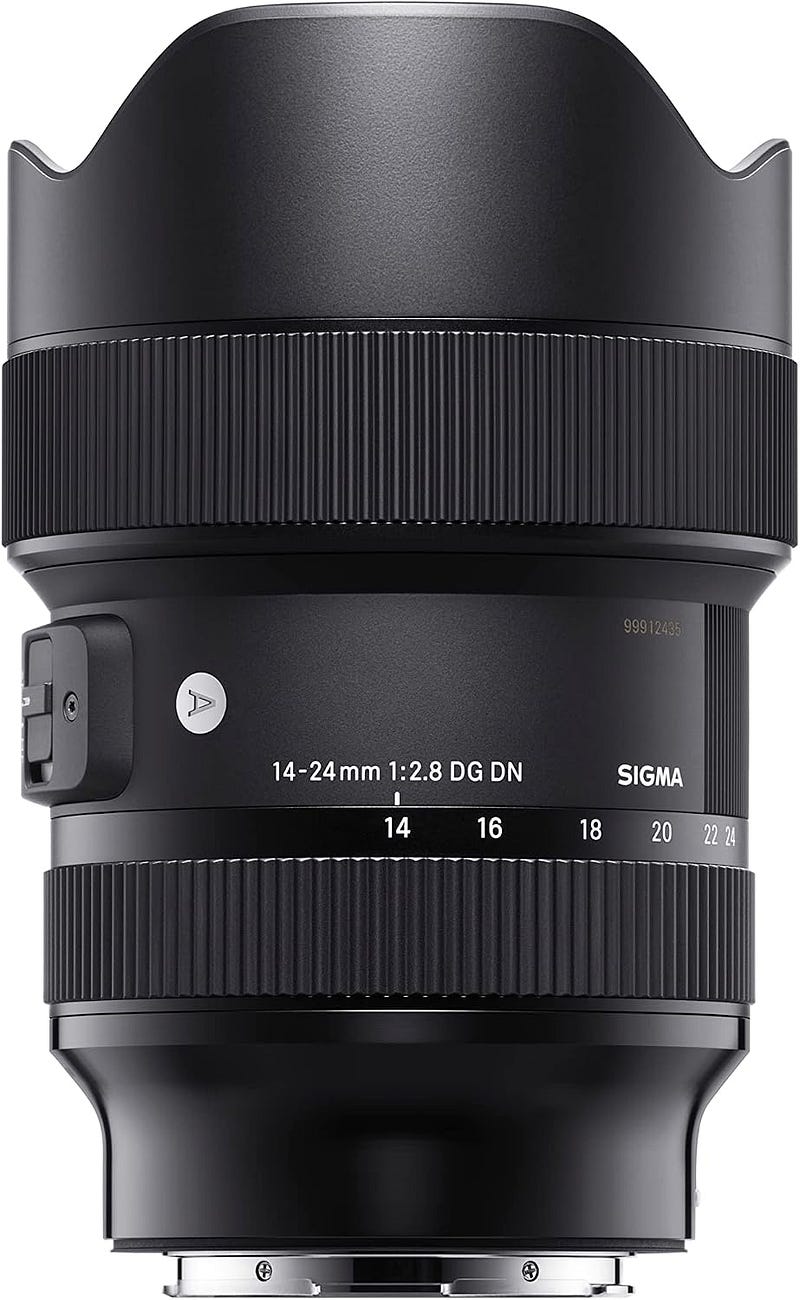
- Best For: Landscapes and architecture
- Standout Feature: Razor-sharp corner-to-corner clarity with virtually zero distortion, making it a favorite for critical landscape work.
Canon RF 15–35mm f/2.8L IS USM (Canon RF — Full-Frame)
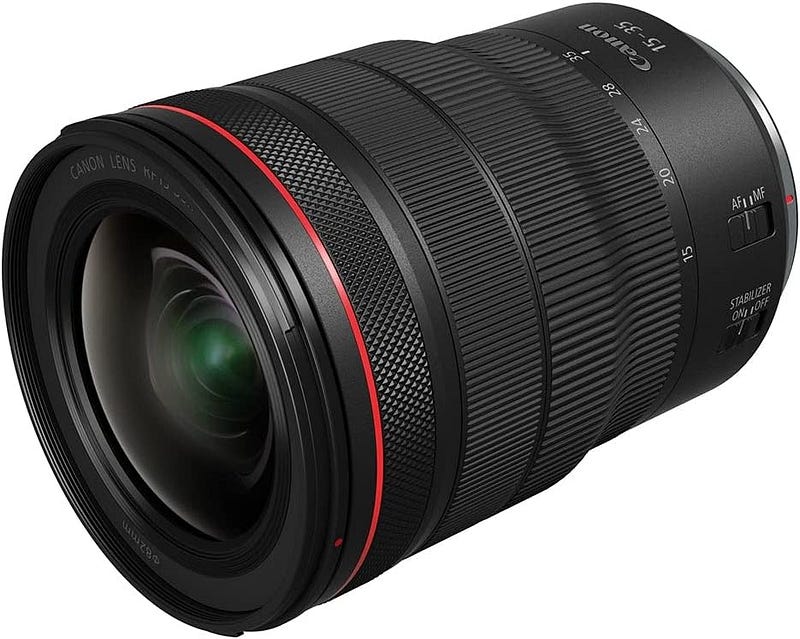
- Best For: Event photography, handheld landscapes, and video
- Standout Feature: Up to 5 stops of built-in Optical Image Stabilization (OIS), allowing for sharp handheld shots even in low light.
Sony FE 16–35mm f/2.8 GM II (Sony E — Full-Frame)
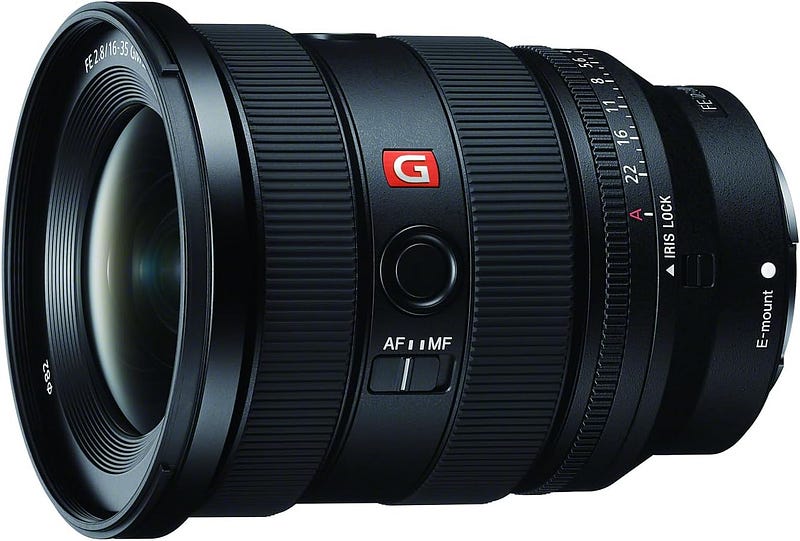
- Best For: Hybrid photographers needing lightweight speed
- Standout Feature: Exceptionally compact and lightweight for an f/2.8 zoom, paired with ultra-fast XD Linear autofocus motors.
Tamron 11–20mm f/2.8 Di III-A RXD (Sony E / Fujifilm X — APS-C)
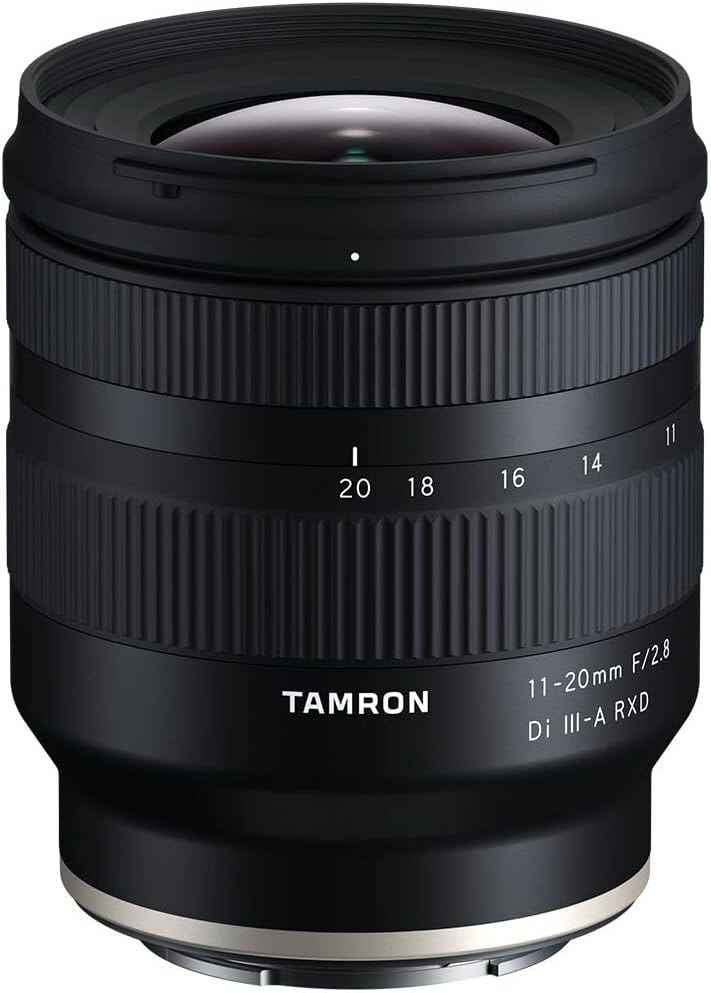
- Best For: Budget-conscious crop-sensor shooters
- Standout Feature: Offers a fast constant f/2.8 aperture in a travel-friendly form factor at a fraction of full-frame prices.
Personal Tested Pick: The Sigma 14–24mm f/2.8 DG DN Art
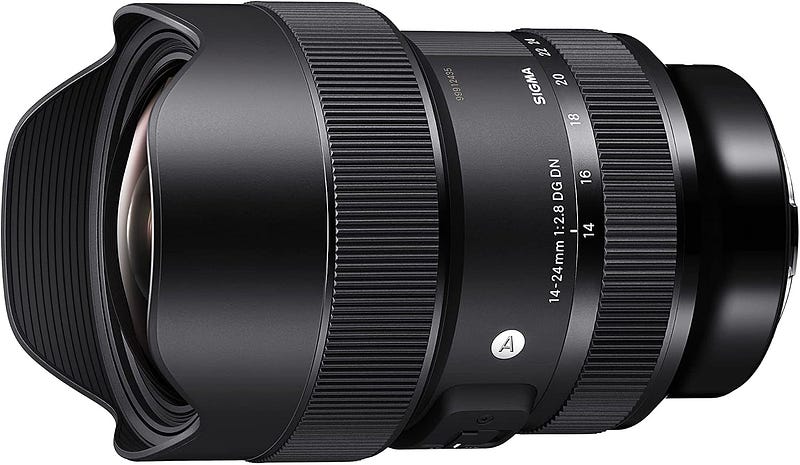
During a 10-day trip through the Scottish Highlands, I put the Sigma 14–24mm f/2.8 DG DN Art through its paces in heavy rain, windy ridge hikes, and low-light blue hour sessions.
Why Foreground Matters: The biggest mistake beginners make with wide lenses is pointing them at distant mountains with nothing in front. Wide lenses make far-away objects appear smaller. To get a great shot, you need to get down low and put something interesting (a rock, water ripples, or flowers) within 1–2 feet of your front glass.
Key Takeaways From Field Testing
- Corner Sharpness: Even wide open at f/2.8, the corners remain exceptionally sharp with minimal chromatic aberration (color fringing).
- Astrophotography Power: Its coma control keeps night-sky stars appearing as crisp points of light rather than smeared, tail-like blobs.
- Bulbous Front Element: Like many ultra-wide zooms, it features a rounded front element, meaning you cannot thread standard screw-on filters directly — you will need a rear sheet filter or a dedicated square filter holder system.
How to Shoot Wide Without Ruining Your Images
- Watch the Edges: Wide-angle lenses stretch elements near the borders of the frame. Avoid placing people’s faces or bodies right at the extreme left or right edges to prevent unflattering distortion.
- Keep Your Camera Level: Tilting an ultra-wide lens up or down causes vertical lines (like trees or skyscrapers) to converge rapidly. Use your camera’s digital horizon level if you want straight, natural architecture.
- Use a Lens Hood: Because wide lenses have prominent front elements, sun flare can easily wash out contrast. Keep a hood attached whenever shooting toward light sources.
Frequently Asked Questions (My Hands-On Experience)
What is the absolute best focal length for wide landscape shots?
In my experience across dozens of hikes, 16mm to 20mm on a full-frame sensor is the sweet spot. When I shot at 14mm, distant mountains often looked too tiny unless I had a massive foreground element right in front of the glass. On the flip side, 24mm sometimes felt a bit too tight when standing at the edge of a wide canyon.
Can I actually use a wide-angle lens for portraits without ruining the photo?
Yes, but only if you frame carefully. The first time I tried a close-up portrait at 16mm, my subject’s nose looked huge and their ears seemed to disappear — a classic ultra-wide mistake! Now, I only use wide lenses for environmental portraits. Keep your subject near the center of the frame, stand back at least 5 to 6 feet, and let the expansive landscape fill the background behind them.
Is a prime lens better than a zoom lens for wide shots?
It depends on how you travel. I used to carry a fast 20mm prime because it was light and super sharp. However, on steep trail ridges where I couldn’t physical move forward or backward (without falling off a cliff!), I quickly realized how restricting a prime could be. Switching to a 14–24mm zoom gave me the framing flexibility I desperately needed in tricky terrain.
Do I really need a fast f/2.8 aperture for daytime landscape photography?
Not for typical daytime landscapes. When I shoot during the day, my lens is almost always stopped down to f/8 or f/11 on a tripod to keep everything sharp from the front rocks to the far horizon. Where f/2.8 became non-negotiable for me was the second the sun went down. If you want to shoot the Milky Way, star trails, or blue-hour cityscapes handheld without pushing your ISO into a noisy mess, that f/2.8 opening is worth every penny.
How do you deal with filter thread issues on bulbous ultra-wide lenses?
This was my biggest head-ache when I first picked up the Sigma 14–24mm f/2.8. You can’t just screw on a cheap $30 polarizer because of the curved front glass. I ended up investing in a dedicated rear-filter kit for long exposures, which slides tiny gel filters into the back mount of the lens. If you use heavy neutral density (ND) filters constantly for waterfalls or seascapes, look for ultra-wides with standard flat front threads (like the Sony 16–35mm or Canon 15–35mm) to save yourself the extra gear hassle.
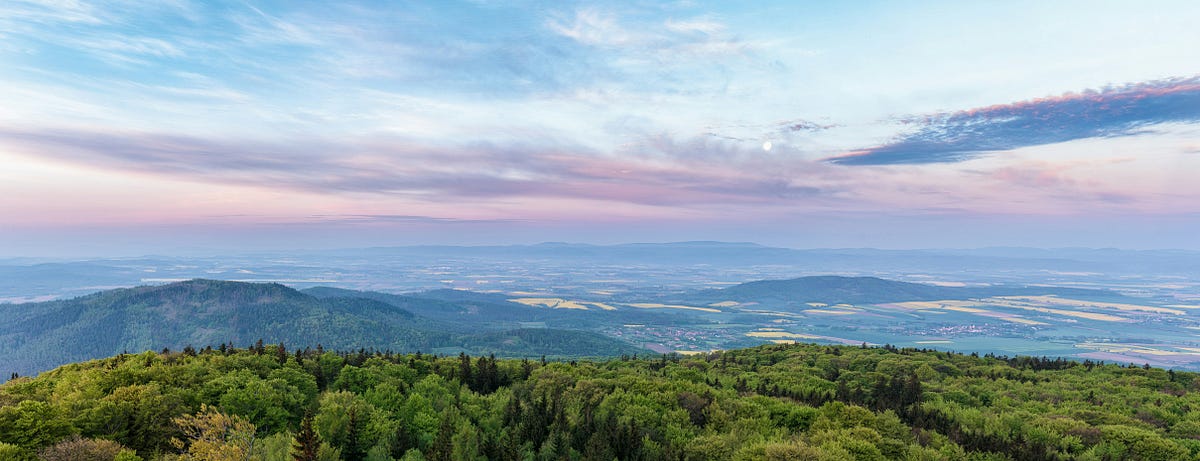
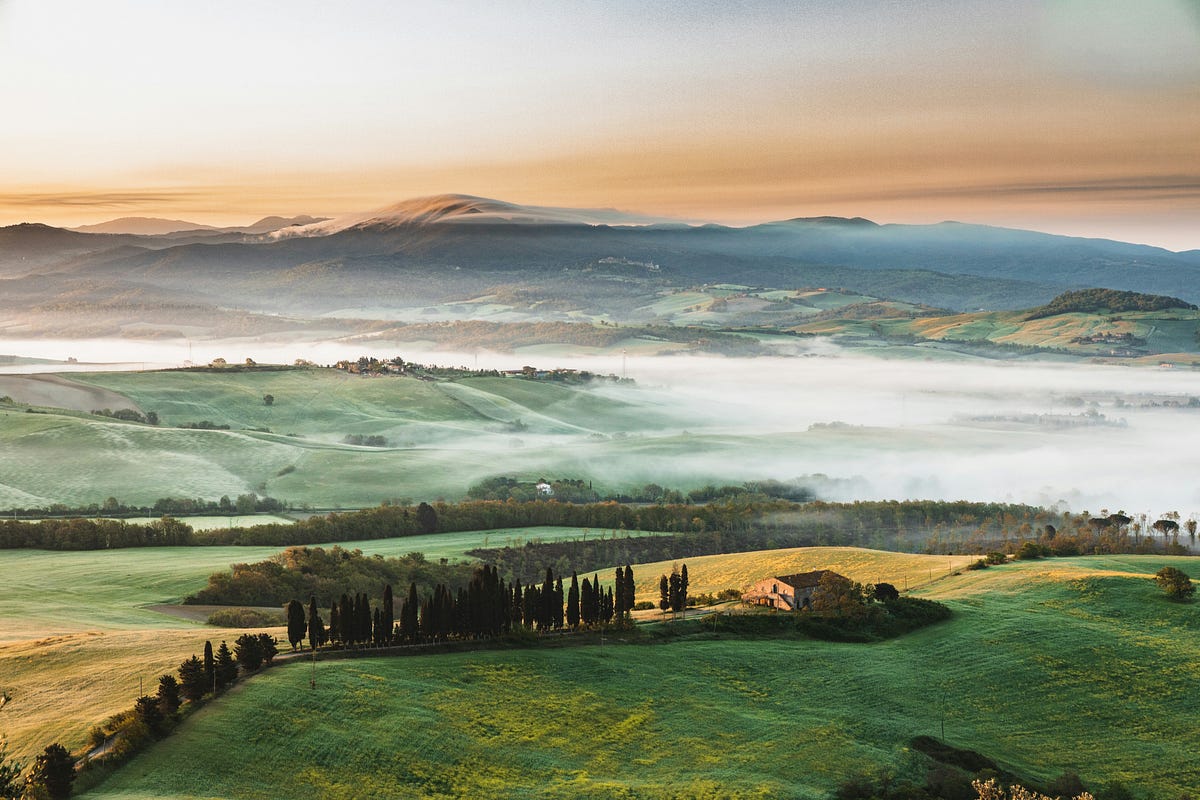
Photo by Lukasz Szmigiel on Unsplash
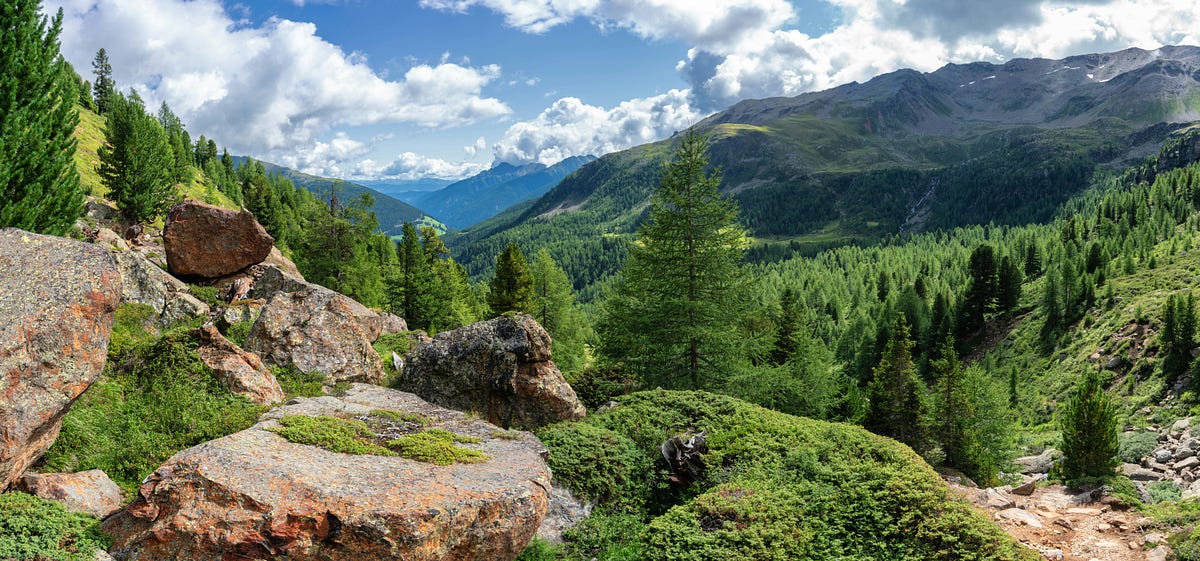
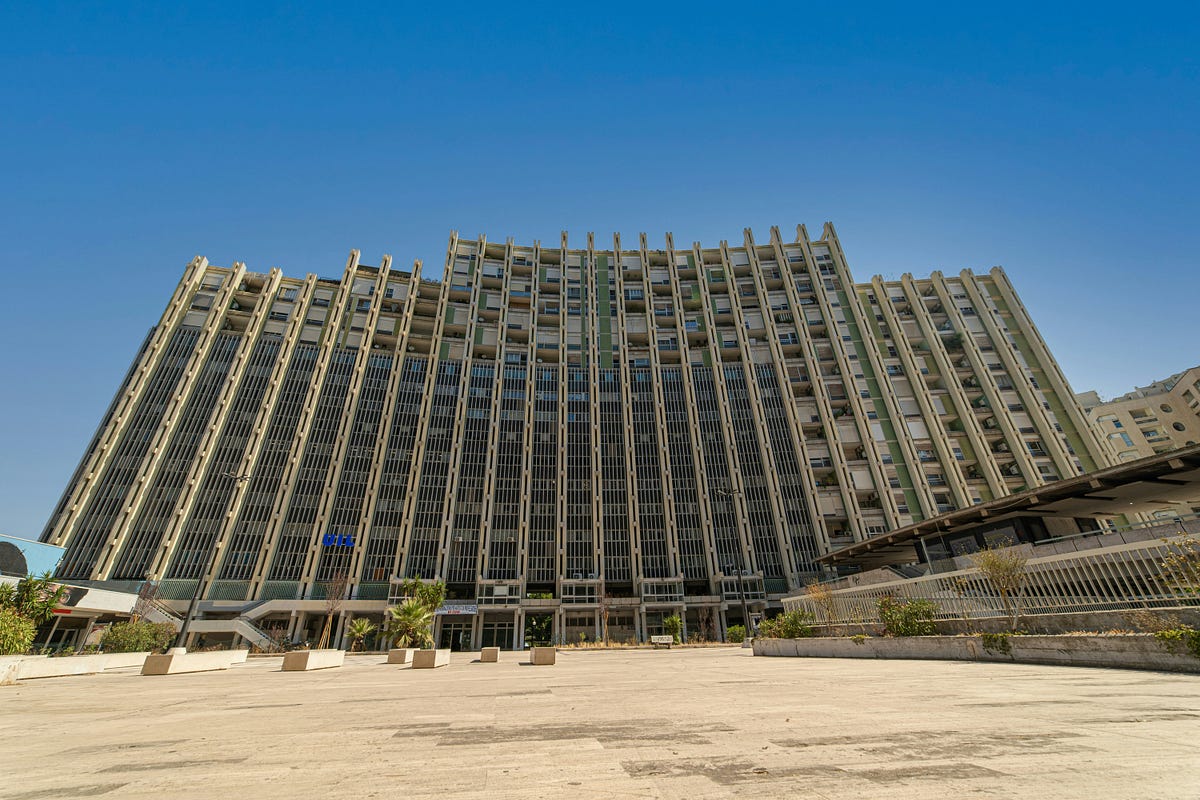
Photo by Nicola Possi on Unsplash
Written by
Marien CartelProfessional and Certified Digital Photographer born in the USA, with 22 years of experience in the field of photography.