Best Wide-angle Lenses for Nikon Z Mirrorless Cameras
As an Amazon Associate we earn from qualifying purchases. Some links in this guide are affiliate links — see our affiliate disclosure for details.
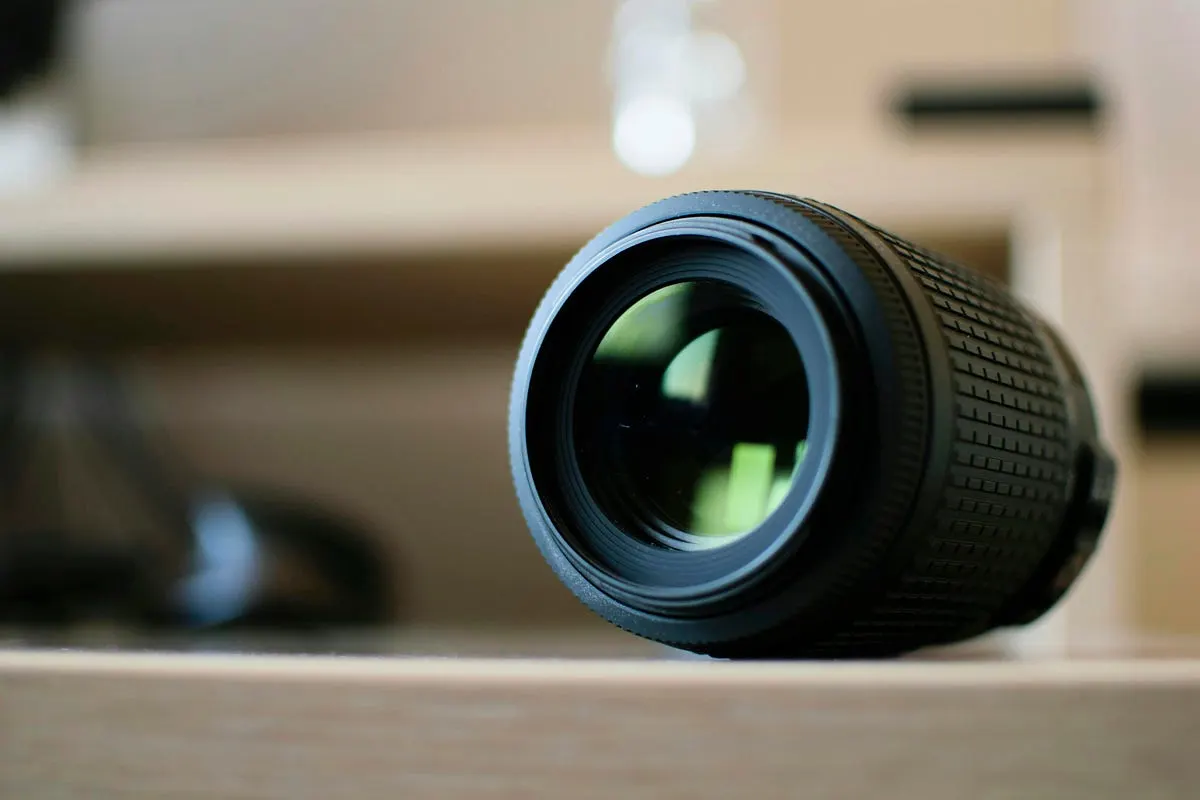
Photo by Jeroen den Otter on Unsplash
For Nikon Z mirrorless cameras, the best wide-angle lenses are generally considered to be the Nikon NIKKOR Z 14–30mm f/4 S for a versatile wide-angle zoom option, and the Nikon NIKKOR Z 14–24mm f/2.8 S if you prioritize maximum light gathering and wider coverage, though it comes at a higher price point; both are considered high-quality “S-line” lenses from Nikon with excellent image quality.
Key points about these lenses:
Nikon NIKKOR Z 14–30mm f/4 S
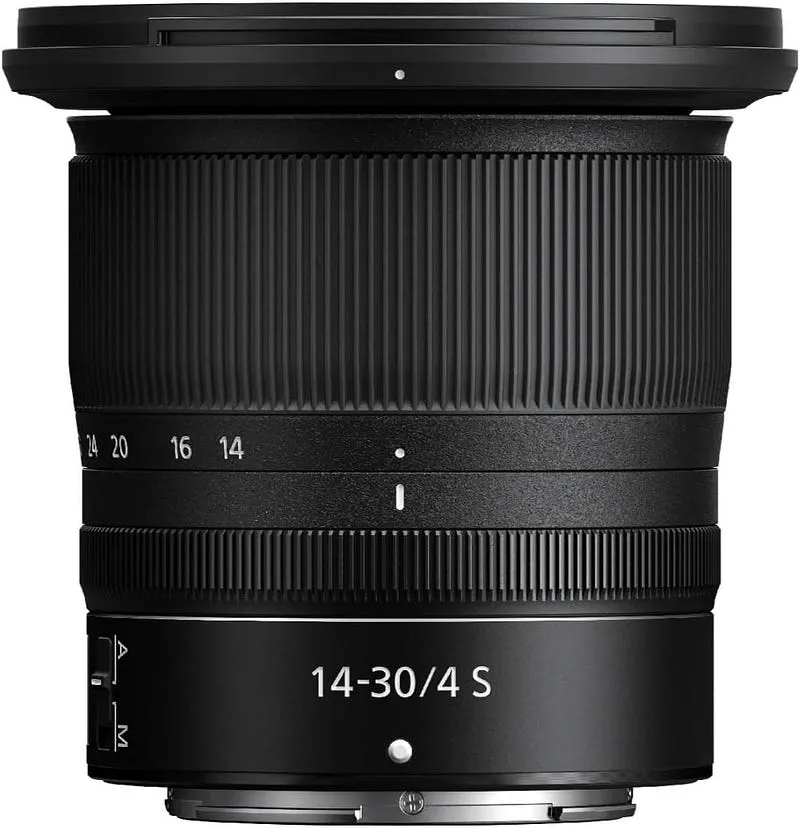
- Covers a wide focal length range (14–30mm) with a constant f/4 aperture.
- Great balance of image quality, versatility, and price.
- Allows for direct filter attachment despite the wide focal length.
Nikon NIKKOR Z 14–24mm f/2.8 S
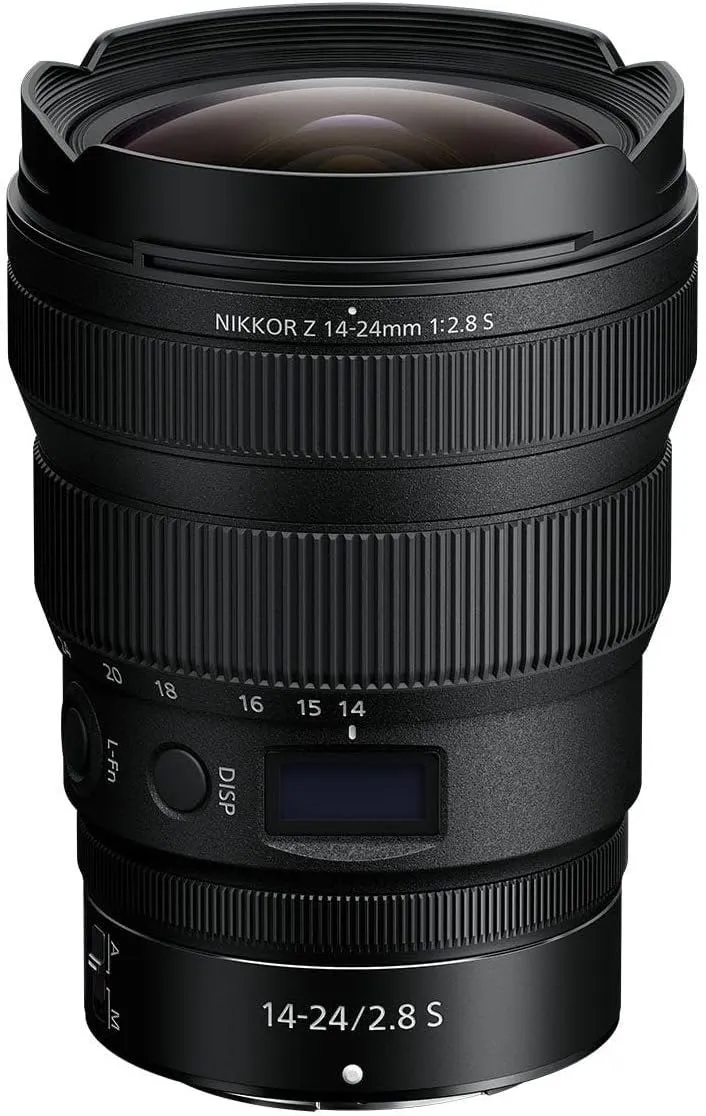
- Offers the widest angle coverage with a fast f/2.8 aperture.
- Ideal for low-light situations and situations requiring maximum depth of field control.
- Can be bulkier and more expensive than the 14–30mm f/4 S.
Other good wide-angle options for Nikon Z cameras:
Nikon NIKKOR Z 20mm f/1.8 S
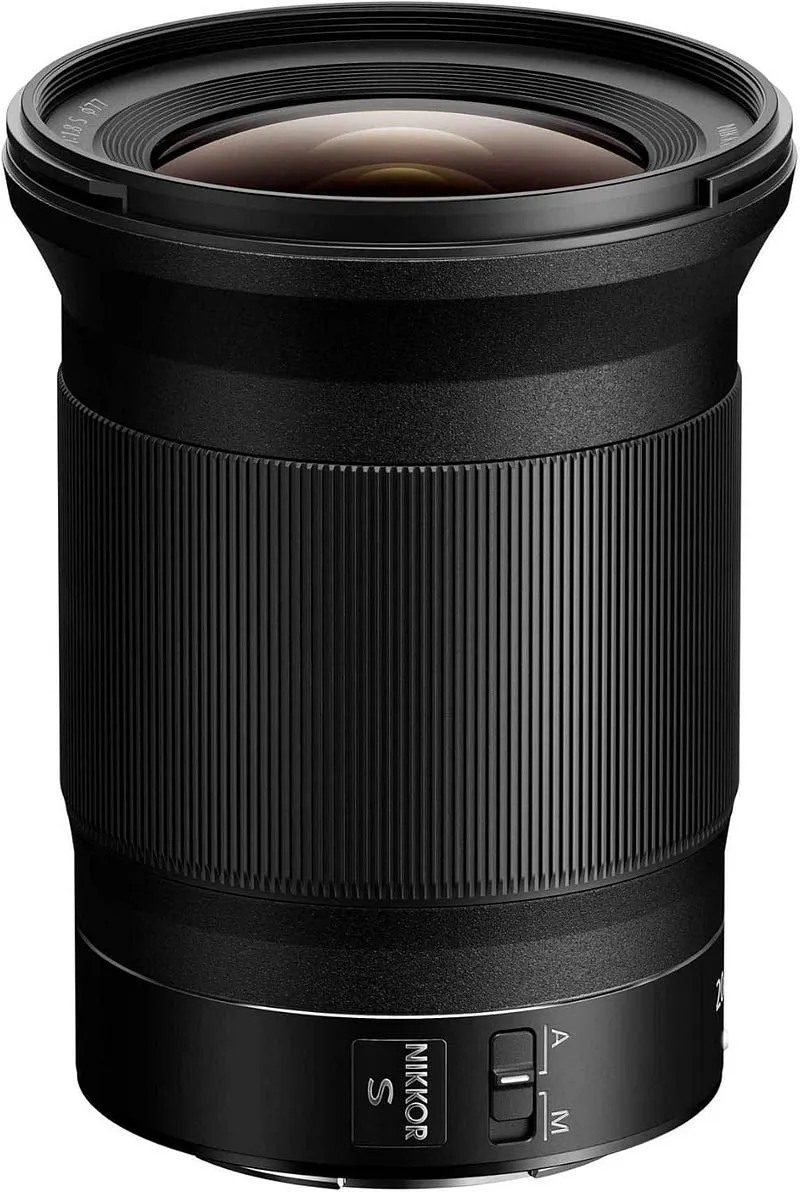
- A fast prime lens with a slightly narrower field of view, excellent for low-light photography and creative effects.
- Third-party options:
- Some photographers may consider high-quality third-party wide-angle lenses like the Sigma 14mm f/1.8 DG HSM Art for Nikon Z, which can be a cost-effective choice.
I remember the first time I truly fell in love with landscape photography. I was hiking in Yosemite, surrounded by towering granite cliffs and cascading waterfalls. I tried to capture the scene with my kit lens, but it just felt… cramped. The vastness, the grandeur, it was all lost in the frame. That’s when I realized I needed a wide-angle lens. Specifically, I needed the right wide-angle lens for my Nikon Z mirrorless camera.
Since then, I’ve embarked on a quest to find the perfect wide-angle companion. It’s been a journey of experimentation, frustration, and ultimately, breathtaking results. And I’m here to share what I’ve learned, hoping to help you avoid some of the pitfalls I encountered.
Choosing a wide-angle lens for your Nikon Z isn’t just about going wide. It’s about finding the sweet spot between focal length, image quality, autofocus performance, and of course, budget. Here are some of the lenses that have stood out for me, and why:
The All-Rounder: Nikon Z 14–24mm f/2.8 S
This lens is a workhorse. The 14–24mm range is incredibly versatile, covering everything from sweeping landscapes to tight architectural shots. The f/2.8 aperture is a game-changer, especially for astrophotography or shooting in low light. The image quality is exceptional, razor-sharp across the frame, even at the widest settings. Yes, it’s an investment, but in my experience, it’s worth every penny. I used this extensively on a recent trip to Iceland, capturing the Northern Lights dancing across the sky, and the results were simply stunning.
The Budget-Friendly Champion: Nikon Z 16–50mm f/3.5–6.3 DX (and how to make it work)
When I first switched to the Z system, this was the kit lens. While it’s designed for the DX (cropped sensor) cameras, it can be used on full-frame Z bodies in DX crop mode. It’s incredibly compact and lightweight, making it perfect for travel. While the aperture isn’t the fastest, and the image quality isn’t quite as stellar as the 14–24mm, it’s surprisingly good for its price. I found it especially useful for vlogging and casual landscape shots where portability was key.
The Specialist: Laowa 12mm f/2.8 Zero-D (via adapter)
Sometimes, you need to go really wide. That’s where the Laowa 12mm comes in. This manual focus lens is a beast. The rectilinear design minimizes distortion, which is crucial for architectural photography. It’s incredibly sharp, and the f/2.8 aperture is fantastic for low-light shooting. While it requires manual focus (which took some getting used to!), the results can be truly spectacular. I used this for some interior photography work and was blown away by the perspective it offered.
Things to Consider Before You Buy
Full-frame vs. DX: If you’re shooting on a full-frame Z camera, you’ll want to prioritize lenses designed for FX (full-frame) sensors. While DX lenses can be used in crop mode, you’ll lose some resolution.
Aperture: A wider aperture (like f/2.8) is better for low light and creating a shallow depth of field. 1 However, it usually comes at a higher price.
- Autofocus: Consider how important autofocus is to you. While most Z lenses have excellent autofocus, some specialized wide-angle lenses might be manual focus only.
- Budget: Wide-angle lenses can range from a few hundred to several thousand dollars. Set a budget and stick to it.
- Image Quality: Look for lenses with good sharpness, minimal distortion, and well-controlled chromatic aberration.
Finding the perfect wide-angle lens is a personal journey. What works for one photographer might not work for another. My advice? Rent lenses before you buy them. Experiment, play, and see what inspires you. For me, the journey of finding the right lens has been just as rewarding as the images I’ve captured with it. And I hope this article helps you on your own journey to seeing the bigger picture.


Photo by REGINE THOLEN on Unsplash
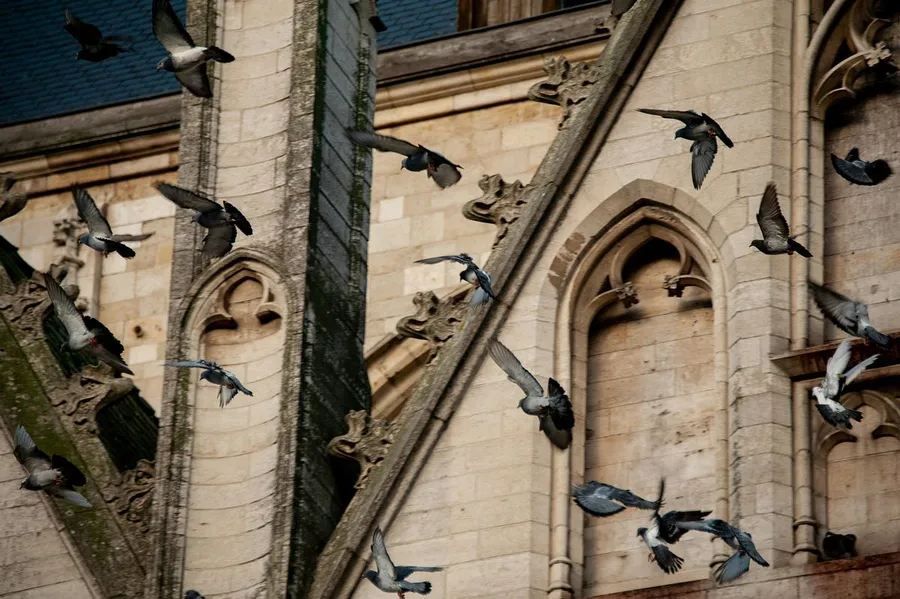
Photo by Richard Wang on Unsplash

Written by
Marien CartelProfessional and Certified Digital Photographer born in the USA, with 22 years of experience in the field of photography.
Related Guides
Best Lens for Panasonic LUMIX S5: (2026 Guide & Reviews)
Unlocking the Cinematic Soul of the L-Mount System. What the Sigma 24–70mm f/2.8 DG DN gets right, what it does not, and who should buy it.
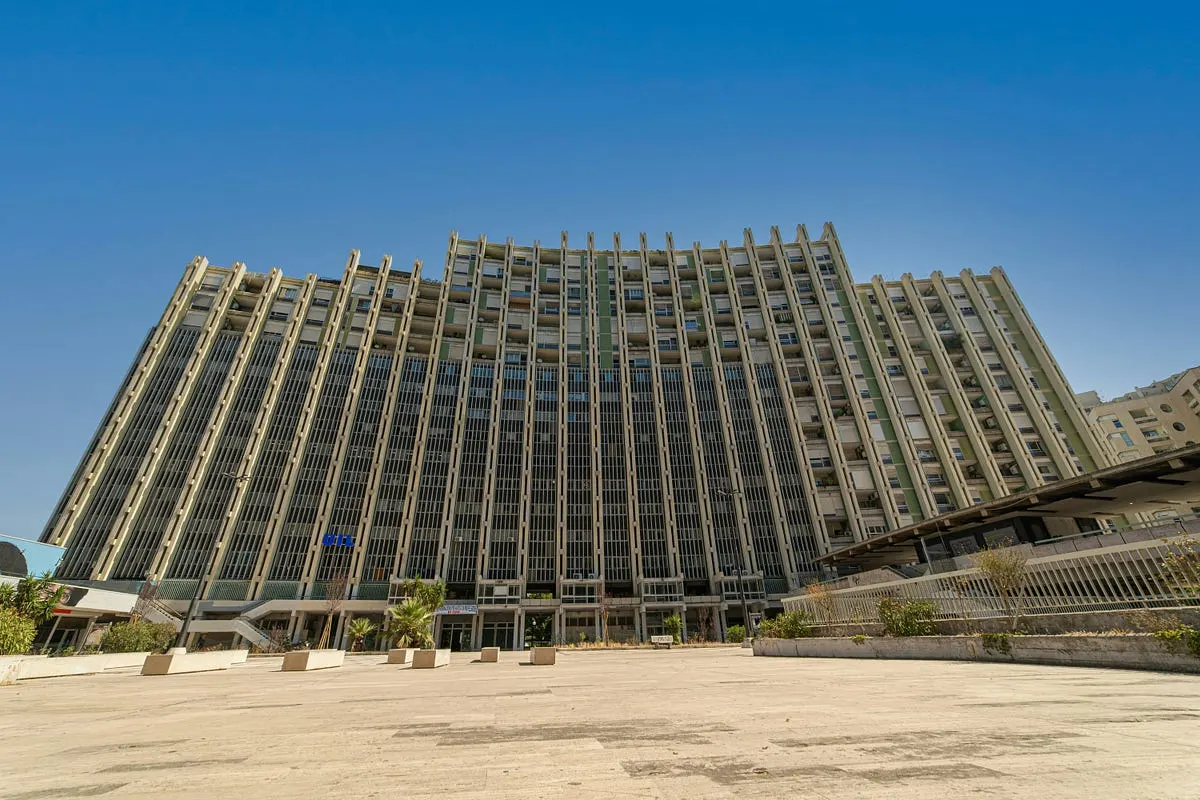
Best Lens for Wide Shots
The Ultimate Guide to the Best Lens for Wide Shots: Field-Tested Review & Personal Experience

Best Lenses for Interior Photography
Best Lenses for Interior Photography. Here is how the Canon R6 Mark II and Canon EOS R6 Mark II compare, and the one I keep going back to.