Best Lenses for the Nikon Z6 II (Z-Mount Lenses & Top Alternatives)
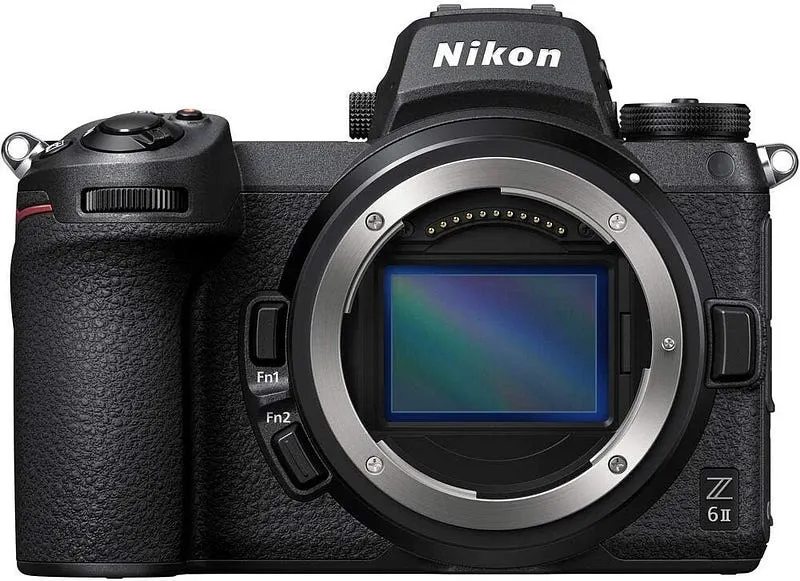
As an Amazon Associate we earn from qualifying purchases. Some links in this guide are affiliate links, see our affiliate disclosure for details.
Top Picks & Key Specifications at a Glance
| Model | Best For | Mount / System | Key Optical & Sensor Specs | Check Price |
|---|---|---|---|---|
1Z-Mount Lenses | Top Overall Pick | Nikon Z (Full Frame) | 24–70mm · f/2.8 | Amazon ↗ |
2F-Mount Lenses Adapted with FTZ | Recommended Pick | Interchangeable-Lens System | 24–70mm · f/2 | Amazon ↗ |
Quick answer: which lens should you buy for the Nikon Z6 II?
- Best all-around Z-mount lens: the Nikon 24–70mm f/2.8 S. A fast constant aperture across the most-used focal range, built for the Z mount natively.
- Best lightweight, affordable prime: the Nikon 50mm f/1.8 S. At 415 g it is the lightest lens here by a wide margin.
- Best for portraits: the Nikon 85mm f/1.8 S. A longer focal length that compresses the background more flattering than a 50mm.
If you already own F-mount glass, the FTZ-adapted options below can save you from buying new Z-mount lenses outright.
Understanding the Basics
Before diving into specific recommendations, it’s important to understand that a lower-resolution sensor doesn’t magically improve a bad lens. However, it does reduce the visibility of minor flaws, making the gap between good and great lenses less apparent. So, while the list of excellent lenses for the Z6 II might seem similar to higher-resolution models, some previously overlooked gems now shine brighter.
Top Picks: A Blend of Sharpness and Personal Preference**
Z-Mount Lenses
- Nikon 24–70mm f/2.8 S: A versatile workhorse that excels in various lighting conditions. It’s sharp, fast, and perfect for travel and portrait photography.
- Nikon 50mm f/1.8 S: A compact and affordable lens that delivers stunning bokeh and sharp images.
- Nikon 85mm f/1.8 S: A classic portrait lens that produces beautiful, creamy bokeh and sharp subject isolation.
F-Mount Lenses Adapted with FTZ
- Nikon 24–70mm f/2.8G: A legendary lens known for its sharpness and durability. It’s a great option if you already own F-mount glass.
- Nikon 85mm f/1.4G: A superb portrait lens that offers exceptional image quality, even wide open.
Conclusion
The Nikon Z6 II is a fantastic camera, and with the right lenses, it can produce stunning images. By considering factors like sharpness, versatility, and personal preference, you can find the perfect lens combination to elevate your photography.
Remember, the best lens is the one that inspires you to create. So, don’t be afraid to experiment and find what works best for you.

Photo by Elyas Cile on Unsplash

Photo by Elyas Cile on Unsplash

Photo by Samuel Ferrara on Unsplash
Nikon Z6 II lens specs side by side
| Lens | Mount | Weight | Price (about, at time of writing) | Best for |
|---|---|---|---|---|
| Nikon 24–70mm f/2.8 S | Z-mount (native) | 805 g | about $2,400 | One-lens, all-around kit |
| Nikon 50mm f/1.8 S | Z-mount (native) | 415 g | about $600 | Lightest, cheapest, street/travel |
| Nikon 85mm f/1.8 S | Z-mount (native) | 470 g | about $750 | Portraits |
| Nikon 24–70mm f/2.8G | F-mount, needs FTZ adapter | 900 g | discontinued; launched around $1,890, now sold used | Owners of existing F-mount glass |
| Nikon 85mm f/1.4G | F-mount, needs FTZ adapter | 660 g | discontinued; launched around $1,600, now sold used | Wide-open portraits with more subject separation |
Weights and launch prices come from Nikon's own published figures and comparison pages such as CameraDecision; confirm current pricing before you buy, since both F-mount lenses are no longer manufactured and only turn up on the used market now.
Who should buy which lens
| If you... | Best pick | Why |
|---|---|---|
| Want one lens that covers most situations | Nikon 24–70mm f/2.8 S | Fast constant aperture across the most common focal range |
| Want the lightest, most affordable option | Nikon 50mm f/1.8 S | 415 g and the cheapest lens on this list |
| Shoot mostly portraits | Nikon 85mm f/1.8 S | Longer focal length, native Z-mount autofocus |
| Already own F-mount glass | Nikon 24–70mm f/2.8G or 85mm f/1.4G (via FTZ) | Reuses lenses you already have instead of buying new Z-mount versions |
Matching a lens to what you shoot
- New to the Z6 II or choosing a first body: start with the best Nikon camera for photography beginners guide before investing heavily in glass.
- Wildlife and distant subjects: none of the lenses above are built for long reach — see the best Nikon lens for wildlife guide instead.
- Landscapes: the best Nikon lens for landscapes guide covers wider options than the lenses listed here.
- Close-up and macro work: check the best Nikon macro lenses guide, since none of the lenses above are dedicated macro lenses.
- Shooting on a crop-sensor Nikon body instead: the best lenses for Nikon Z50 II guide explains how focal length changes on APS-C.
- Considering a camera upgrade alongside new glass: the Nikon Z8 review is a useful comparison point for where the Z6 II sits in Nikon's current lineup.
Mistakes to avoid when choosing a Z6 II lens
- Assuming the F-mount lenses are still sold new. Both the 24–70mm f/2.8G and the 85mm f/1.4G are discontinued; budget for buying used and inspecting the lens before paying.
- Forgetting the FTZ adapter is a separate purchase. It adds cost, length and weight on top of the lens itself.
- Picking the 50mm f/1.8 S for portraits over the 85mm. The shorter focal length compresses the background less and can distort facial features at close range.
- Ignoring how much heavier the 24–70mm f/2.8 S is. At 805 g it is almost double the weight of the 50mm f/1.8 S, which matters on long handheld days.
- Expecting adapted F-mount lenses to autofocus identically to native Z lenses. They work well through the FTZ adapter, but older designs can hunt more in low light or fast continuous autofocus than lenses built for the Z mount.
- Buying the zoom and a prime that overlap too much. The 24–70mm f/2.8 S already covers normal and short-telephoto portraits; pairing it with the 85mm f/1.8 S gives more actual range than pairing it with the 50mm.
Frequently asked questions
Do F-mount lenses work on the Z6 II without an adapter? No. You need Nikon's FTZ or FTZ II adapter to mount F-mount lenses like the 24–70mm f/2.8G or 85mm f/1.4G on the Z6 II.
Is the 50mm f/1.8 S enough for portraits? It can work, especially for environmental portraits, but the 85mm f/1.8 S gives more background compression and separation, which most people associate with a classic portrait look.
Are the 24–70mm f/2.8G and 85mm f/1.4G still sold new? No. Both are discontinued F-mount lenses. They are only available used now, so inspect condition and autofocus performance before buying.
Which lens is lightest for travel? The Nikon 50mm f/1.8 S, at 415 g, is the lightest lens on this list by a clear margin.
Does the Z6 II's resolution change which lens matters most? A lower-resolution sensor reduces how visible minor lens flaws are, but it doesn't change which focal lengths suit which subjects — the choice still comes down to what you shoot, not the sensor's pixel count.
Can I mix native Z-mount and adapted F-mount lenses in one kit? Yes. Many Z6 II owners pair native Z primes with FTZ-adapted F-mount lenses they already own rather than replacing every lens at once.
Camera & Lens Settings by Real-World Use Case
Match your focal length, aperture, shutter speed, and lighting modifier to the exact environment you shoot in.
Tattoo Artists & Micro-Realism Portfolios
- Best Body:
- Sony Alpha a7 III / Fujifilm X-T4
- Ideal Lens:
- 90mm f/2.8 Macro (detail) or 50mm f/1.8 (sleeves & back pieces)
- Aperture & Shutter:
- f/5.6 – f/8 (keeps curved forearms and calves sharp edge-to-edge) · 1/125s – 1/200s handheld (or 1/60s on tripod)
- Room Distance:
- 0.4m – 1.5m (1.5 to 5 ft)
Barbershops, Hairstylists & Color Salons
- Best Body:
- Sony a7 IV / Canon EOS R6 Mark II
- Ideal Lens:
- 50mm f/1.8 (tight stations) or 85mm f/1.8 (spacious salons)
- Aperture & Shutter:
- f/1.8 – f/2.8 (blurs background chairs while keeping the lineup tack-sharp) · 1/160s – 1/250s (freezes subtle head movement in the chair)
- Room Distance:
- 1.5m – 2.4m (5 to 8 ft from the styling chair)
Makeup Artists (MUA) & Beauty Tutorials
- Best Body:
- Sony Alpha a6400 / Canon G7 X Mark III
- Ideal Lens:
- Sigma 56mm f/1.4 DC DN (APS-C) or 50mm–85mm f/1.8 (Full Frame)
- Aperture & Shutter:
- f/2.8 – f/4 for full-face sharpness; f/5.6 for macro eye/lip close-ups · 1/125s for stills; 1/50s (24p) or 1/120s (60p) for video tutorials
- Room Distance:
- 1.2m – 2.2m (4 to 7 ft)

Written by
Marien CartelMarien Cartel runs Marien Cartel Photography, a camera and lens buying-guide site, and photographs the gear shown on it.
Related Guides
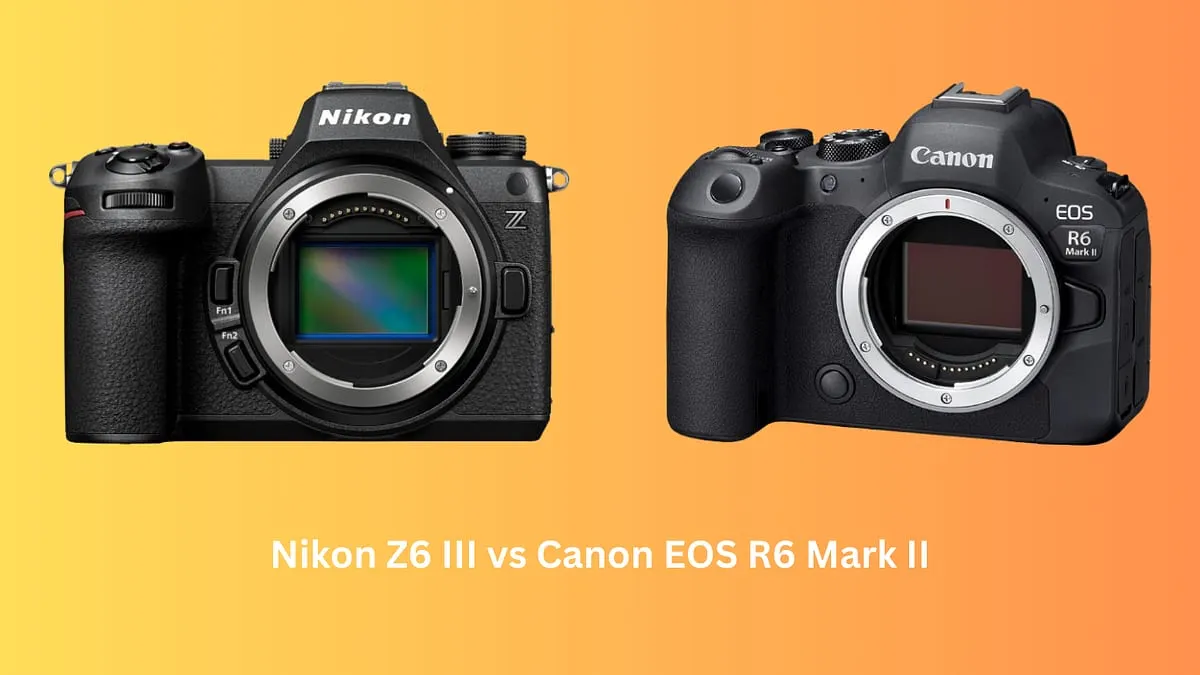
Nikon Z6 III vs Canon EOS R6 Mark II
Nikon Z6 III vs Canon EOS R6 Mark II: key differences in specs, autofocus, video and price, and which one suits you.
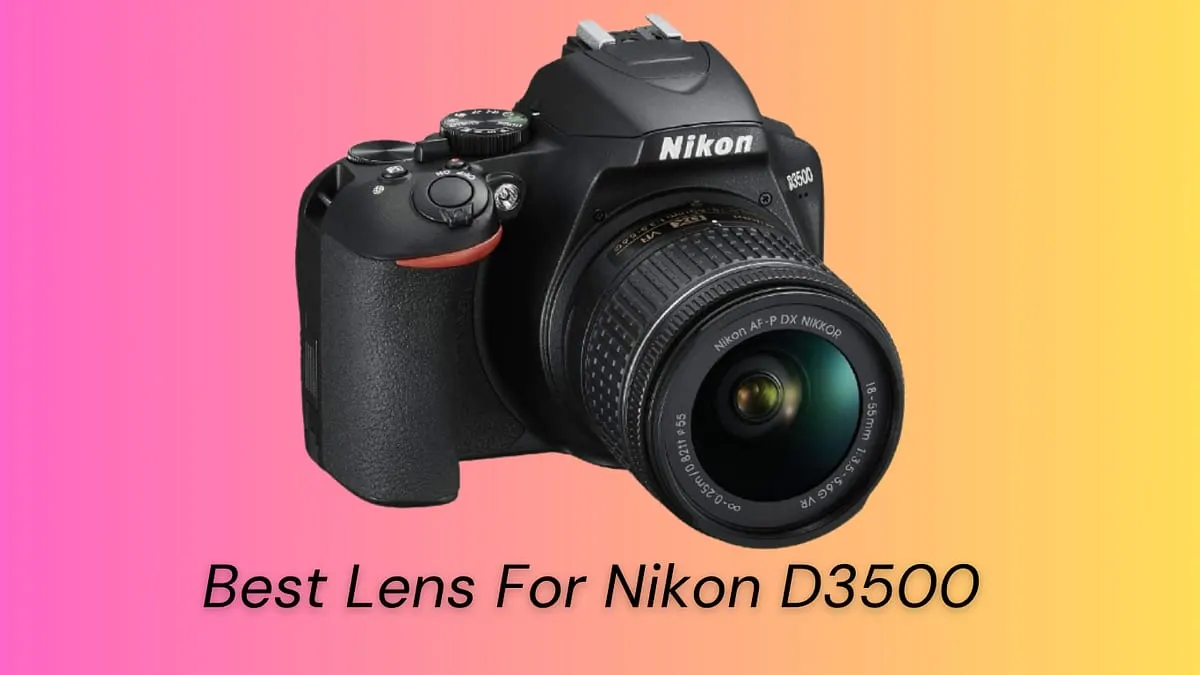
Best Lens For Nikon D3500 (Experience: & Top Alternatives)
Best Lens For Nikon D3500: Nikon AF-S DX 35mm f/1.8G and Nikon AF-P DX 70–300mm f/4.5–6.3G compared on features, price and who each one suits.

Best Camera for Northern Lights: Sony A7S III, Nikon Z6 II & More
Top options include the Sony A7S III, Nikon Z6 II, Canon EOS R6, Sony A7 IV and Nikon Z7 II. Plus essential gear and setup tips for photographing auroras.
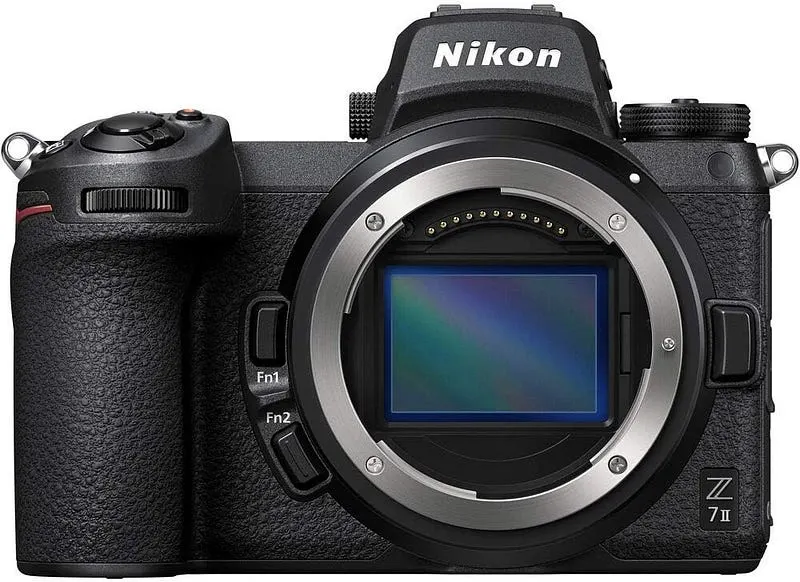
Best Lenses for Nikon Z7 II: Top Optics by Budget & Use Case
Which Lenses for Nikon Z7 II is worth buying? See how Nikon Z 24–70mm f/2.8 S and Nikon Z 14–24mm f/2.8 S stack up on specs, performance, and budget.
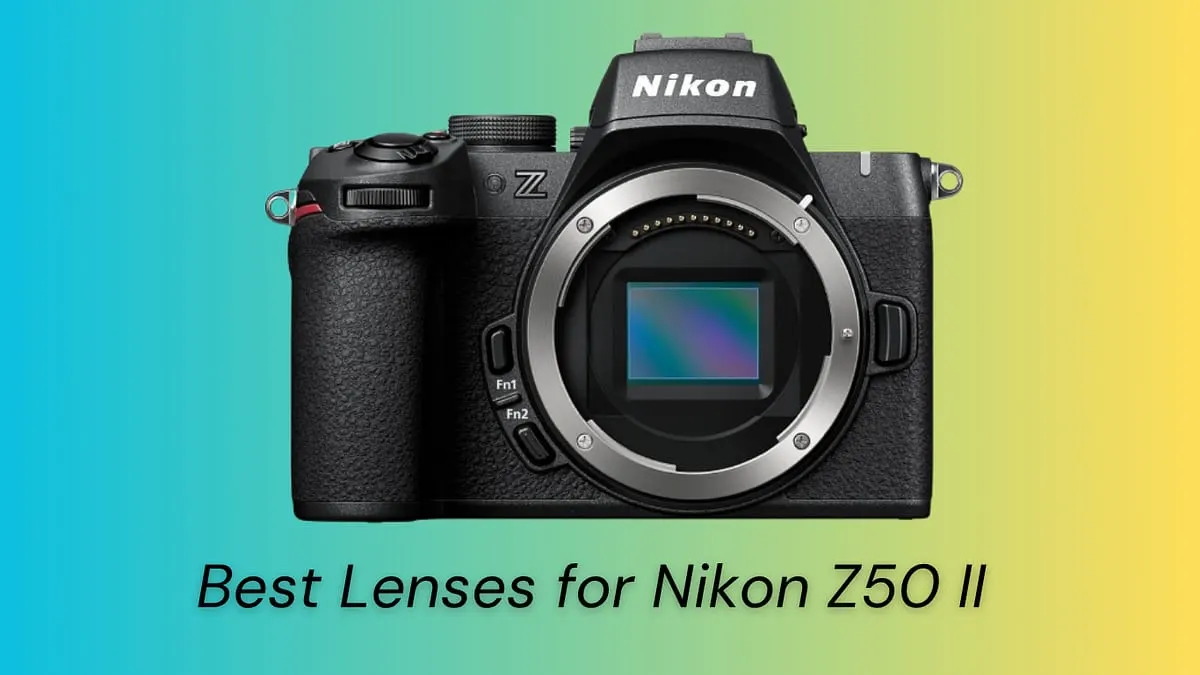
Best Lenses for Nikon Z50 II: Native & Third-Party Glass Compared
Best Lenses for Nikon Z50 II: side-by-side comparison of Nikon NIKKOR Z DX 16–50mm and Nikon NIKKOR Z DX 18–140mm covering key specs, real-world handling.
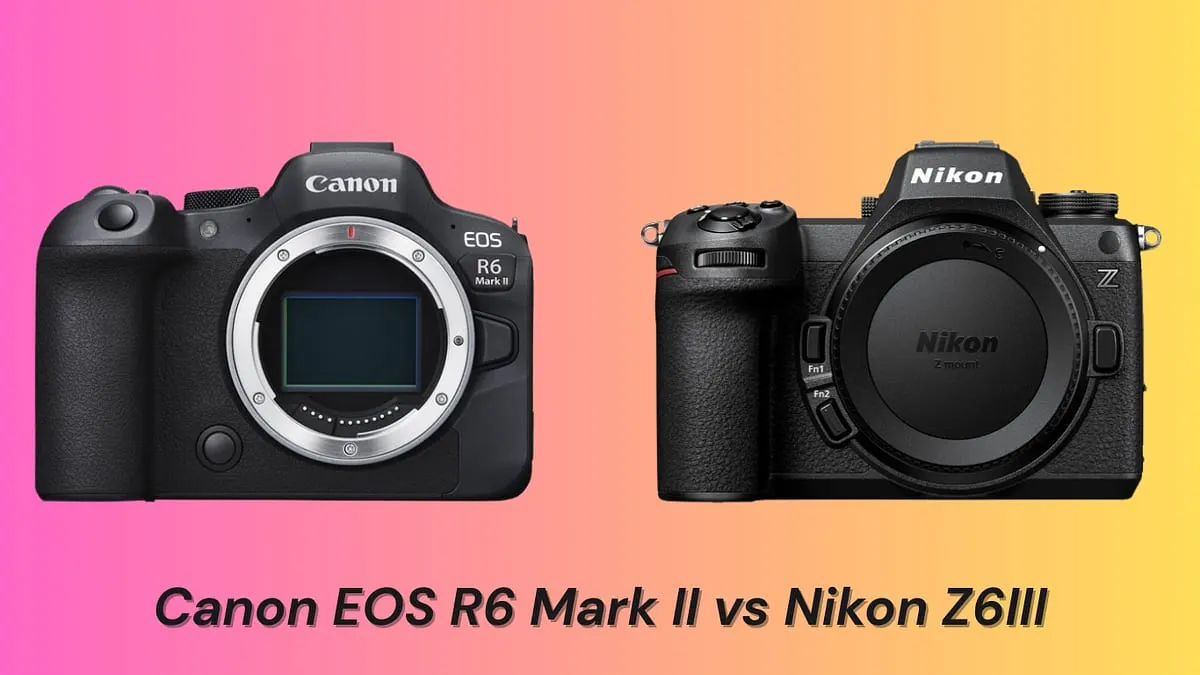
Canon EOS R6 Mark II vs Nikon Z6III: Tested Models & Buying Guide
Canon EOS R6 Mark II vs Nikon Z6III: Which One Should You Choose? — how the Canon EOS R6 Mark II and Nikon Z6III differ in autofocus, viewfinder and video.