Best Nikon Camera for Sports Photography
As an Amazon Associate we earn from qualifying purchases. Some links in this guide are affiliate links, see our affiliate disclosure for details.
Which Nikon camera is best for sports photography?
The Nikon Z9 is Nikon's flagship for sports. It has a 45.7-megapixel stacked sensor, a built-in vertical grip, no mechanical shutter and subject-detection autofocus, and it launched at about $5,500. The Nikon Z8 uses the same sensor in a smaller body and is the practical alternative for most shooters, while the Nikon Z6 III is the lower-cost route into fast mirrorless action shooting. Pick on budget, body size and how long the camera has to be held up during a game.
What does a sports camera need?
| Feature | Why it matters | What to check |
|---|---|---|
| Burst speed | Peak action lasts a fraction of a second | Frames per second in RAW, not only in JPEG |
| Autofocus tracking | The subject moves unpredictably | Subject detection for people, vehicles and animals |
| Buffer depth | A long burst fills memory quickly | Frames before the camera slows down |
| Handling | Games run for hours | Weight and a vertical grip for portrait framing |
| Weather sealing | Outdoor events are rarely dry | Sealing rating from the maker |
| Lens support | Fast telephoto glass does the heavy work | Z-mount telephoto zooms and primes |
Nikon Z9
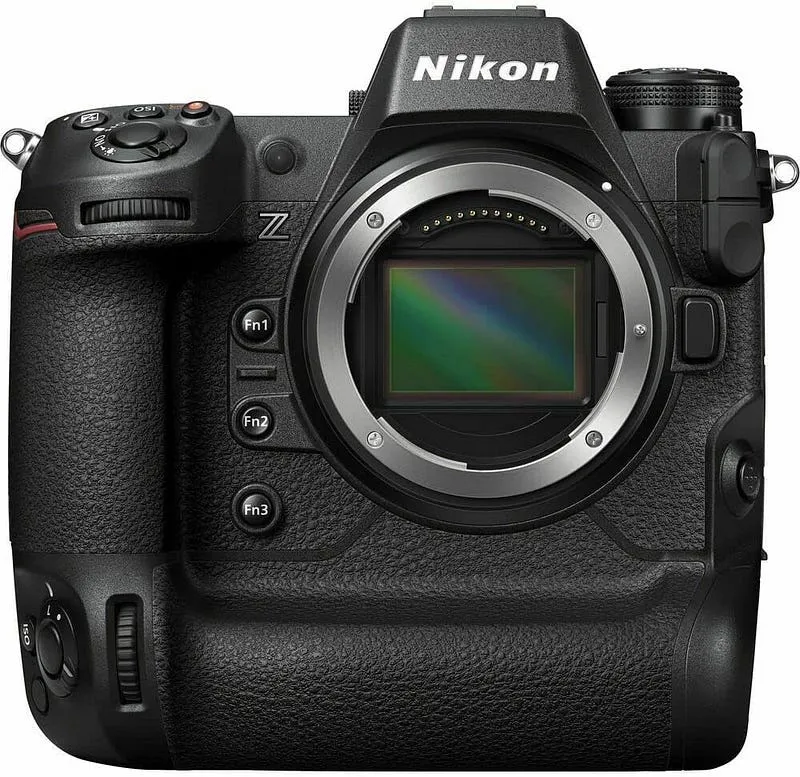
The Nikon Z9 has a 45.7-megapixel stacked CMOS sensor and an integrated vertical grip, so landscape and portrait framing use the same controls. It has no mechanical shutter, which removes shutter shock and mirror-blackout problems during bursts. Nikon lists up to 20 frames per second in RAW, and the autofocus system detects people, animals and vehicles, which suits the unpredictable movement of team sports. It records 8K video, uses two CFexpress Type B card slots and weighs about 1.3 kg with battery and card.
The trade-off is size and price. The grip makes the body heavy for a day of handheld shooting with a telephoto lens, and at launch it cost several times more than mid-range bodies.
Nikon Z8
The Nikon Z8 shares the Z9's 45.7-megapixel stacked sensor and most of its autofocus and video features, in a smaller body without the integrated grip. It is lighter to carry and costs less, with a smaller battery. For many sports shooters, it is the better value than the flagship. See the comparison of the Nikon Z8 and Nikon Z9 and the Nikon Z8 review.
Nikon Z6 III
The Nikon Z6 III has a 24.5-megapixel partially stacked sensor and is aimed at hybrid shooters. It handles fast action well for its price and suits youth sports, school events and enthusiasts who also shoot video. It cannot match the Z9 or Z8 in resolution or buffer depth, so it is the pick for budget and portability. The Nikon Z6II and Z6III comparison covers the differences.
Which lens matters most?
The lens often matters more than the body. Sports normally need a fast telephoto zoom, such as a 70-200mm f/2.8, or a longer prime or zoom for field sports. The best Nikon lens for sports guide lists options by sport and budget. Nikon's F-mount lenses also work on Z bodies through the FTZ adapter, which helps buyers moving over from DSLRs.
How do the three bodies compare?
| Camera | Sensor | Best for | Main trade-off |
|---|---|---|---|
| Nikon Z9 | 45.7 MP stacked | Professional sports and agency work | Size, weight and price |
| Nikon Z8 | 45.7 MP stacked | Serious enthusiasts and working shooters | Smaller battery than the Z9 |
| Nikon Z6 III | 24.5 MP partially stacked | Budget and hybrid shooting | Lower resolution and a smaller buffer |
Specifications are summarised from Nikon's published information; check the manufacturer's page for current figures and pricing.
Other sports camera guides
- Best mirrorless camera for sports photography
- Best camera for sports photography for beginners
- How to take professional sports photos
Frequently asked questions
Is the Nikon Z9 worth it for amateur sports photography? It is excellent, but most amateurs are better served by the Z8 or Z6 III. The Z9's grip, buffer and price matter mainly for professional work.
Do I need a mechanical shutter for sports? Not necessarily. Nikon's Z9 has no mechanical shutter at all. Fast subjects can show distortion with some electronic shutters, so check sample footage for your sport.
Can old Nikon lenses be used? Many F-mount lenses work on Z cameras with the FTZ adapter, and autofocus support depends on the lens.
What shutter speed should be used for sports? For most field and court sports, 1/1000 s or faster freezes the action. Faster sports such as motorsport or ball games can need 1/2000 s.
Camera & Lens Settings by Real-World Use Case
Match your focal length, aperture, shutter speed, and lighting modifier to the exact environment you shoot in.
Gym Workouts, Fitness Coaching & Athletic Reels
- Best Body:
- Sony ZV-1 / Panasonic Lumix GH5 & GH7 / Sony a7 III
- Ideal Lens:
- 24mm–35mm f/1.8 or 16–35mm f/2.8 Zoom
- Aperture & Shutter:
- f/1.8 – f/2.8 (isolates athlete from crowded gym equipment) · 1/120s (for 4K 60fps slow-motion) or 1/60s (for 30fps)
- Room Distance:
- 1.5m – 3.0m (5 to 10 ft on a compact floor tripod or magnetic mount)
Youth Sports, GameChanger Baseball/Softball & Golf Swings
- Best Body:
- GoPro Hero 12 Black (Fence Stream) / Canon EOS R50 & R10 (Sideline)
- Ideal Lens:
- RF 100–400mm f/5.6–8 IS USM or 70–200mm f/2.8 (Sideline) / Fixed Wide (Fence)
- Aperture & Shutter:
- f/2.8 – f/5.6 (blurs chain-link fences when shot wide open close to the mesh) · 1/1000s – 1/2000s (baseball bat contact & golf clubhead impact)
- Room Distance:
- 0.1m (snug against chain-link fence) or 10m–40m sideline
Motorsport, Track Days & Automotive Rolling Shots
- Best Body:
- Sony a7 IV / Canon EOS R5 / Fujifilm X-H2S
- Ideal Lens:
- 70–200mm f/2.8 / 100–400mm (trackside) + 24–70mm f/2.8 with CPL (statics & rollers)
- Aperture & Shutter:
- f/2.8 (static separation) or f/8 – f/13 (slow-shutter daytime panning) · 1/60s – 1/125s (track panning), 1/40s – 1/80s (chase rollers), 1/1000s+ (head-on)
- Room Distance:
- 3m – 50m

Written by
Marien CartelMarien Cartel runs Marien Cartel Photography, a camera and lens buying-guide site, and photographs the gear shown on it.
Related Guides
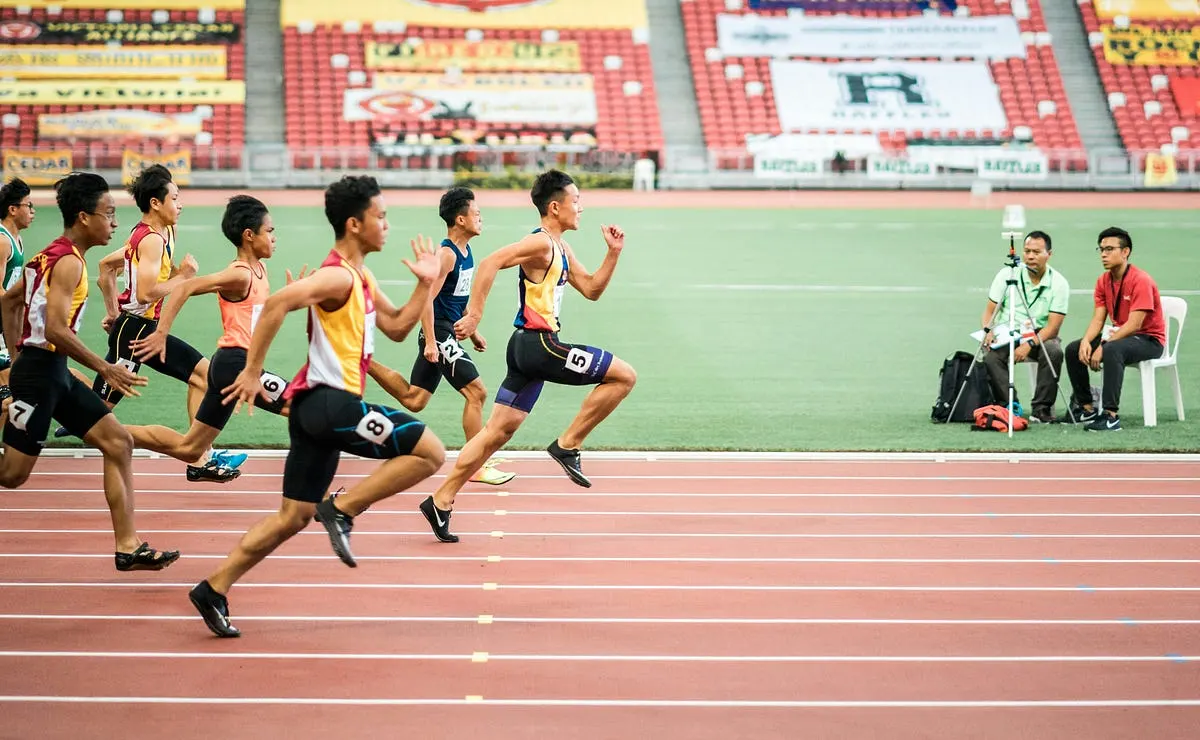
Best Nikon lens for sports: Pros:, Cons: & More
Best Nikon lens for sports — what the Nikon AF-S 180–400mm f/4E TC1.4 offers, where it falls short, and whether it is worth buying.
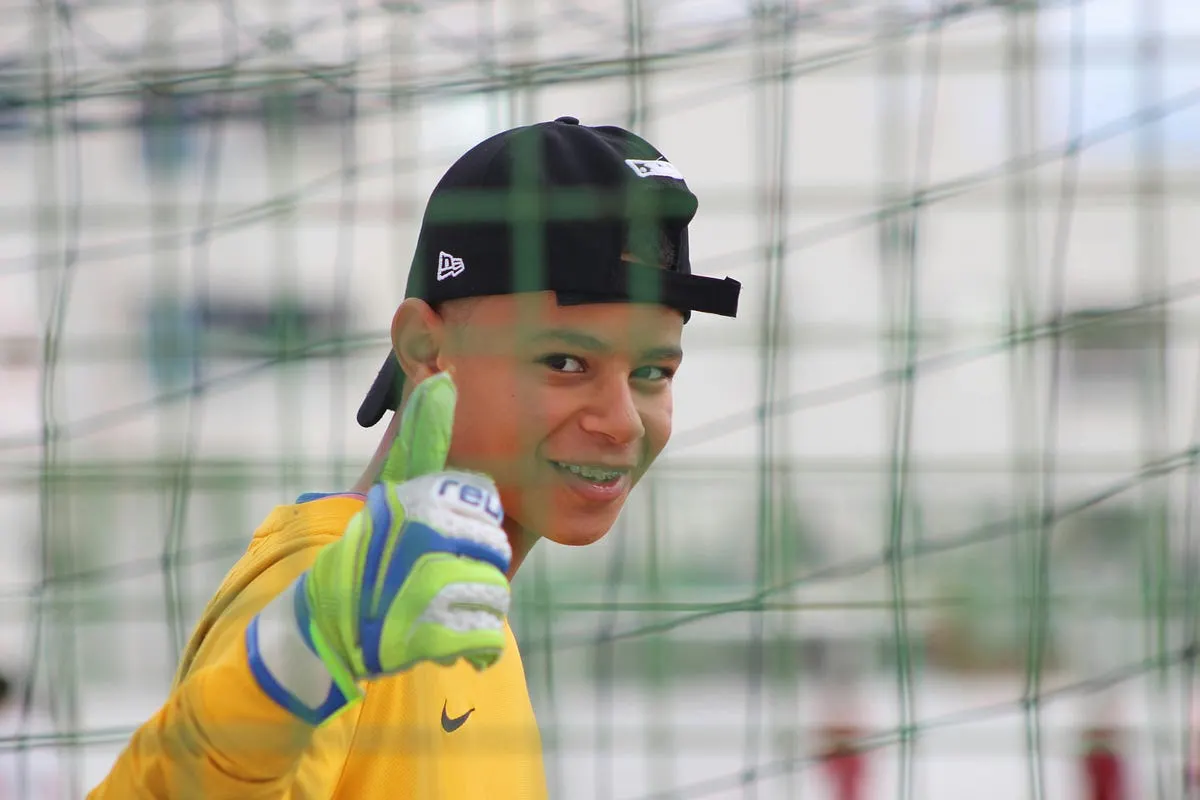
Best Camera for Recording Youth Sports
Compare the best cameras for recording youth sports from the bleachers or sidelines, including the Fujifilm X-H2S, Sony a6700, and Canon EOS R7.
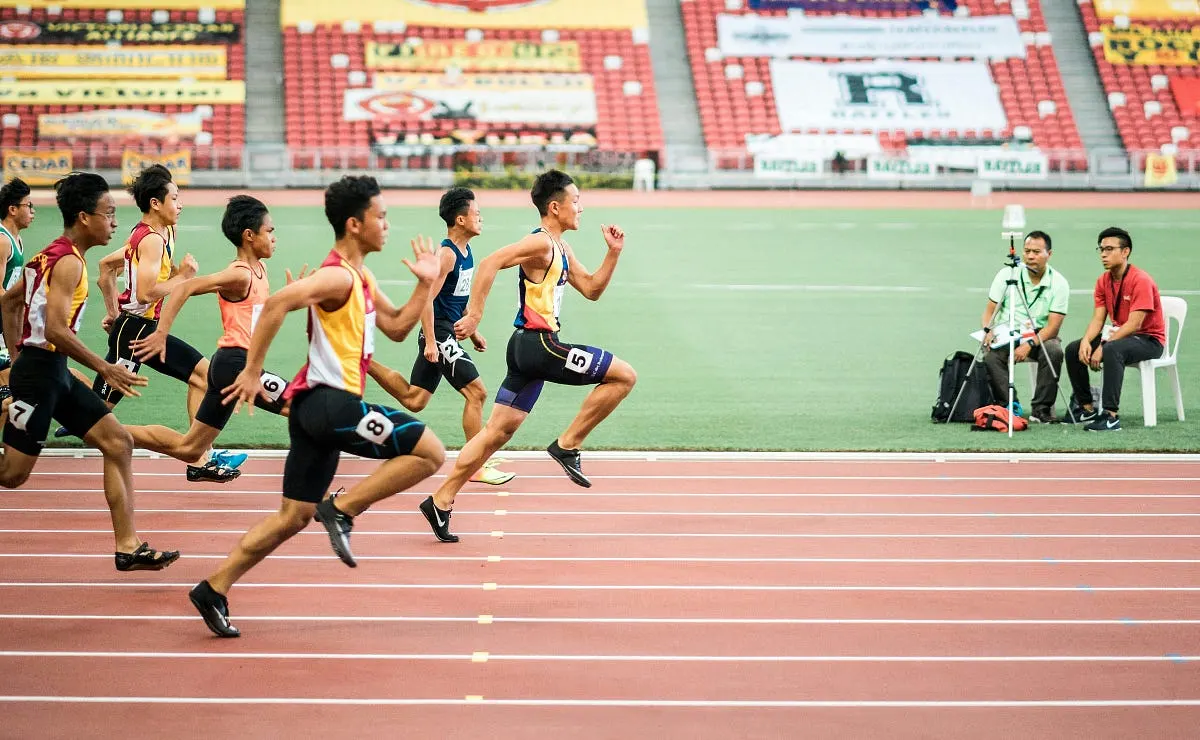
Best Camera for Sports Photography Under $1,000 (2026)
Sony A6000 or Fujifilm X-T30 for sports under $1,000? Burst rates, autofocus points and prices compared, plus the Canon EOS M50 Mark II.
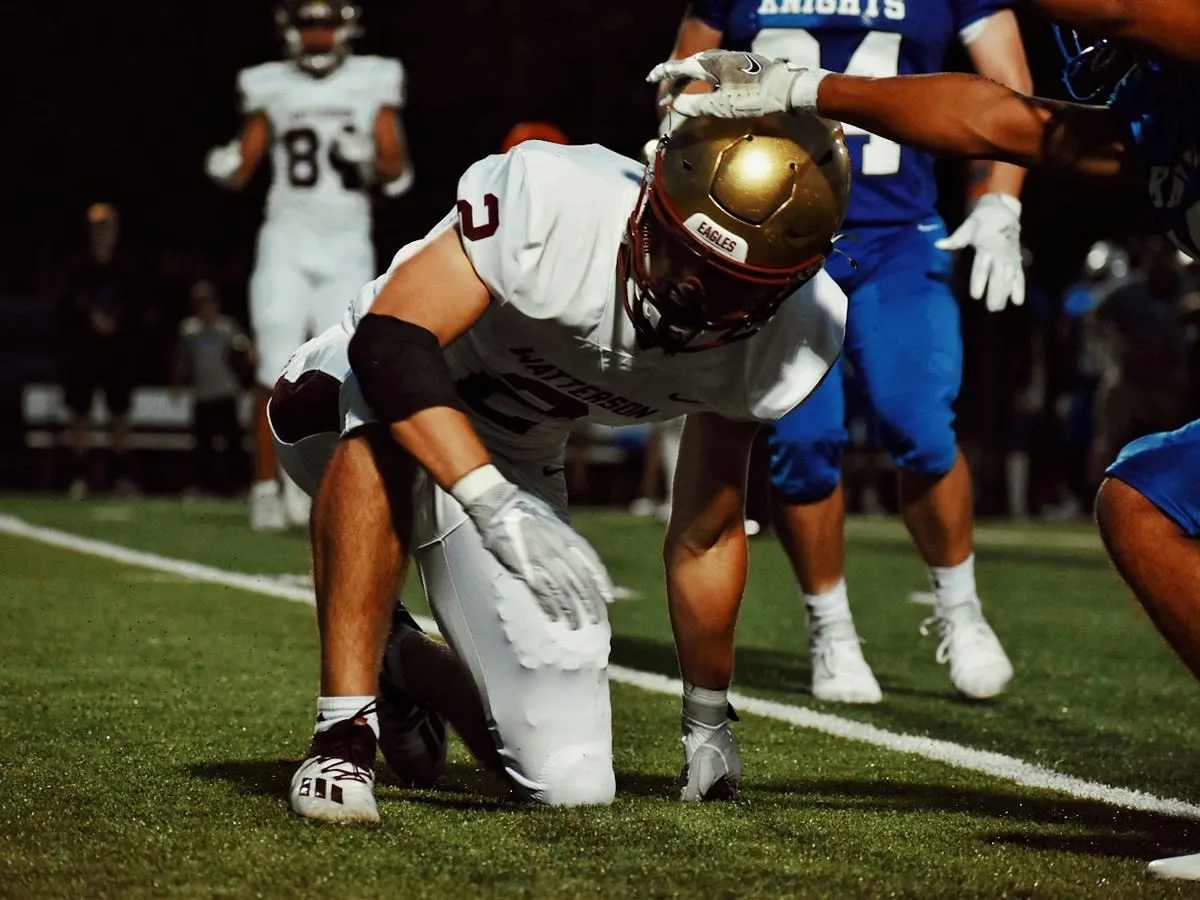
Best Mirrorless Camera for Sports Photography
Top options include the Sony a9 III, Sony a9 II, Canon EOS R3, Nikon Z 9 and OM System OM-1 Mark II, with the key features to consider for sports.

Best Nikon Full Frame Cameras for Night Photography
Best Nikon Full Frame Cameras for Night Photography — Nikon Z5, Nikon Z6 II and Nikon Z8 compared, with pros, cons and who should buy which.
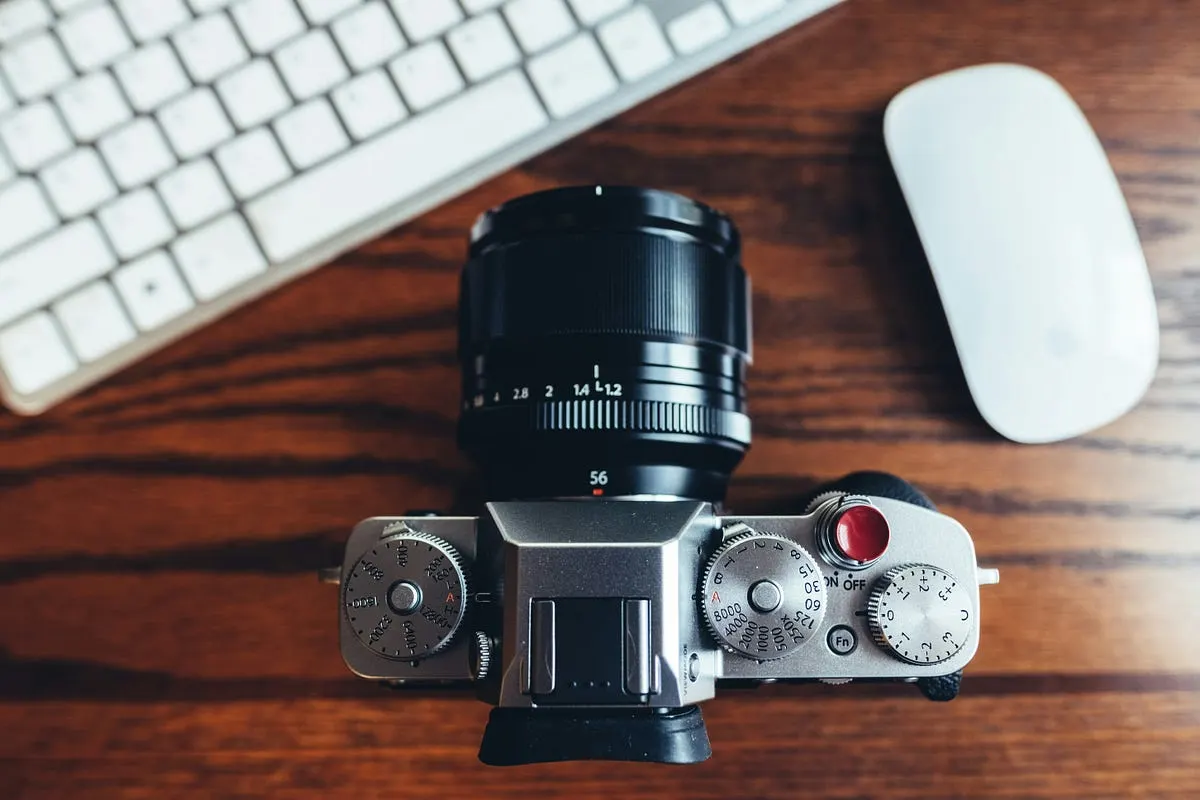
Top 3 Mirrorless Cameras: Canon R6 II, Panasonic S5 II and Nikon Z30
Top 3 Mirrorless Cameras: Canon R6 II, Panasonic S5 II and Nikon Z30: key features, strengths, drawbacks and who should buy the Canon EOS R6 Mark II.