Best Nikon lens for sports: Pros:, Cons: & More
As an Amazon Associate we earn from qualifying purchases. Some links in this guide are affiliate links, see our affiliate disclosure for details.
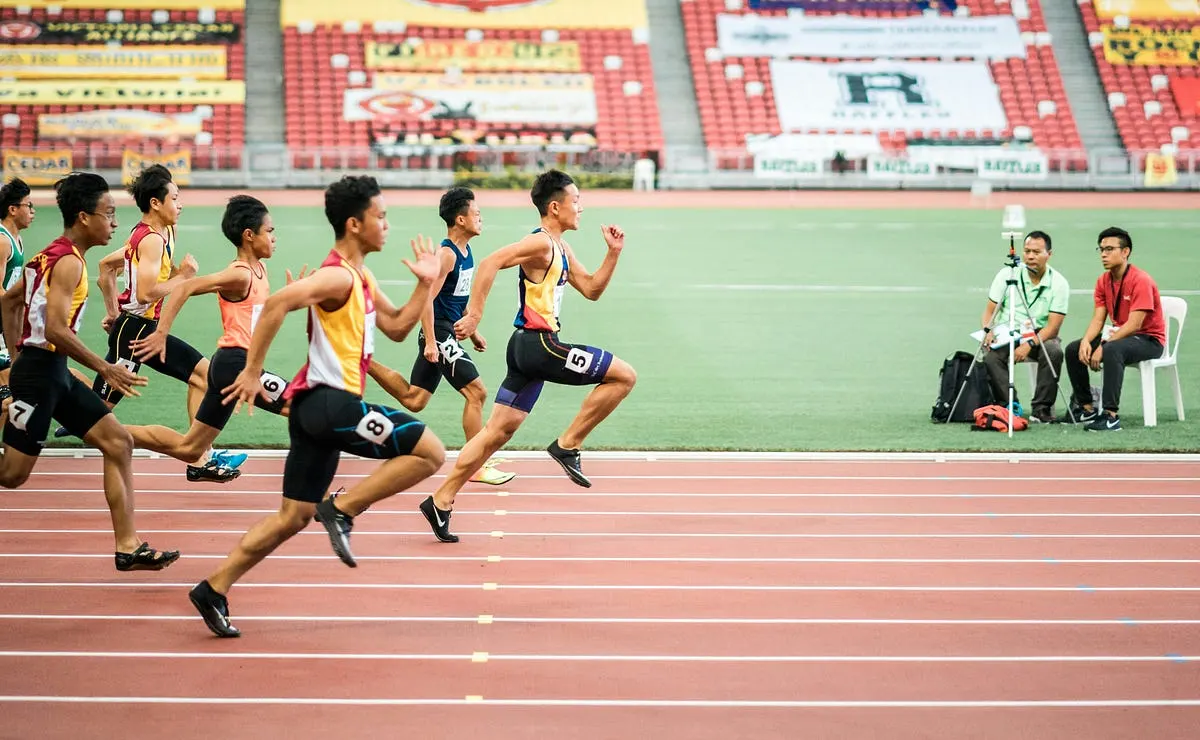
Photo by Jonathan Chng on Unsplash
Which Nikon lens is best for sports?
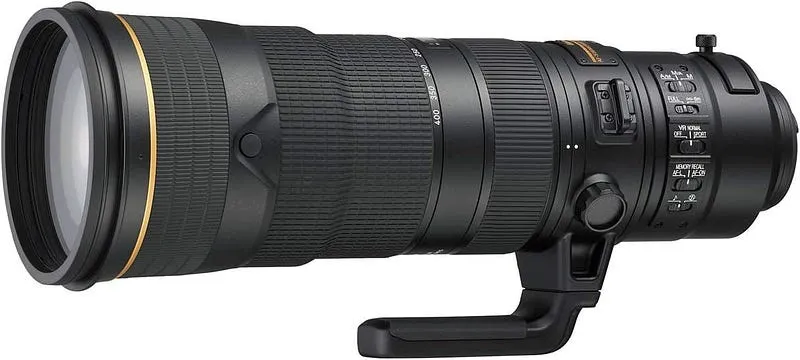
Reviewed models include the Nikon AF-S 180-400mm f/4E TC1.4 FL ED VR, covering performance in the field, image quality, pros and cons and what to consider before buying.
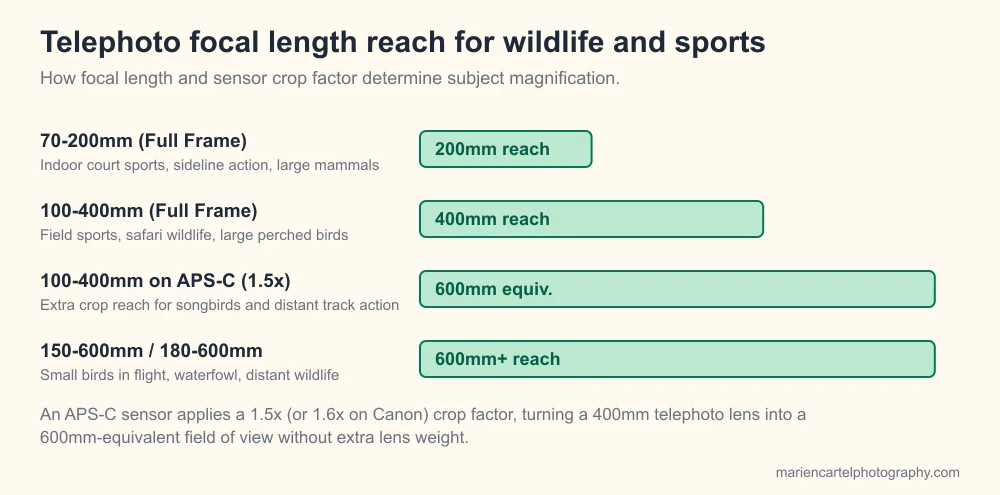
Effective telephoto reach across 200mm, 400mm, APS-C 1.5x crop factor, and 600mm wildlife lenses.
Choosing the Right Lens
The Nikon AF-S 180–400mm f/4E TC1.4 FL ED VR stood out as a top contender for several reasons:
- Focal Length: With a range of 180–400mm and a built-in 1.4x teleconverter, this lens provides exceptional reach, making it perfect for capturing athletes in action from a distance.
- Aperture: The constant f/4 aperture allows for excellent low-light performance and beautiful background blur (bokeh), which is crucial for isolating subjects in fast-paced environments.
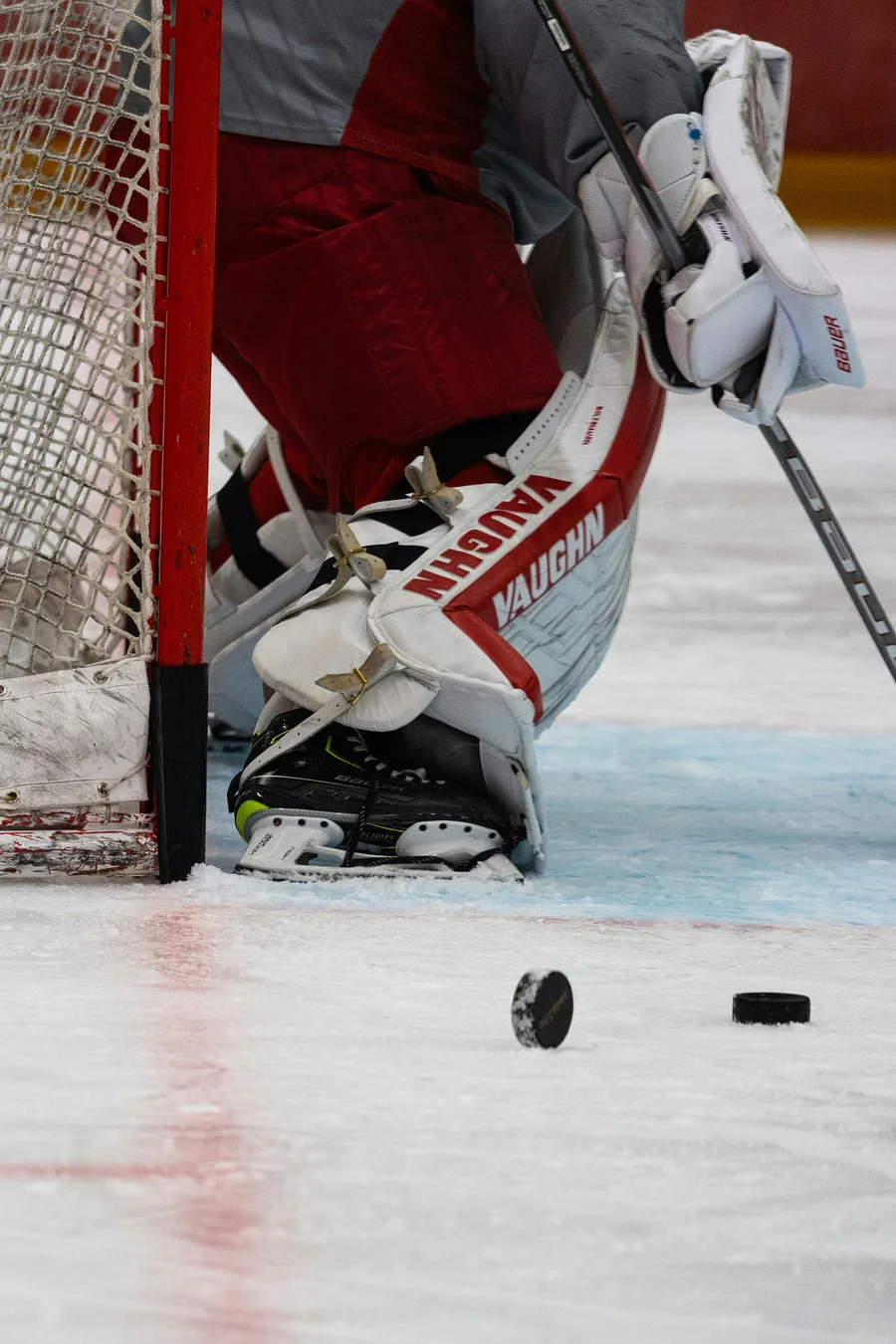
Photo by Nathanaël Desmeules on Unsplash
First Impressions
Image Quality
The image quality produced by this lens is truly remarkable. The sharpness is outstanding across its zoom range, particularly between 180mm and 300mm. Even at full telephoto with the teleconverter engaged, images remain impressively sharp with minimal chromatic aberration or distortion.
The bokeh — how out-of-focus areas are rendered — is also beautiful. It allows for excellent subject isolation, which is crucial in sports photography where distractions abound in the background.
Pros and Cons
Pros:
- Exceptional Image Quality: Outstanding sharpness and low distortion throughout the zoom range.
- Fast Autofocus: Quick and accurate tracking of fast-moving subjects.
- Vibration Reduction: Effective stabilization allows for handheld shooting in varying light conditions.
- Built-in Teleconverter: Conveniently expands focal length without needing to change lenses.
- Durable Build: Weather-sealed construction provides reliability in challenging environments.
Cons:
- Weight: At nearly 3.5 kg, it can be cumbersome during long events; a monopod or tripod is often necessary.
- Price: With a price tag around $12,400, it’s a significant investment that may not be feasible for all photographers.
- Size: Its large size can attract attention and may not be ideal for discreet shooting situations.
Considerations Before Buying
Despite its many strengths, there are a few considerations to keep in mind before purchasing:
- Weight: This lens is relatively heavy (weighing around 3.5 kg), which can be tiring during long events or when moving around frequently. A sturdy monopod or tripod is highly recommended for extended shooting sessions.
- Price: It’s an investment; however, for serious sports photographers looking for quality and performance, it’s worth every penny.
- Compatibility: Ensure that your camera body is compatible with this lens. It works seamlessly with Nikon’s F-mount DSLRs and can be adapted for use with mirrorless models via an FTZ adapter.
Explore Best Nikon Camera for Sports Photography alongside Best Lenses for the Nikon Z6 II and the hyperfocal distance tool.
Camera & Lens Settings by Real-World Use Case
Match your focal length, aperture, shutter speed, and lighting modifier to the exact environment you shoot in.
Gym Workouts, Fitness Coaching & Athletic Reels
- Best Body:
- Sony ZV-1 / Panasonic Lumix GH5 & GH7 / Sony a7 III
- Ideal Lens:
- 24mm–35mm f/1.8 or 16–35mm f/2.8 Zoom
- Aperture & Shutter:
- f/1.8 – f/2.8 (isolates athlete from crowded gym equipment) · 1/120s (for 4K 60fps slow-motion) or 1/60s (for 30fps)
- Room Distance:
- 1.5m – 3.0m (5 to 10 ft on a compact floor tripod or magnetic mount)
Youth Sports, GameChanger Baseball/Softball & Golf Swings
- Best Body:
- GoPro Hero 12 Black (Fence Stream) / Canon EOS R50 & R10 (Sideline)
- Ideal Lens:
- RF 100–400mm f/5.6–8 IS USM or 70–200mm f/2.8 (Sideline) / Fixed Wide (Fence)
- Aperture & Shutter:
- f/2.8 – f/5.6 (blurs chain-link fences when shot wide open close to the mesh) · 1/1000s – 1/2000s (baseball bat contact & golf clubhead impact)
- Room Distance:
- 0.1m (snug against chain-link fence) or 10m–40m sideline
Motorsport, Track Days & Automotive Rolling Shots
- Best Body:
- Sony a7 IV / Canon EOS R5 / Fujifilm X-H2S
- Ideal Lens:
- 70–200mm f/2.8 / 100–400mm (trackside) + 24–70mm f/2.8 with CPL (statics & rollers)
- Aperture & Shutter:
- f/2.8 (static separation) or f/8 – f/13 (slow-shutter daytime panning) · 1/60s – 1/125s (track panning), 1/40s – 1/80s (chase rollers), 1/1000s+ (head-on)
- Room Distance:
- 3m – 50m

Written by
Marien CartelMarien Cartel runs Marien Cartel Photography, a camera and lens buying-guide site, and photographs the gear shown on it.
Related Guides

Best Nikon lens for wildlife: Image Quality, Pros and Cons & More
Best Nikon lens for wildlife: Nikon Z 180–600mm f/5.6–6.3 VR and Nikon Z 100–400mm f/4.5–5.6 VR compared on features, price and who each one suits.
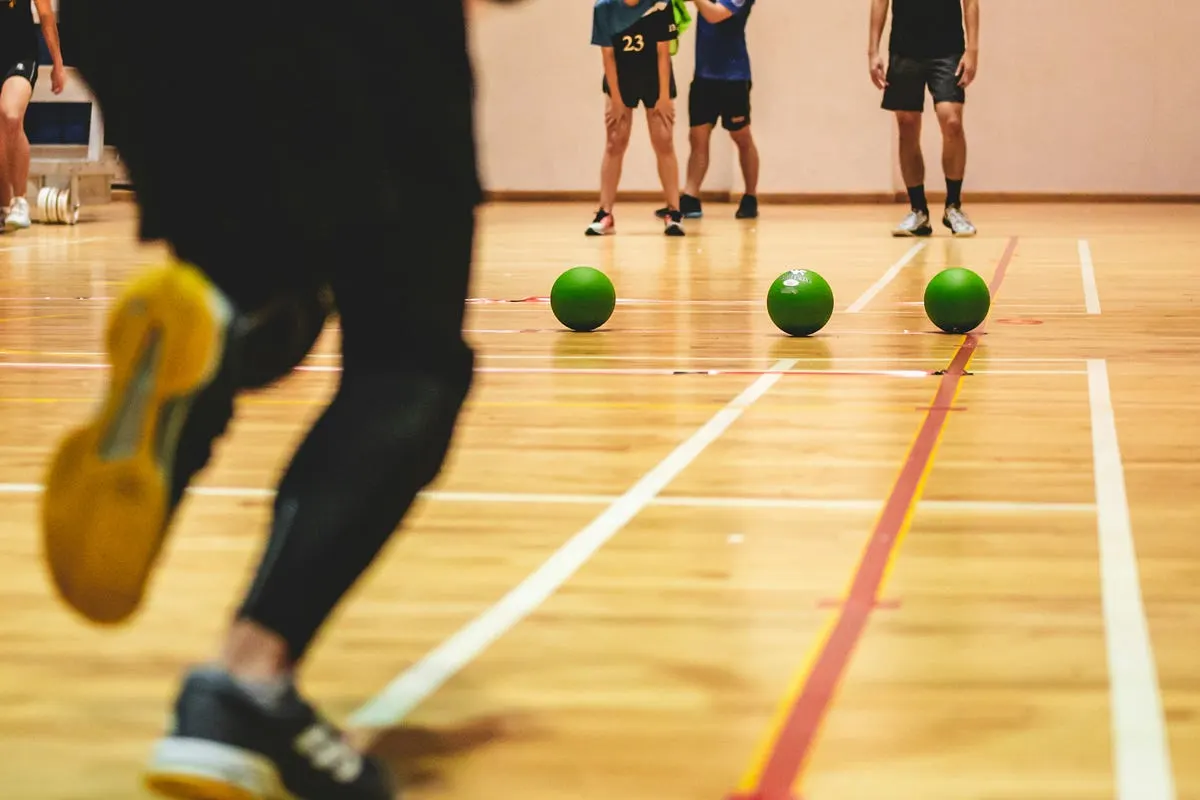
Best Nikon Camera for Sports Photography
Best Nikon Camera for Sports Photography — what the Nikon Z9 offers, where it falls short, and whether it is worth buying.

Best Macro Lenses for Canon: Pros:, Cons: & More
Best Macro Lenses for Canon: Canon EF 100mm f/2.8L IS and Sigma 105mm f/2.8 DG OS compared on features, price and who each one suits.
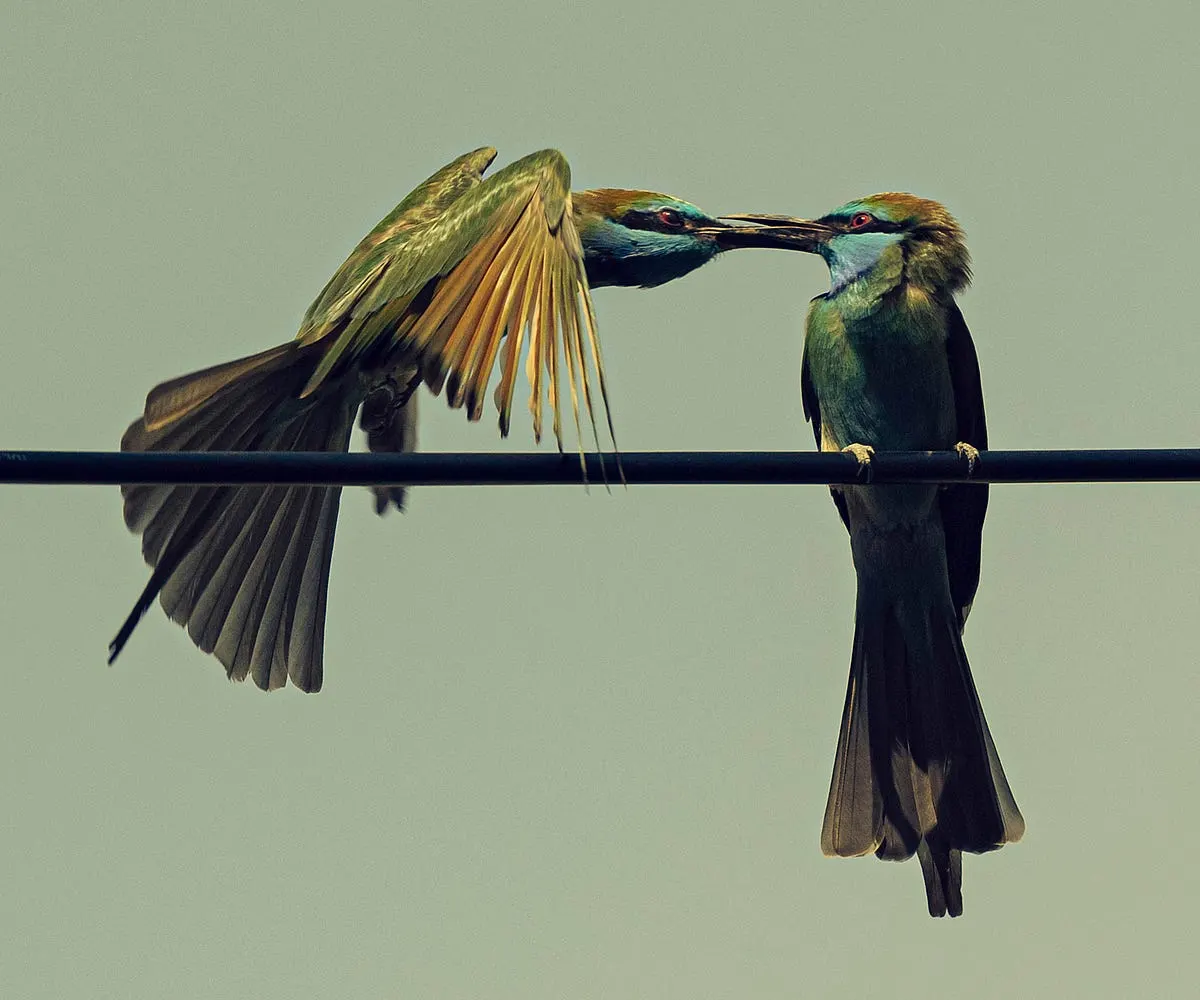
Best Nikon Z Super Telephoto Lens
Nikon Z 100–400mm f/4.5–5.6 VR and Nikon Z 400mm f/4.5 VR compared for Nikon Z Super Telephoto Lens: key specifications, trade-offs, and top picks by budget.
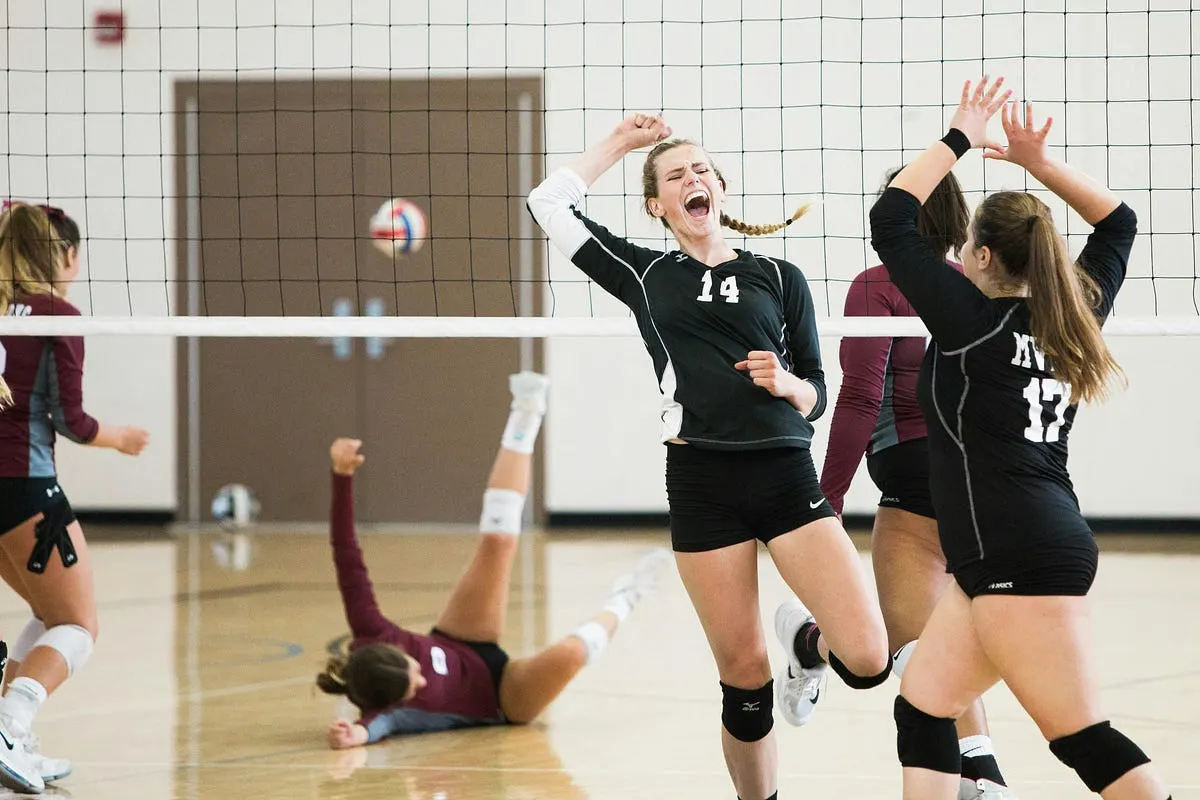
Best Sony Lenses For Sports Photography
Best Sony Lenses For Sports Photography: Sony FE 70–200mm f/2.8 GM and Sony FE 100–400mm f/4.5–5.6 GM compared on features, price and who each one suits.
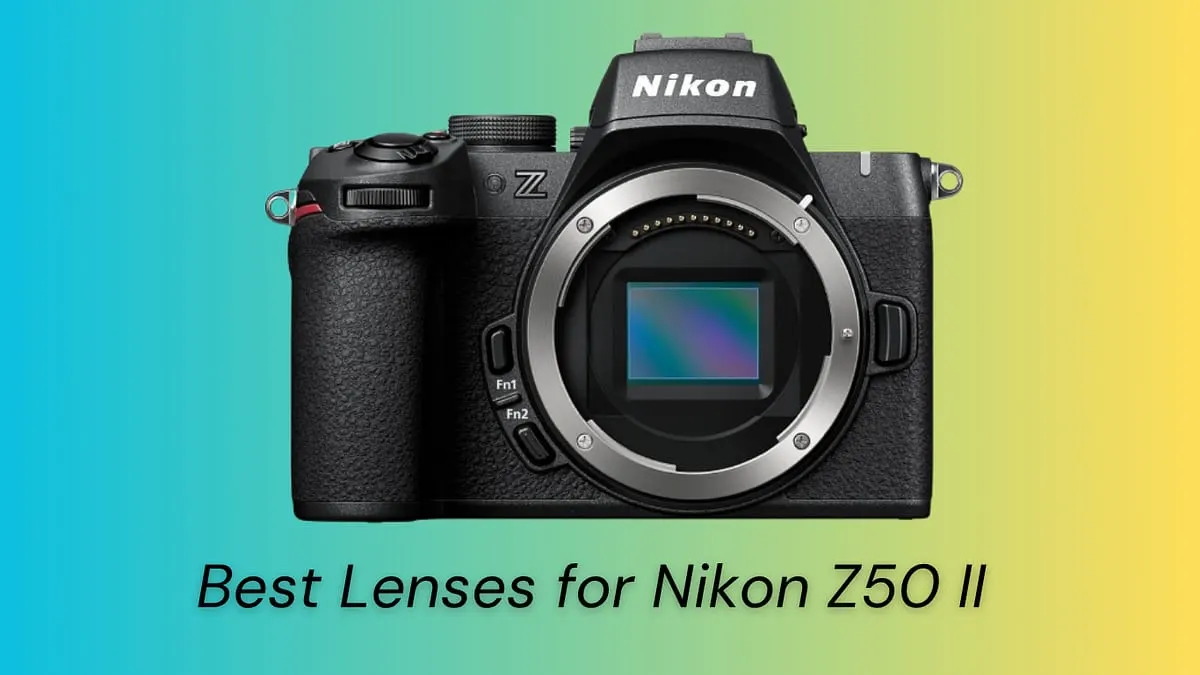
Best Lenses for Nikon Z50 II: Native & Third-Party Glass Compared
Best Lenses for Nikon Z50 II: side-by-side comparison of Nikon NIKKOR Z DX 16–50mm and Nikon NIKKOR Z DX 18–140mm covering key specs, real-world handling.