How do I get started in sports photography
As an Amazon Associate we earn from qualifying purchases. Some links in this guide are affiliate links, see our affiliate disclosure for details.
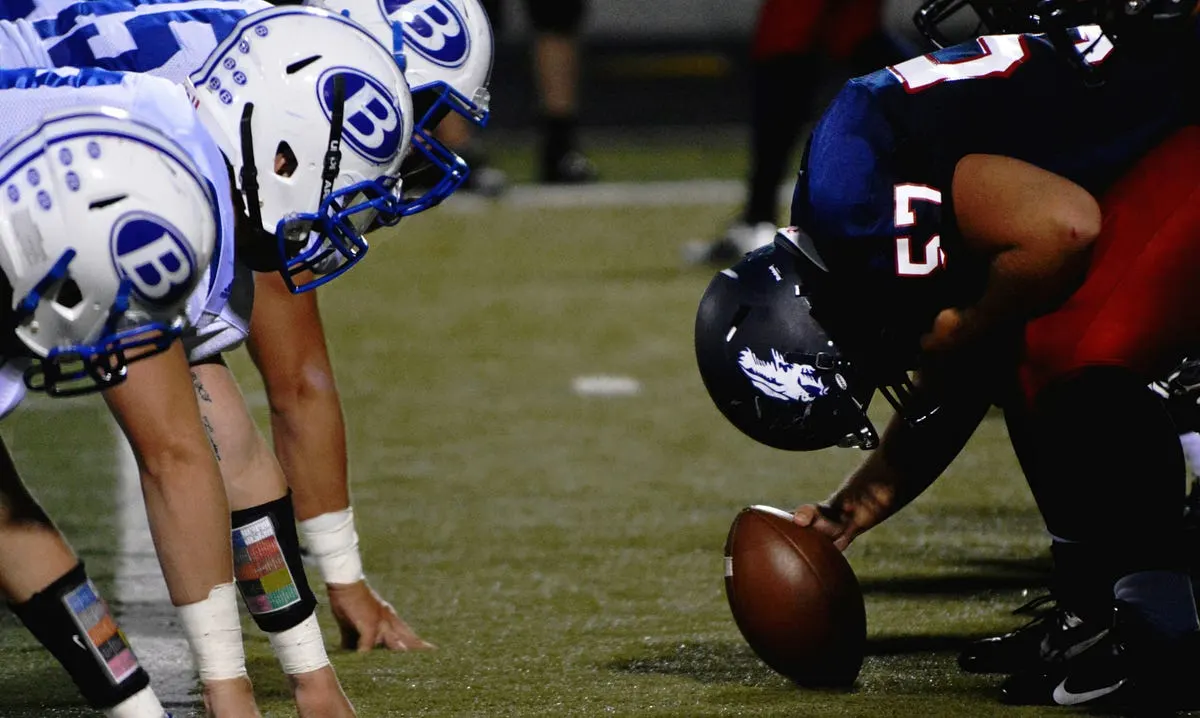
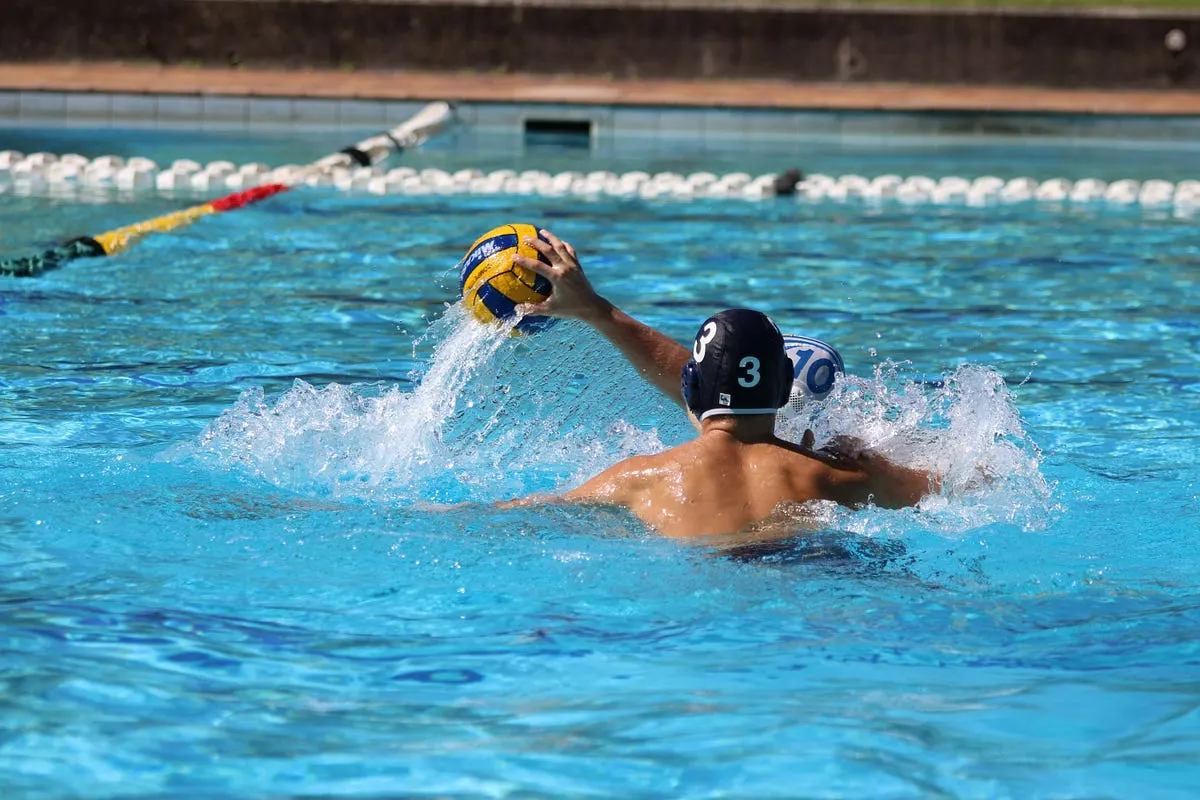
Photo by Nathan Shively on Unsplash
How do you get started in sports photography?
you do not need expensive gear to start. Begin at local games, expect poor early shots and keep practicing. It lists recommendations for beginners and advice for improving.
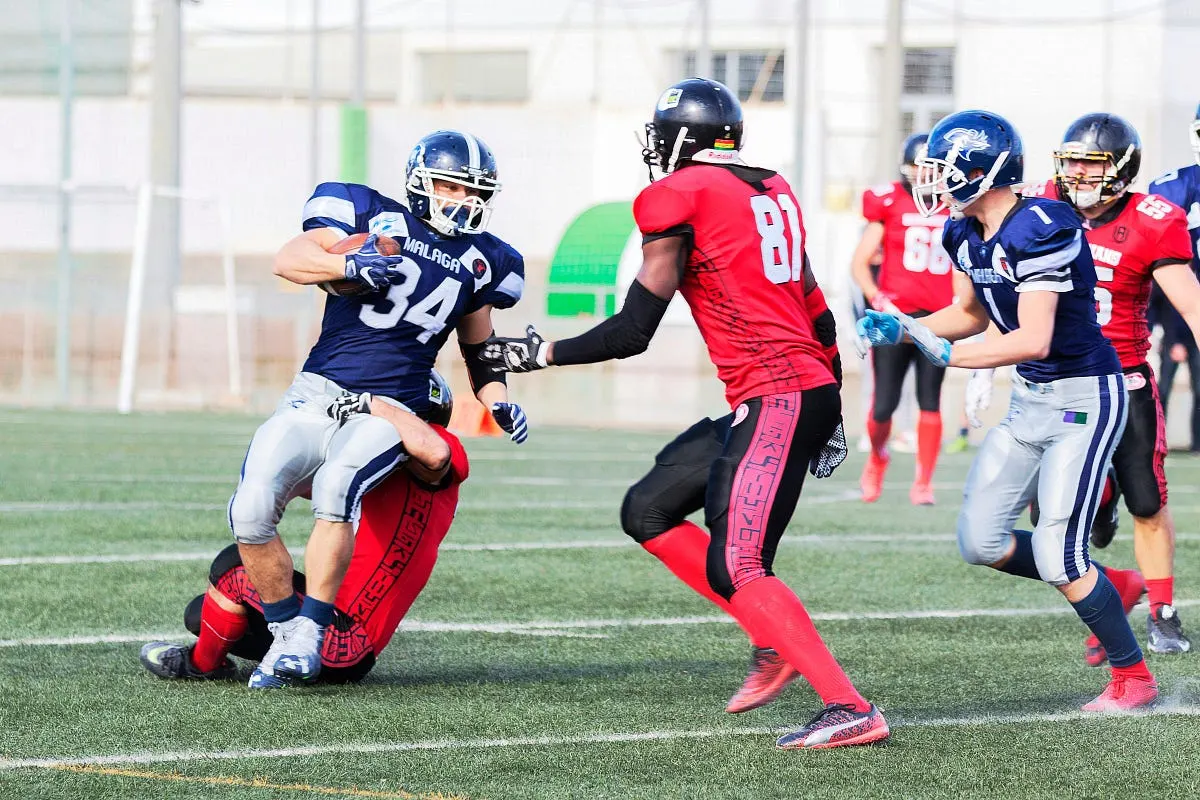
The first photos were terrible: blurry players, missed tackles, and more photos of the ground than the game. But there was something magical about capturing that perfect moment — when a receiver stretches out for a seemingly impossible catch, or when a running back finds that elusive gap in the defense.
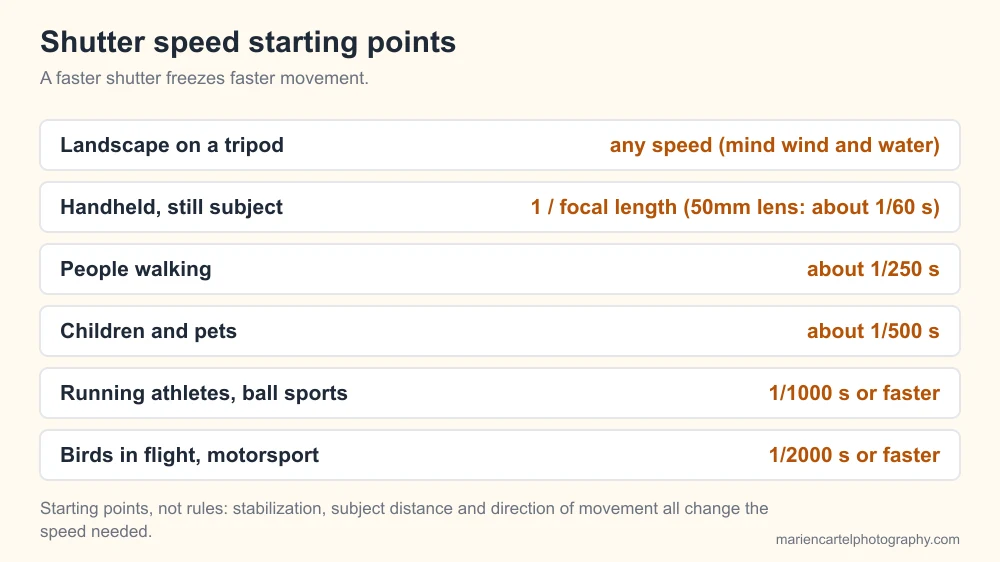
Starting shutter speeds by subject. Original diagram for this site.
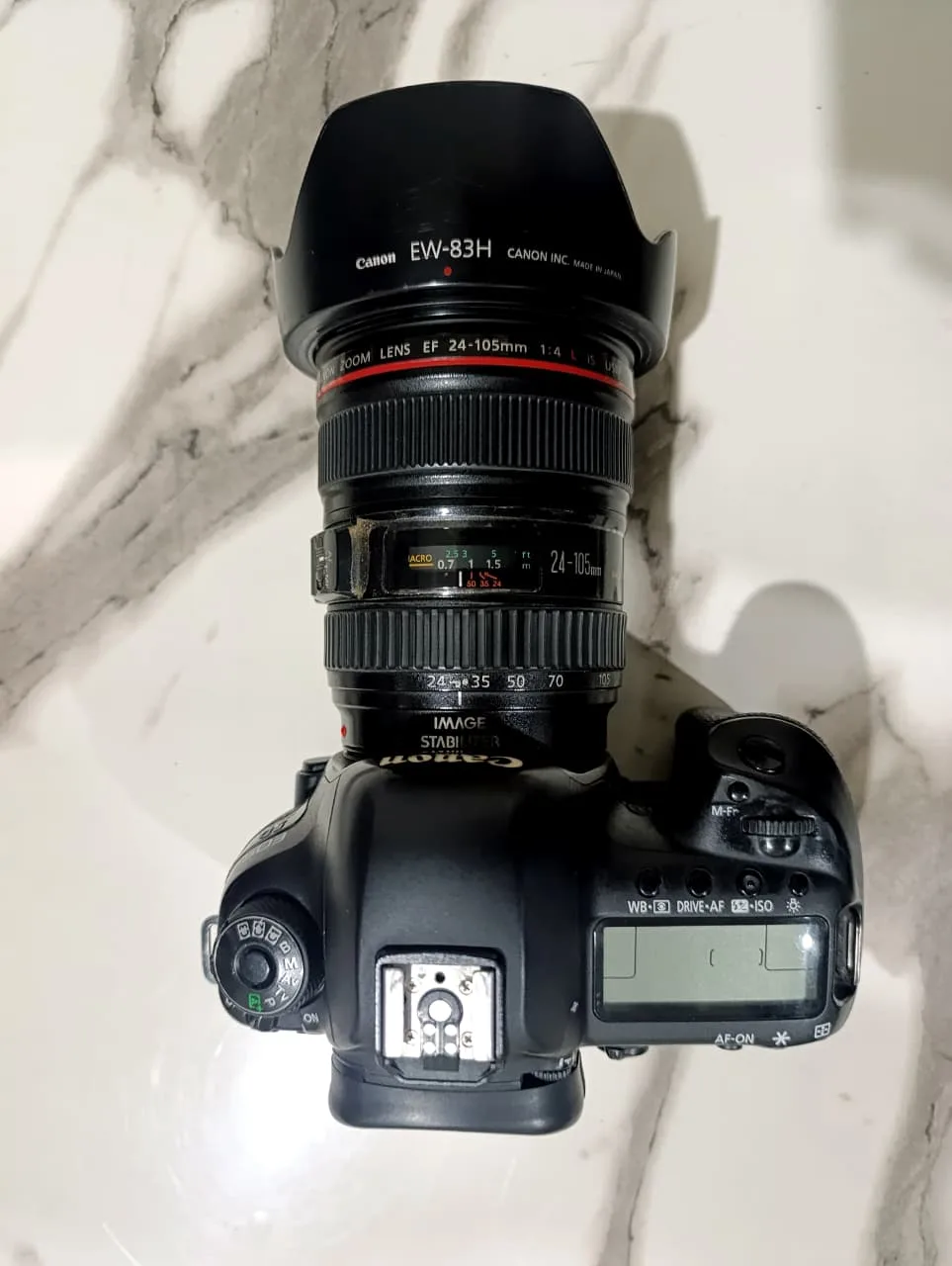
The Camera Body
Your journey doesn’t need to start with expensive gear.
- Entry-level DSLR or mirrorless camera with good autofocus
- Ability to shoot at least 5 frames per second
- Decent high ISO performance for night games
- Weather sealing is a plus, but not mandatory
Lenses
The heart of sports photography lies in your glass. Start with:
- 70–200mm f/2.8 lens (can be third-party to save money)
- 24–70mm f/2.8 for closer action and environmental shots
- If budget is tight, even a 55–250mm kit lens can work initially
Essential Accessories
- Fast memory cards (at least 95MB/s write speed)
- Extra batteries
- Monopod for supporting heavy lenses
- Weather protection for your gear
- Comfortable camera strap
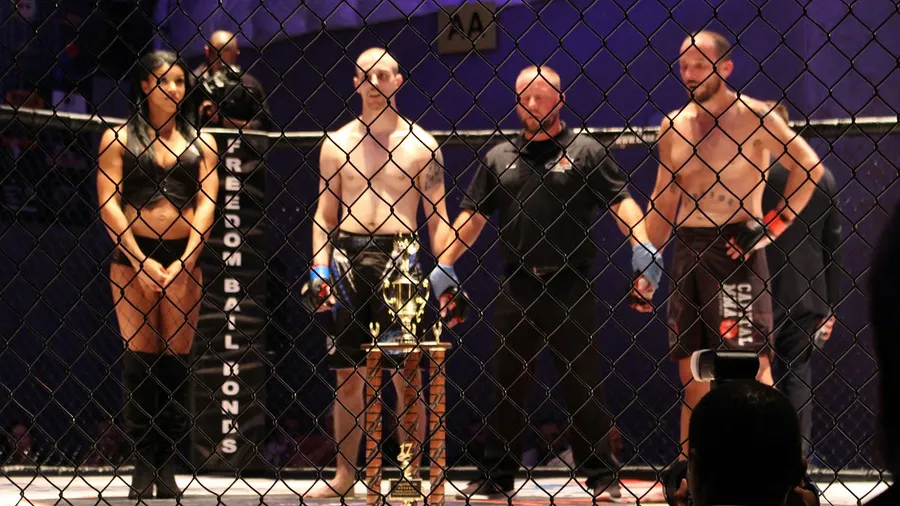
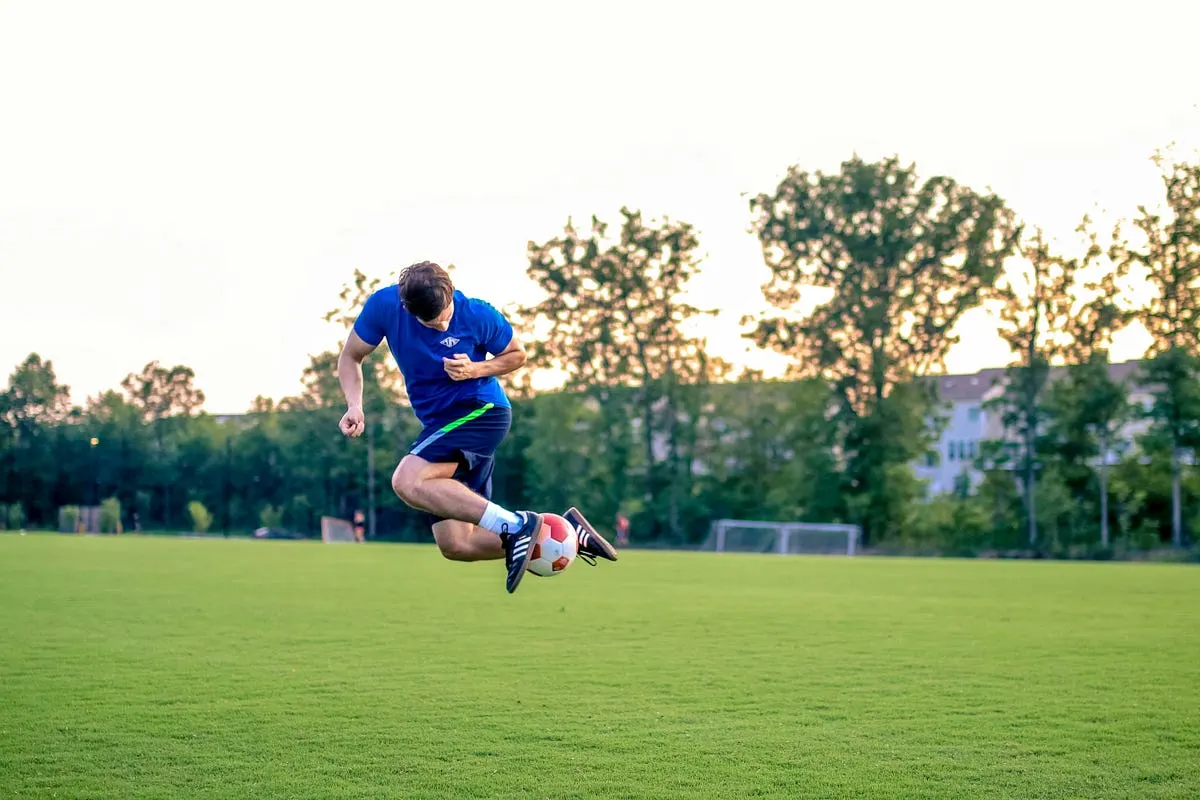
Photo by Derrick Treadwell on Unsplash
1. Understanding Exposure Triangle
For sports, you’ll typically want:
- Shutter speed: 1/1000s or faster for freezing action
- Aperture: As wide as possible (f/2.8-f/4)
- ISO: Auto ISO with upper limit set based on your camera’s capabilities
2. Focus Settings
- Back-button focus is your friend
- Use continuous autofocus (AI Servo for Canon, AF-C for Nikon)
- Learn to use focus points and zones effectively
3. Burst Mode
- Learn when to start and stop your burst sequences
- Don’t spray and pray — anticipate the action
Position Yourself Well
- Study the sport you’re shooting
- Learn player patterns and game flow
- Position yourself where the action is likely to come
- Be mindful of backgrounds — avoid cluttered or distracting elements
Building Relationships
Start local:
- High school sports
- Local leagues
- Amateur tournaments
Network with:
- Other photographers
- Coaches
- Athletic directors
- Local sports editors
Common Mistakes to Avoid
- Don’t chimp (constantly checking your LCD screen)
- Don’t forget to capture emotion and reaction shots
- Don’t stay in one spot — move around for varied perspectives
- Don’t forget to backup your images immediately after the game
Practice Exercises
- Track moving objects (cars, birds, pets) to develop panning skills
- Shoot in challenging lighting conditions to master exposure
- Practice focusing on unpredictable subjects
- Work on timing through anticipation drills
Portfolio Development
- Create a dedicated sports photography website
- Maintain an active Instagram presence
- Join sports photography groups on social media
- Submit to local newspapers and websites
Final Thoughts
The beauty of sports photography lies in capturing those split-second moments that tell compelling stories. Whether it’s the determination in an athlete’s eyes, the grace of a perfect play, or the raw emotion of victory or defeat, these are the moments that make this craft so rewarding.
Start small, dream big, and keep shooting. The perfect shot is always just one frame away.
Compare with How to get permission for street photography and How to take professional sports photos, or check the adapter & mount chart.
Camera & Lens Settings by Real-World Use Case
Match your focal length, aperture, shutter speed, and lighting modifier to the exact environment you shoot in.
Gym Workouts, Fitness Coaching & Athletic Reels
- Best Body:
- Sony ZV-1 / Panasonic Lumix GH5 & GH7 / Sony a7 III
- Ideal Lens:
- 24mm–35mm f/1.8 or 16–35mm f/2.8 Zoom
- Aperture & Shutter:
- f/1.8 – f/2.8 (isolates athlete from crowded gym equipment) · 1/120s (for 4K 60fps slow-motion) or 1/60s (for 30fps)
- Room Distance:
- 1.5m – 3.0m (5 to 10 ft on a compact floor tripod or magnetic mount)
Youth Sports, GameChanger Baseball/Softball & Golf Swings
- Best Body:
- GoPro Hero 12 Black (Fence Stream) / Canon EOS R50 & R10 (Sideline)
- Ideal Lens:
- RF 100–400mm f/5.6–8 IS USM or 70–200mm f/2.8 (Sideline) / Fixed Wide (Fence)
- Aperture & Shutter:
- f/2.8 – f/5.6 (blurs chain-link fences when shot wide open close to the mesh) · 1/1000s – 1/2000s (baseball bat contact & golf clubhead impact)
- Room Distance:
- 0.1m (snug against chain-link fence) or 10m–40m sideline
Motorsport, Track Days & Automotive Rolling Shots
- Best Body:
- Sony a7 IV / Canon EOS R5 / Fujifilm X-H2S
- Ideal Lens:
- 70–200mm f/2.8 / 100–400mm (trackside) + 24–70mm f/2.8 with CPL (statics & rollers)
- Aperture & Shutter:
- f/2.8 (static separation) or f/8 – f/13 (slow-shutter daytime panning) · 1/60s – 1/125s (track panning), 1/40s – 1/80s (chase rollers), 1/1000s+ (head-on)
- Room Distance:
- 3m – 50m

Written by
Marien CartelMarien Cartel runs Marien Cartel Photography, a camera and lens buying-guide site, and photographs the gear shown on it.
Related Guides
Do sports photographers make good money
Explore how much sports photographers earn across youth leagues, college athletics, wire agencies, and commercial contracts, plus realistic income streams.
How to take professional sports photos
Below are a personal and professional approach to sports photography, including the lesson to arrive at least two hours early so you can get venue.
Do You Need a Telephoto Lens? Telephoto Lenses Explained
What counts as telephoto, why it isn't the same thing as a zoom, the three costs nobody mentions, and the lens design that halves the weight.
Best Camcorder For Sports: Top Picks & Sensor Comparison
Compare the best camcorders for sports filming, led by the Canon VIXIA HF G50 and Sony AX53 with 20x optical zoom, fast autofocus, and clean HDMI output.
Best Canon Lenses for Sports: Focal Length, Bokeh & Value Picks
Best Canon Lenses for Sports — Canon RF 100–500mm f/4.5–7.1L IS and Canon EF 70–200mm f/2.8L IS compared, with pros, cons and who should buy which.
Best Sony Cameras for Sports: Low-Light, Autofocus & Value Picks
Best Sony Cameras for Sports — Sony A7R V, Sony A7C II and Sony A9 III compared, with pros, cons and who should buy which.