Fujifilm X-E5 Review
As an Amazon Associate we earn from qualifying purchases. Some links in this guide are affiliate links — see our affiliate disclosure for details.
As a street photographer who cut my teeth on vintage film rangefinders, Fujifilm’s retro designs always tugged at my heart. I adored the idea of the X100VI — but its fixed lens felt like handcuffs. When Fujifilm announced the X-E5 as an “interchangeable-lens X100VI,” I sold my backup body to fund it. After two months of shooting daily, here’s why it’s both my favorite camera and a frustrating paradox.
Affiliate Disclosure: This article contains affiliate links to camera gear and lenses. If you click through and make a purchase, I may earn a commission. This helps me continue creating free photography content for readers like you — thank you for your support!
First Impressions: Style Meets Substance
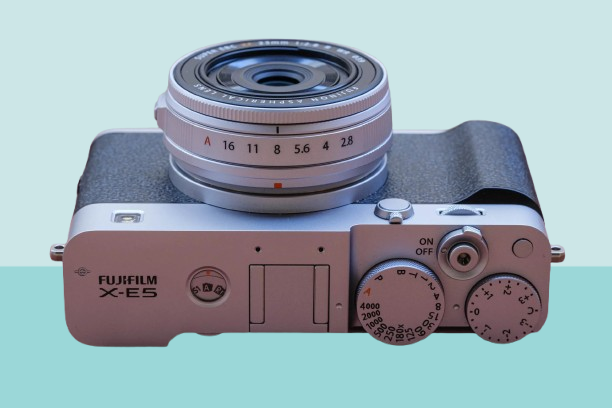
Unboxing the X-E5 felt like reuniting with an old friend. The black-and-silver body (I chose silver) oozes vintage charm. At 445g, it’s gloriously light — I’ve carried it for 8-hour walks without shoulder fatigue. The dials are crisp, the grip minimalist but secure, and that tilting 3-inch touchscreen? Perfect for discreet waist-level shots.
But let’s address the elephant in the room: the viewfinder. Compared to the X100VI’s hybrid optical/EVF, the X-E5’s 2.36M-dot EVF feels cramped. In bright sunlight, I missed the optical option. Yet, for night photography? The OLED panel’s clarity won me over.
The Game-Changer: Lenses!
This is where the X-E5 shines. Paired with Fuji’s pancake lenses:
- XF 27mm f/2.8 WR: My everyday carry. Street portraits snap into focus instantly.
- XF 23mm f/2 R WR: The “X100VI experience” with swappable freedom.
- XF 50mm f/2: For intimate moments, like a jazz musician’s sweat-beaded brow under bar lights.
I captured fog-drenched alleyways at dawn, switched to the 50mm for a café singer’s raw emotion, then snapped street art with the 23mm — all in one walk. The X100VI can’t do that.
Image Quality: 40MP Magic
That 40MP APS-C sensor? Identical to Fuji’s flagship X-T5. Colors render with Fuji’s legendary film simulations (Classic Chrome lives in my soul). Dynamic range salvaged blown skies in my seascapes, and low-light shots at ISO 6400 remained surprisingly clean.

Photo by Hannah Domsic on Unsplash

Photo by S. Tsuchiya on Unsplash

Photo by Alexandru Zdrobău on Unsplash

Photo by Frida Aguilar Estrada on Unsplash
The Trade-Offs: Where Fujifilm Compromised
- Viewfinder & Screen: As noted, the EVF is functional but basic. The rear screen’s 1.04M dots also lag behind rivals.
- Weather Sealing: Light drizzle? Fine. Monsoon? Leave it home. The X100VI’s ruggedness is sorely missed.
- No Built-In ND Filter: For long exposures in daylight, I pack a screw-on filter. An inconvenience.
- Price: At $1,900 (23mm kit), it’s steep. My wallet still winces.
Alternatives I Tested (And Why I Stuck With X-E5)
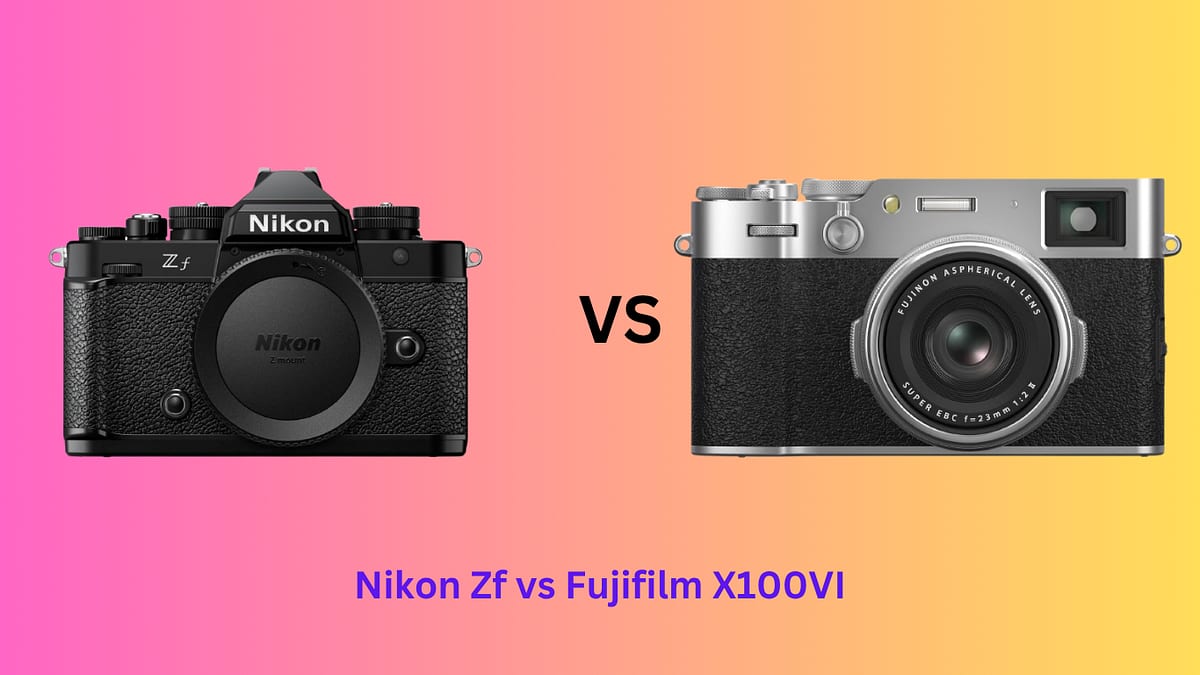
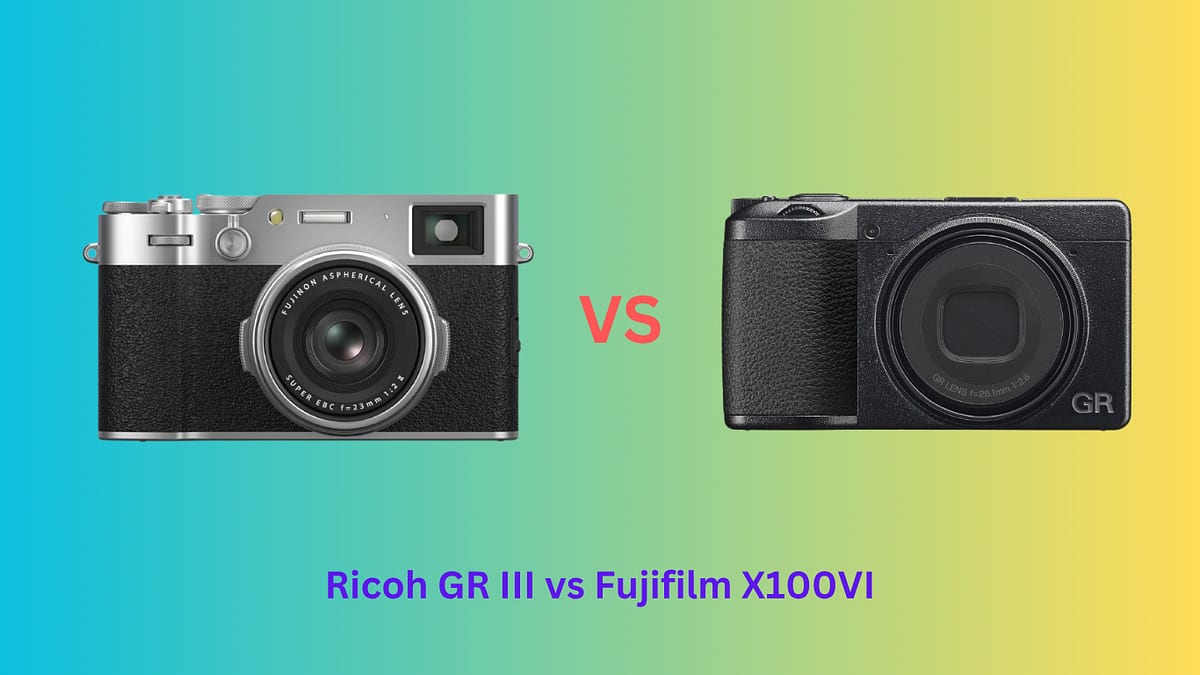
- X100VI: Sublime but rigid. If you only shoot 35mm-equivalent? Get this.
- X-T50: Same sensor, better specs (IBIS!), but bulkier. I missed the rangefinder soul.
- Sony a6700: Technically brilliant. Felt like holding a spreadsheet.
The Verdict: Who’s It For?
The X-E5 isn’t perfect — but it’s uniquely poetic. It’s for:
- Street/travel shooters craving minimalism and versatility.
- Fuji film sim lovers who want lens freedom.
- Photographers who prioritize joy over specs.
Would I buy it again? Yes — but with open eyes. I sacrificed the X100VI’s polish for creative liberty. Some days I curse the viewfinder; most days, I’m too busy falling in love with the images.
My Personal Setup
- Body: Fujifilm X-E5 Silver
- Lenses: 27mm f/2.8 (daily), 23mm f/2 (storytelling), 50mm f/2 (portraits)
- Bag: Peak Design 3L Sling
- Film Sims: Classic Chrome (+1 Color, -1 Highlight)
The best camera is the one that makes you want to shoot. For me, right now, that’s the X-E5.
Final Rating: 4.5/5 ★
Compromised, but charismatic. A modern classic.
(Disclaimer: No affiliate links. Just a photographer’s honest take.)
Written by
Marien CartelProfessional and Certified Digital Photographer born in the USA, with 22 years of experience in the field of photography.