Best Camera for Young Photographers: Top Bodies Compared by Budget
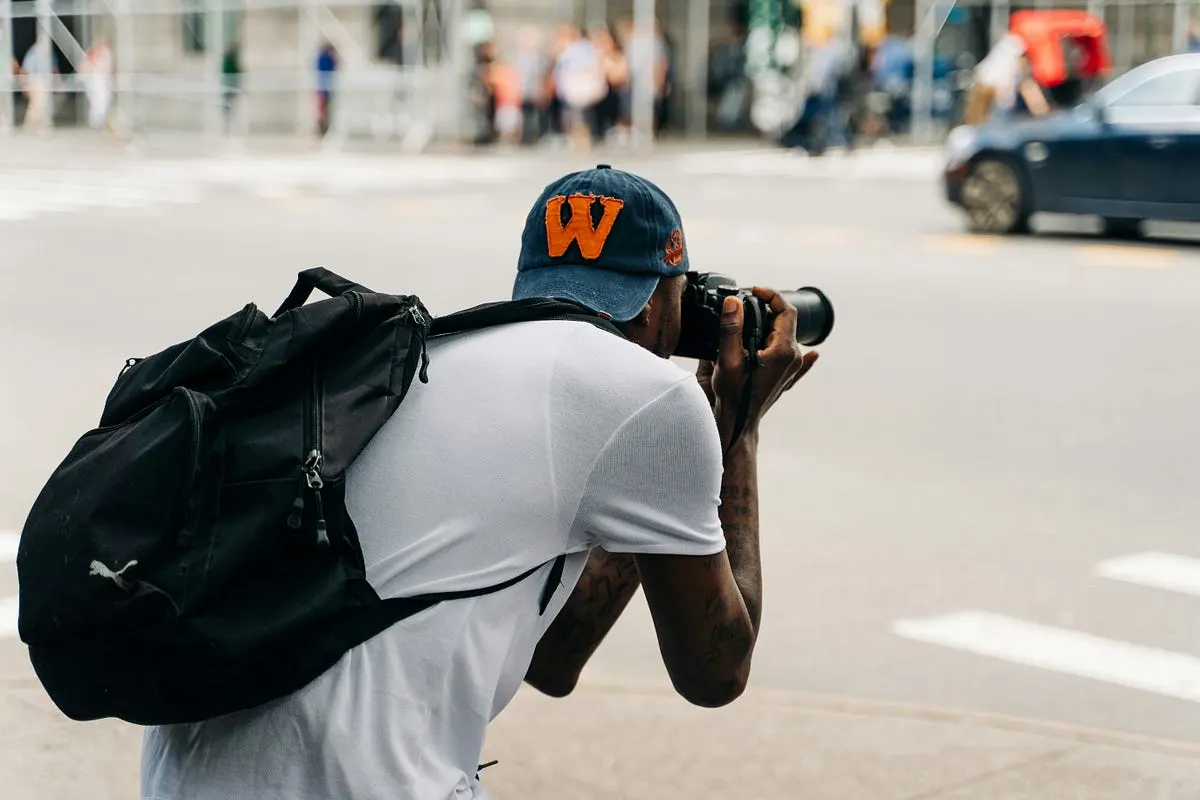
As an Amazon Associate we earn from qualifying purchases. Some links in this guide are affiliate links, see our affiliate disclosure for details.
Top Picks for young photographers
The Canon EOS R100 is a good first interchangeable-lens camera for teens and young adults on a budget. It is Canon's most affordable mirrorless body, with a 24-megapixel APS-C sensor, a built-in viewfinder, RAW shooting and the RF lens mount, which leaves room to upgrade later. It is simple rather than fast, so it suits learning composition, lighting and editing more than sports or low-light work. The Canon EOS R50 is the step-up choice.
What should a young photographer look for?
- Low price. A modest budget should leave money for a second lens, a bag and a memory card.
- Easy controls. Guided modes and clear menus shorten the learning curve.
- Light weight. A camera that is easy to carry to school or on trips gets used more often.
- RAW support. Shooting RAW teaches editing, a skill every photographer needs.
- A growing lens system. Choosing a mount with many lenses avoids starting over later.
Why the Canon EOS R100?
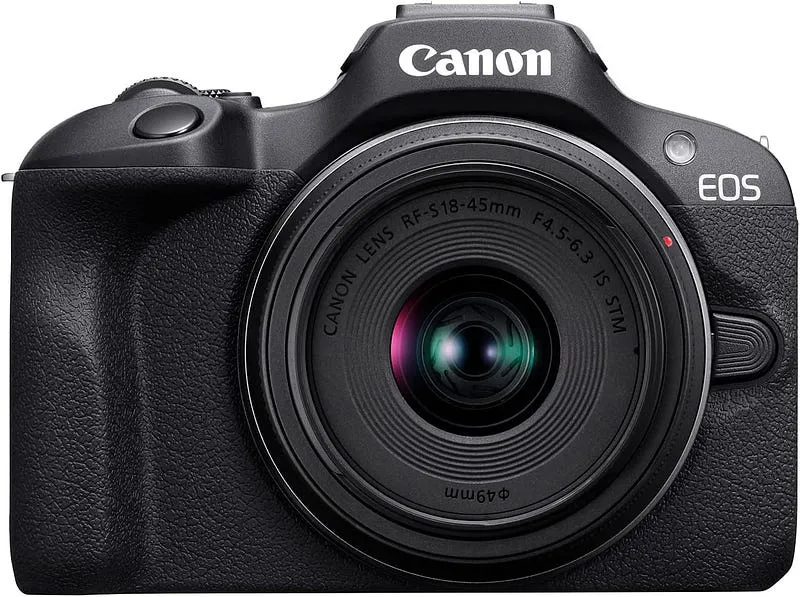
The Canon EOS R100 is a small mirrorless camera that keeps the basics and drops extras.
- Affordable. It strikes a balance between price and performance, which suits students and teens.
- Light and compact. The mirrorless design is smaller than a DSLR, which helps for travel and street photography.
- Easy to use. Guided options help new users understand settings.
- Great for learning. It records RAW files, which allows better post-processing and teaches editing.
- RF mount. Canon's RF lens system lets owners upgrade lenses over time without changing brands.
Canon lists 4K video for the camera, which suits aspiring YouTubers, but check the maker's page for crop and frame-rate limits.
Limitations
The R100 has no in-body image stabilization, one memory card slot, and slower burst shooting and simpler autofocus than the EOS R50. These limits matter less than learning composition, lighting and editing, which are skills that outlast any camera.
Who is it for?
- Beginners who want a budget-friendly mirrorless camera.
- Teens and students who need something light and portable.
- Aspiring content creators on a small budget.
Who should skip it?
- Photographers who need advanced features such as stabilization or dual card slots.
- Anyone who already owns several DSLR lenses (adapters add cost and size).
- Action and sports shooters who need fast bursts.
Alternatives for young photographers
- Canon EOS R50. Better autofocus and video for a little more money. See which Canon camera is best for beginners.
- Nikon Z50 II or Sony ZV-E10 II. Good APS-C options for video-minded creators.
- A used camera. Used bodies often offer more for the same budget.
For lens advice, see the best lenses for the Canon EOS R100 and the best budget lens for Canon R100.
Tips for getting started
- Learn the exposure triangle. Aperture, shutter speed and ISO work together.
- Take a camera everywhere. Practice builds skill quickly.
- Edit your RAW files. Free tools are enough to learn.
- Join a club or online community. Feedback speeds up improvement.
- Ask for help with the budget. Parents or teachers may help with a fund for a second lens.
Frequently asked questions
Is a DSLR or a mirrorless camera better for a teenager? Mirrorless cameras are smaller and are where manufacturers are developing new lenses.
Do I need an expensive lens? No. The kit lens is enough to start, and a 50mm f/1.8 is an affordable second lens.
Can I use the R100 for YouTube? Yes, but it lacks stabilization, so a tripod or stabilized lens helps.
How much should I spend? Spend what leaves room for a memory card, a bag and one extra lens.
Camera & Lens Settings by Real-World Use Case
Match your focal length, aperture, shutter speed, and lighting modifier to the exact environment you shoot in.
Tattoo Artists & Micro-Realism Portfolios
- Best Body:
- Sony Alpha a7 III / Fujifilm X-T4
- Ideal Lens:
- 90mm f/2.8 Macro (detail) or 50mm f/1.8 (sleeves & back pieces)
- Aperture & Shutter:
- f/5.6 – f/8 (keeps curved forearms and calves sharp edge-to-edge) · 1/125s – 1/200s handheld (or 1/60s on tripod)
- Room Distance:
- 0.4m – 1.5m (1.5 to 5 ft)
Barbershops, Hairstylists & Color Salons
- Best Body:
- Sony a7 IV / Canon EOS R6 Mark II
- Ideal Lens:
- 50mm f/1.8 (tight stations) or 85mm f/1.8 (spacious salons)
- Aperture & Shutter:
- f/1.8 – f/2.8 (blurs background chairs while keeping the lineup tack-sharp) · 1/160s – 1/250s (freezes subtle head movement in the chair)
- Room Distance:
- 1.5m – 2.4m (5 to 8 ft from the styling chair)
Makeup Artists (MUA) & Beauty Tutorials
- Best Body:
- Sony Alpha a6400 / Canon G7 X Mark III
- Ideal Lens:
- Sigma 56mm f/1.4 DC DN (APS-C) or 50mm–85mm f/1.8 (Full Frame)
- Aperture & Shutter:
- f/2.8 – f/4 for full-face sharpness; f/5.6 for macro eye/lip close-ups · 1/125s for stills; 1/50s (24p) or 1/120s (60p) for video tutorials
- Room Distance:
- 1.2m – 2.2m (4 to 7 ft)

Written by
Marien CartelMarien Cartel runs Marien Cartel Photography, a camera and lens buying-guide site, and photographs the gear shown on it.
Related Guides
Best Camera for Night Sky Time Lapse: Top Bodies Compared by Budget
Choosing the best camera for night sky time-lapse photography can be a daunting task, especially for beginners eager to capture the beauty of celestial
Best Digital Camera for Vintage Look: Top Bodies Compared by Budget
Top-ranked options include the Fujifilm X-T5 as the gold standard for film emulation, then the Nikon Z f, a used Olympus PEN-F and budget Y2K digicams.

Best Camera for Switzerland: Top Bodies Compared by Budget
Best Camera for Switzerland — what the Fujifilm X-T30 II offers, where it falls short, and whether it is worth buying.
Best Camera for Digital Nomads: Top Bodies Compared by Budget
Best Camera for Digital Nomads: a side-by-side look at Sony a7C II and Fujifilm X-S20, with strengths, trade-offs and buying advice.

Best Camera For Boxing Photography: Top Bodies Compared by Budget
Compare the best cameras for boxing and ringside sports photography with fast 10-30 fps burst rates, low-light ISO performance, and subject-tracking autofocus.

Best Camera for Kitchen Video: Top Bodies Compared by Budget
Best Camera for Kitchen Video — Canon EOS R5, Nikon D850 and Sony A7 IV compared, with pros, cons and who should buy which.