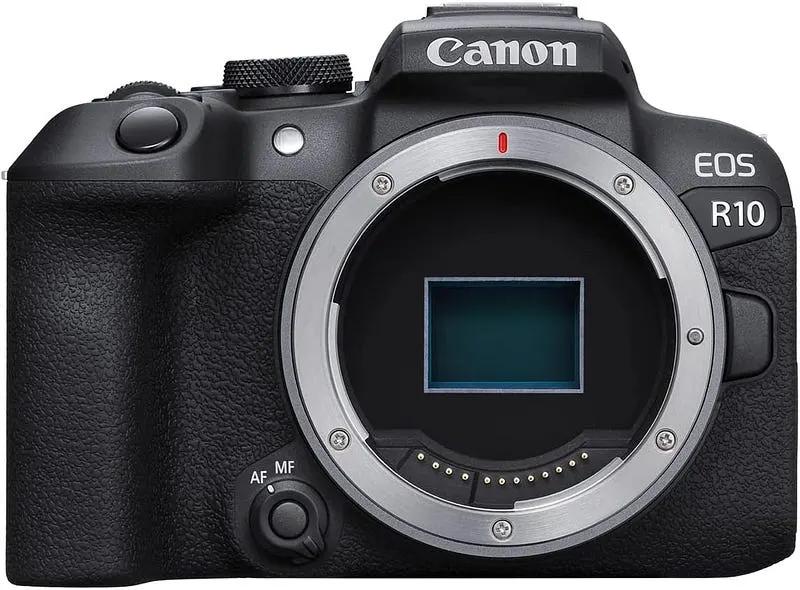
Canon EOS R10 Review
As an Amazon Associate we earn from qualifying purchases. Some links in this guide are affiliate links — see our affiliate disclosure for details.
As an avid photography enthusiast, my journey with the Canon EOS R10 began when I decided to upgrade from my trusty Canon EOS M100. This transition marked a significant step in my photographic journey, allowing me to explore new creative possibilities. In this review, I will share my personal experiences with the R10, highlighting its features, performance, and how it has enriched my photography.
First Impressions
When I first unboxed the Canon EOS R10, I was immediately struck by its compact design and lightweight build. Weighing just about 15 ounces (429 grams), it felt comfortable in my hands, reminiscent of my previous Canon cameras but with a modern twist. The ergonomics are well thought out, featuring a textured grip that enhances handling during long shooting sessions.
The camera’s menu system was familiar yet expanded, offering many new options that cater to both beginners and more advanced users. One of the standout features for me was the dedicated aperture thumb dial, which made adjusting settings intuitive and efficient.
Performance and Features
Image Quality
Equipped with a 24.2-megapixel APS-C sensor and the DIGIC X image processor, the R10 delivers impressive image quality. While I found that it performs well at lower ISO levels, pushing beyond ISO 800 can lead to noticeable noise in images.
However, for landscape photography during golden hours or sunset shoots, the R10 captures stunning details that allow for large prints without compromising quality.
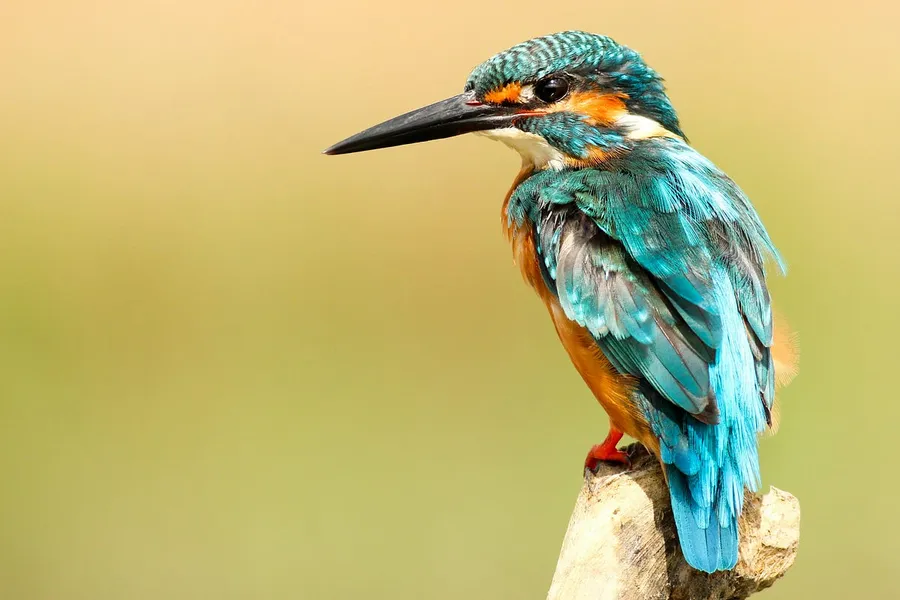
Photo by Boris Smokrovic on Unsplash

Photo by Radoslaw Prekurat on Unsplash

Photo by Gary Bendig on Unsplash
Autofocus Capabilities
The autofocus system is one of the most impressive aspects of the R10. Utilizing Canon’s Dual Pixel CMOS II AF technology with 651 phase-detection points, it offers exceptional tracking capabilities for both stills and video. I particularly enjoyed using the eye-detection feature for portraits and wildlife shots, as it consistently kept subjects in sharp focus even during rapid movements.
During my trips to natural reserves, I tested its capabilities on birds in flight. Although it occasionally struggled to maintain focus in fast-paced scenarios compared to my previous DSLR setup, it still outperformed many entry-level cameras in this regard.
Shooting Speed
The R10 boasts a continuous shooting speed of up to 23 frames per second in full resolution and 30 fps in raw burst mode with pre-shooting capabilities. This feature proved invaluable during wildlife photography sessions where capturing fleeting moments is crucial.
Video Performance
With video capabilities up to 4K at 30fps and 10-bit recording options, the R10 has become a versatile tool for both photography and videography. The fully articulated touchscreen LCD made framing shots from various angles easy, allowing me to experiment with different perspectives during shoots.
Battery Life and Usability
One aspect that surprised me was the battery life. While it may not last through an entire day of heavy shooting — especially during video sessions — having multiple spare batteries on hand ensured I could keep shooting without interruptions.
The USB-C charging option is a convenient addition that allows for quick recharges between shoots.
Pros of the Canon EOS R10
1. Compact and Lightweight Design
One of the first things I noticed about the R10 was its portability. Coming from a bulkier DSLR setup, I found the lightweight design refreshing. It made carrying the camera during long hikes and outdoor shoots much easier, allowing me to focus more on capturing moments rather than managing equipment.
2. Impressive Autofocus System
The Dual Pixel CMOS II AF system is a standout feature. During my wildlife photography sessions, I was amazed at how quickly and accurately the autofocus locked onto moving subjects. This was particularly useful when photographing birds in flight, where precision is crucial. The eye-detection feature also helped me capture stunning portraits with sharp focus on the eyes, elevating my portrait photography to new heights.
3. Excellent Image Quality
The 24.2-megapixel APS-C sensor delivers vibrant colors and sharp details in various lighting conditions. I remember shooting landscapes during sunset, where the dynamic range allowed me to capture both highlights and shadows beautifully. The images were rich in detail, making post-processing enjoyable as I had plenty of data to work with.
4. Versatile Video Capabilities
As someone who enjoys creating videos alongside photography, the R10’s 4K video capabilities were a pleasant surprise. The fully articulated touchscreen made it easy to film from different angles, whether I was vlogging or capturing scenic b-roll footage during my travels.
5. User-Friendly Interface
Transitioning from my previous camera was seamless due to Canon’s intuitive menu system. The customizable controls allowed me to set up the camera according to my shooting style, which made it easier to adapt during fast-paced shoots.
Cons of the Canon EOS R10
1. Battery Life Limitations
While I appreciated the USB-C charging feature, I found the battery life somewhat lacking during intensive shooting days. On occasions when I was filming videos for extended periods or shooting bursts of wildlife action, I had to swap out batteries more frequently than I anticipated. It’s essential to carry extras if you plan on a full day of shooting.
2. Low-Light Performance
Although the R10 performs admirably in well-lit conditions, low-light situations can be challenging. During an evening event shoot, I noticed that noise became more prominent at higher ISO levels, which required careful exposure management and post-processing to achieve acceptable results.
3. Limited Lens Options
As a relatively new addition to Canon’s mirrorless lineup, I found that the selection of native RF lenses for the R10 is still growing. While there are some excellent options available, I sometimes felt limited in my choices compared to the extensive EF lens range I had access to with my previous DSLR.
4. Viewfinder Experience
The electronic viewfinder (EVF) is functional but can feel less natural compared to an optical viewfinder (OVF). There were moments when I missed the real-time experience of seeing through a lens without any lag or delay, especially during fast-moving action shots.
Conclusion: A Worthy Upgrade
Reflecting on my experience with the Canon EOS R10, I can confidently say that it has been a game-changer in my photography journey. Transitioning from an entry-level DSLR to this mirrorless model opened up new avenues for creativity while maintaining ease of use. The combination of its lightweight design, robust autofocus system, and impressive image quality makes it an excellent choice for both intermediate hobbyists and those looking to step into the mirrorless world.
Whether you’re capturing landscapes at dawn or chasing wildlife through dense forests, the R10 stands out as a reliable companion that encourages exploration and creativity. For anyone considering an upgrade or diving into mirrorless photography for the first time, I wholeheartedly recommend giving the Canon EOS R10 a try — it might just surprise you as much as it did me.

Written by
Marien CartelProfessional and Certified Digital Photographer born in the USA, with 22 years of experience in the field of photography.
Related Guides
Nikon Z8 Review
A Professional Photographer’s Comprehensive Review — my picks are the Nikon Z8, Canon EOS R5 and Sony a1, with the honest trade-offs of each.
Nikon Zf vs Fujifilm X100VI
The Tactile Dilemma: Why the Fujifilm X100VI and Nikon Zf Forced Me to Rethink Everything
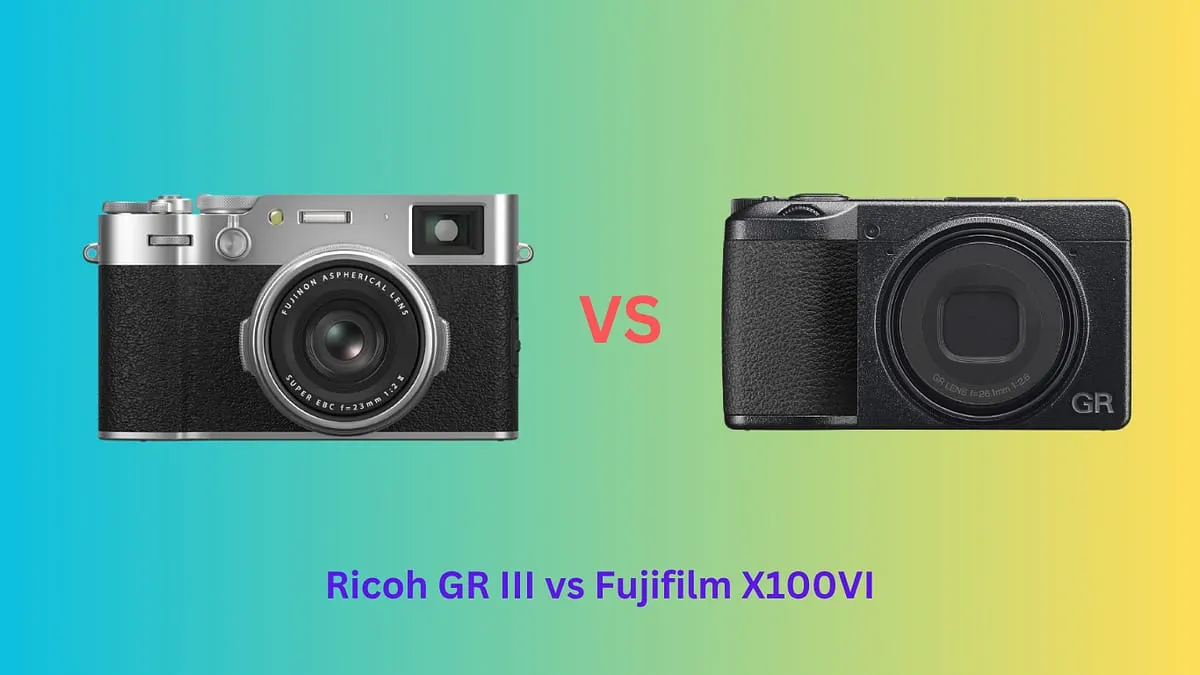
Ricoh GR III vs Fujifilm X100VI
The Camera I Almost Didn’t Buy, and the One I Almost Returned: the Fujifilm X100VI and Ricoh GR III side by side, and the one I would pick myself.