Nikon Z6 III vs Sony A7 IV: Sensor Size, Stabilization & Picks
As an Amazon Associate we earn from qualifying purchases. Some links in this guide are affiliate links, see our affiliate disclosure for details.
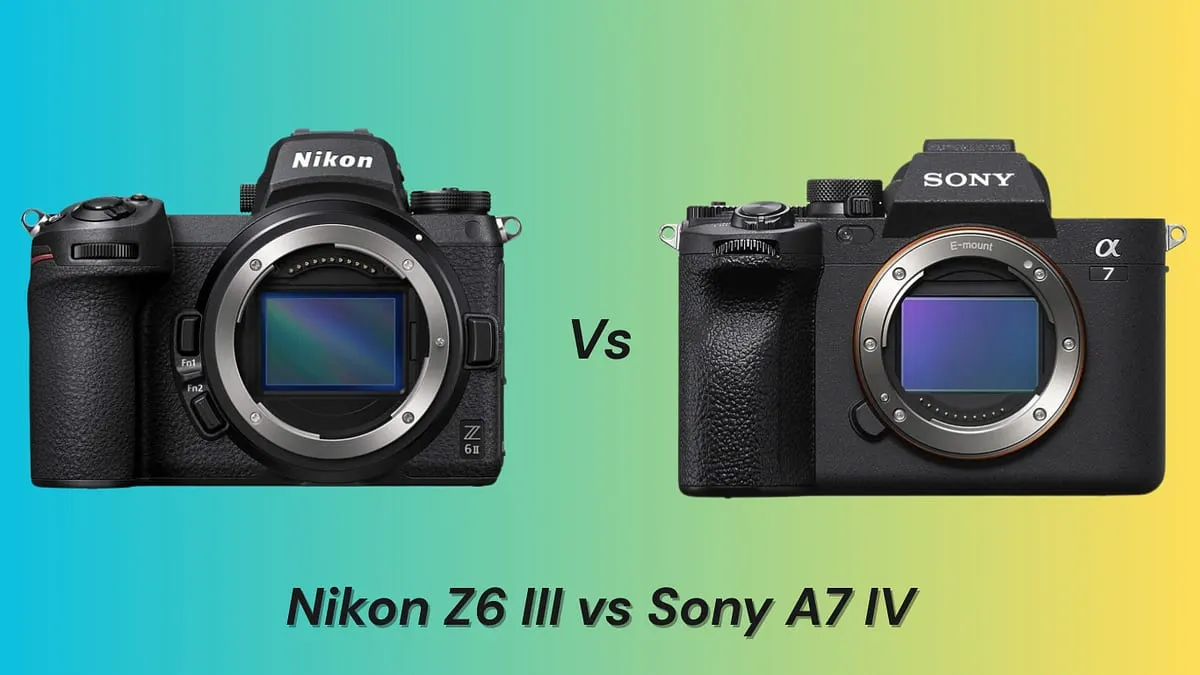
Should you buy the Nikon Z6 III or the Sony A7 IV?
Buy the Nikon Z6 III if you also shoot serious video or fast action: it has a partially stacked sensor with 20 fps electronic bursts, 6K/60p RAW video and less rolling shutter. Buy the Sony A7 IV if you want a higher-resolution 33 MP sensor, longer battery life with the viewfinder, a more established lens ecosystem and the autofocus that reviewers call more reliable. For event photography, both have two card slots, so autofocus confidence and lenses usually decide.
How do the Nikon Z6 III and Sony A7 IV compare?
The comparison draws on review sites and specification databases. Sources sometimes disagree, so check the manufacturers' pages for current details.
| Feature | Nikon Z6 III | Sony A7 IV |
|---|---|---|
| Sensor | 24.5 MP full-frame, partially stacked | 33 MP full-frame BSI |
| Burst rate | 14 fps mechanical, 20 fps electronic, up to 1,000 RAW files (DPReview) | Slower bursts than the Z6 III |
| Video | 6K 60p RAW and 4K 120p | 10-bit recording, no RAW video, 4K 60p in a Super 35 crop |
| Rolling shutter | Significantly less distortion, per RTINGS | More distortion with the electronic shutter |
| Autofocus | Subject recognition that PhotographyLife calls very capable | Subject recognition PhotographyLife calls very impressive, and RTINGS calls more reliable |
| Cards | CFexpress or XQD plus UHS-II SD | CFexpress A plus SD |
| Battery with viewfinder | Shorter | Longer, per PhotographyLife |
| Lens ecosystem | Growing Nikon Z system | More established E-mount range |
Sources: PhotographyLife's A7 IV vs Z6 III comparison, RTINGS' comparison and DPReview's Nikon Z6III review.
Sony A7 IV
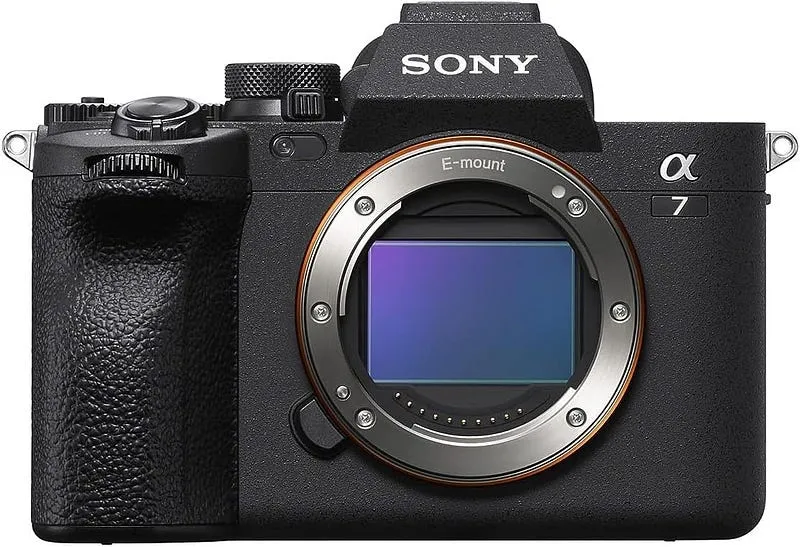
The Sony A7 IV is the established all-rounder. Its 33 MP sensor leaves more room to crop than the Z6 III's 24.5 MP, and reviewers credit it with strong battery life and a deep lens range. See the A7 IV deals.
Strengths: higher resolution, mature autofocus, lens range and battery life.
Trade-offs: slower bursts and no RAW video, and its 4K 60p mode uses a crop.
Nikon Z6 III
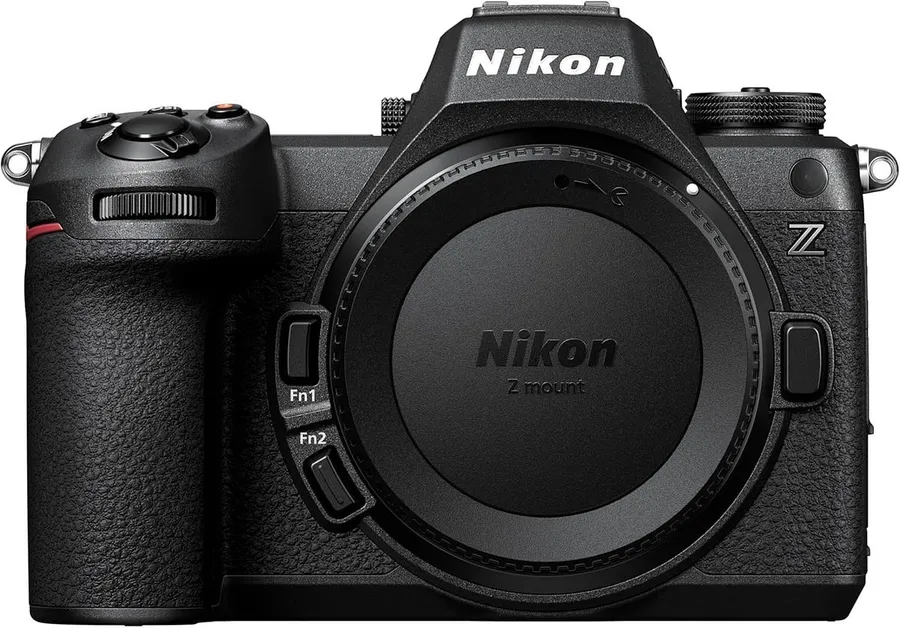
The Nikon Z6 III is the newer design, with a partially stacked sensor that allows 20 fps electronic bursts, 6K RAW video and less rolling-shutter distortion. RTINGS ranks it better overall, while noting the Sony's higher resolution. See the Nikon Z6 III listing, or check today's deals.
Strengths: faster sensor, serious video specifications and strong subject recognition.
Trade-offs: a smaller lens range than Sony and lower resolution.
Which camera suits which photographer?
| If you want | Best fit | Why |
|---|---|---|
| Hybrid photo and video | Nikon Z6 III | 6K/60p RAW and less rolling shutter |
| Event photography | Either | Both have dual slots, and the Z6 III bursts faster |
| The most reliable autofocus and lens choice | Sony A7 IV | RTINGS rates its autofocus more reliable |
| Cropping room | Sony A7 IV | 33 MP against 24.5 MP |
| Longer battery life | Sony A7 IV | Better with the viewfinder, per PhotographyLife |
What should you check before choosing?
- Your lenses. A body is only as useful as the lenses available for it. Sony's E mount has a larger range from Sony and third-party makers, and Nikon's Z mount is growing. Price the lenses you actually need before comparing bodies.
- Your subjects. Fast or unpredictable subjects favour the Z6 III's faster sensor. Still subjects and heavy cropping favour the A7 IV's 33 MP.
- Your video needs. If you record RAW or want 4K at 120p, only the Z6 III offers it. If 10-bit 4K is enough, the A7 IV is capable.
- Rolling shutter. Electronic-shutter bursts of fast-moving subjects show more distortion on the A7 IV, according to RTINGS.
- Your budget. Prices change often, so compare current listings for both bodies and for the kit lens.
Which lens kit comes with each camera?
The A7 IV is commonly sold with the FE 28-70mm f/3.5-5.6 OSS kit lens, and the Z6 III is sold in kits with Nikon Z zoom lenses. Kit lenses are convenient, but a fast prime or a constant-aperture zoom often improves results more than a body upgrade. See the lens guides linked below for good pairings.
Frequently asked questions
Is the Nikon Z6 III better than the Sony A7 IV? RTINGS rates the Z6 III better overall, mostly for video and speed, but the A7 IV has higher resolution and a more established ecosystem.
Which is better for event photography? Both have two card slots. The Z6 III bursts at up to 20 fps, and the A7 IV has autofocus that RTINGS calls more reliable and a wider lens range.
How do the autofocus systems compare? PhotographyLife calls both very capable at subject recognition. RTINGS gives Sony the edge for reliability.
Which is better for hybrid shooters? The Z6 III. It records 6K 60p RAW and 4K 120p, while the A7 IV has no RAW video and uses a crop for 4K 60p.
Which has better battery life? PhotographyLife says the A7 IV does better when you use the viewfinder.
For more detail, see the best lenses for the Nikon Z6III, the best lenses for the Sony A7 IV, Nikon Z6 II vs Z6 III, Nikon Z6 III vs Canon EOS R6 Mark II and Canon R6 Mark II vs Sony A7 IV.
Camera & Lens Settings by Real-World Use Case
Match your focal length, aperture, shutter speed, and lighting modifier to the exact environment you shoot in.
Tattoo Artists & Micro-Realism Portfolios
- Best Body:
- Sony Alpha a7 III / Fujifilm X-T4
- Ideal Lens:
- 90mm f/2.8 Macro (detail) or 50mm f/1.8 (sleeves & back pieces)
- Aperture & Shutter:
- f/5.6 – f/8 (keeps curved forearms and calves sharp edge-to-edge) · 1/125s – 1/200s handheld (or 1/60s on tripod)
- Room Distance:
- 0.4m – 1.5m (1.5 to 5 ft)
Barbershops, Hairstylists & Color Salons
- Best Body:
- Sony a7 IV / Canon EOS R6 Mark II
- Ideal Lens:
- 50mm f/1.8 (tight stations) or 85mm f/1.8 (spacious salons)
- Aperture & Shutter:
- f/1.8 – f/2.8 (blurs background chairs while keeping the lineup tack-sharp) · 1/160s – 1/250s (freezes subtle head movement in the chair)
- Room Distance:
- 1.5m – 2.4m (5 to 8 ft from the styling chair)
Makeup Artists (MUA) & Beauty Tutorials
- Best Body:
- Sony Alpha a6400 / Canon G7 X Mark III
- Ideal Lens:
- Sigma 56mm f/1.4 DC DN (APS-C) or 50mm–85mm f/1.8 (Full Frame)
- Aperture & Shutter:
- f/2.8 – f/4 for full-face sharpness; f/5.6 for macro eye/lip close-ups · 1/125s for stills; 1/50s (24p) or 1/120s (60p) for video tutorials
- Room Distance:
- 1.2m – 2.2m (4 to 7 ft)

Written by
Marien CartelMarien Cartel runs Marien Cartel Photography, a camera and lens buying-guide site, and photographs the gear shown on it.
Related Guides
Sony A7SIII vs FX3: Sensor Size, Stabilization & Picks
Sony A7SIII vs FX3 compared — where each one wins, where it falls short, and who should buy which. Updated for 2026.
Best Sony Cameras: Sensor Size, Stabilization & Picks
At a glance, the Sony A7 IV as the one most people should buy, the a6700 as the best value, the A7R V for detail and the A7 III.
Best Camera for Automotive Photography 2026: R5, a7 IV, Z6 III
Canon EOS R5, Sony a7 IV, Nikon Z6 III, Fujifilm X-H2S and Sony a6400 compared for dealership, rolling-shot and track-day work, with a quick verdict.
Canon R6 Mark II vs Sony A7 IV (Image Quality & Top Alternatives)
This comparison evaluates the two on image quality, autofocus, video, handling and lens ecosystem, then explains which one to choose depending on your needs.
Best Camera for Northern Lights: Sony A7S III, Nikon Z6 II & More
Top options include the Sony A7S III, Nikon Z6 II, Canon EOS R6, Sony A7 IV and Nikon Z7 II. Plus essential gear and setup tips for photographing auroras.
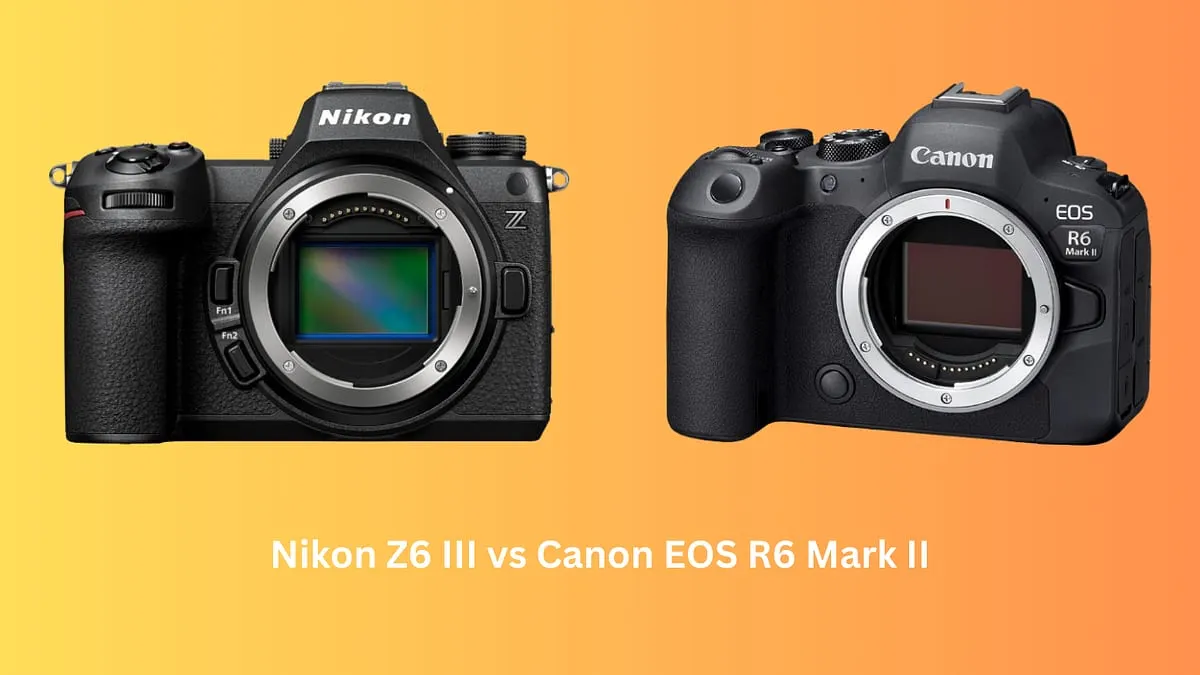
Nikon Z6 III vs Canon EOS R6 Mark II
Nikon Z6 III vs Canon EOS R6 Mark II: key differences in specs, autofocus, video and price, and which one suits you.