What do you value most in your travel photography?
As an Amazon Associate we earn from qualifying purchases. Some links in this guide are affiliate links — see our affiliate disclosure for details.
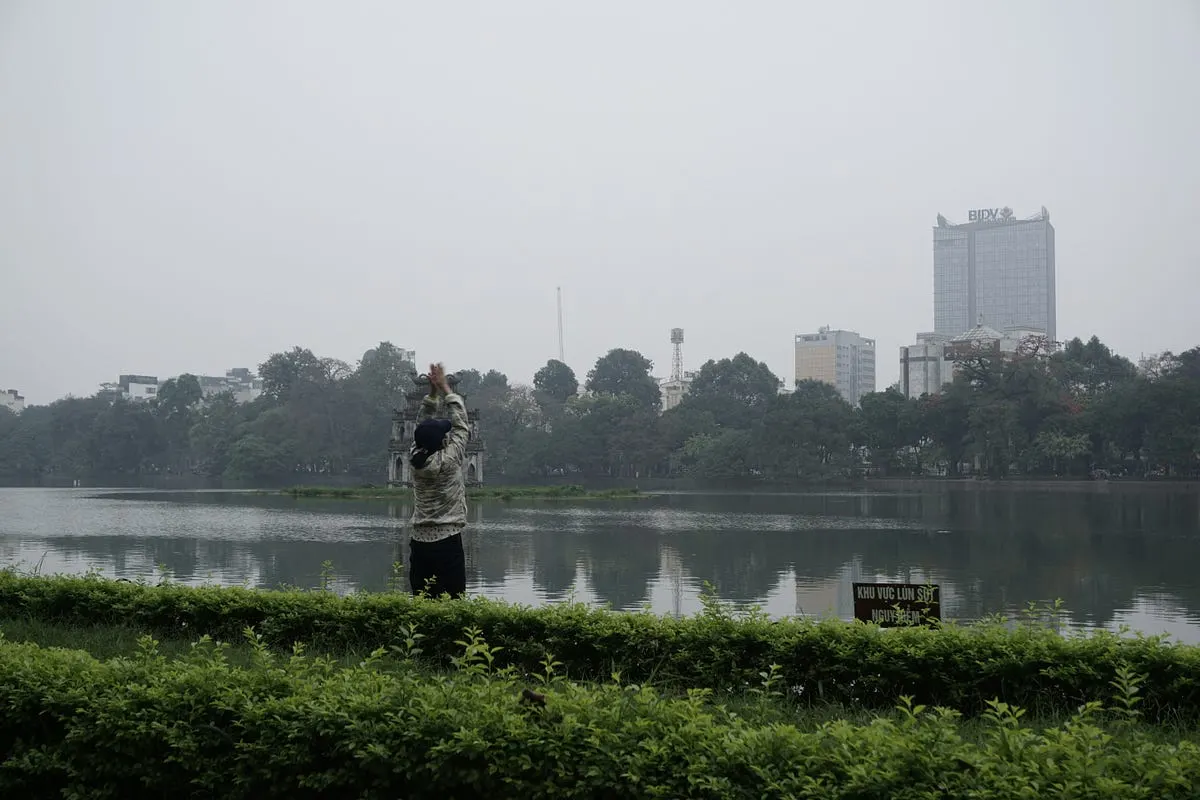
Photo by menderes kahraman on Unsplash
There’s something magical about that moment when your finger hovers over the shutter button, and the world seems to hold its breath. After years of traveling with my camera as my most faithful companion, I’ve come to realize that what I value most in travel photography goes far beyond technical perfection or Instagram-worthy shots.
The Art of Human Connection
The most precious photographs in my collection aren’t of grand landscapes or famous monuments — they’re of the fleeting moments of human connection. That elderly vendor in Hanoi who showed me how to properly eat pho while I balanced my camera on my knee. The group of children in Morocco who taught me their traditional game, their laughter echoing through my lens. These aren’t just images; they’re bridges between cultures, frozen in time.
Embracing Imperfection
I used to obsess over getting the “perfect” shot — waiting hours for the ideal lighting, or getting frustrated when a stranger wandered into my carefully composed frame. But I’ve learned to embrace these “imperfections.” That tourist who accidentally photobombed my sunset shot of the Taj Mahal? They added a sense of scale and reality that made the image more compelling. Sometimes, it’s these unplanned elements that make a photograph truly authentic.
The Stories Behind the Scenes
For every photograph in my portfolio, there’s an entire story that lives outside the frame. The smell of incense that filled the air during that morning shoot at a Buddhist temple. The taste of sweet chai shared with locals before capturing their portraits. The sound of rain on tin roofs that provided the backdrop to that moody street scene. These sensory memories are as much a part of my photography as the visual elements themselves.
Light and Time: The Ultimate Teachers
Travel photography has taught me patience like nothing else. I’ve learned that the best light is worth waiting for, whether it means waking up at 4 AM to catch the golden rays illuminating ancient ruins, or sitting through an afternoon thunderstorm to capture the magical moment when the sun breaks through the clouds. Time moves differently when you’re waiting for the perfect shot — it becomes less about hours and minutes, and more about the quality of light and shadow.
Finding Beauty in the Ordinary
While I love capturing iconic landmarks, I’ve developed a deep appreciation for finding extraordinary beauty in ordinary moments. A shaft of light illuminating steam from a street food stall. The weathered hands of a craftsman at work. The geometric patterns of laundry hanging between buildings in a narrow alley. These seemingly mundane scenes often tell more about a place than any tourist attraction ever could.
Technical Skill Meets Emotional Intelligence
Yes, understanding your camera’s settings is crucial. But I’ve found that emotional intelligence — the ability to read a situation, to make subjects comfortable, to know when to raise your camera and when to lower it — is equally important. Some of my most meaningful images came from moments when I took the time to connect with my subjects first, treating photography as a collaboration rather than a capture.
The Power of Perspective
Travel photography has taught me to look at familiar scenes from unfamiliar angles. Sometimes this means getting down on my stomach to shoot upwards at a marketplace ceiling, or finding a high vantage point to capture the patterns of daily life below. But more often, it means challenging my own preconceptions and trying to see places through both a visitor’s wonder and a local’s understanding.
Preservation of Moments
Perhaps what I value most is photography’s power to preserve not just images, but emotions and experiences. When I look back at my travel photographs, I’m not just seeing places — I’m reliving moments. The excitement of discovering a hidden temple at dawn. The warmth of hospitality from strangers-turned-friends. The quiet contemplation of watching a city wake up from a rooftop perch.
The Journey Continues
Every time I pack my camera bag for a new adventure, I’m reminded that travel photography isn’t just about documenting places — it’s about growing as both a photographer and a human being. It’s about learning to see the world with fresh eyes, to approach unfamiliar situations with openness, and to find beauty in unexpected places.
The greatest value of travel photography, for me, lies not in the final images themselves, but in how the process of creating them transforms us. It teaches us to be patient, to be present, to be humble, and above all, to be human. Because at its core, travel photography isn’t just about capturing the world — it’s about connecting with it.
Written by
Marien CartelProfessional and Certified Digital Photographer born in the USA, with 22 years of experience in the field of photography.
Related Guides
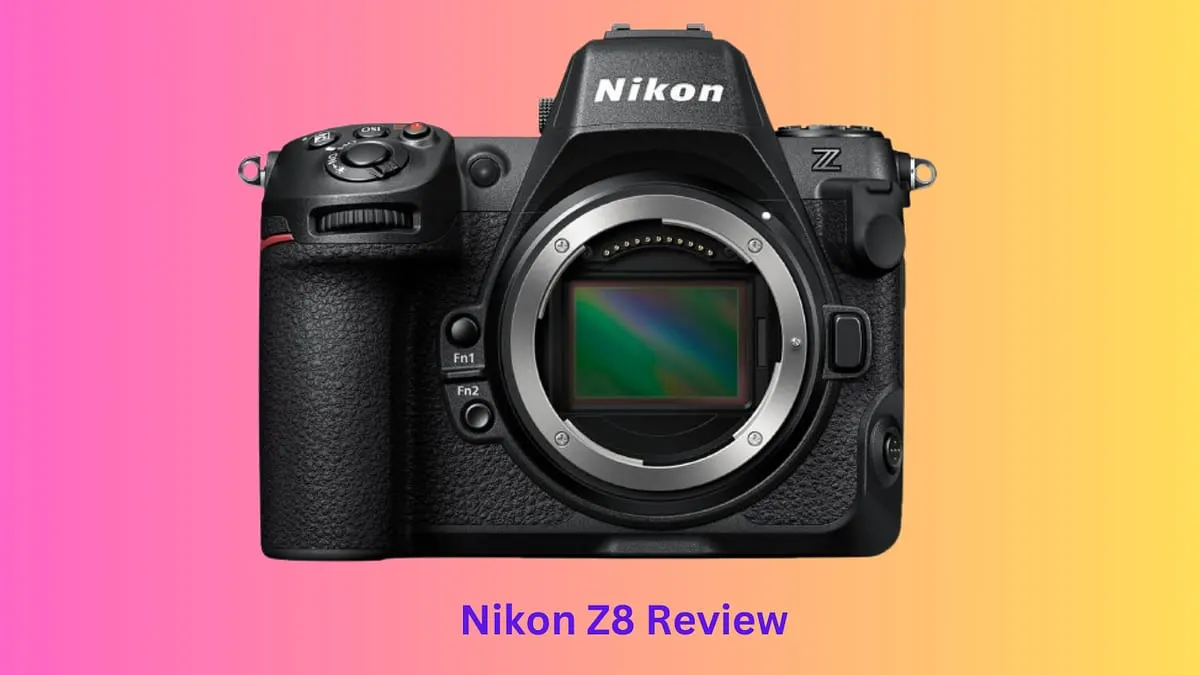
Nikon Z8 Review
A Professional Photographer’s Comprehensive Review — my picks are the Nikon Z8, Canon EOS R5 and Sony a1, with the honest trade-offs of each.

Nikon Zf vs Fujifilm X100VI
The Tactile Dilemma: Why the Fujifilm X100VI and Nikon Zf Forced Me to Rethink Everything

Ricoh GR III vs Fujifilm X100VI
The Camera I Almost Didn’t Buy, and the One I Almost Returned: the Fujifilm X100VI and Ricoh GR III side by side, and the one I would pick myself.